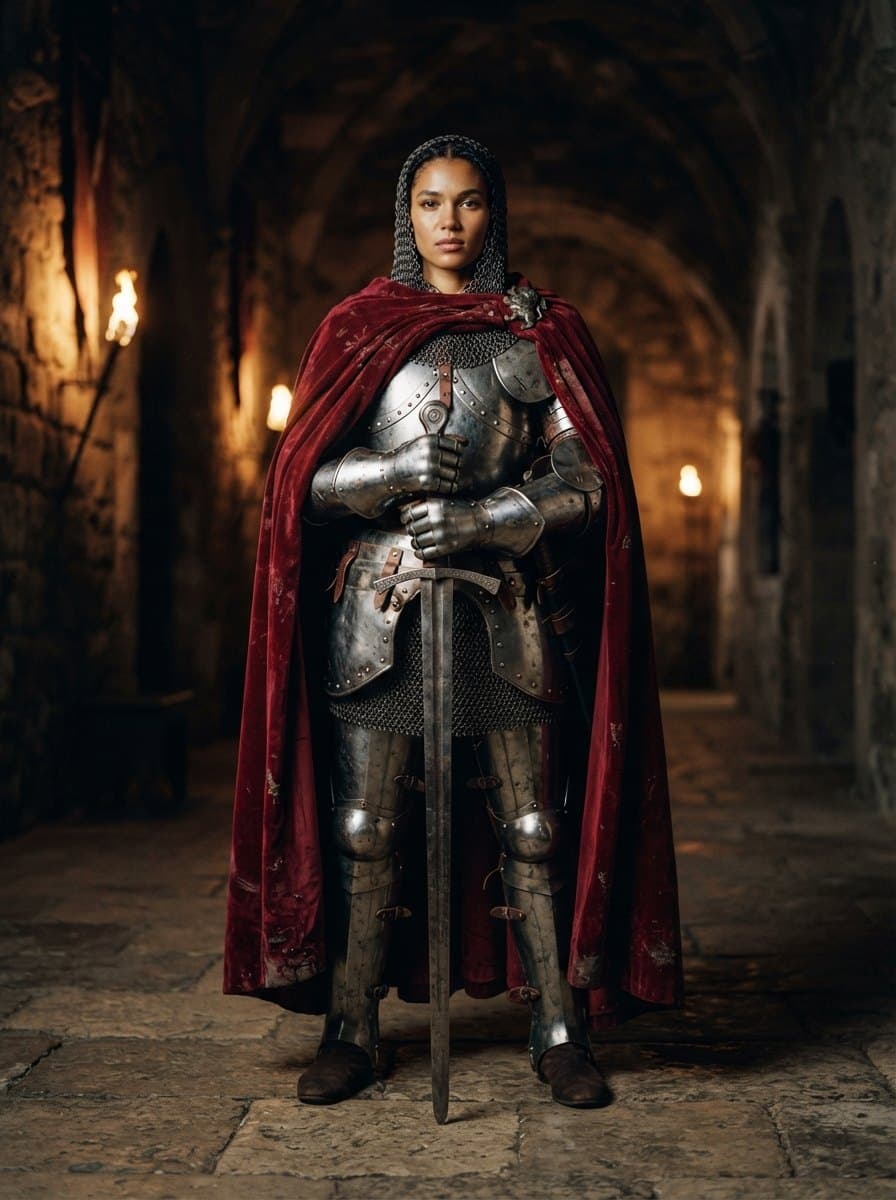
Realistic Costumes
Elevate your look with movie-quality realism and professional details.
Realistic costumes elevate your look from a simple outfit to a movie-quality masterpiece. People choose realistic styles to stand out at conventions, theater productions, or high-end Halloween events. Achieving this look relies on high-quality materials, screen-accurate weathering, and professional-grade makeup or prosthetics.
- Difficulty
- Advanced
- Time
- ~120 min
- Budget
- $100–500
Try it on
See yourself as Realistic Costumes
One clear photo of yourself; we render you in this costume — face untouched, full body, about 20 seconds.
One render, $1. No account needed — if it fails you're not charged. Pricing.
Your photo is sent to Google's Gemini API to make the render and isn't used for training. Renders are AI-generated and labelled.
Want a different costume on this photo, or a whole group in costume? Open the Try-On Studio.
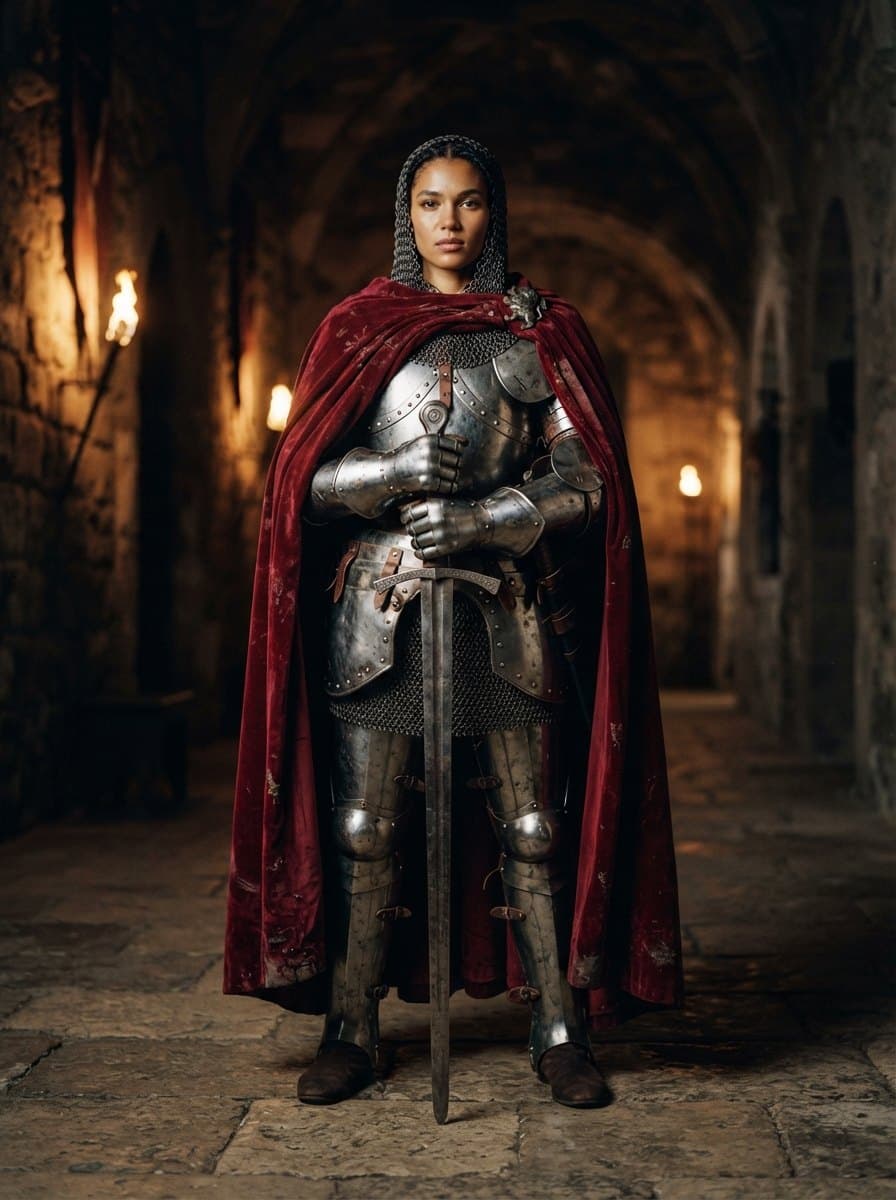
40 Realistic costume ideas
Ranked by how many people are searching for them this season. Open any one for the full guide and to try it on.

Witch Costume
Cast a spell with a timeless, enchanting classic.
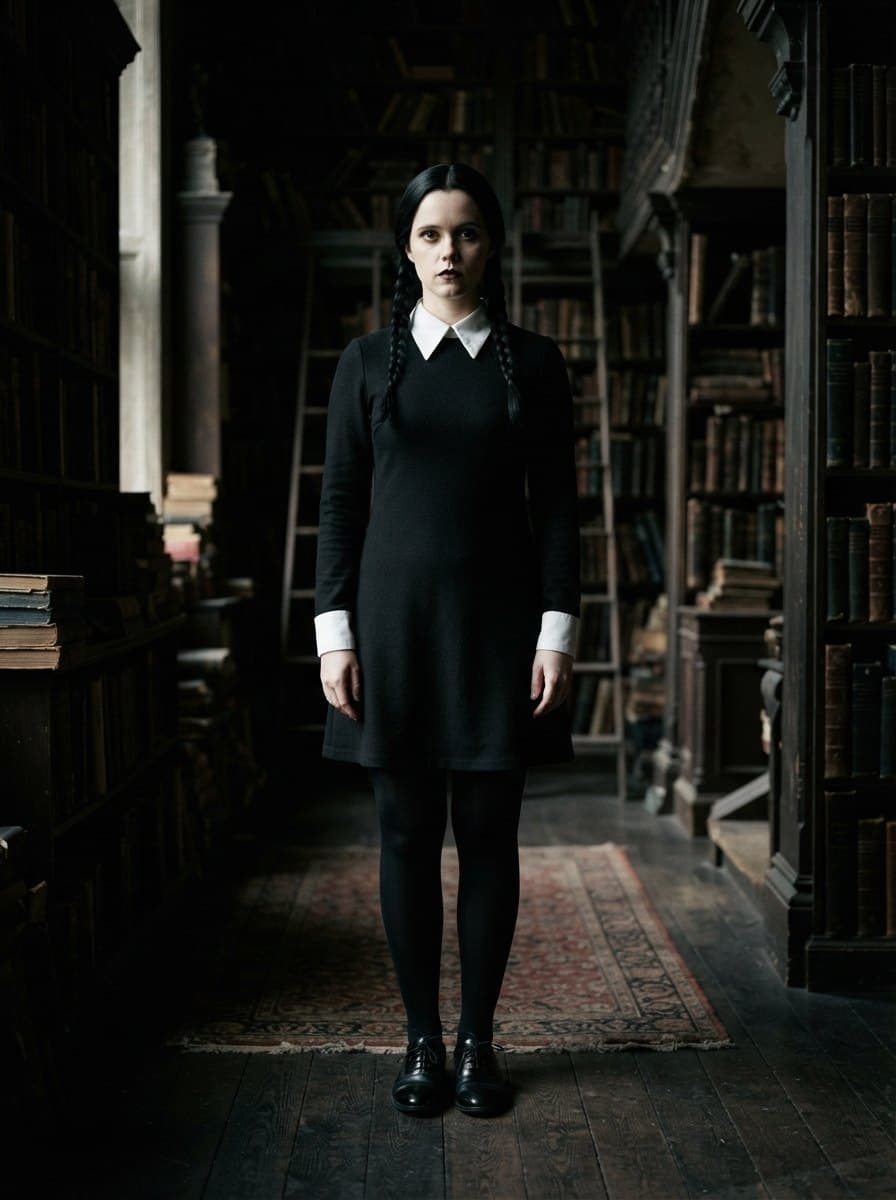
Wednesday Addams Costume
Channel your favorite gothic icon with a sharp, classic monochrome look.
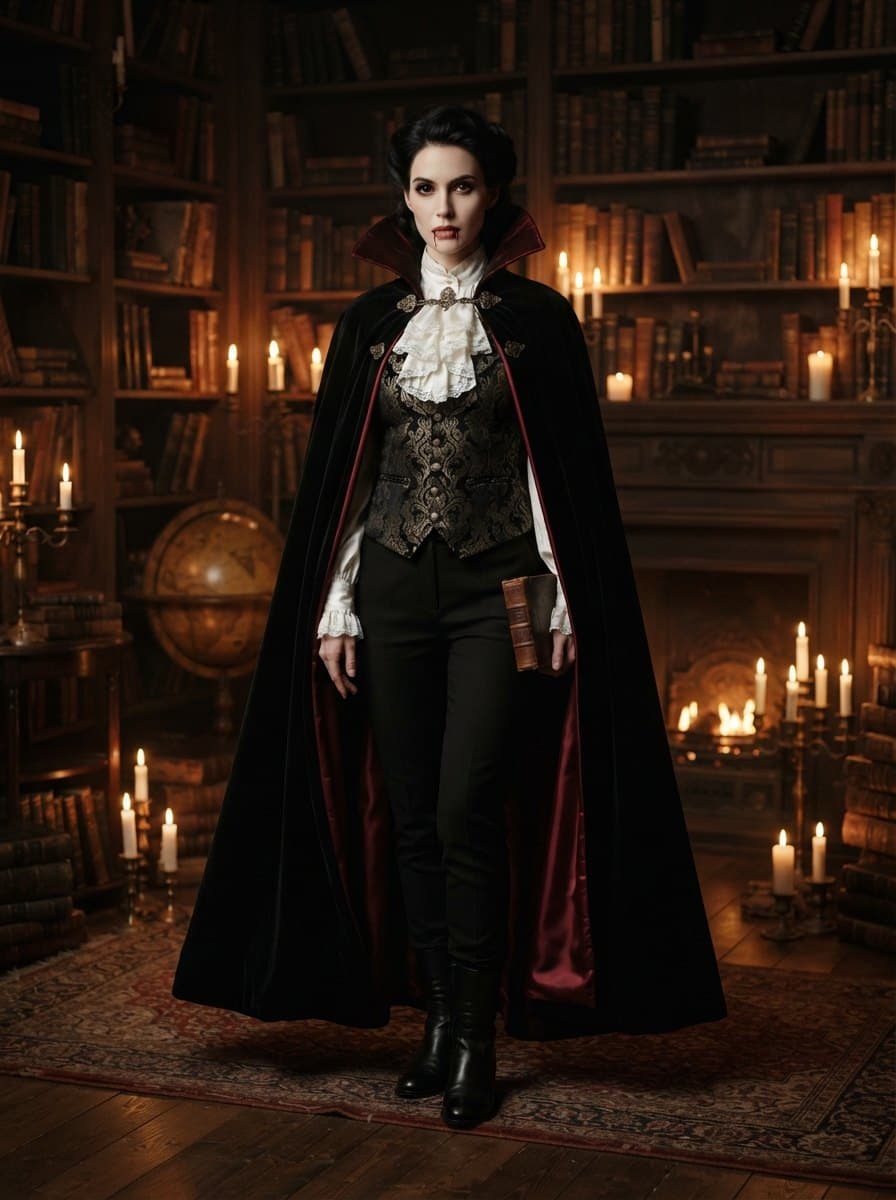
Vampire Costume
Embrace the night with a classic, timeless gothic look.

Ghostface Costume
Rule the night as the ultimate Woodsboro slasher.
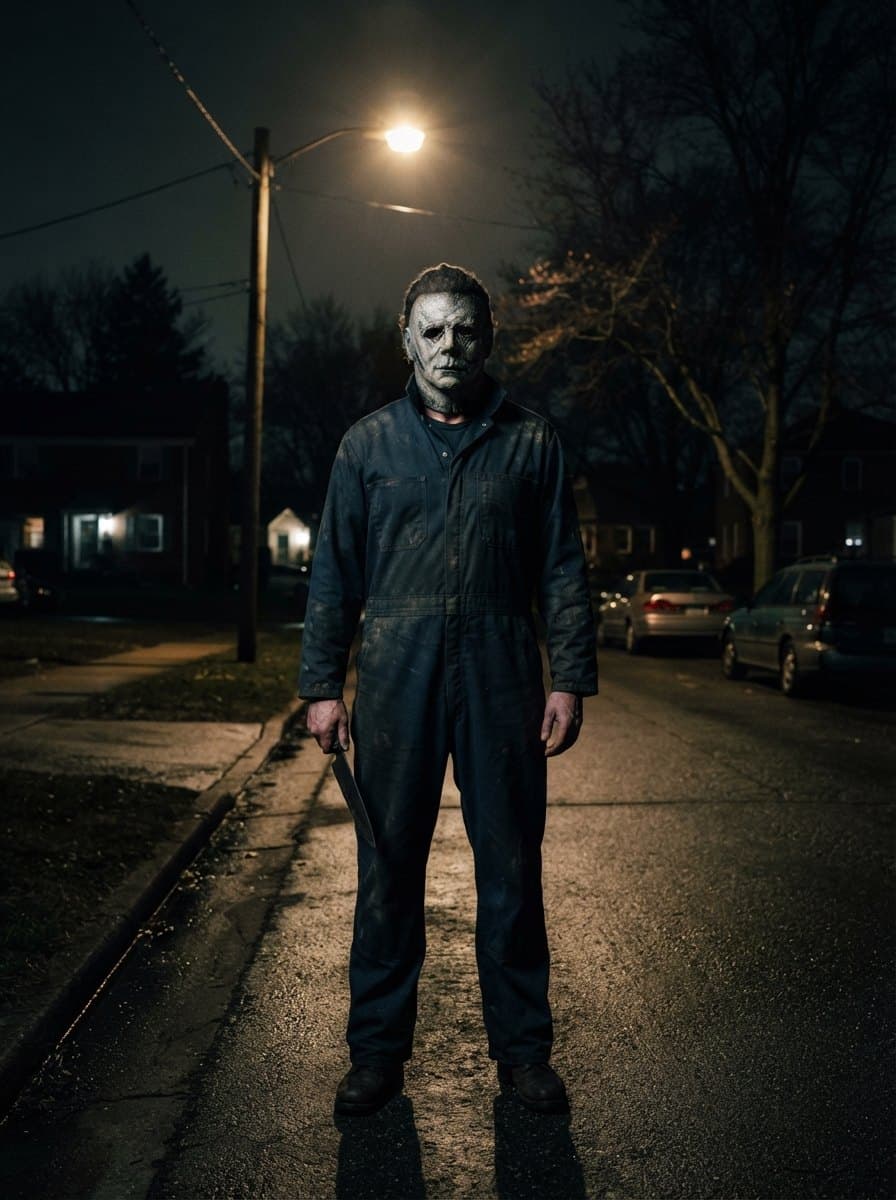
Michael Myers Costume
Embody the silent, unstoppable shape of Halloween night.
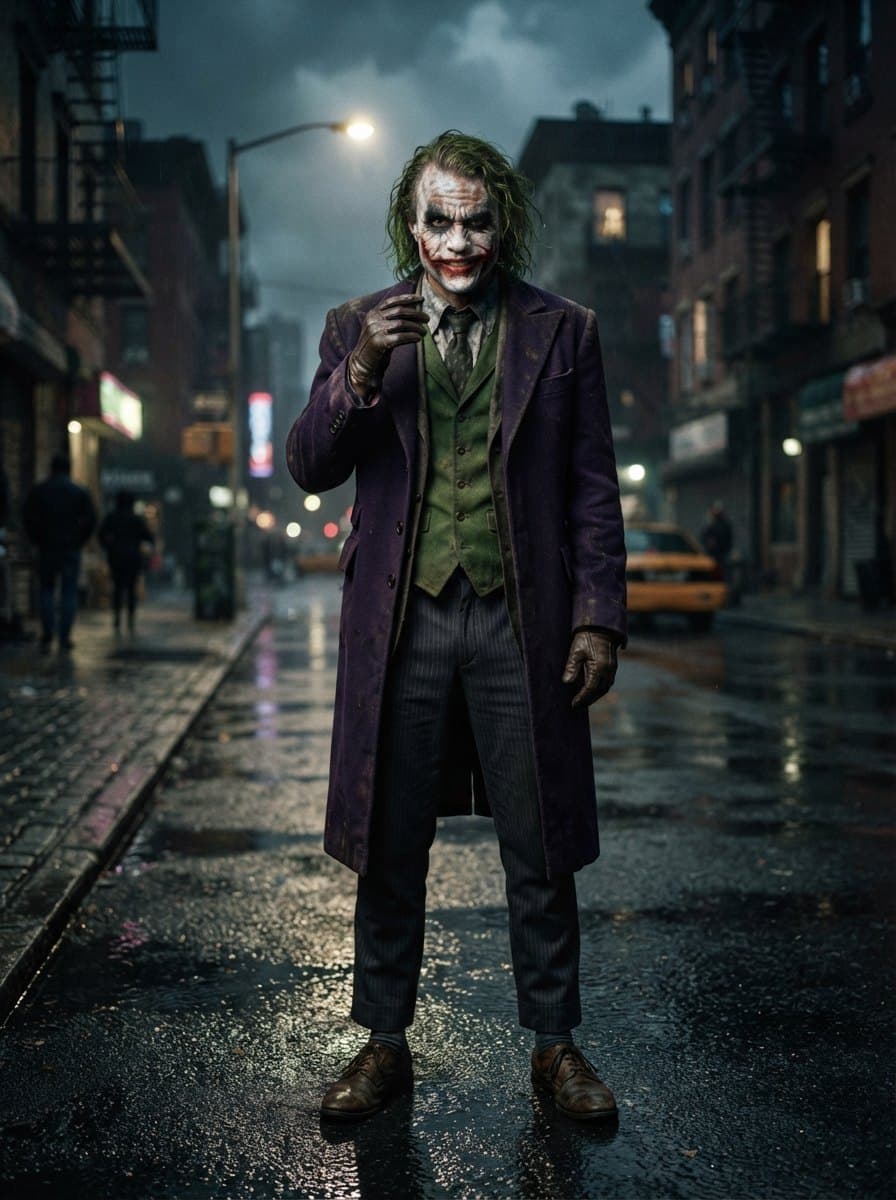
The Joker Costume
Embrace the chaos with the ultimate Gotham villain look.

Pennywise Costume
Float down here with this screen-accurate, terrifying killer clown look.

Freddy Krueger Costume
Bring the ultimate dream-stalking nightmare to life this Halloween.
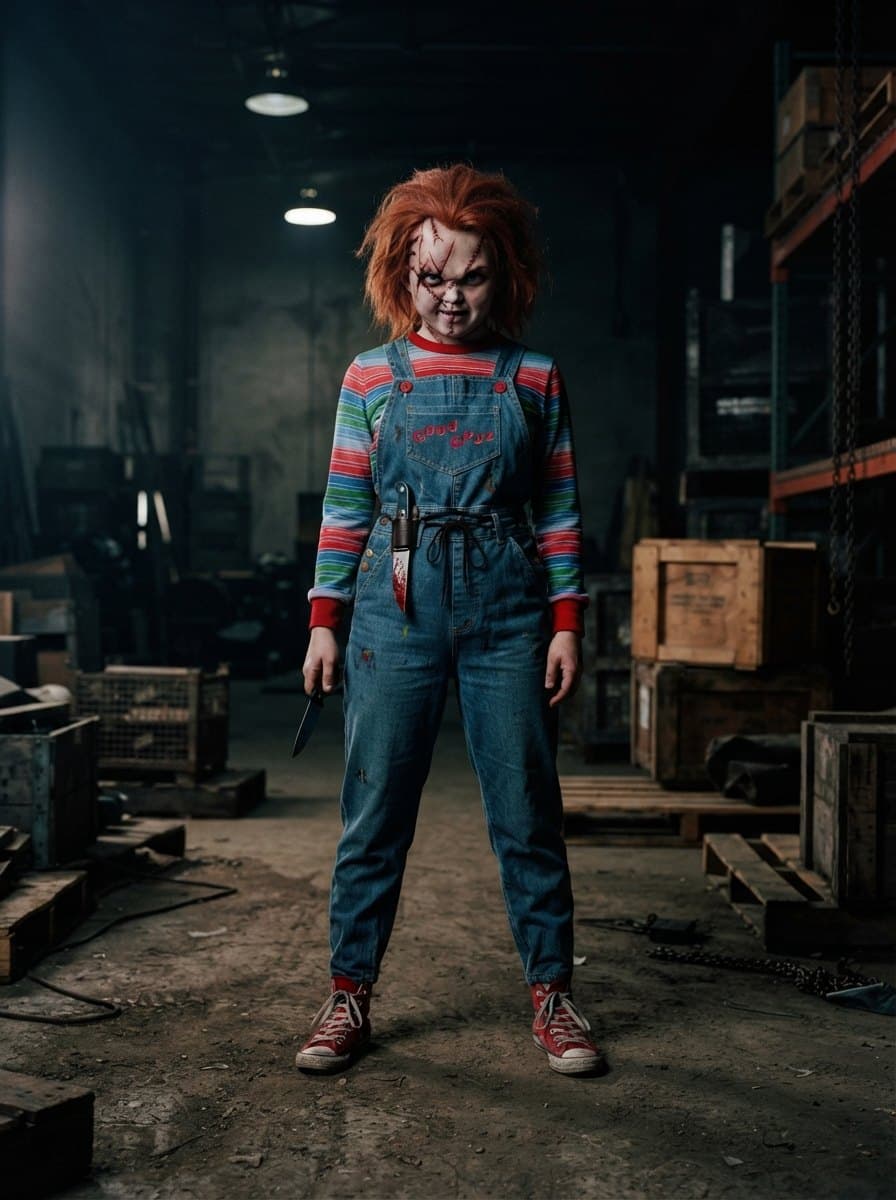
Chucky Costume
Channel your inner killer doll with Chucky's iconic striped look.
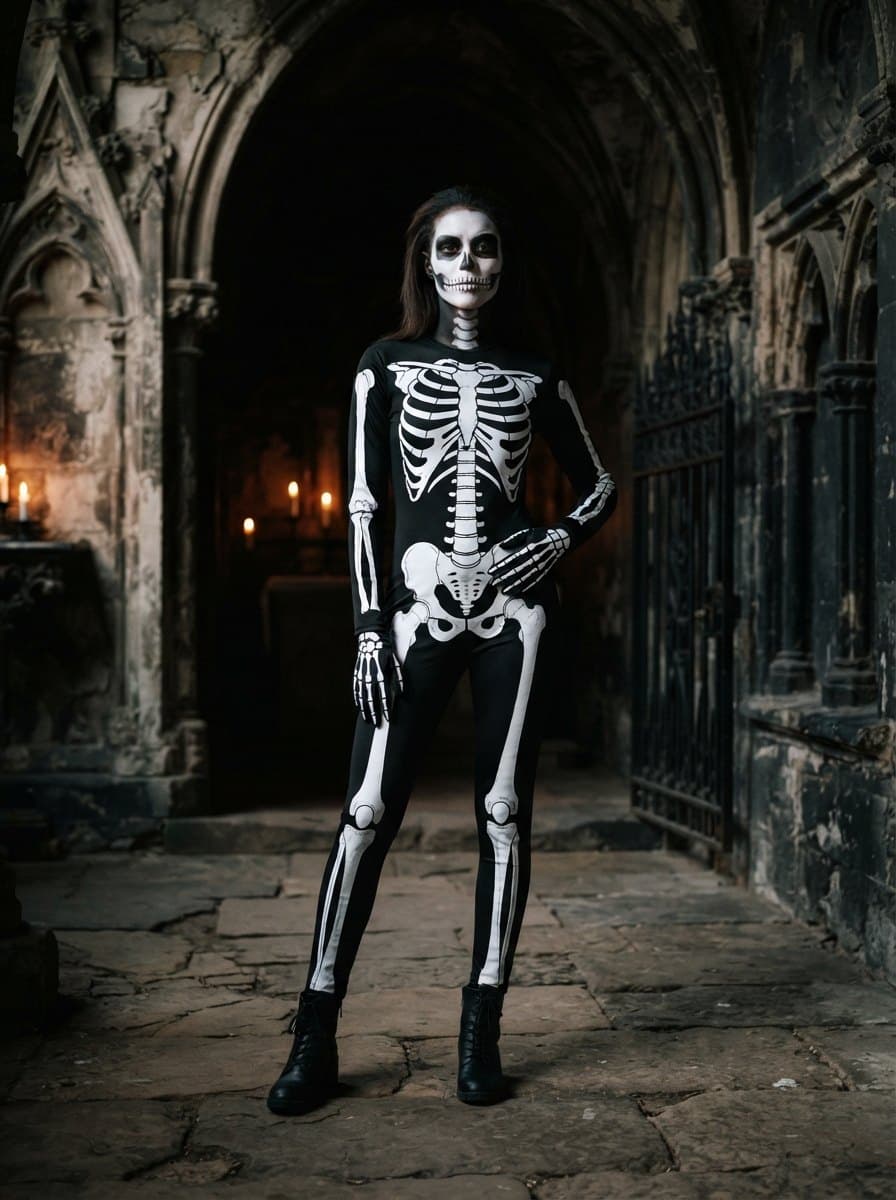
Skeleton Costume
Embrace a timeless Halloween classic with a spooky, bone-chilling look.

Art the Clown Costume
Bring the silent, monochrome terror of Terrifier to life this Halloween.
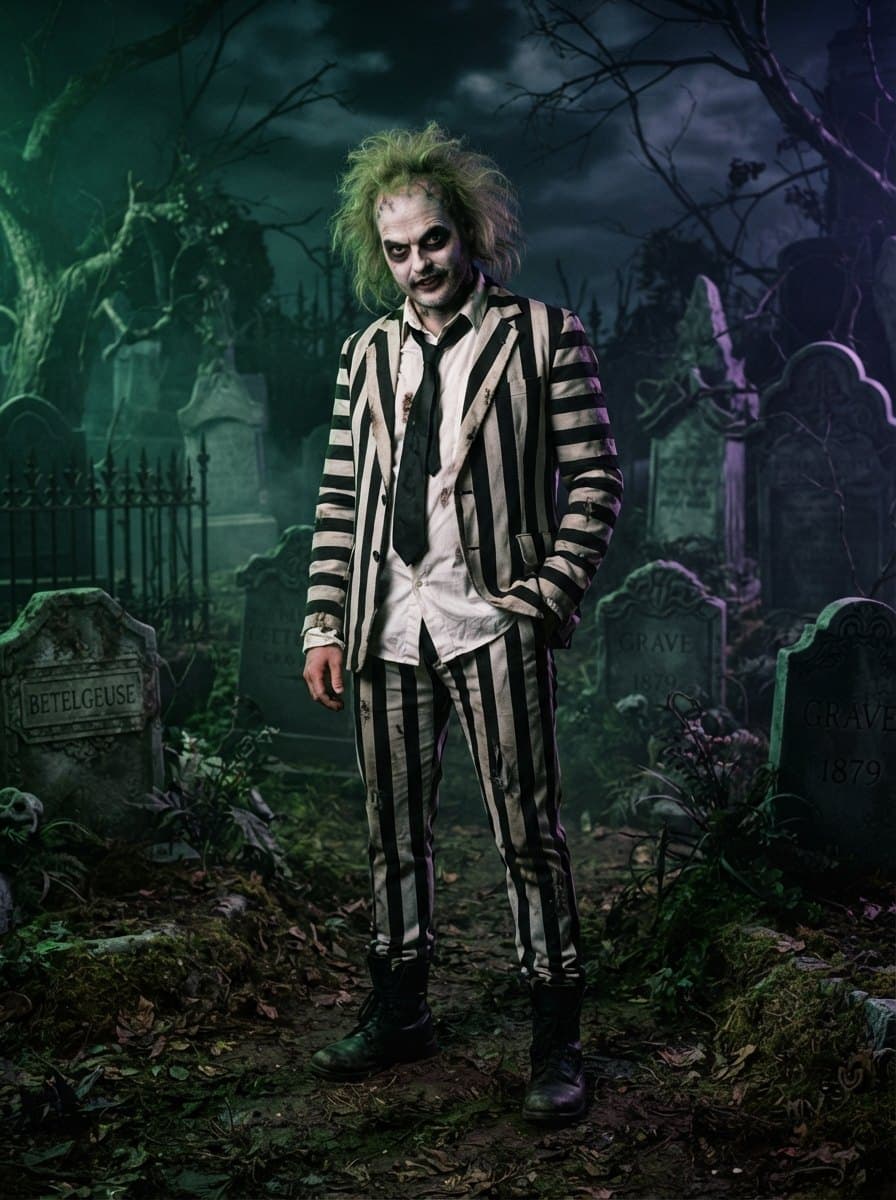
Beetlejuice Costume
The ghost with the most is ready for your next party.

Jason Voorhees Costume
Bring the terror of Camp Crystal Lake to life this Halloween.

Ghost Costume
The ultimate timeless, budget-friendly classic Halloween look.

Corpse Bride Costume
Bring Tim Burton's iconic undead bride to life with tattered elegance.
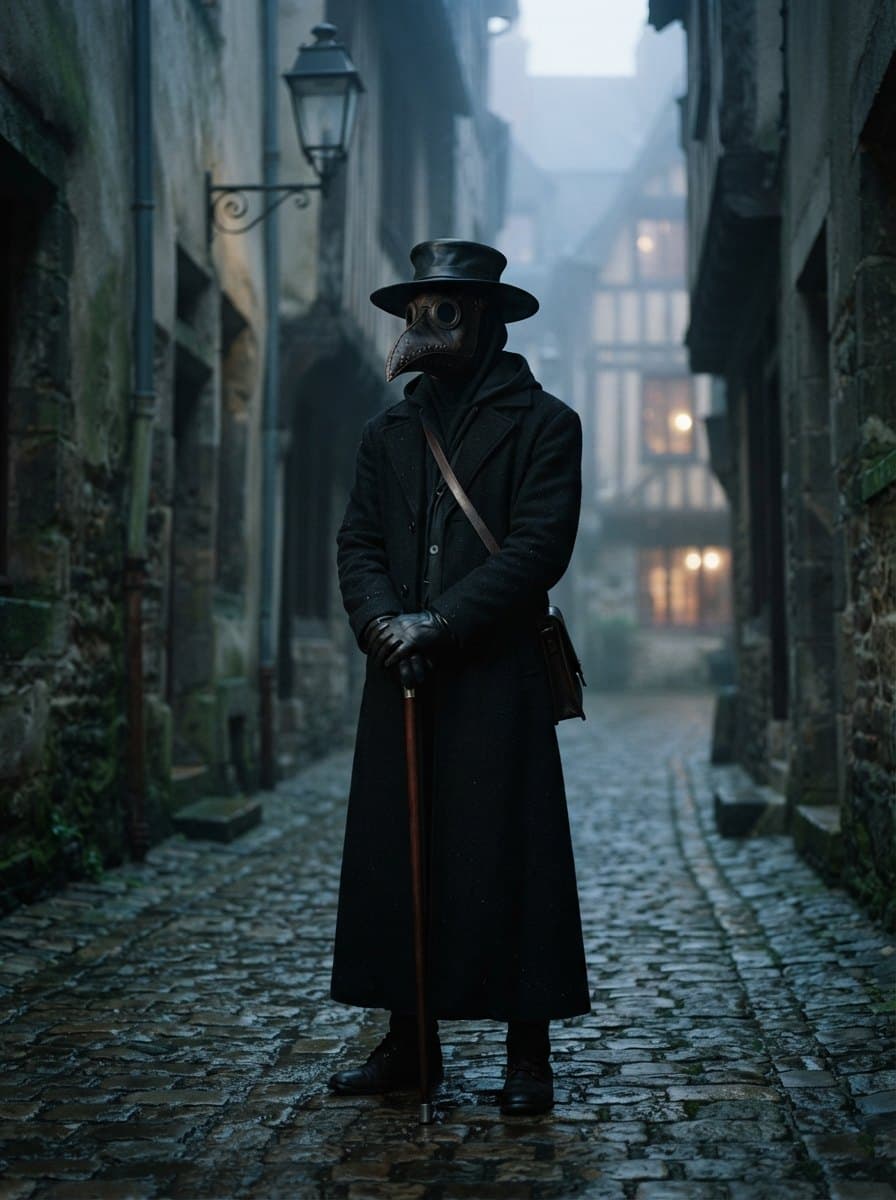
Plague Doctor Costume
Bring the eerie, historical look of the beak doctor to life.
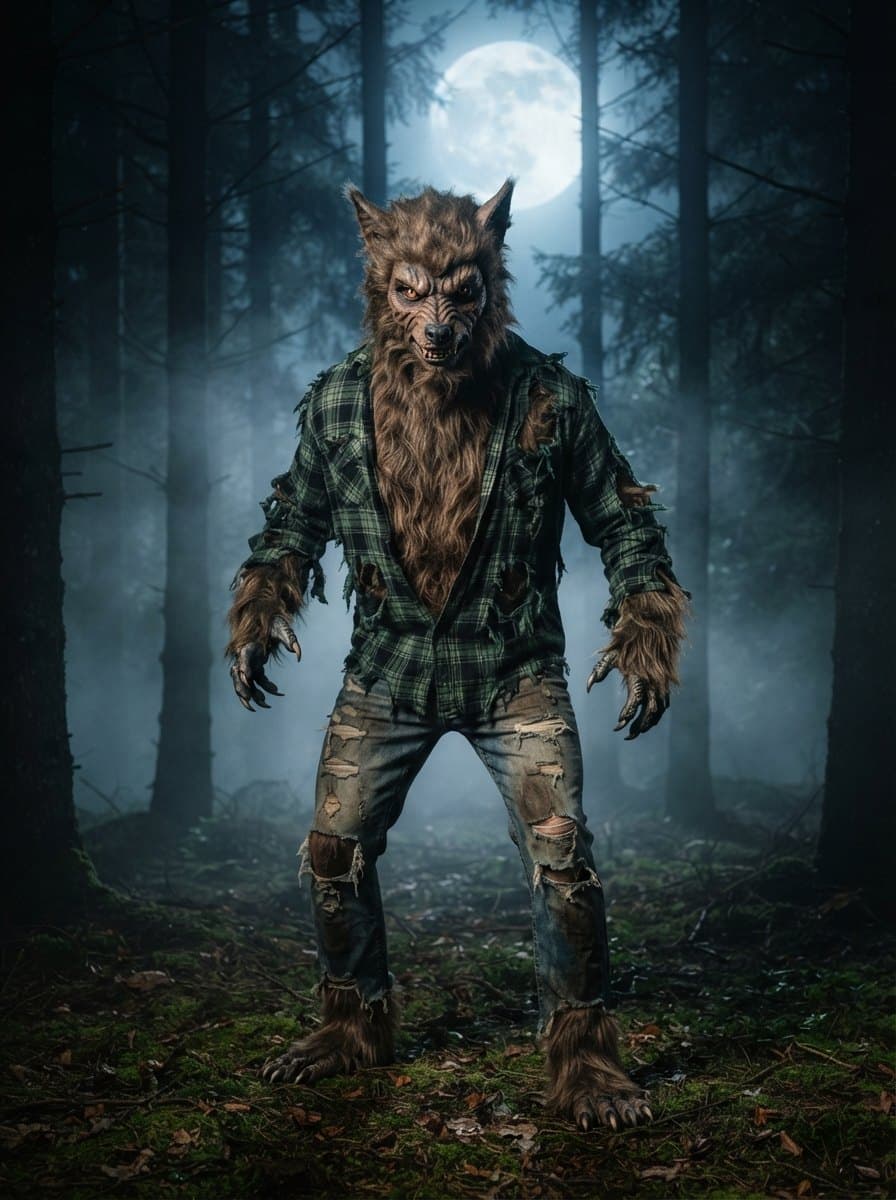
Werewolf Costume
Howl at the moon with a classic, shredded-flannel beast look.

Wolfman Costume
Unleash the classic Universal Monster within when the autumn moon is bright.

Grim Reaper Costume
Bring the ultimate symbol of mortality to life this Halloween.
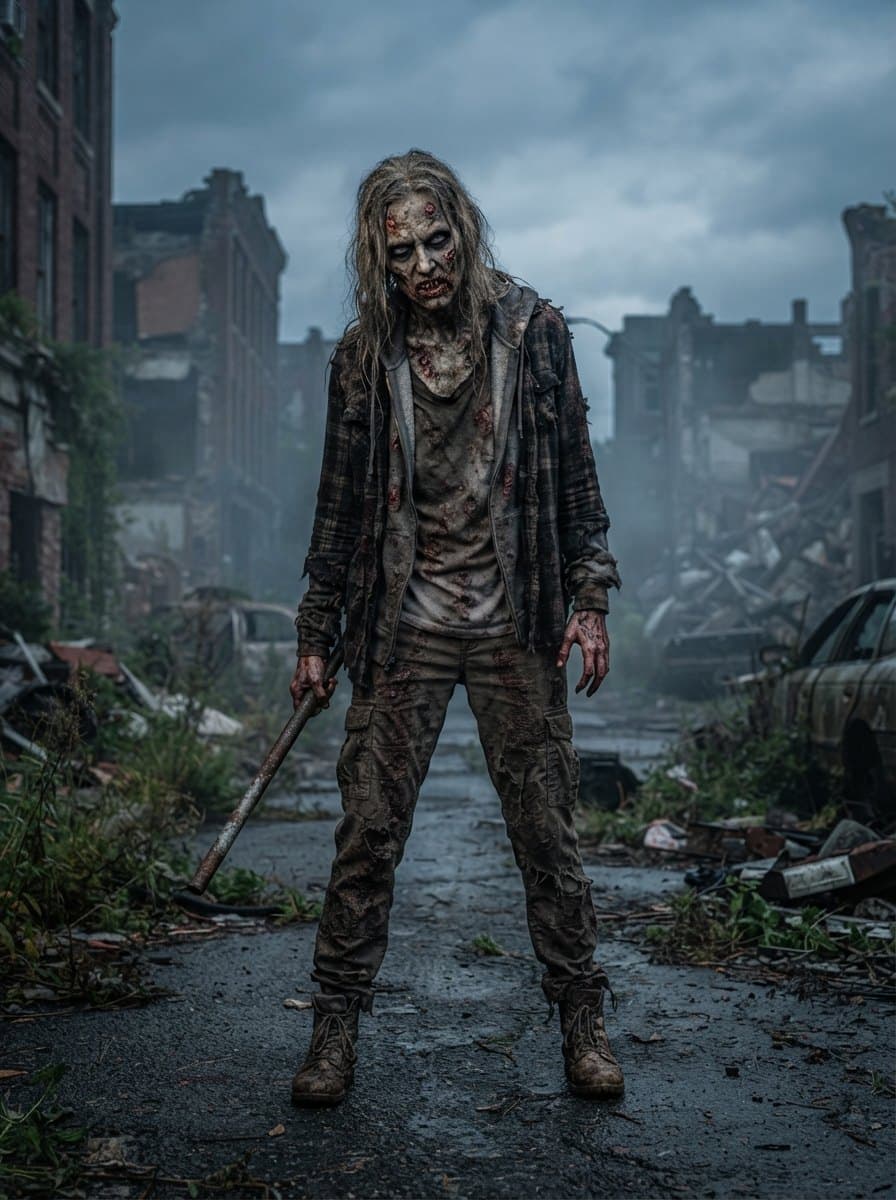
Zombie Costume
Bring the undead to life with distressed clothes and gory makeup.
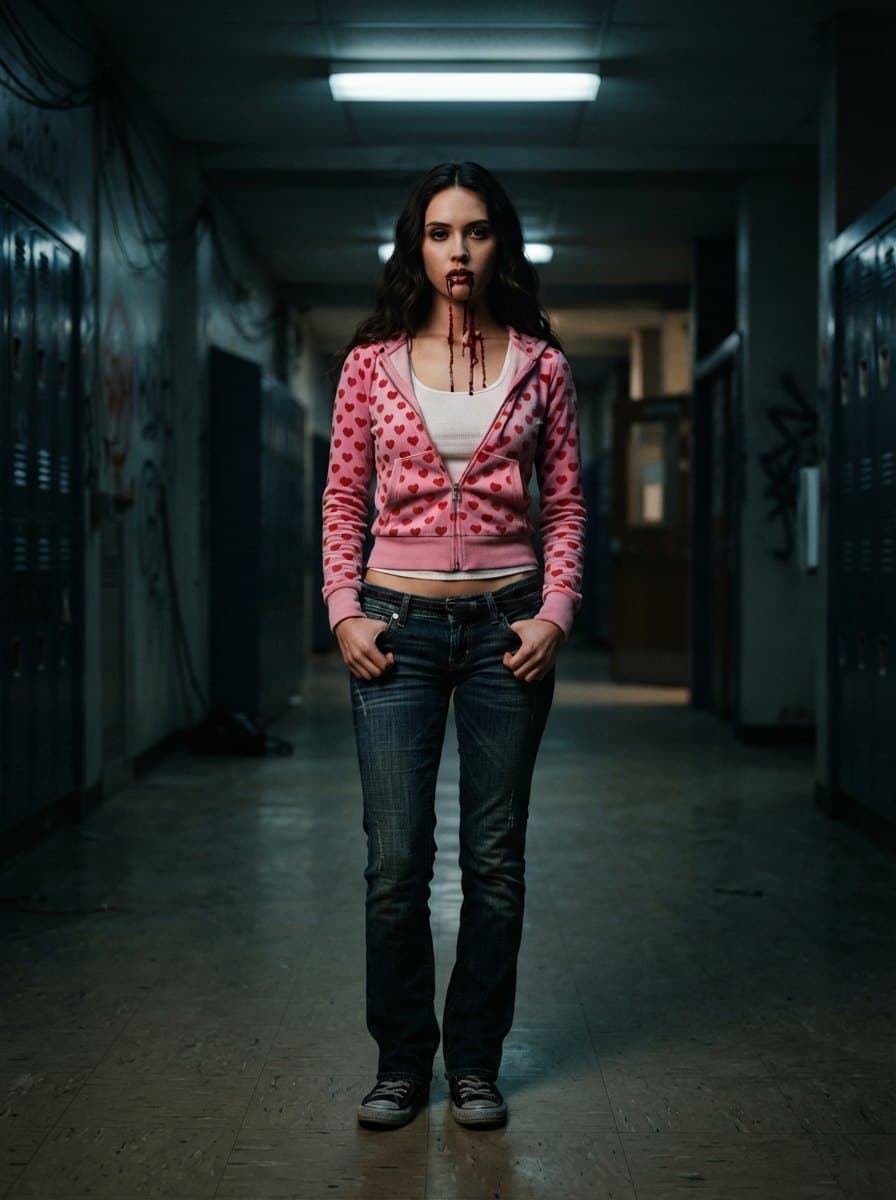
Jennifer Check Costume
Channel horror's favorite Y2K queen with this killer pink heart look.

Slimer Costume
Unleash your inner green ghost and get ready to slime everyone.
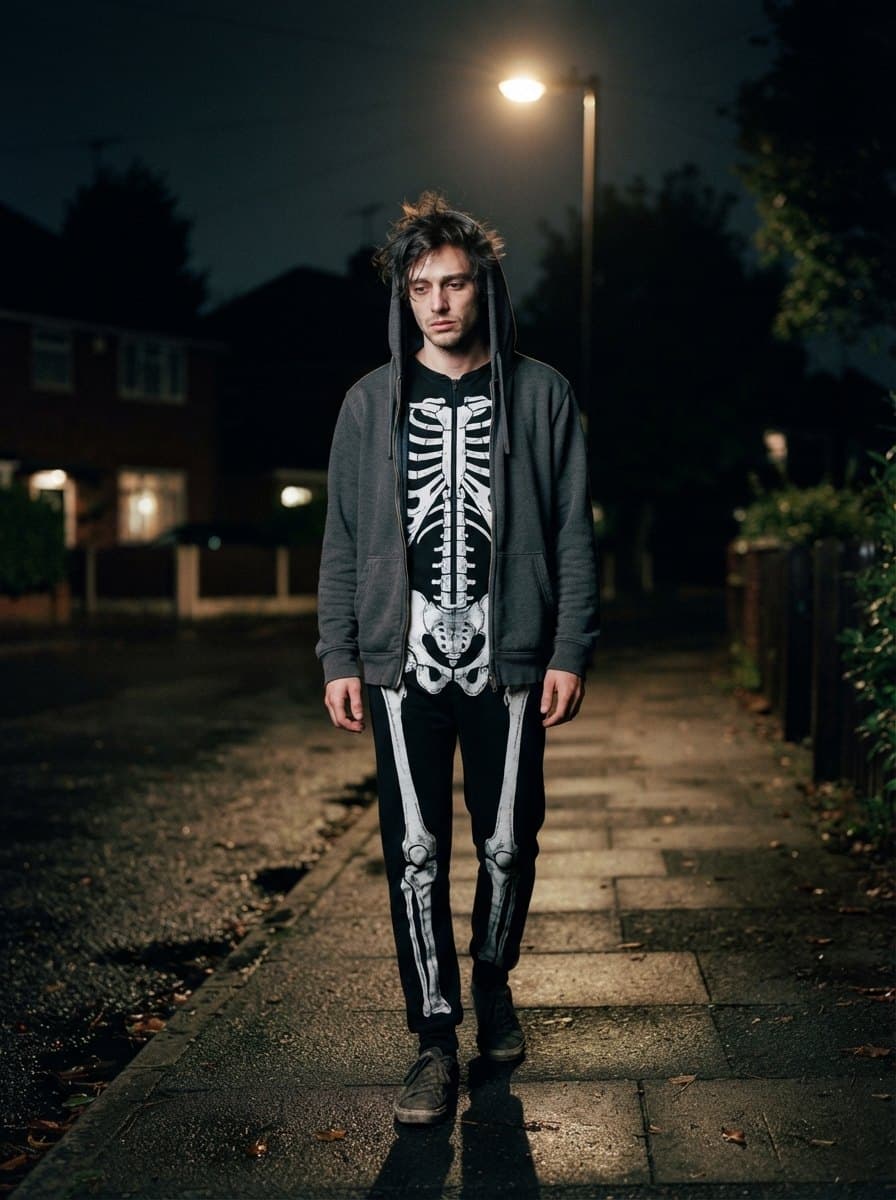
Donnie Darko Costume
Embrace the countdown with Donnie's iconic Halloween skeleton look.

Demon Hunter Costume
Track down the shadows in a sleek, battle-ready dark fantasy look.
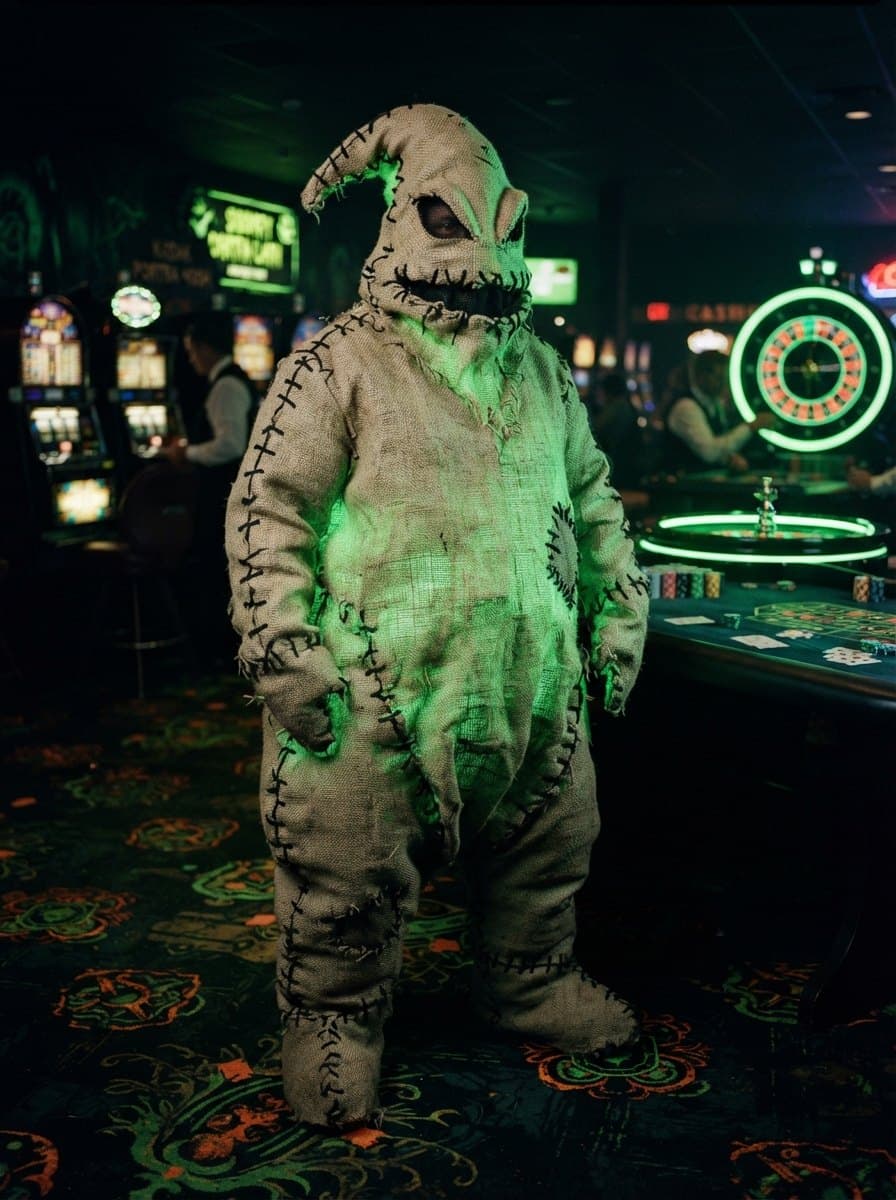
Oogie Boogie Costume
Bring the creepy, bug-filled boogeyman of Halloween Town to life.
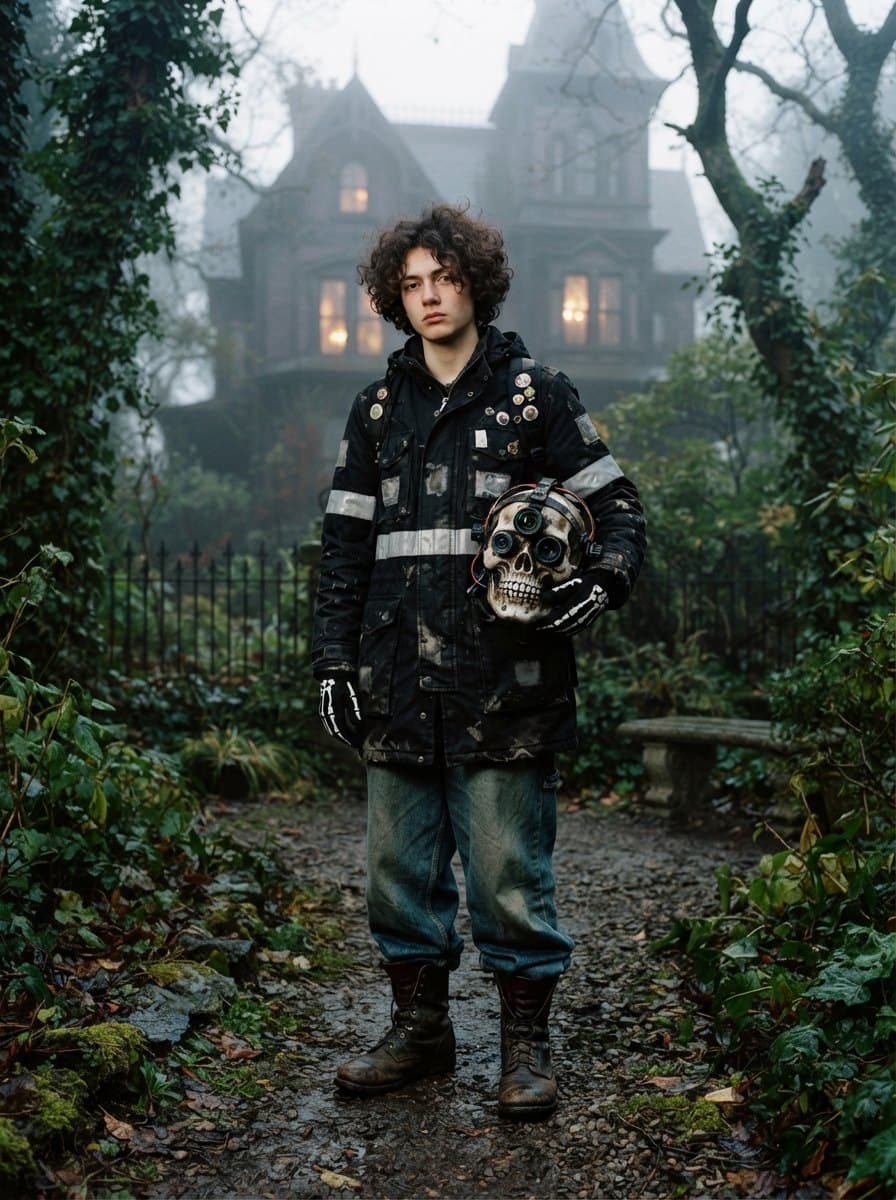
Wybie Lovat Costume
Bring Coraline's quirky, adventurous best friend to life with ease.
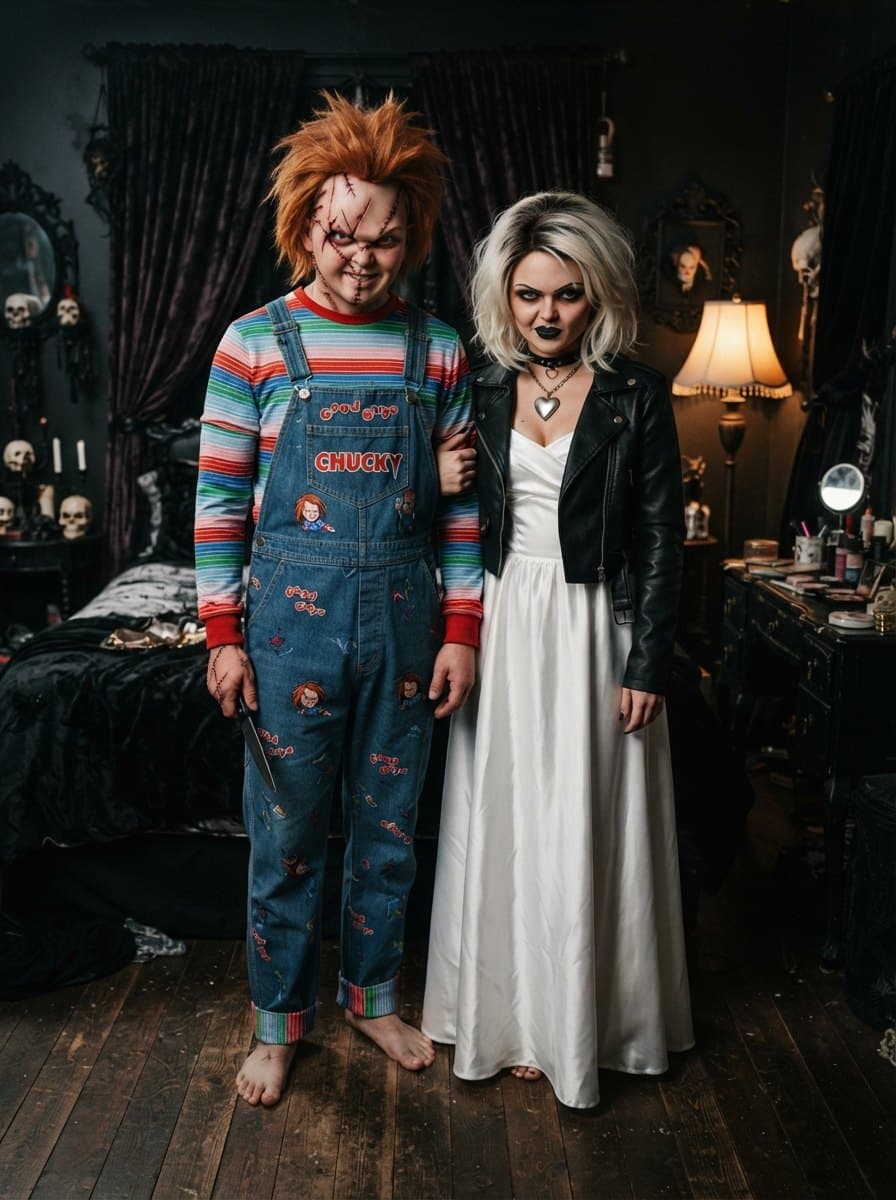
Chucky and Bride of Chucky Costume
Slash in style with horror's most chaotic and iconic power couple.
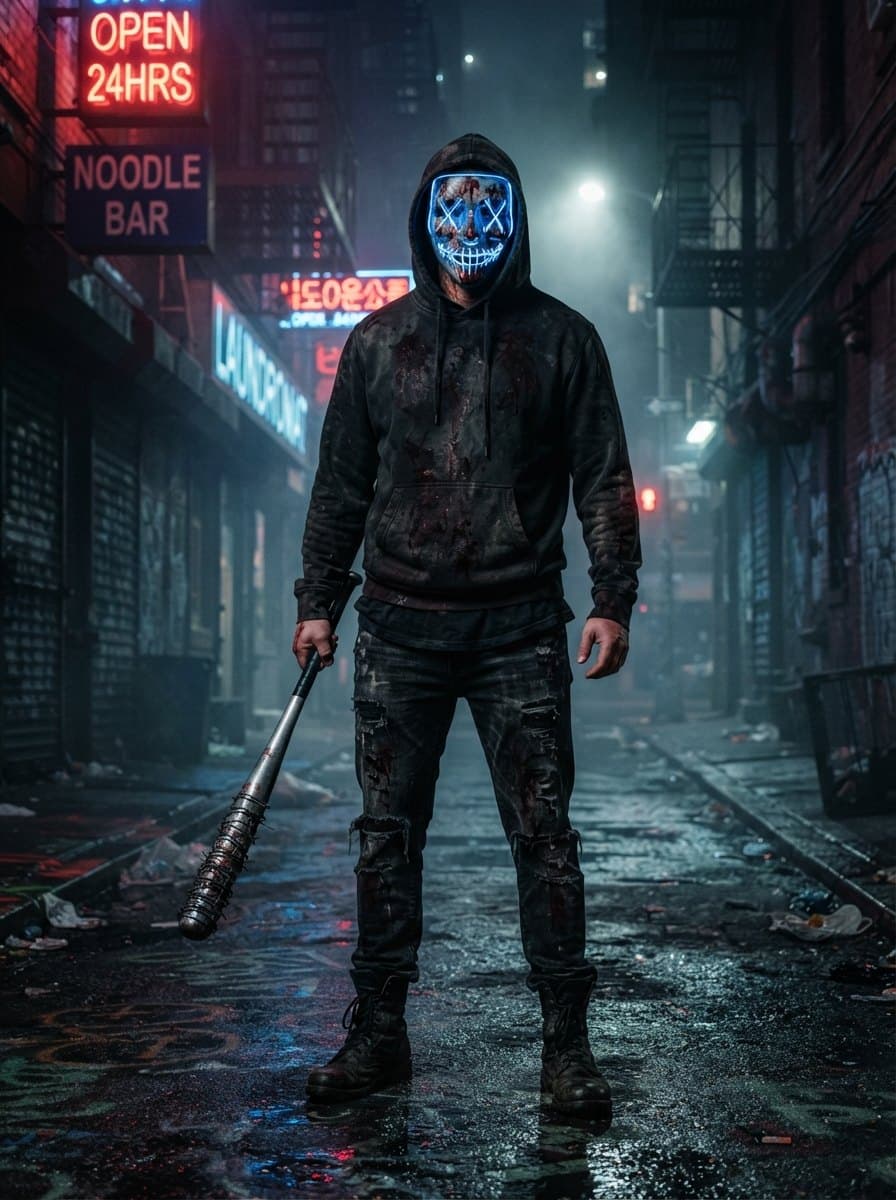
The Purge Costume
Unleash chaos with a glowing mask and blood-splattered street clothes.
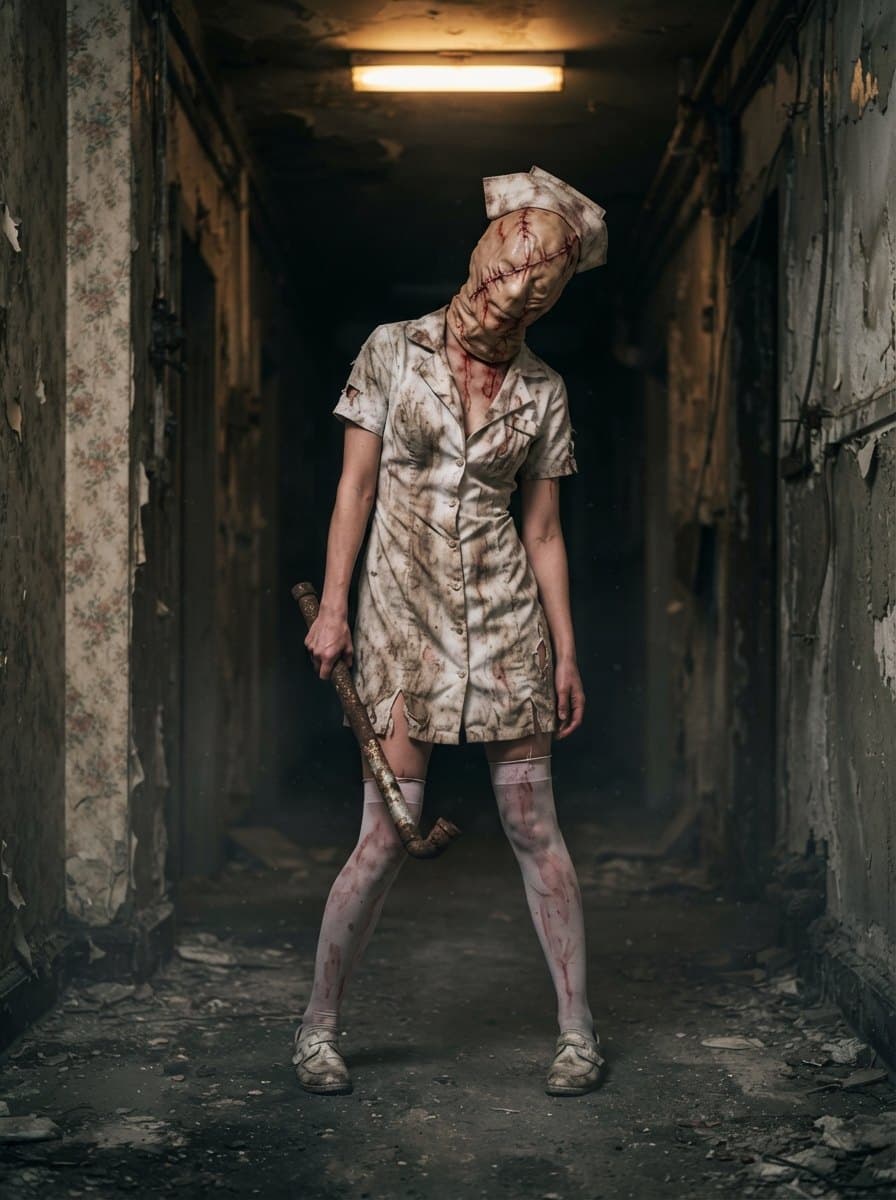
Silent Hill Nurse Costume
Bring the terrifying, distressed look of the Otherworld to life.
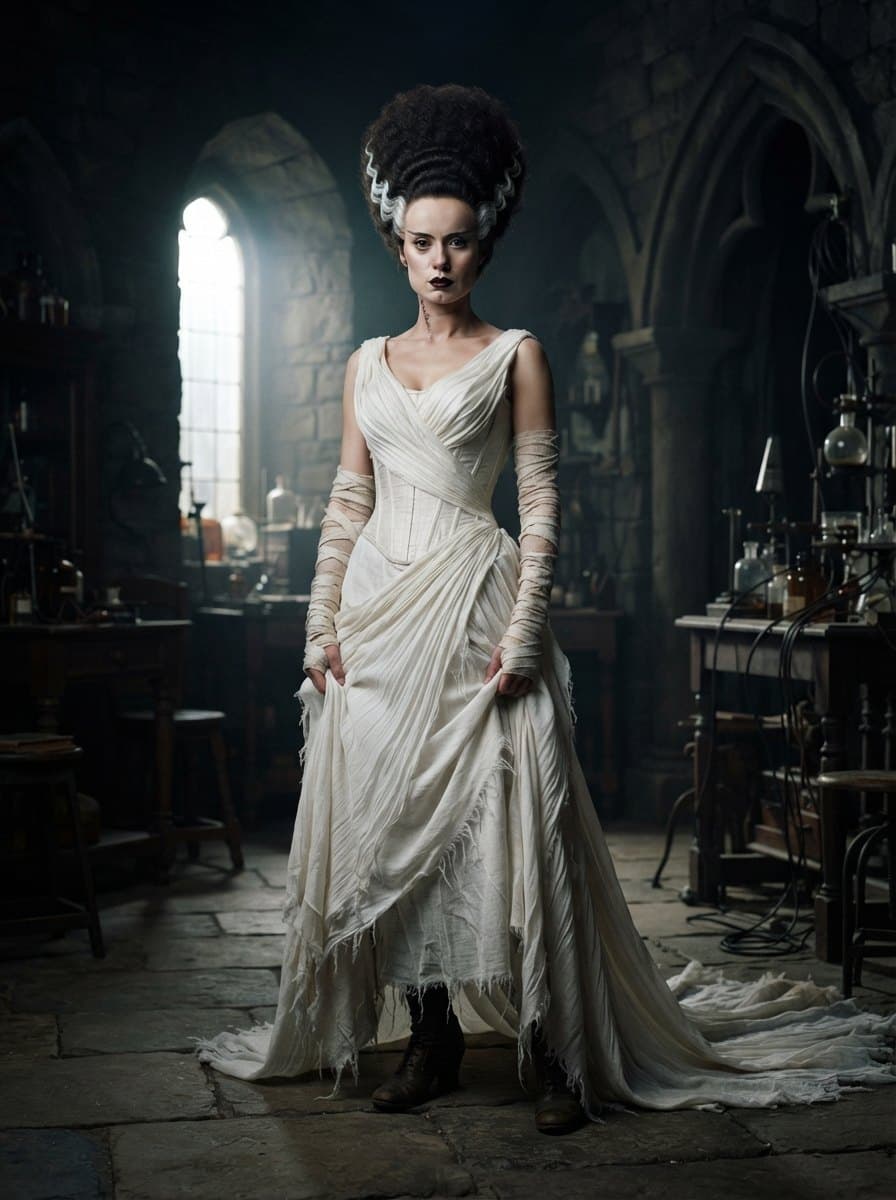
Bride of Frankenstein Costume
Bring classic horror to life with an iconic, electrifying gothic look.
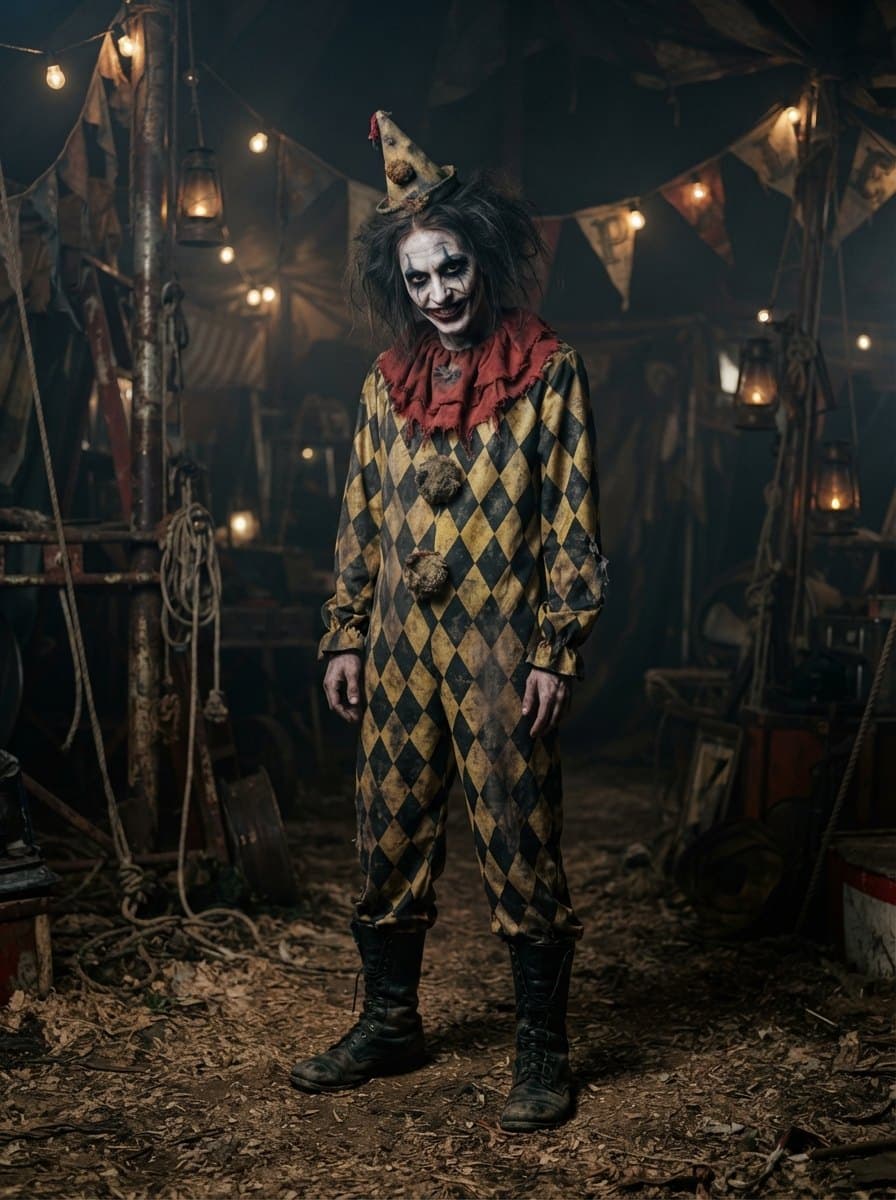
Creepy Clown Costume
Turn a classic childhood entertainer into everyone's worst nightmare.
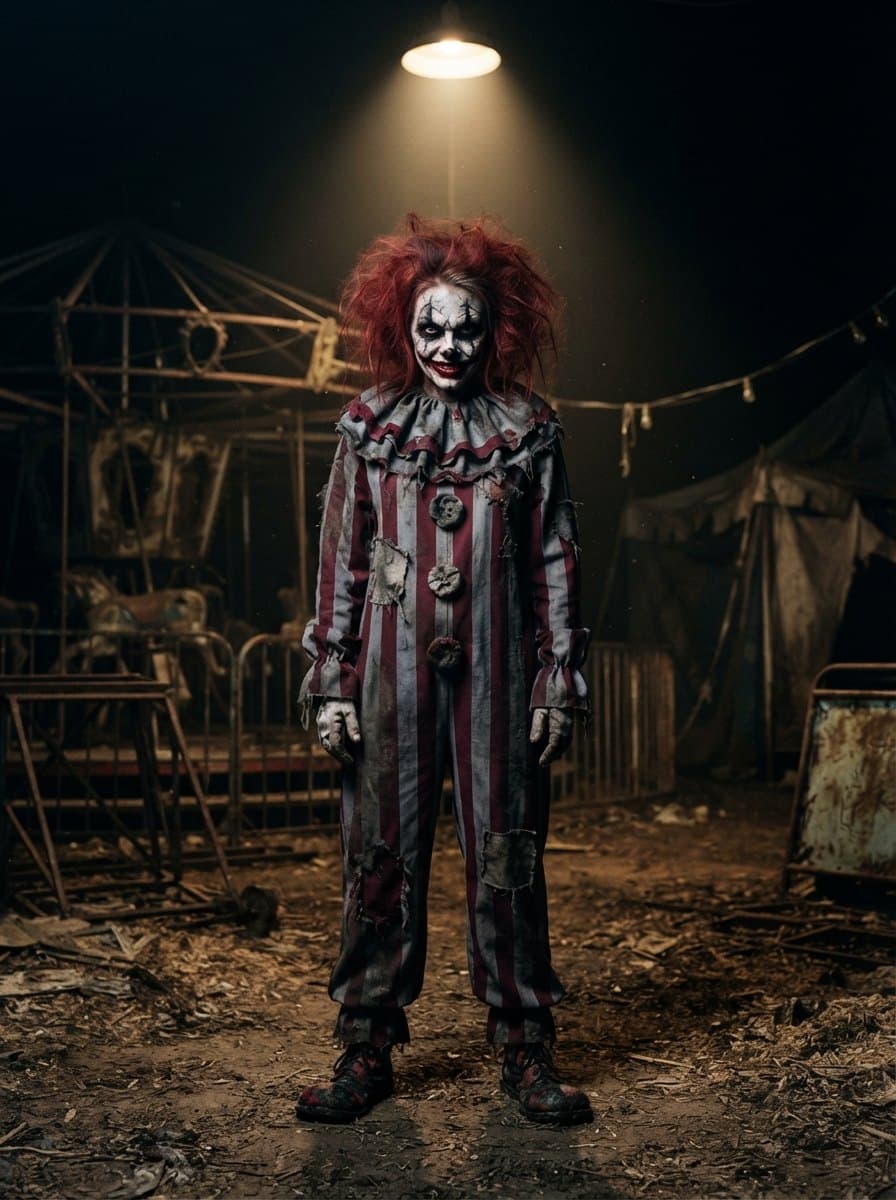
Scary Clown Costume
Turn a classic circus entertainer into everyone's worst nightmare.
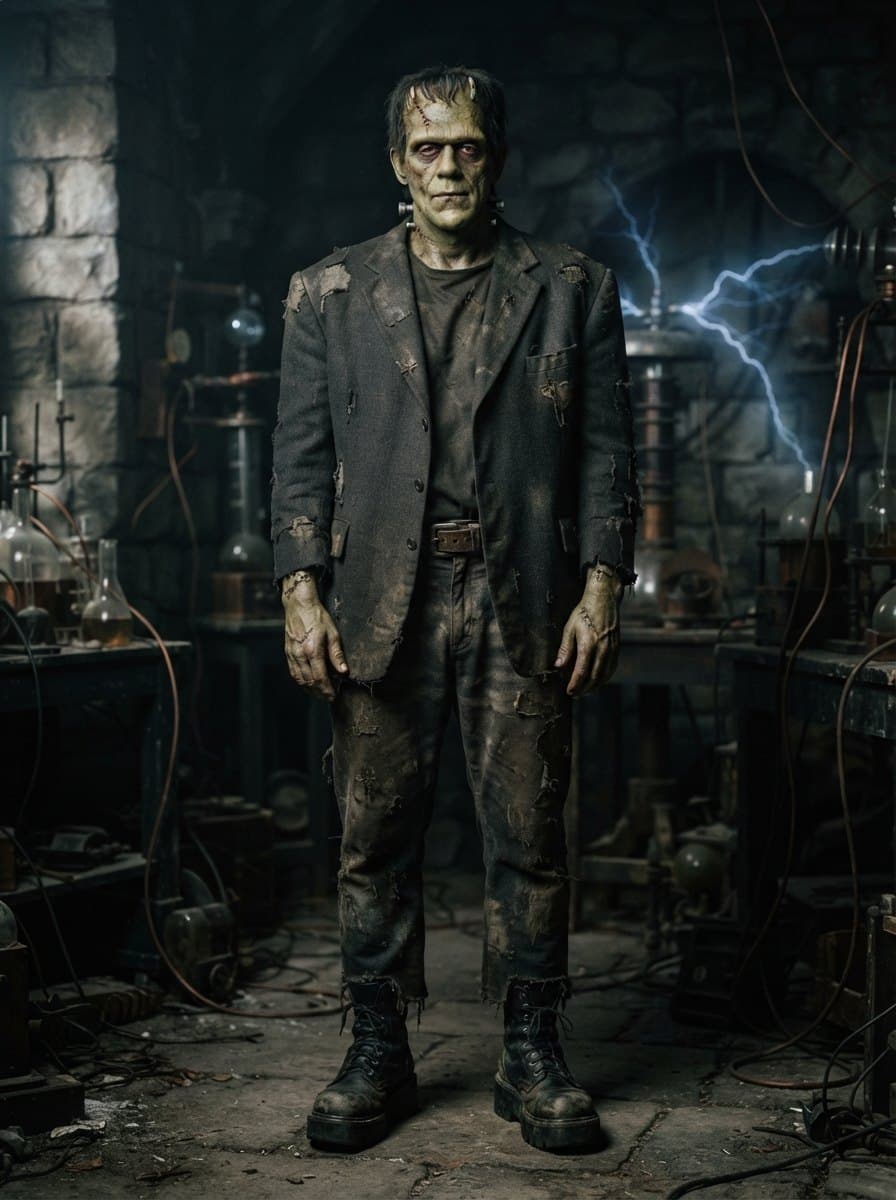
Frankenstein Costume
Bring the classic Universal Monster to life with bolts and stitches.
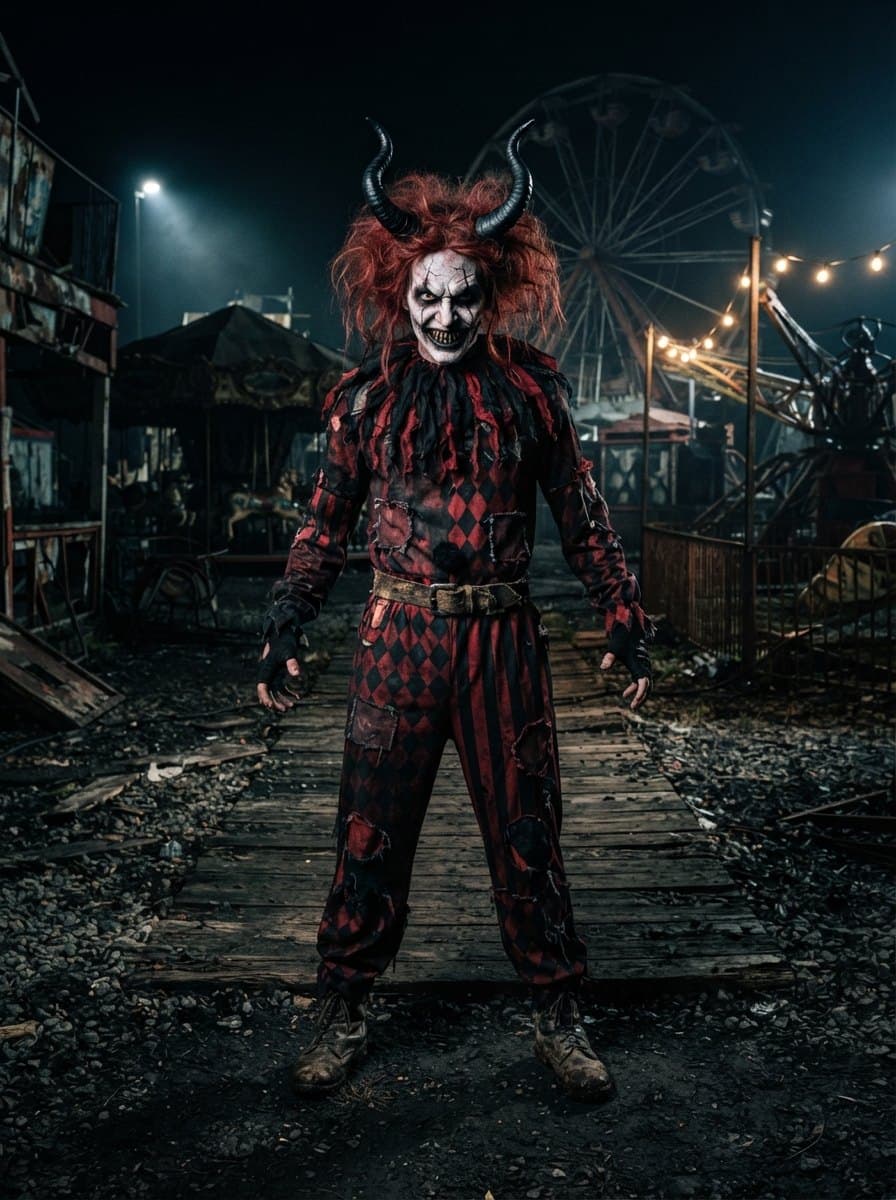
Demon Clown Costume
Unleash a circus of nightmares with this sinister demonic clown look.
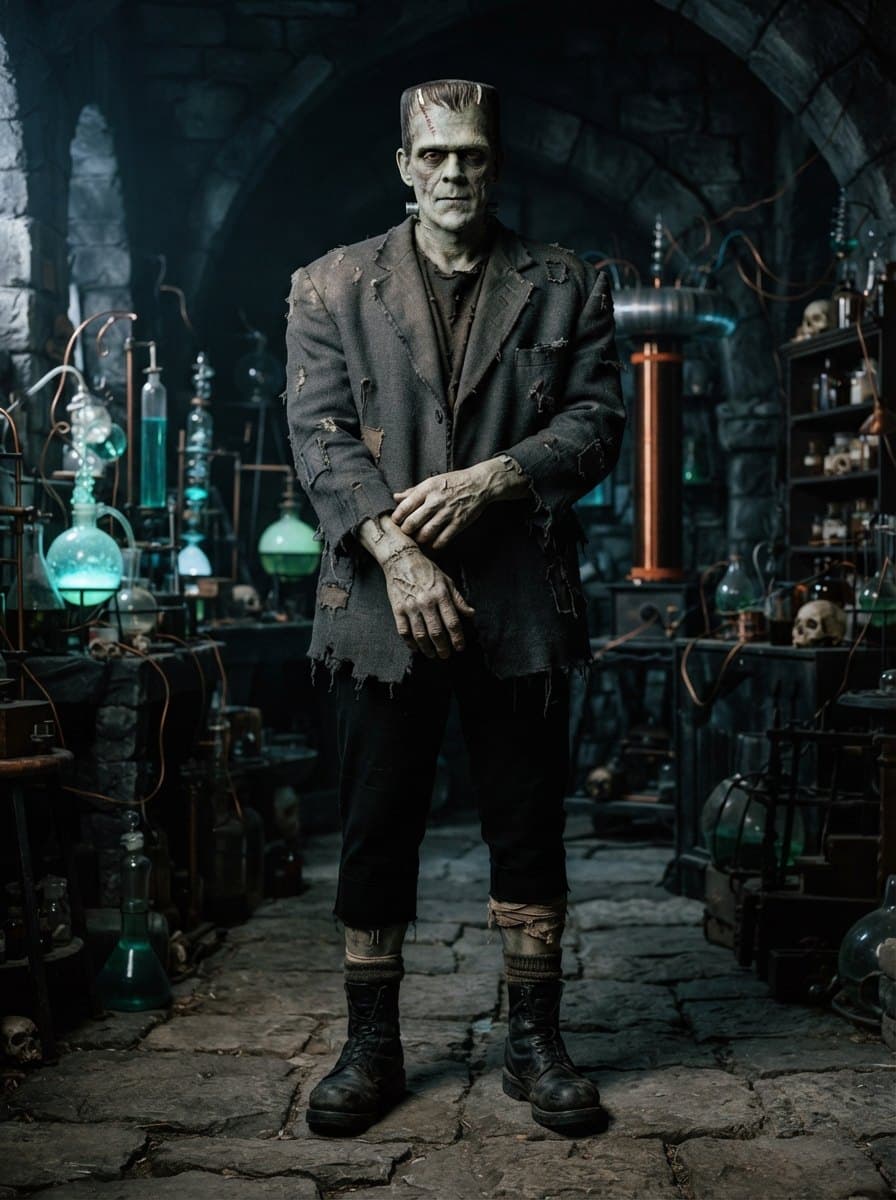
Frankenstein's Monster Costume
Bring the legendary Universal Monster to life with this classic look.
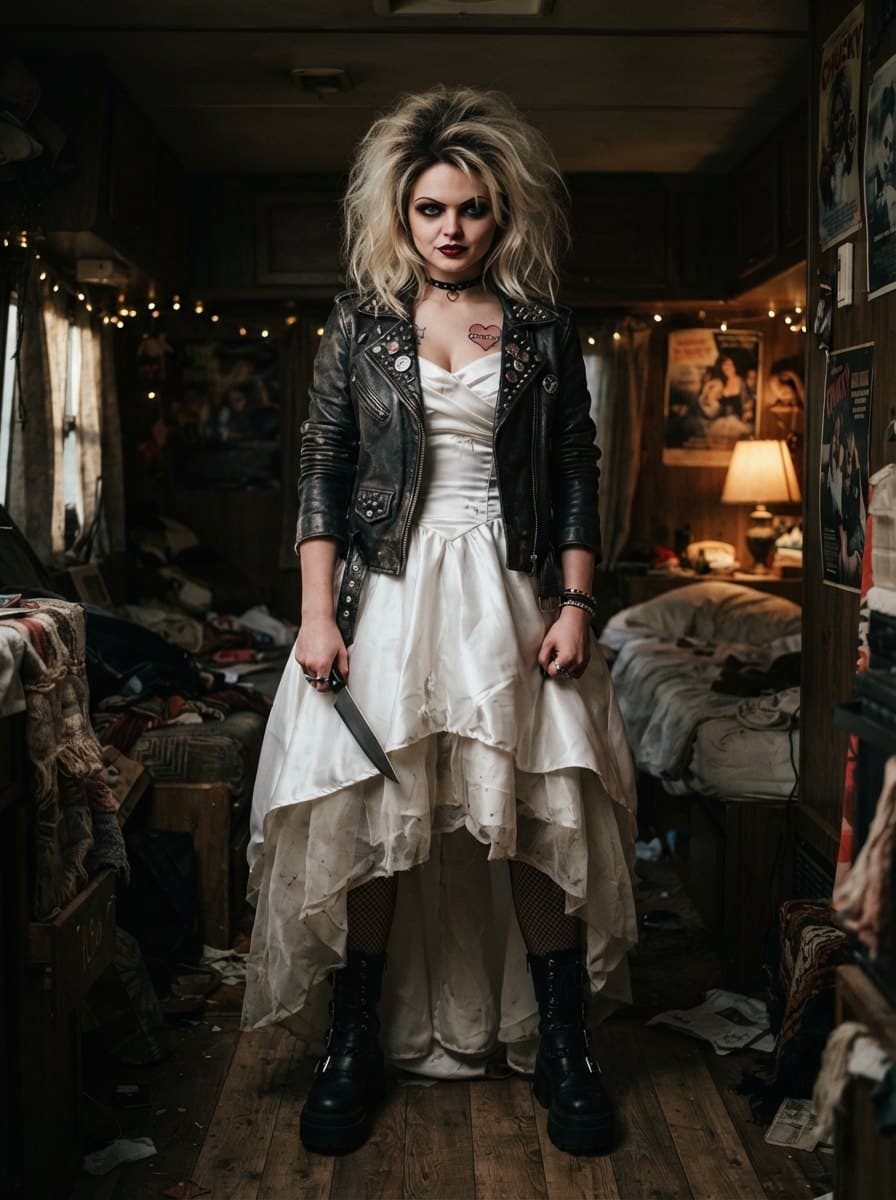
Tiffany Valentine Costume
Channel horror's most stylish killer bride with a perfect goth-glam look.
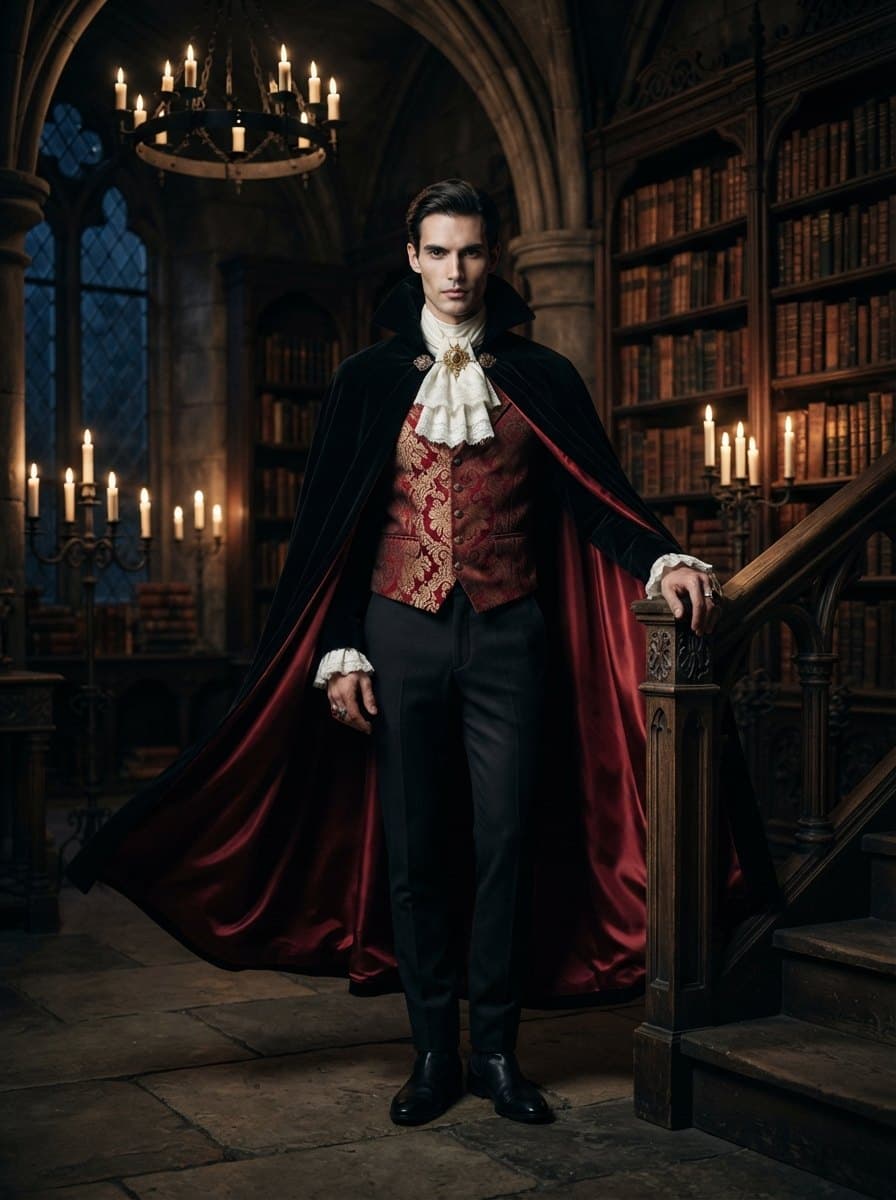
Male Vampire Costume
Embody timeless gothic elegance as a sophisticated, bloodthirsty creature of the night.
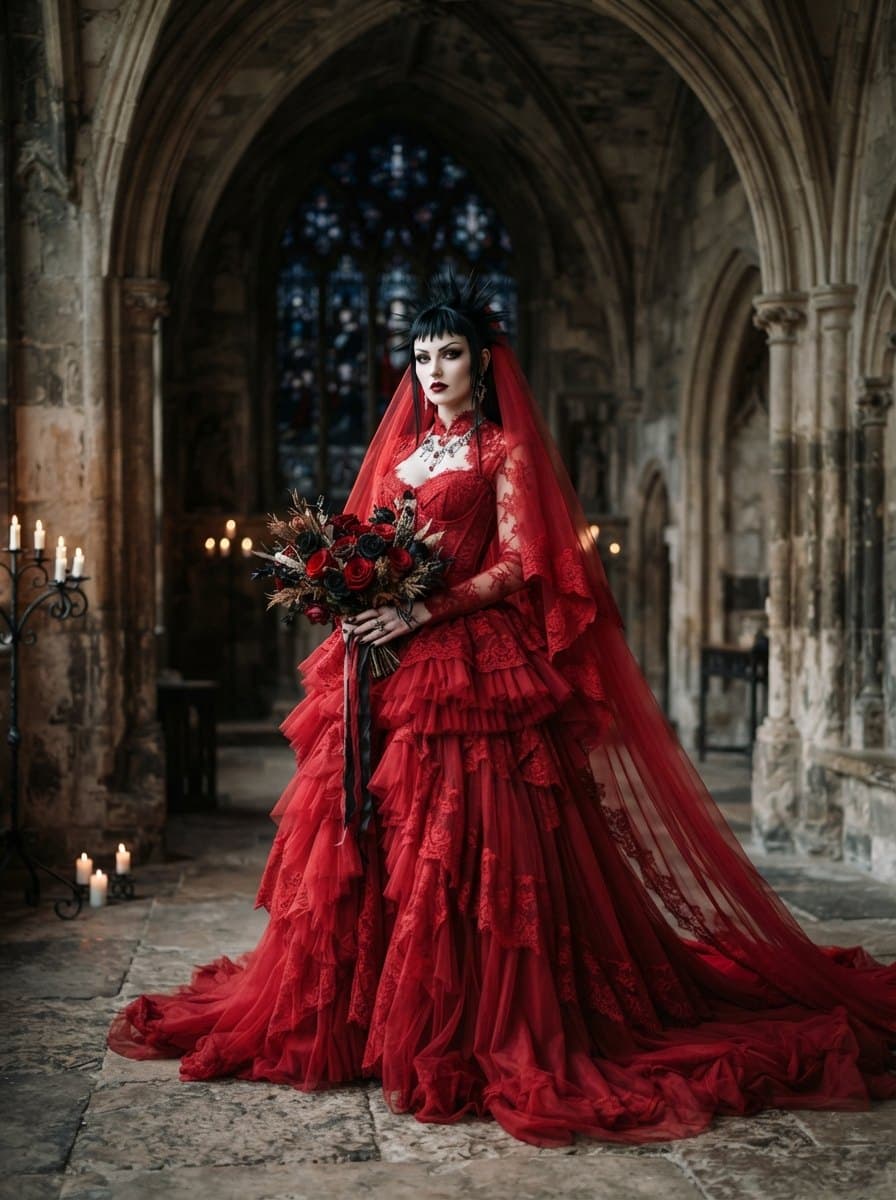
Lydia Deetz Costume
Channel your inner strange and unusual with Lydia's iconic red wedding gown.
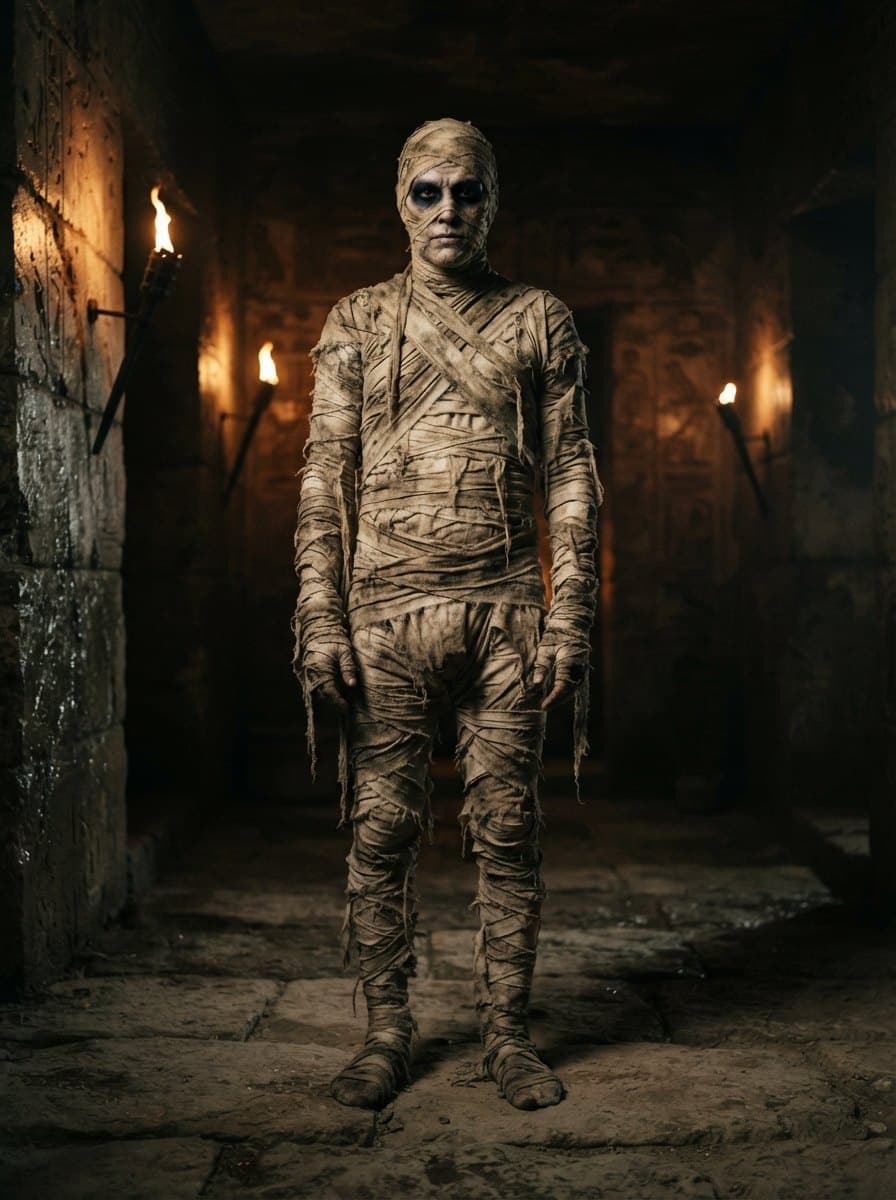
Mummy Costume
Unearth a classic Halloween look with distressed, tea-stained mummy wraps.
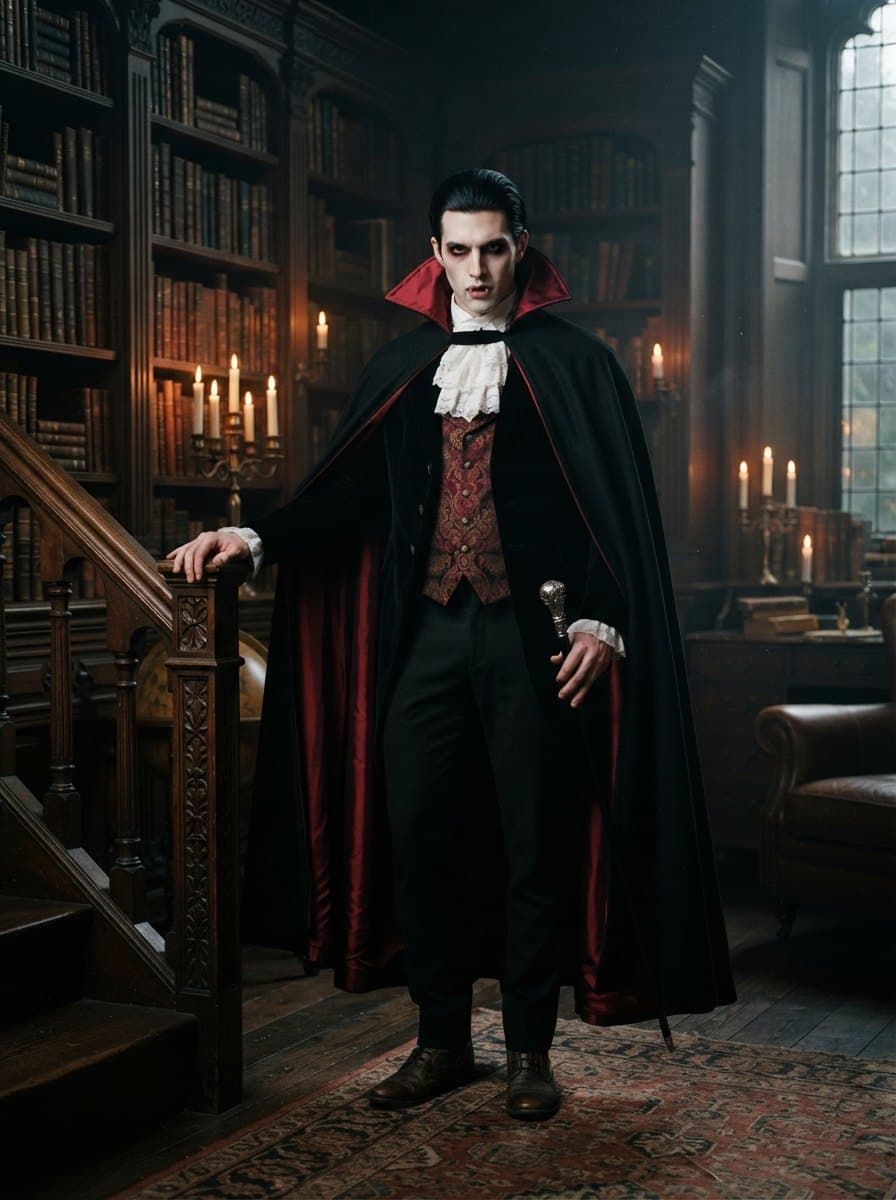
Men's Vampire Costume
Exude timeless gothic elegance with a classic, sophisticated vampire look.
What you need for a Realistic Costumes costume
Heavyweight Base Garments
Thick, natural fabrics like cotton canvas, denim, leather, or wool that drape naturally and hold shape.
DIY: Thrift real vintage clothing items instead of buying cheap polyester costume packs.
Weathering Paints and Powders
Acrylic paints, fabric dyes, or specialized weathering powders to simulate dirt, grease, and wear.
DIY: Use watered-down black tea, coffee, or real potting soil to stain and age fabrics.
Professional SFX Makeup
Alcohol-activated paint palettes, liquid latex, or high-quality silicone prosthetics for realistic skin details.
DIY: Create simple, realistic scars using tissue paper, eyelash glue, and standard foundation.
High-Fidelity Props
Sturdy props made of resin, wood, or high-density foam finished with realistic metallic or matte paints.
DIY: Craft props from high-density EVA foam, sanding the edges smooth and sealing before painting.
Lace-Front Wig
A high-quality synthetic or human hair wig with a sheer lace front for an undetectable, natural hairline.
DIY: Style your natural hair using professional matte pomade, hairspray, or temporary color spray.
How to put it together
- 1
Research reference photos of your character from multiple angles to identify fabric textures, colors, and wear patterns.
- 2
Select high-quality base garments made of realistic materials like cotton, leather, or denim rather than thin synthetics.
- 3
Weather the clothing by sanding edges, fraying hems, and applying watered-down acrylic paints to simulate dirt and age.
- 4
Apply professional-grade SFX makeup or high-quality prosthetics, blending the edges seamlessly into your skin with makeup.
- 5
Style a high-quality lace-front wig or your natural hair to match the character's exact texture and style.
- 6
Equip realistic, weighted props finished with metallic or matte paints to avoid a lightweight, plastic look.
Makeup & hair
Use alcohol-activated makeup palettes for long-lasting, realistic skin details like dirt, bruises, or veins. For hair, opt for a lace-front wig secured with spirit gum or style your natural hair with professional matte clay for a realistic, lived-in texture.
Tips
- Focus on weight: use real metal, wood, or dense foam for props so they hang and move naturally on your body.
- Break in your costume by wearing it around the house to create natural creases, folds, and fit.
- Use matte setting sprays to eliminate unnatural shine on plastic, vinyl, or synthetic components.
Realistic Costumes costume FAQ
- How do I make a cheap costume look realistic?
- Weather the fabric using sandpaper, wire brushes, and watered-down acrylic paint to add depth, dirt, and wear.
- What materials are best for realistic props?
- High-density EVA foam, 3D-printed PLA finished with filler primer, and cast resin offer the most realistic, paintable surfaces.
- How do I hide costume seams and zippers?
- Incorporate fabric folds, belts, armor straps, or matching fabric flaps to cover modern zippers on historical or sci-fi outfits.
Did you know? The film industry often uses a process called 'breakdown' where costumers deliberately destroy, wash, and dye brand-new clothes to make them look realistically lived-in.