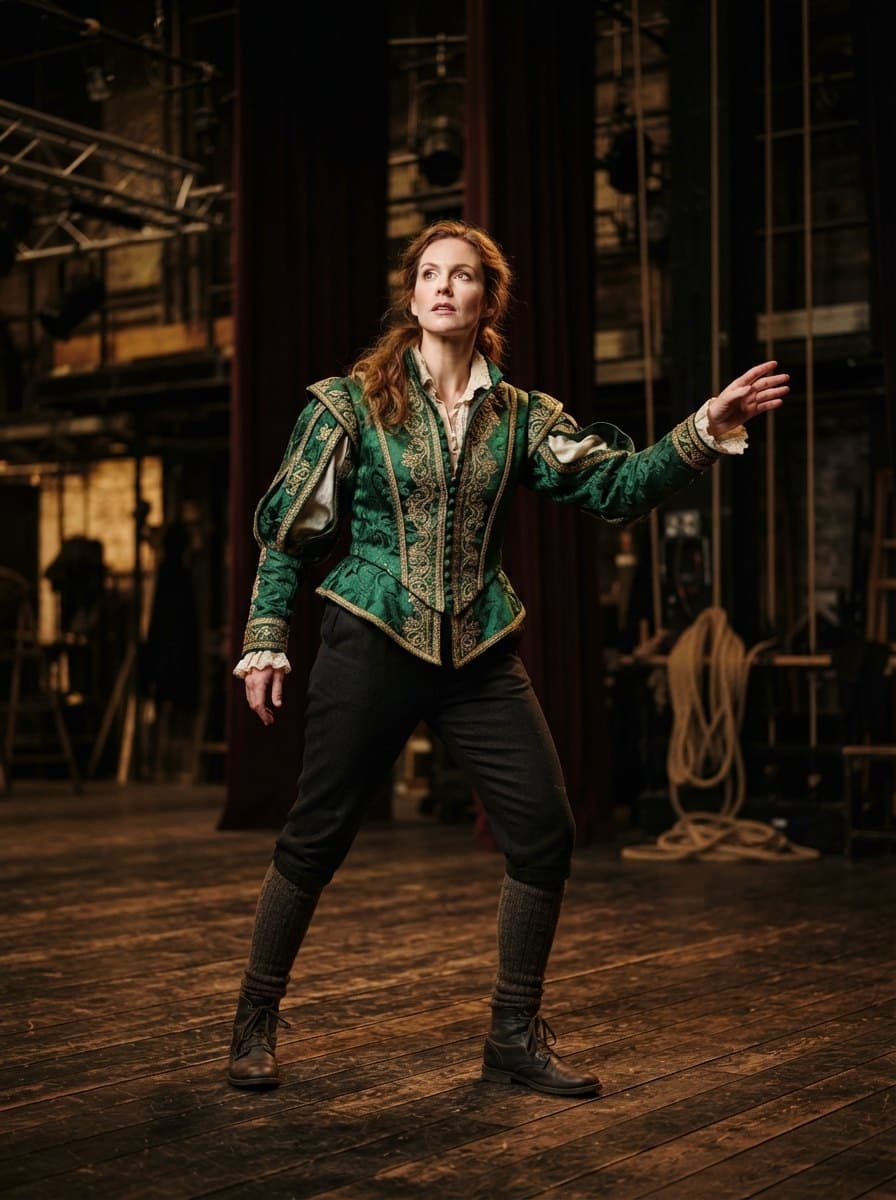
Theatrical Costumes
Command the stage with authentic, durable, and dramatic theatrical costume designs.
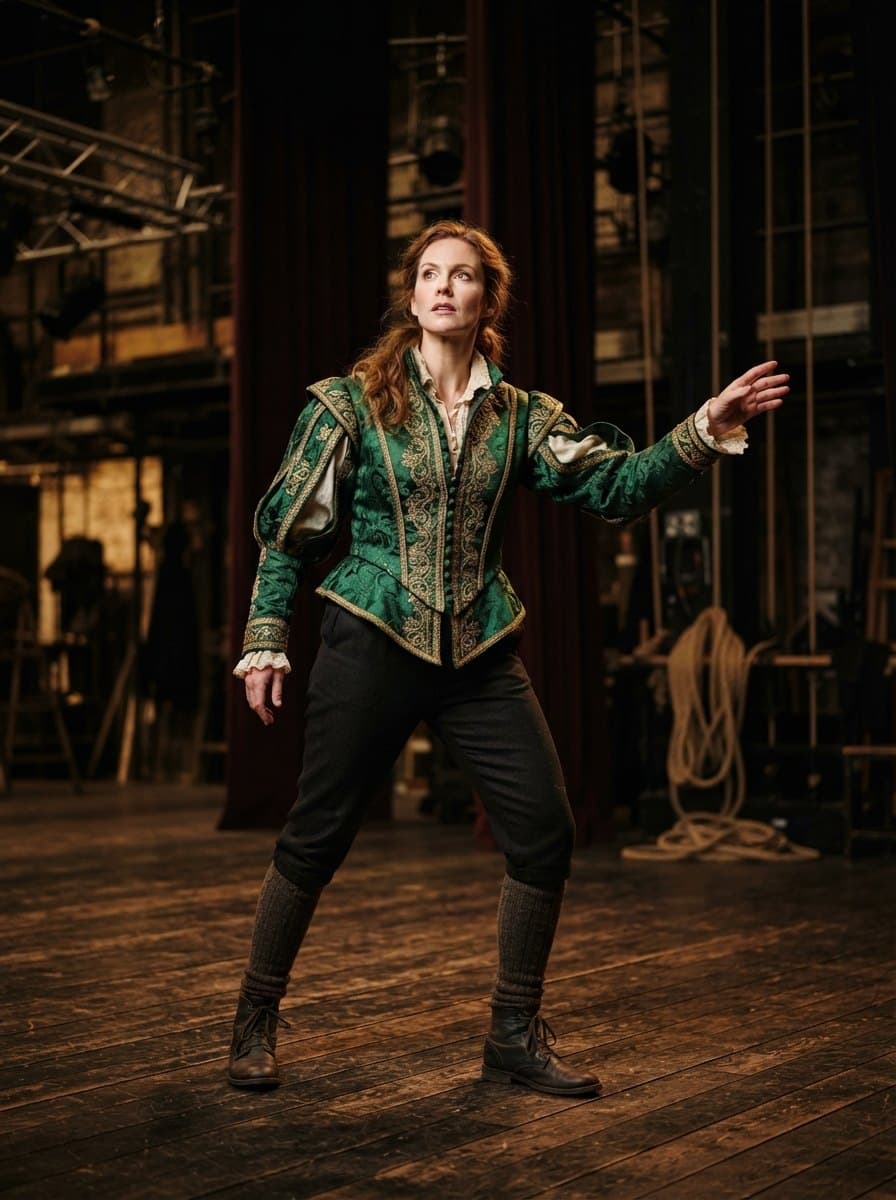
Theatrical costumes are high-quality, expressive garments designed to convey a character's personality, era, and status clearly from a distance. Whether you are preparing for a stage production, a historical reenactment, or a high-end masquerade, a theatrical look relies on rich textures, exaggerated silhouettes, and durable construction. This guide helps you select, style, and assemble professional-grade stage attire that stands out under the lights.
- Difficulty
- Medium
- Time
- ~45 min
- Budget
- $80–300
Try it on
See yourself as Theatrical Costumes
One clear photo of yourself; we render you in this costume — face untouched, full body, about 20 seconds.
One render, $1. No account needed — if it fails you're not charged. Pricing.
Your photo is sent to Google's Gemini API to make the render and isn't used for training. Renders are AI-generated and labelled.
Want a different costume on this photo, or a whole group in costume? Open the Try-On Studio.
40 Theatrical costume ideas
Ranked by how many people are searching for them this season. Open any one for the full guide and to try it on.
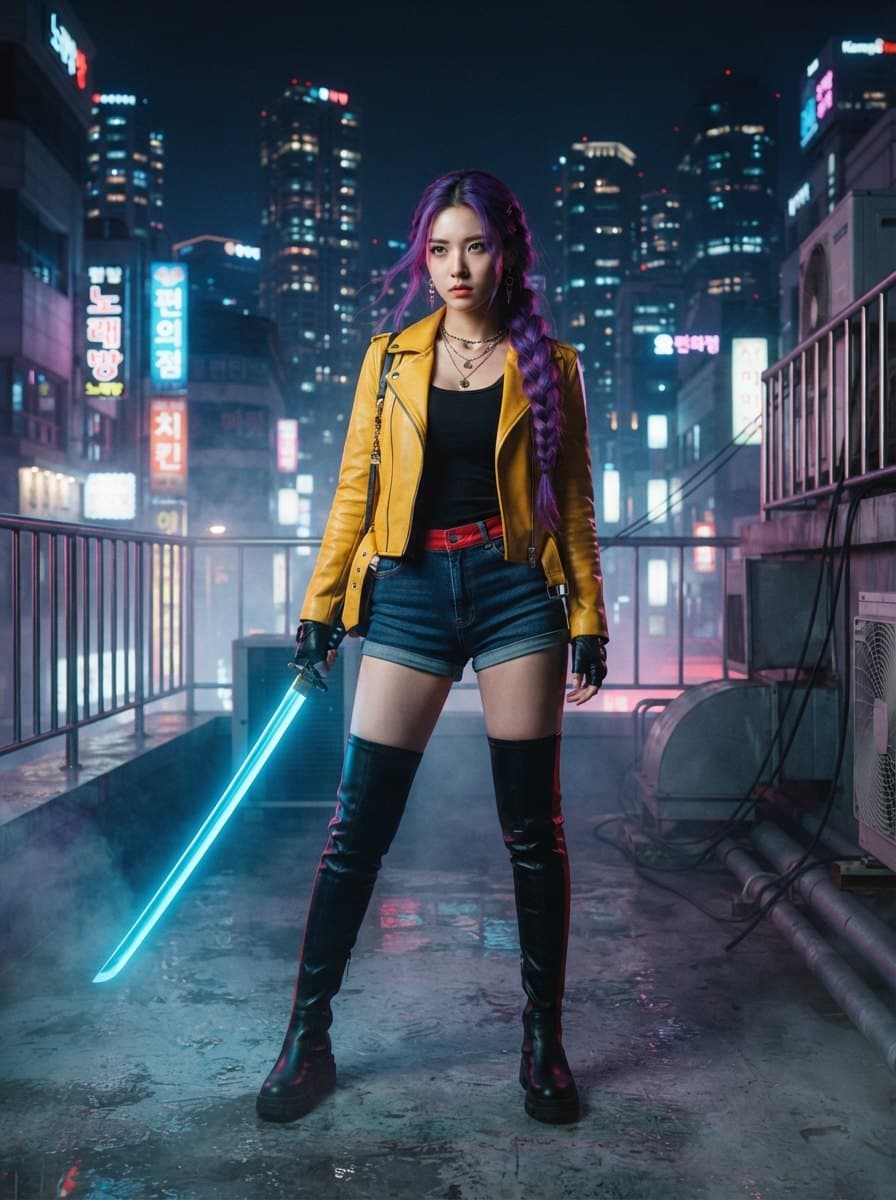
KPop Demon Hunters Costume
Unleash your inner pop star and demon hunter with Rumi's iconic look.
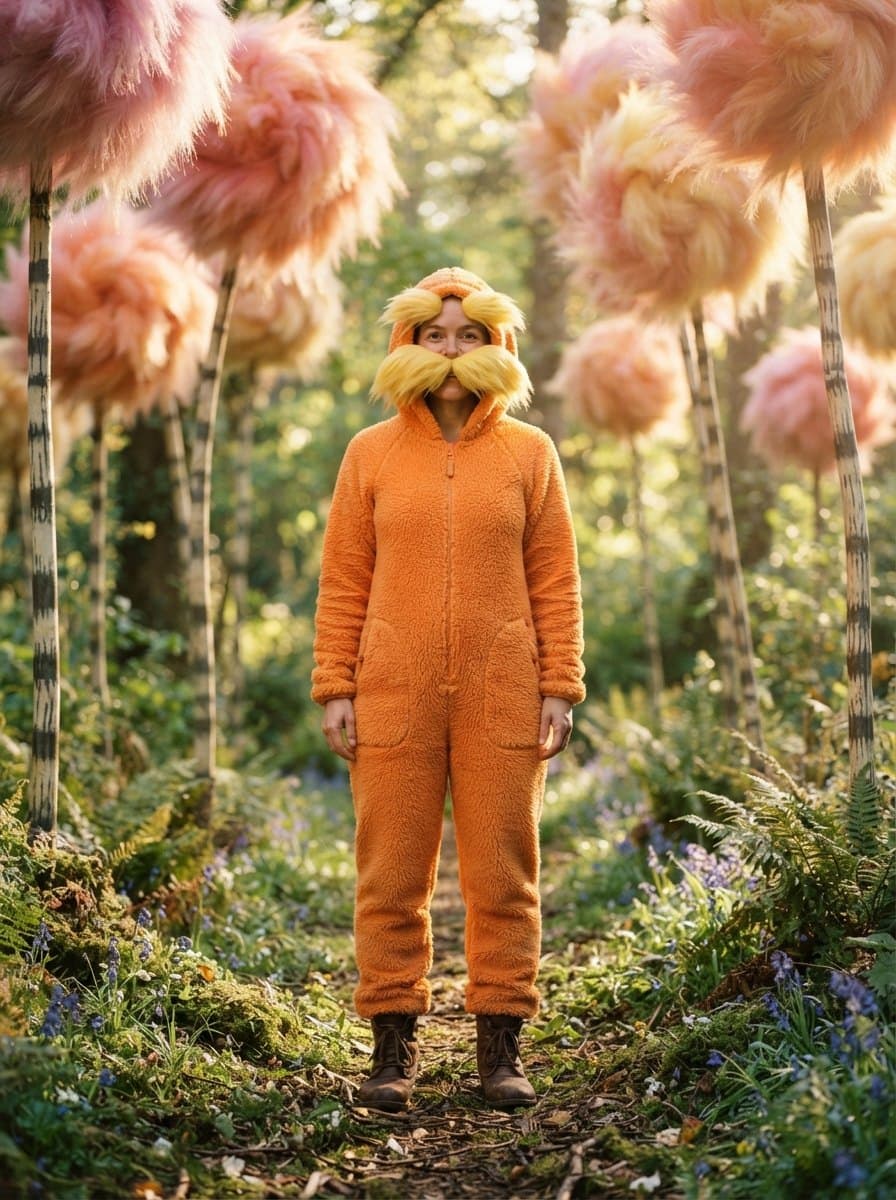
The Lorax Costume
Speak for the trees in this vibrant, cozy orange and yellow look.
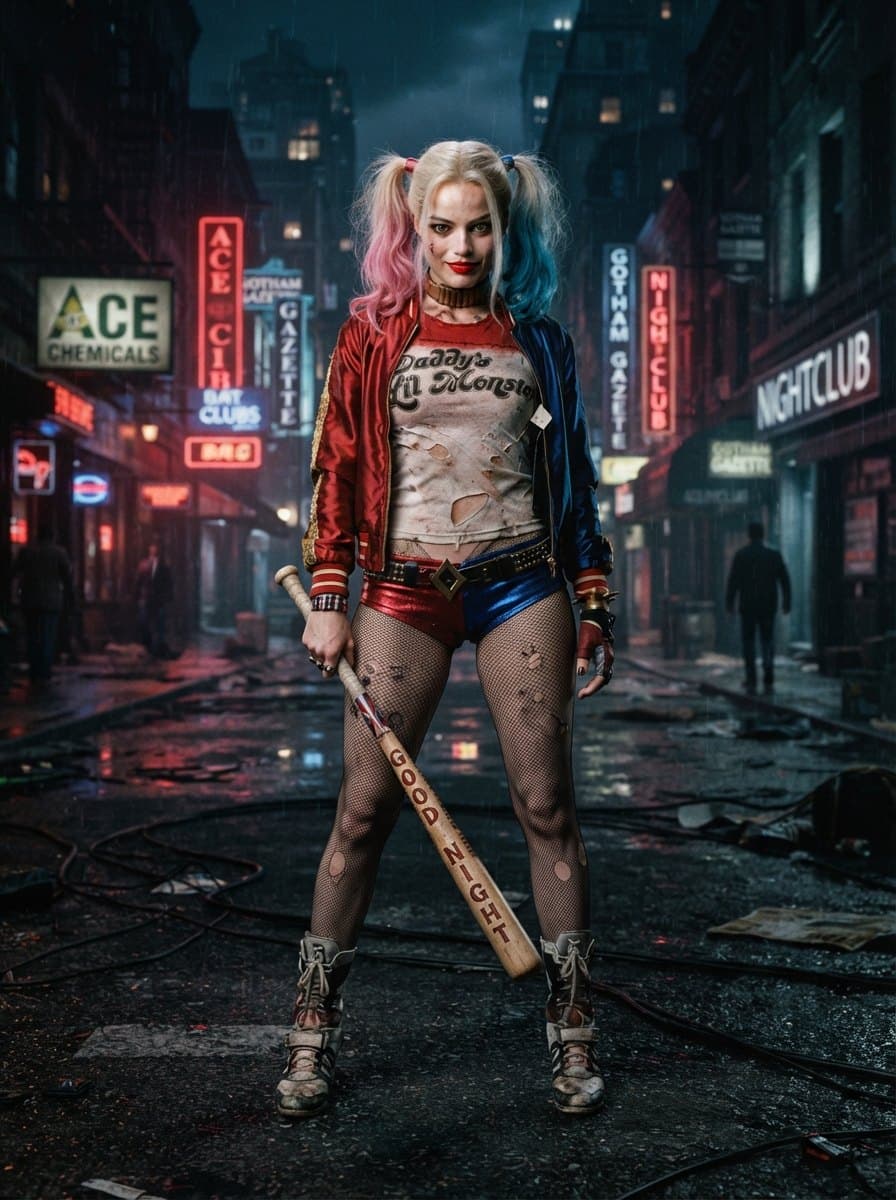
Harley Quinn Costume
Unleash your inner anti-hero with Harley's iconic red and blue look.
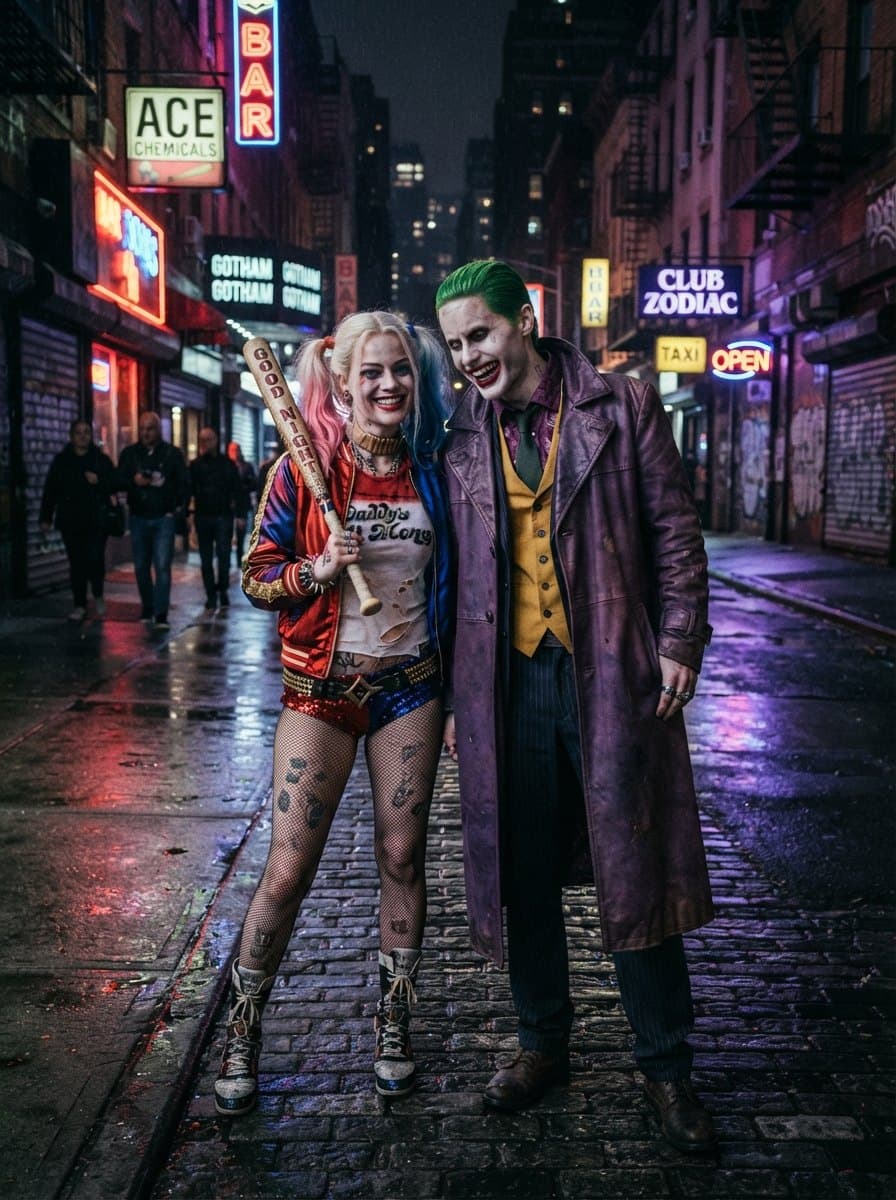
Harley Quinn and Joker Costume
Gotham's most chaotic power couple is ready to steal the show.

Minions Costume
Bello! Bring the chaotic, banana-loving fun to life.
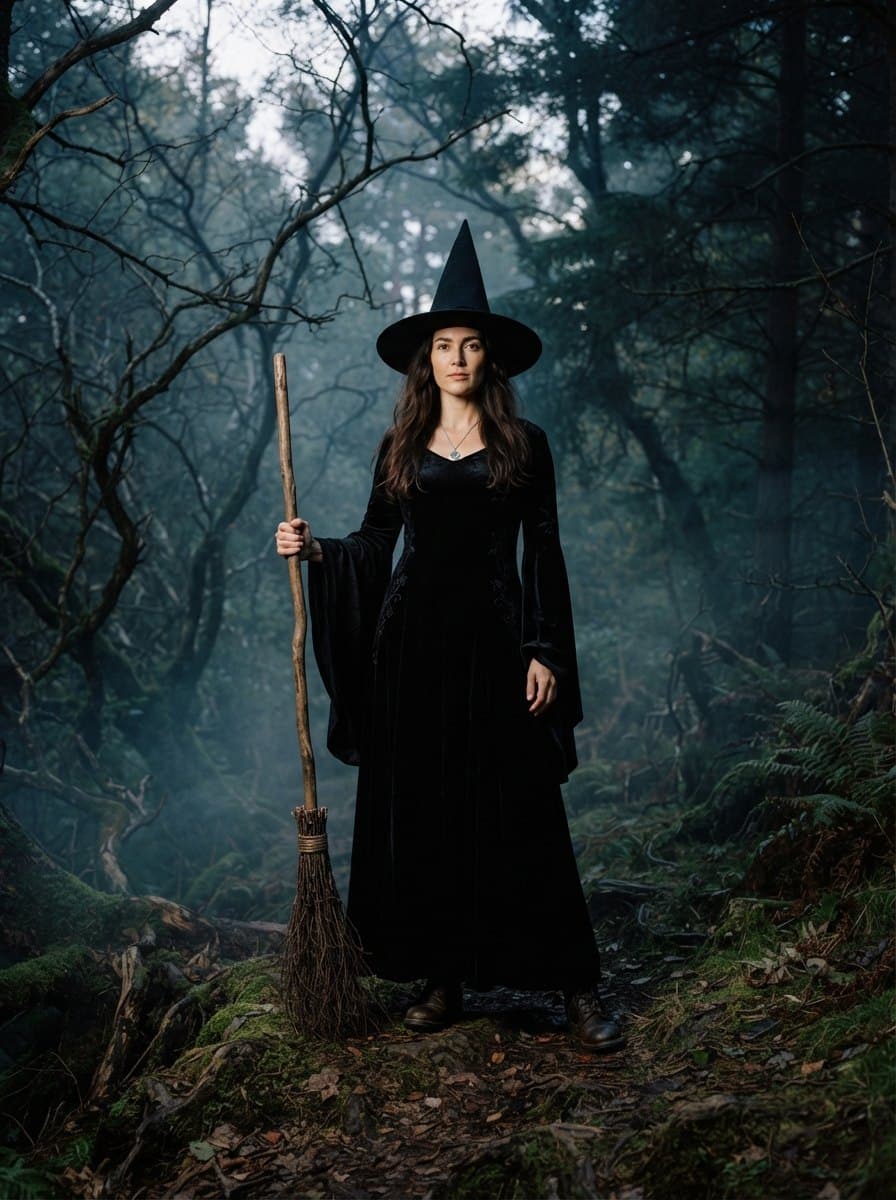
Witch Costume
Cast a spell with a timeless, enchanting classic.
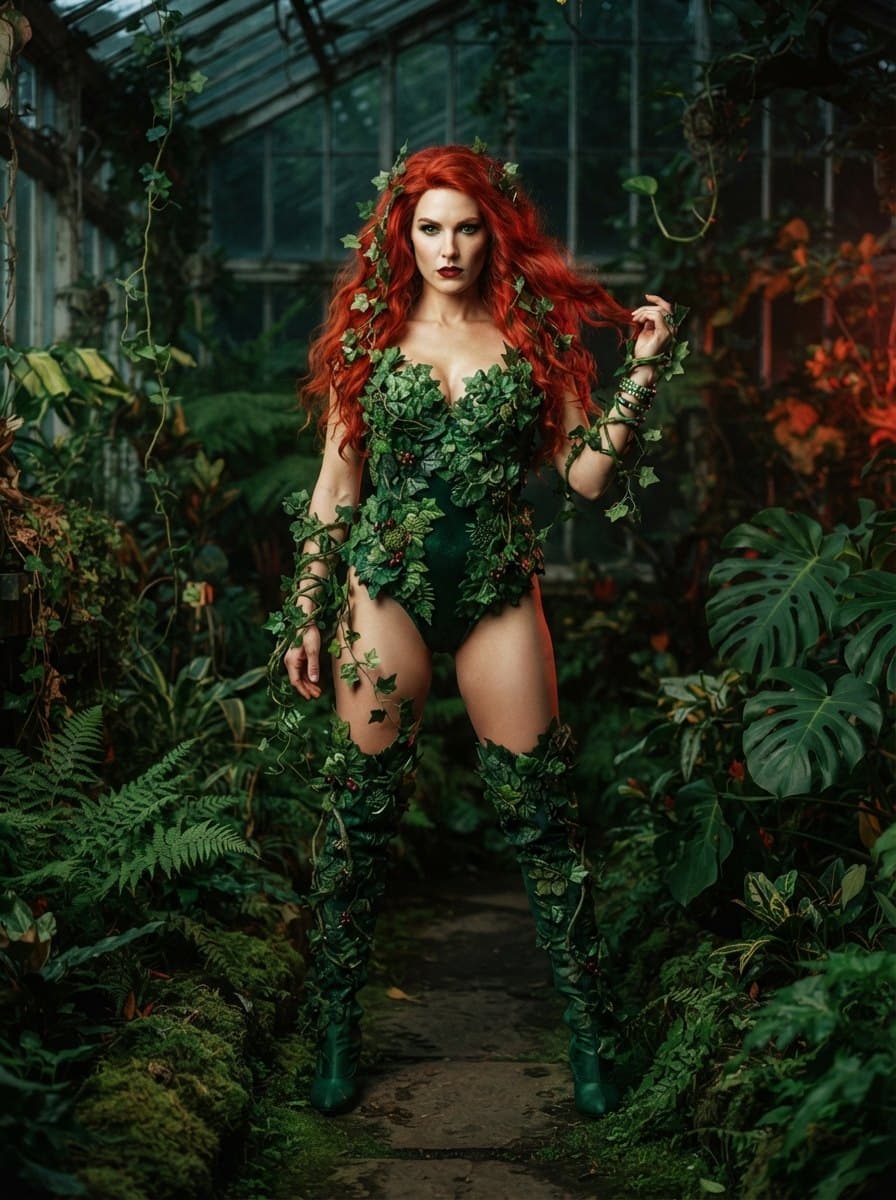
Poison Ivy Costume
Embody Gotham's seductive eco-villain with vibrant greens and ivy leaves.
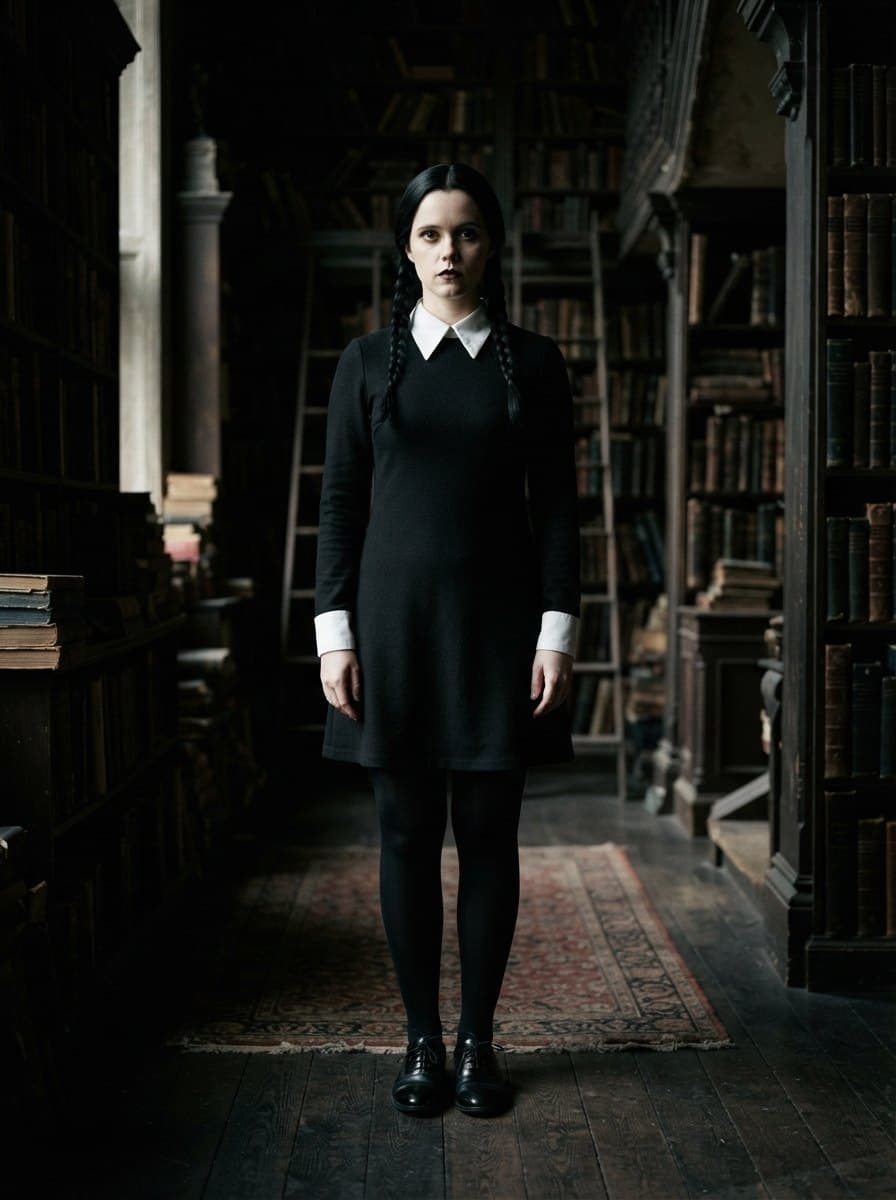
Wednesday Addams Costume
Channel your favorite gothic icon with a sharp, classic monochrome look.
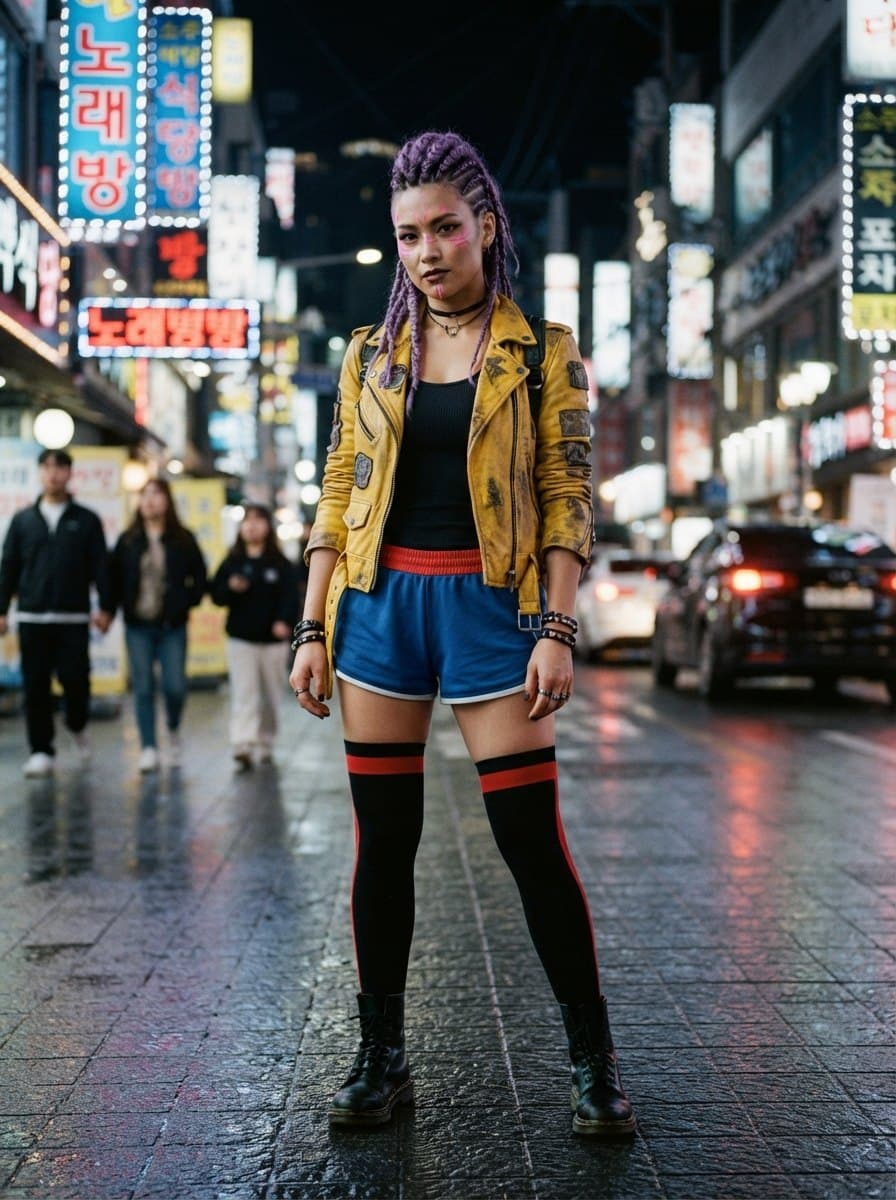
Rumi Costume
Channel the fierce leader of Huntrix with this K-pop demon hunter style.
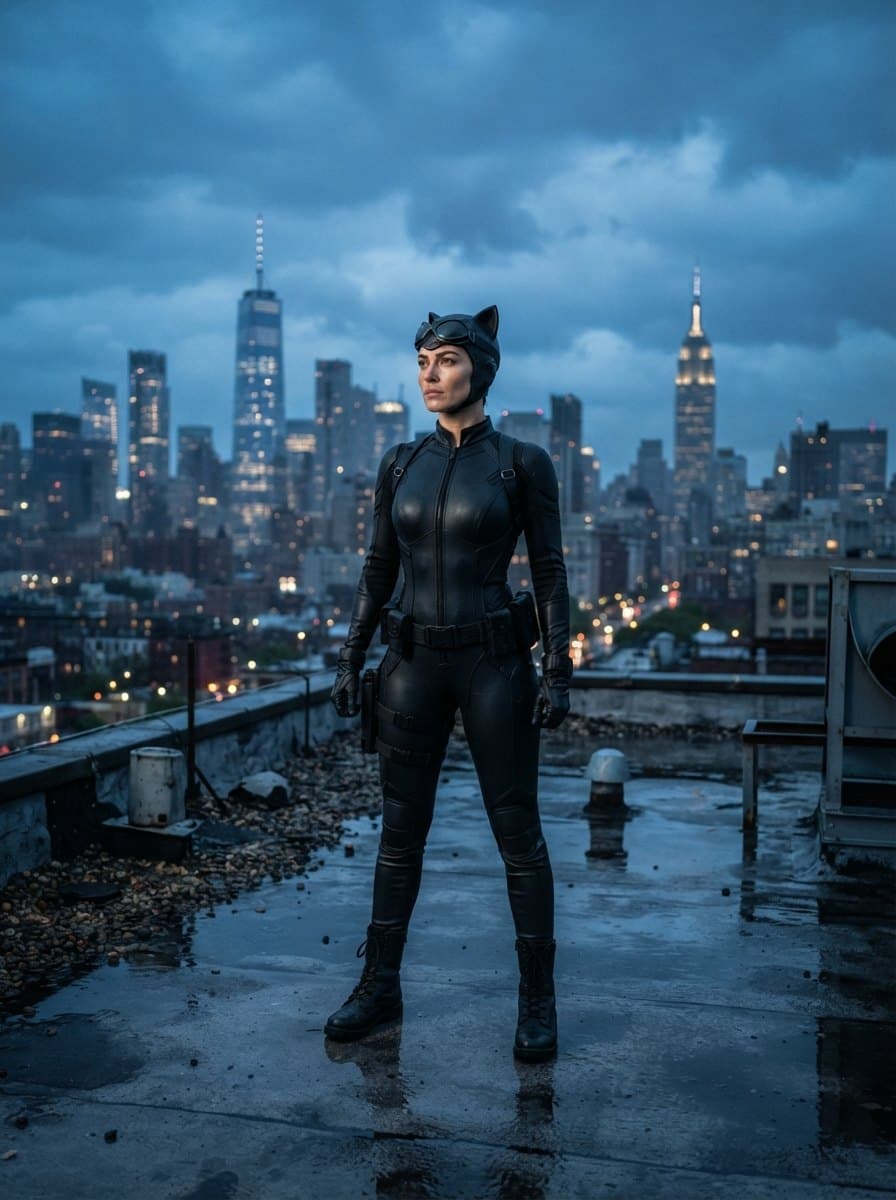
Catwoman Costume
Steal the spotlight in Gotham's sleekest, most iconic anti-hero look.

Pirate Costume
Unleash your inner swashbuckler with this classic, customizable seafaring look.
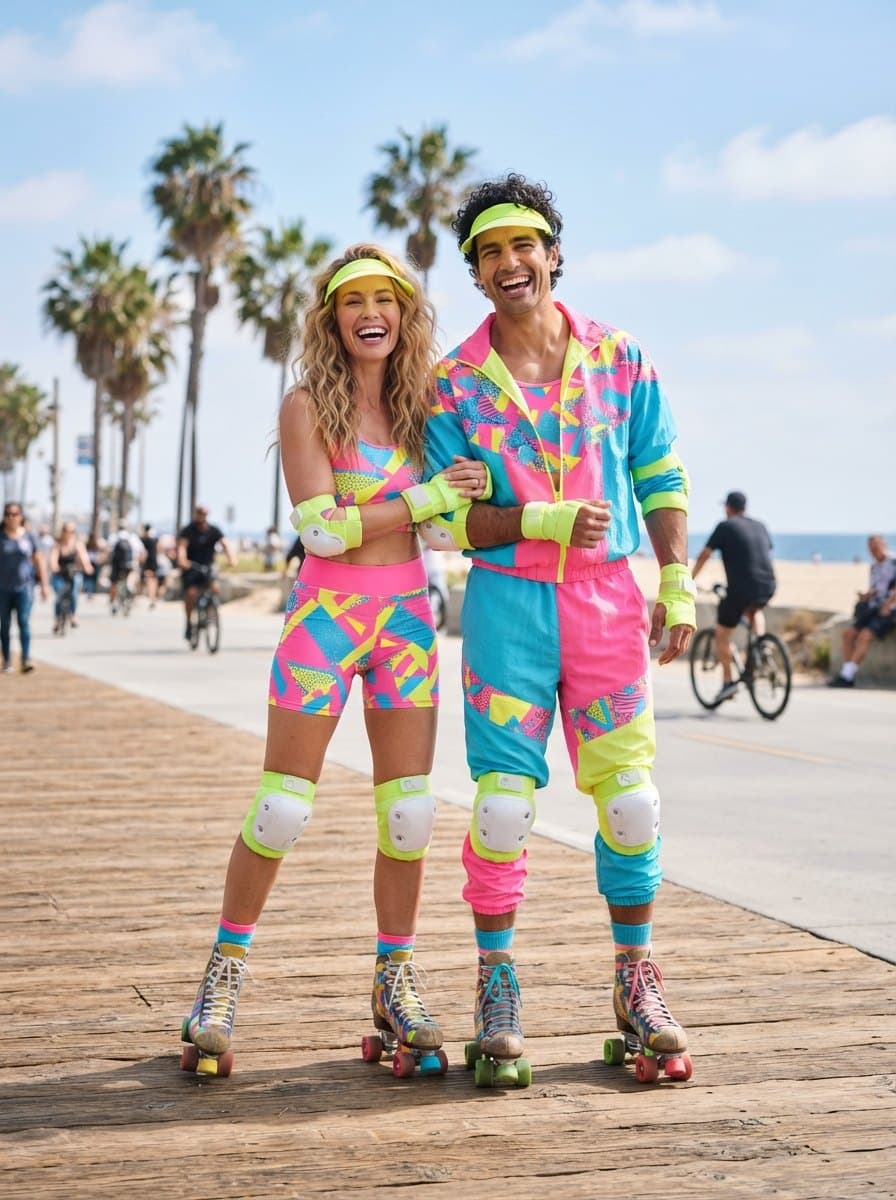
Barbie and Ken Costume
Step into a neon world as the ultimate, fashion-forward plastic duo.
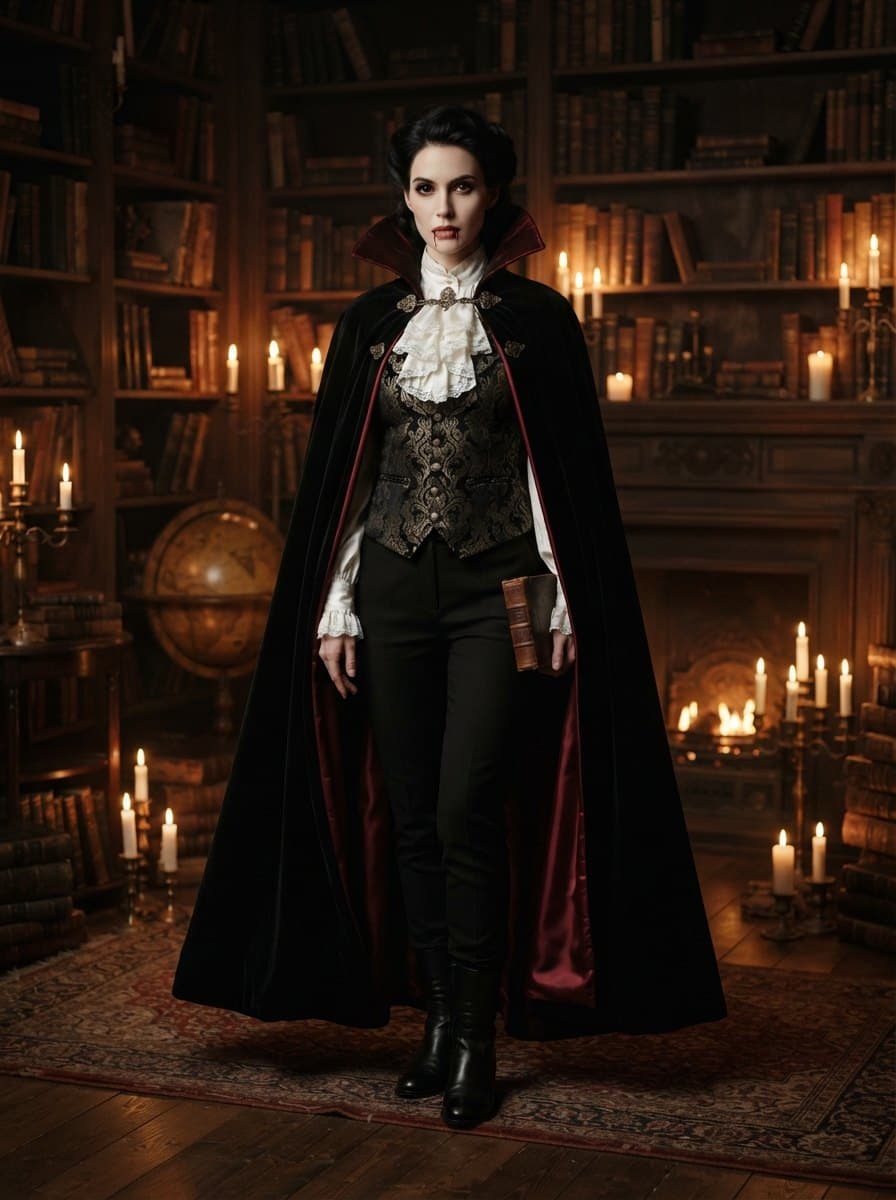
Vampire Costume
Embrace the night with a classic, timeless gothic look.
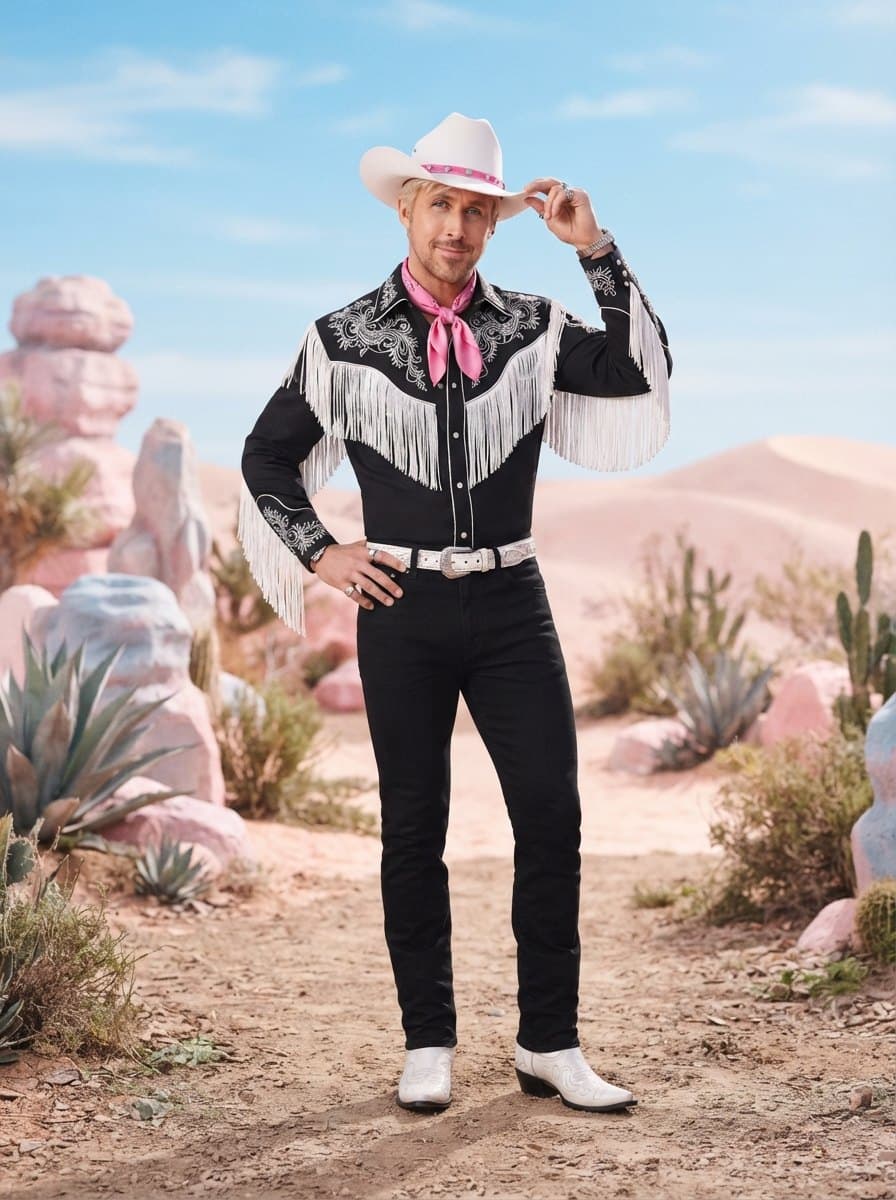
Ken Costume
Bring the ultimate Kenergy with this iconic Western look.
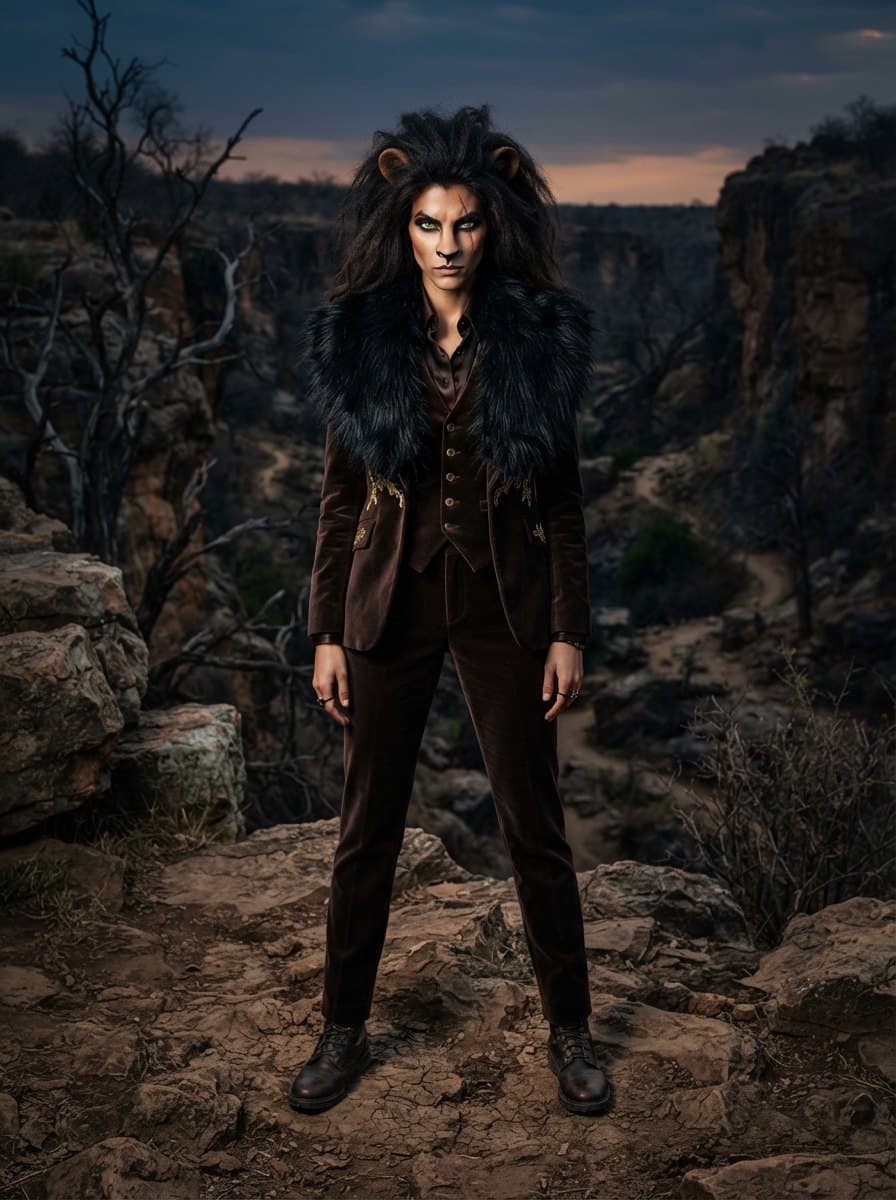
Scar Costume
Be prepared to rule the Pride Lands in villainous style.
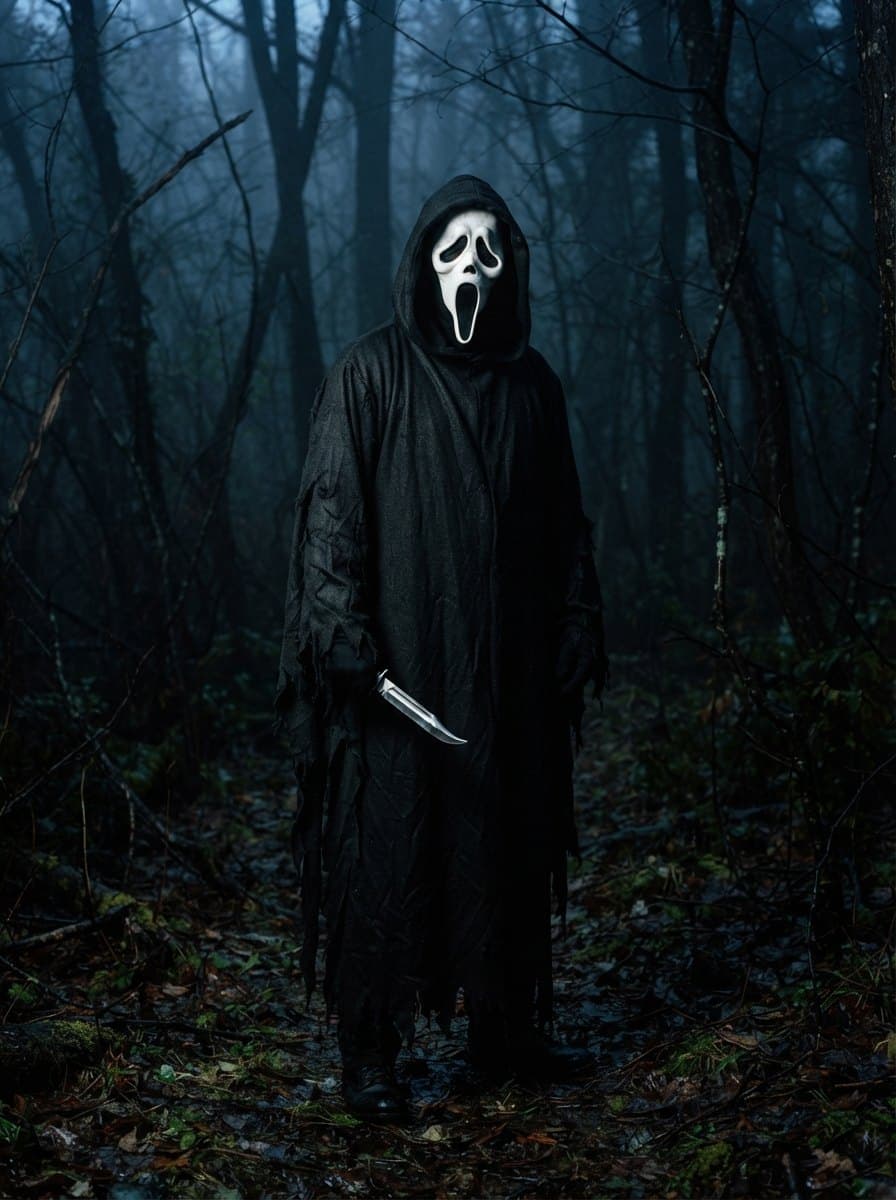
Ghostface Costume
Rule the night as the ultimate Woodsboro slasher.
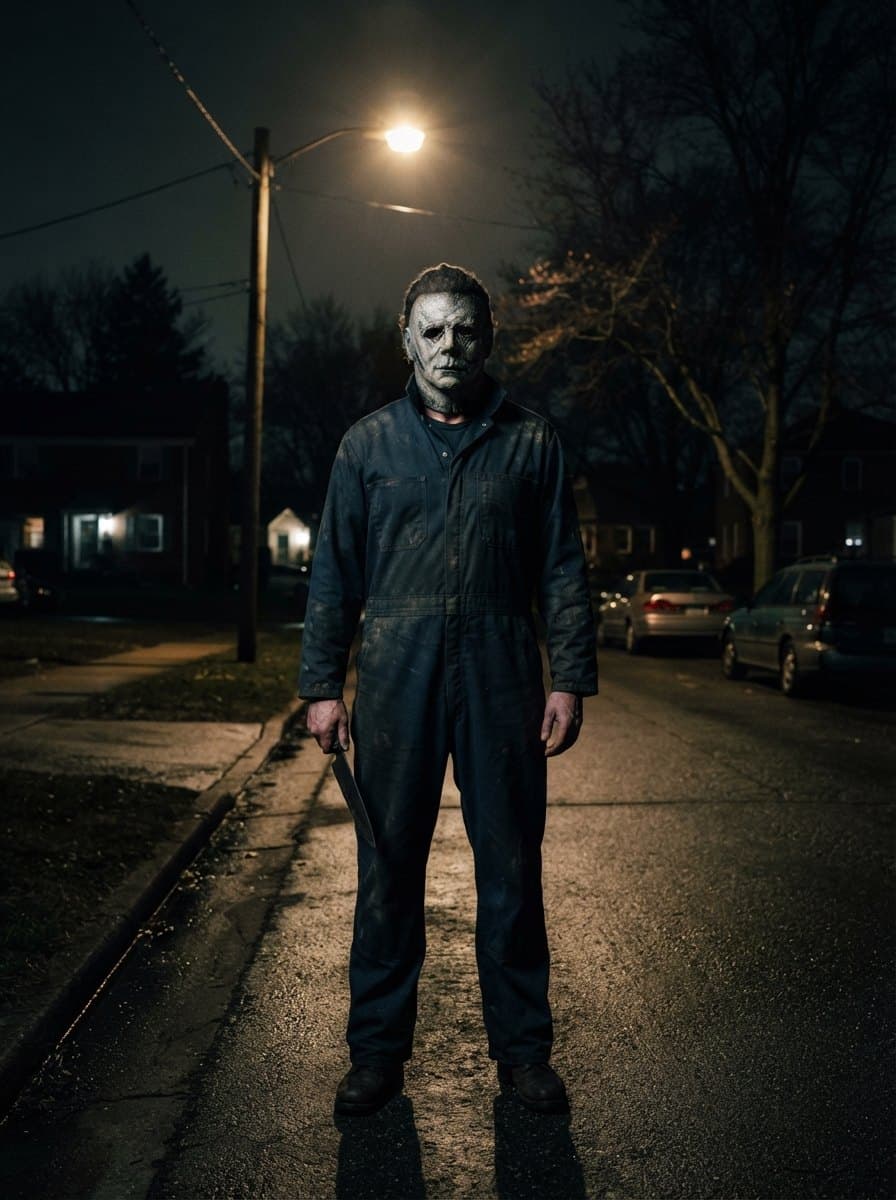
Michael Myers Costume
Embody the silent, unstoppable shape of Halloween night.
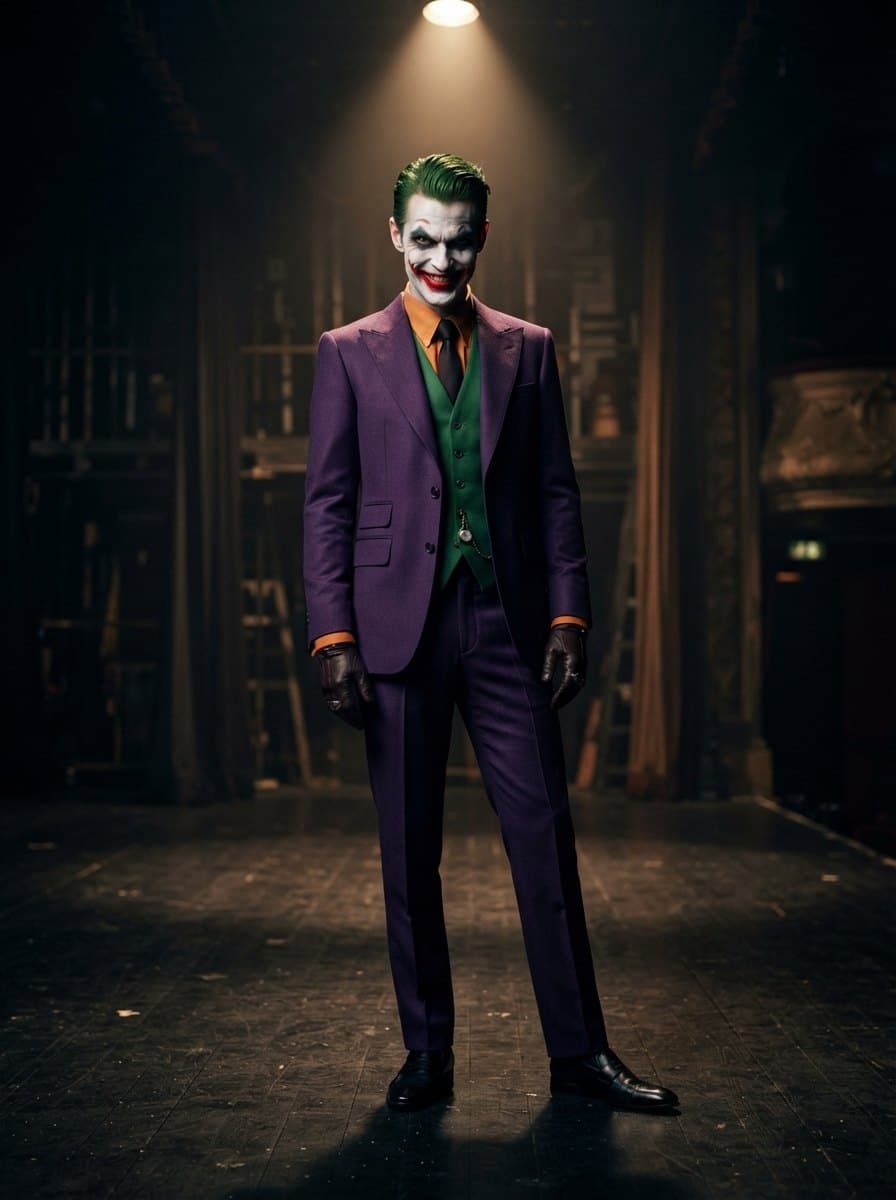
Joker Costume
Unleash your inner agent of chaos in style.
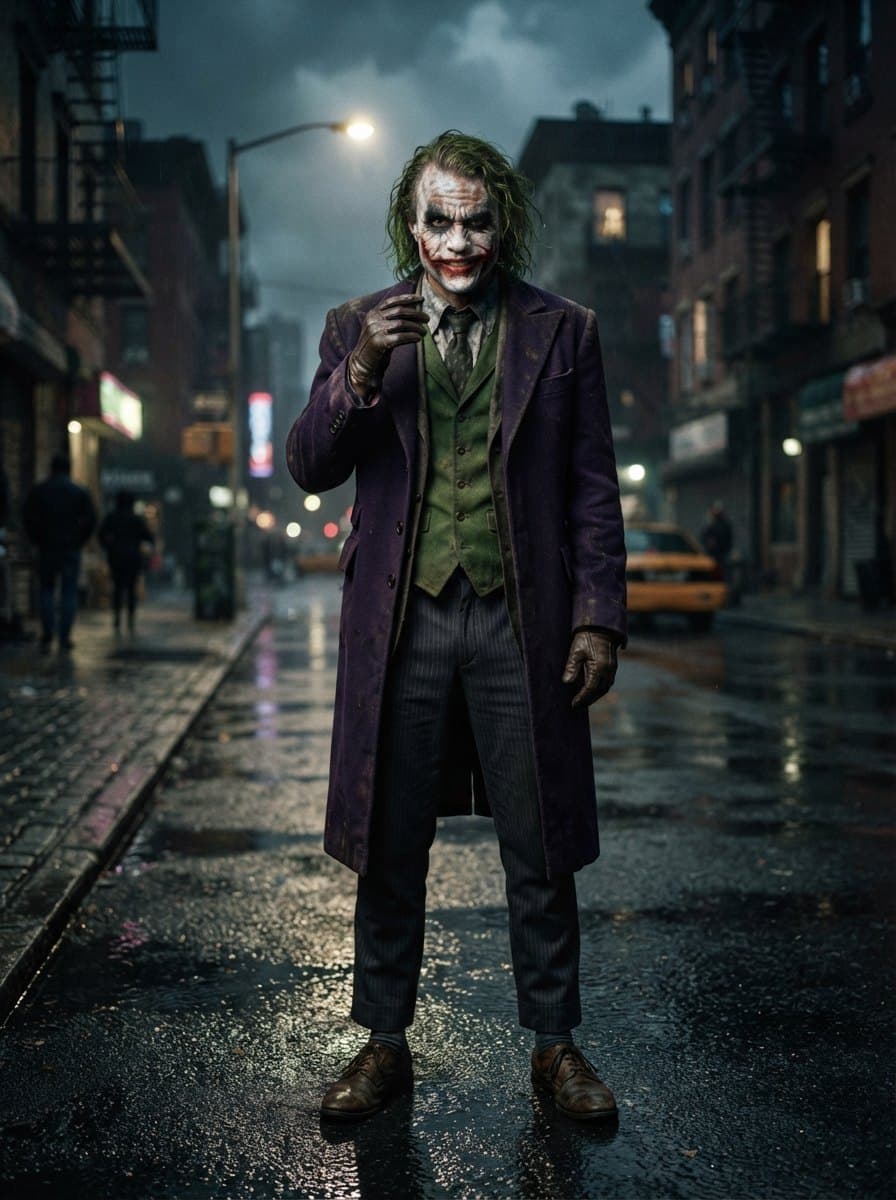
The Joker Costume
Embrace the chaos with the ultimate Gotham villain look.
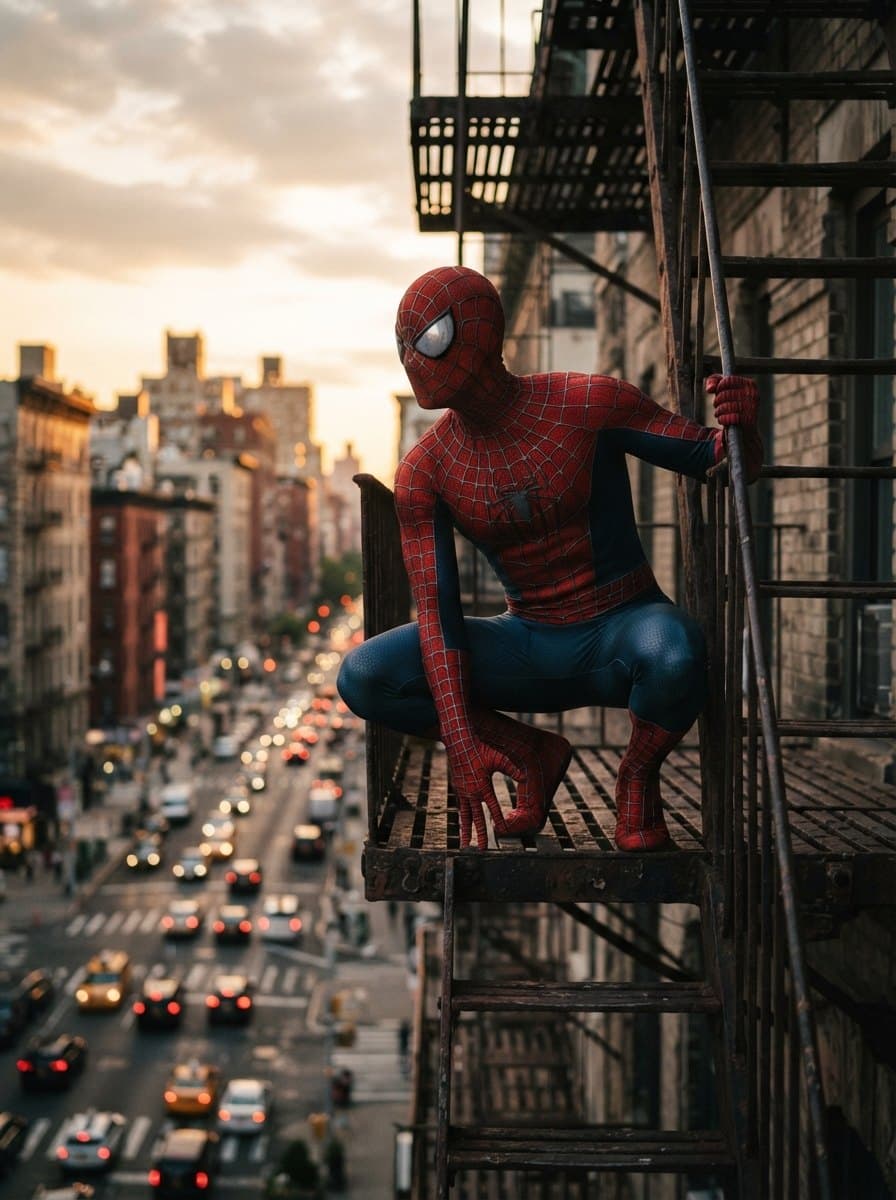
Spider-Man Costume
With great style comes great responsibility.
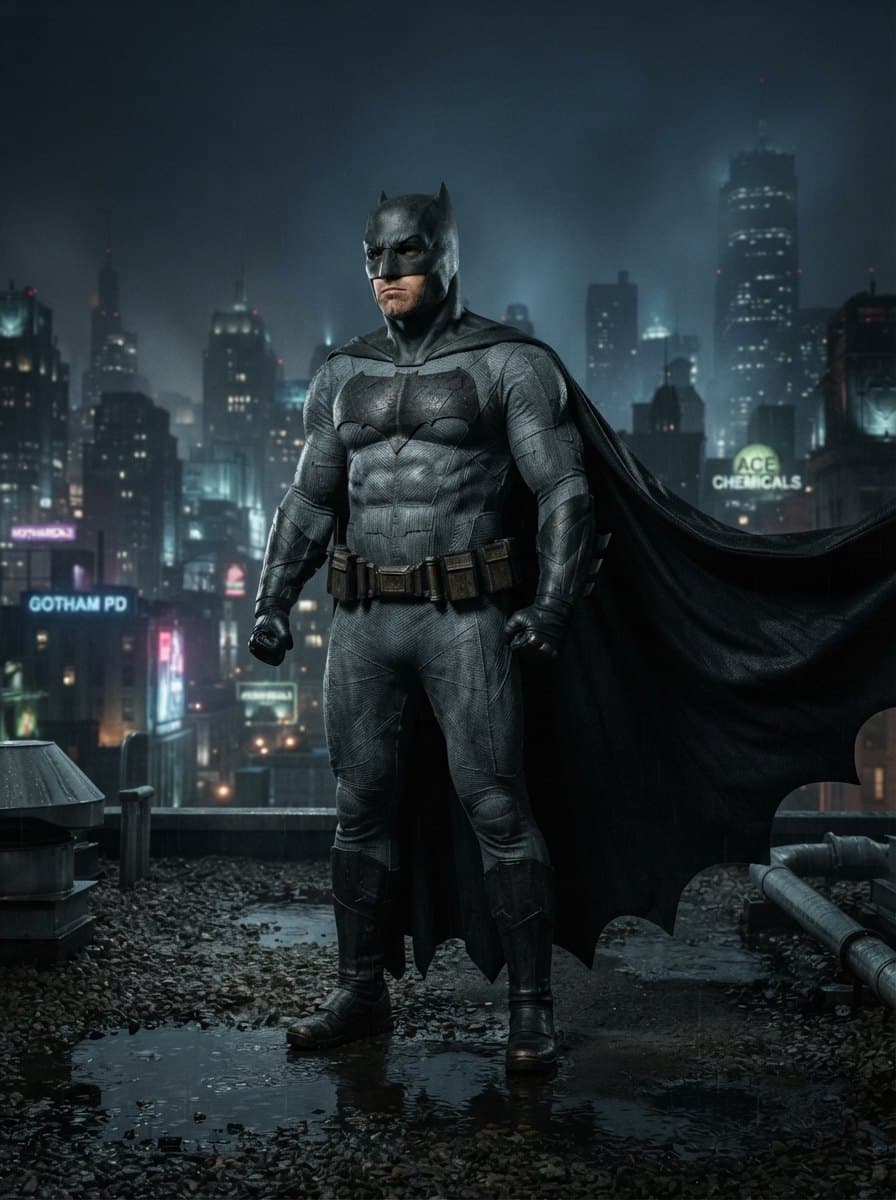
Batman Costume
Step out of the shadows as Gotham's legendary Dark Knight.

Wonder Woman Costume
Unleash your inner warrior with the ultimate Amazonian look.

Padmé Amidala Costume
Step into the Star Wars galaxy as Naboo's courageous senator.
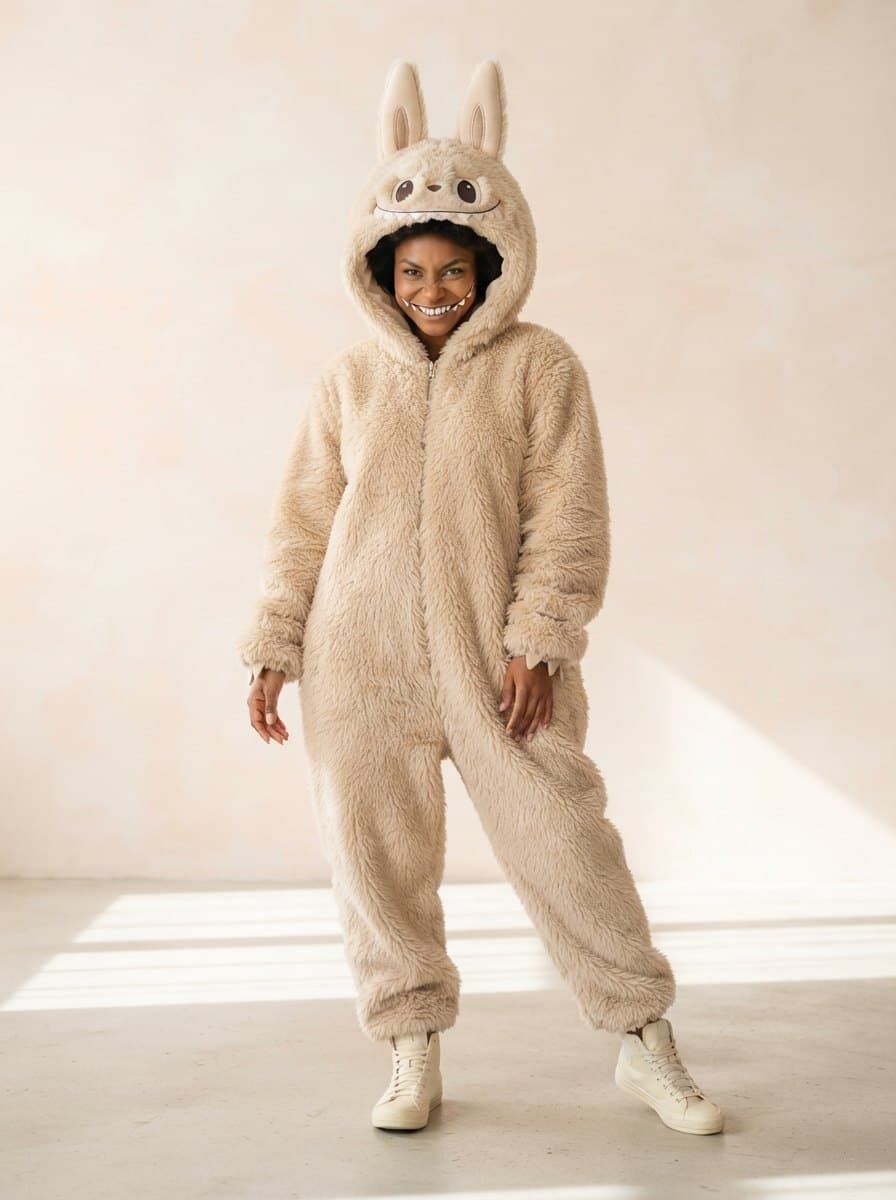
Labubu Costume
Bring Pop Mart's most mischievous, lovable monster to life.

Starfire Costume
Channel your inner Tamaranian princess with this vibrant superhero look.

Dog Costume
Unleash your inner pup with this easy, comfortable classic.

Pennywise Costume
Float down here with this screen-accurate, terrifying killer clown look.
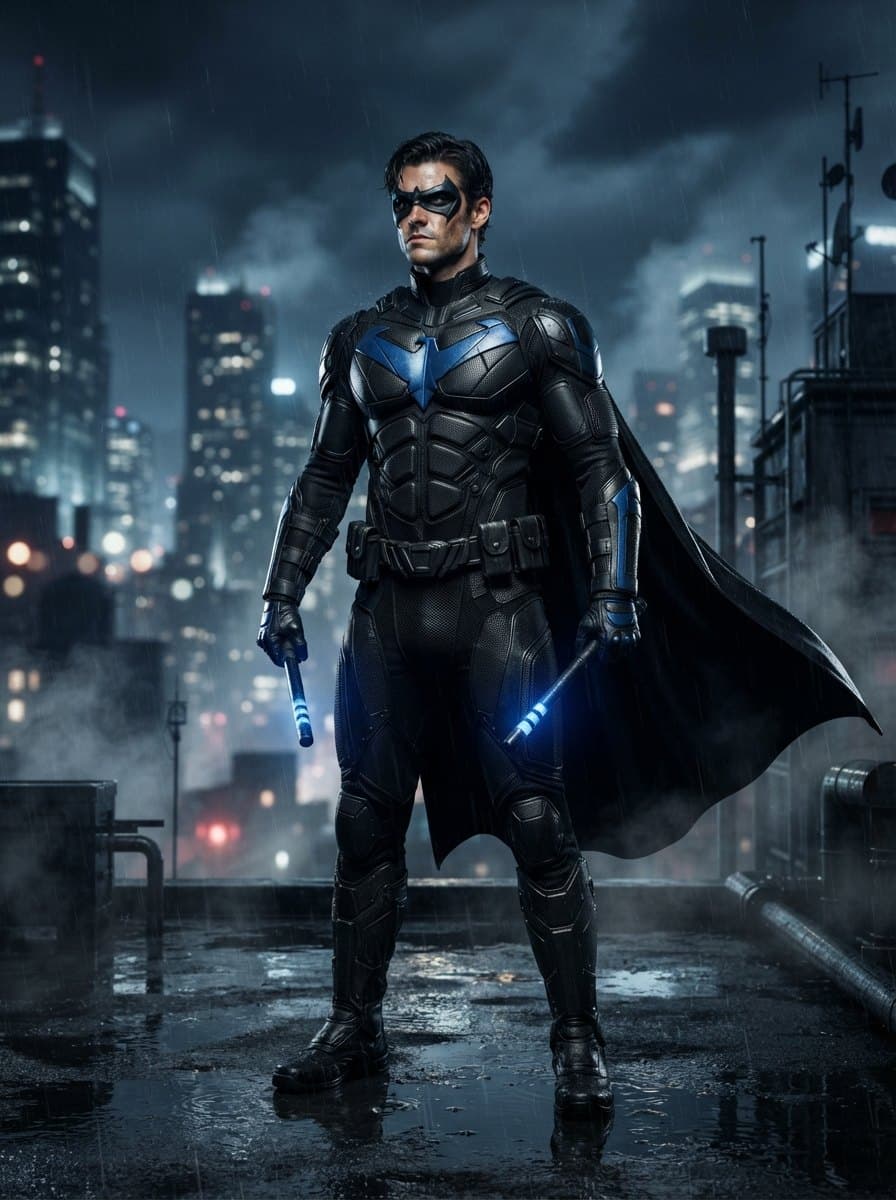
Nightwing Costume
Step out of Batman's shadow in this sleek vigilante look.

Freddy Krueger Costume
Bring the ultimate dream-stalking nightmare to life this Halloween.
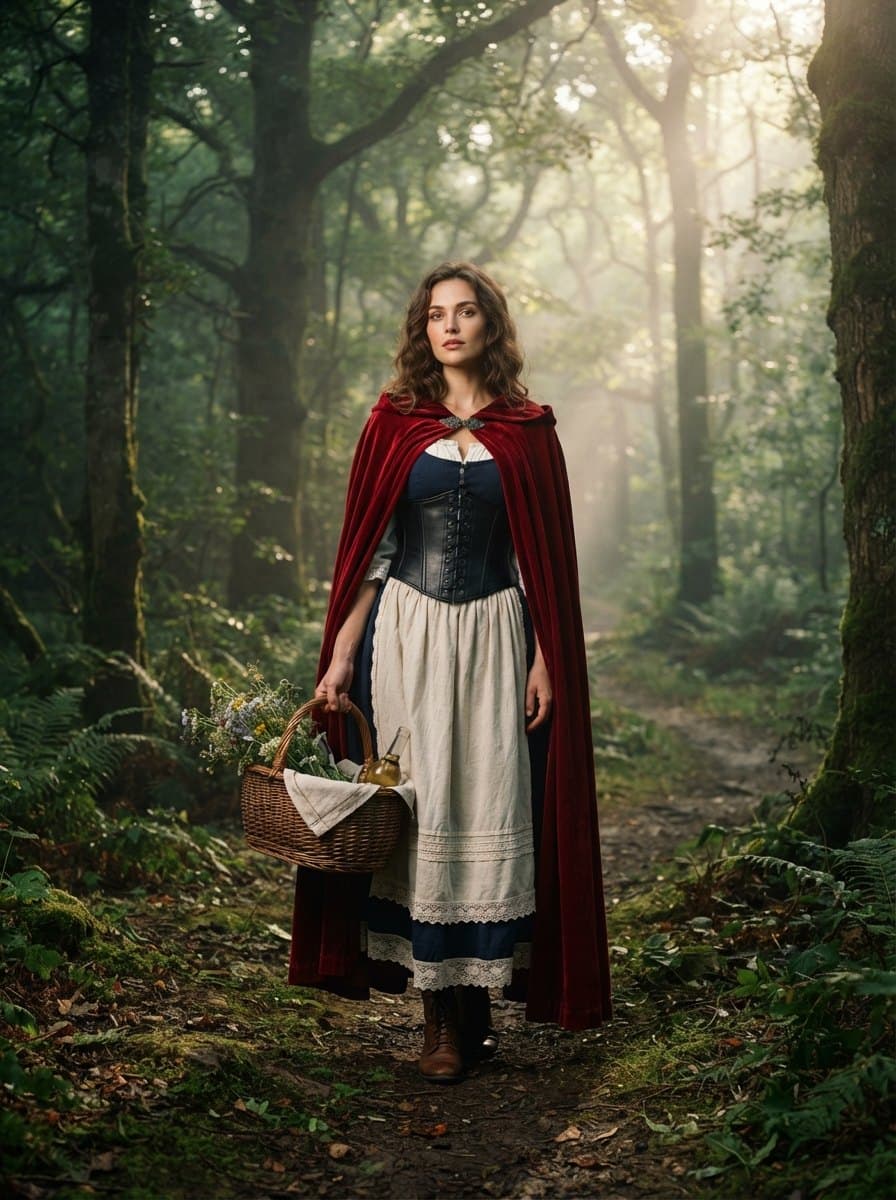
Little Red Riding Hood Costume
Journey through the woods in this timeless, enchanting fairytale look.
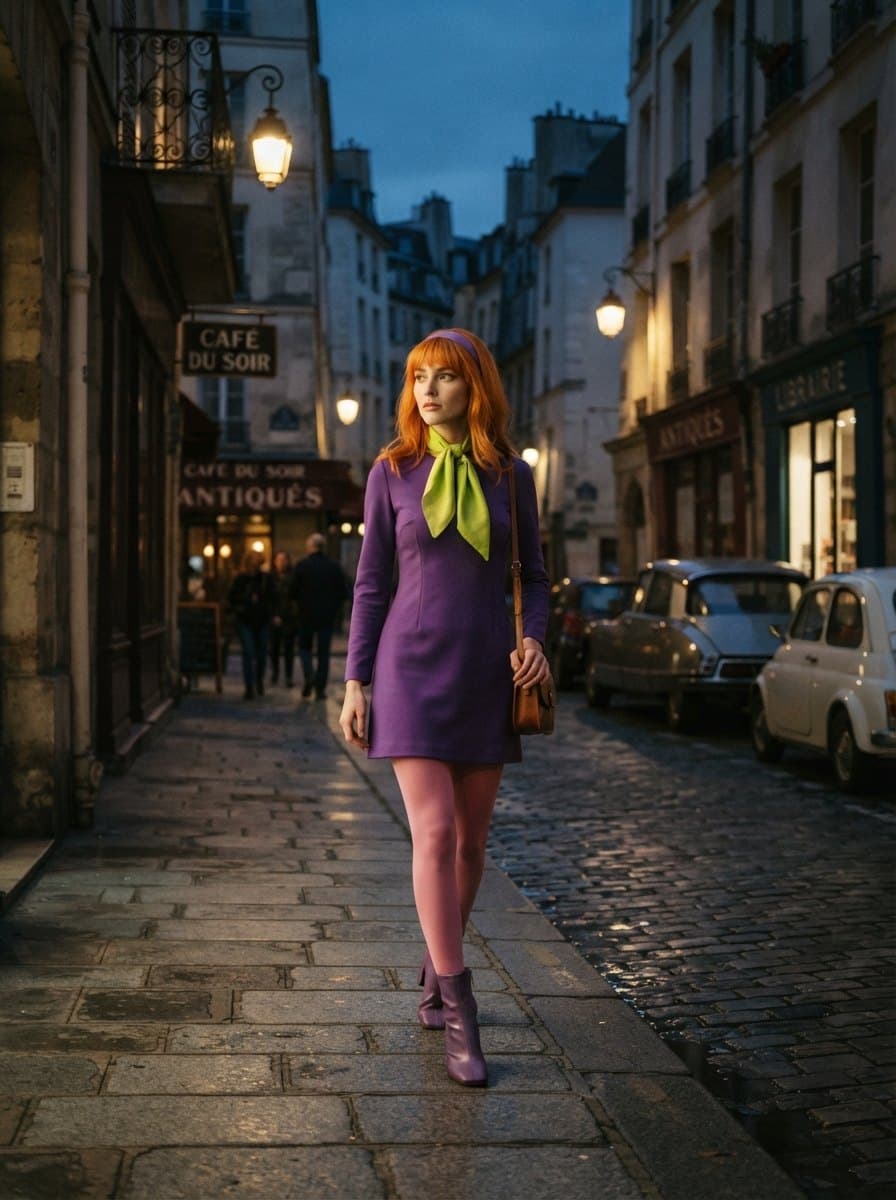
Daphne Blake Costume
Solve mysteries in style with Daphne's retro 1960s purple look.
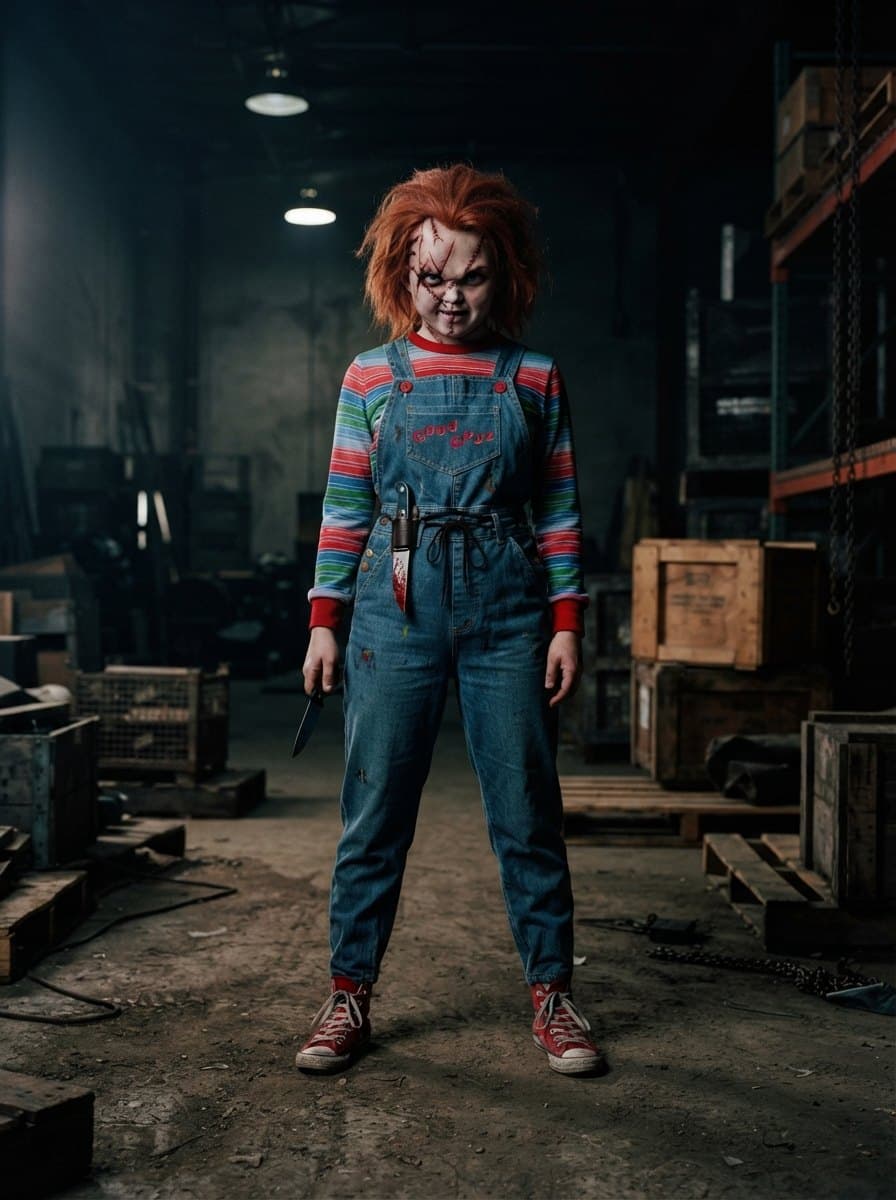
Chucky Costume
Channel your inner killer doll with Chucky's iconic striped look.
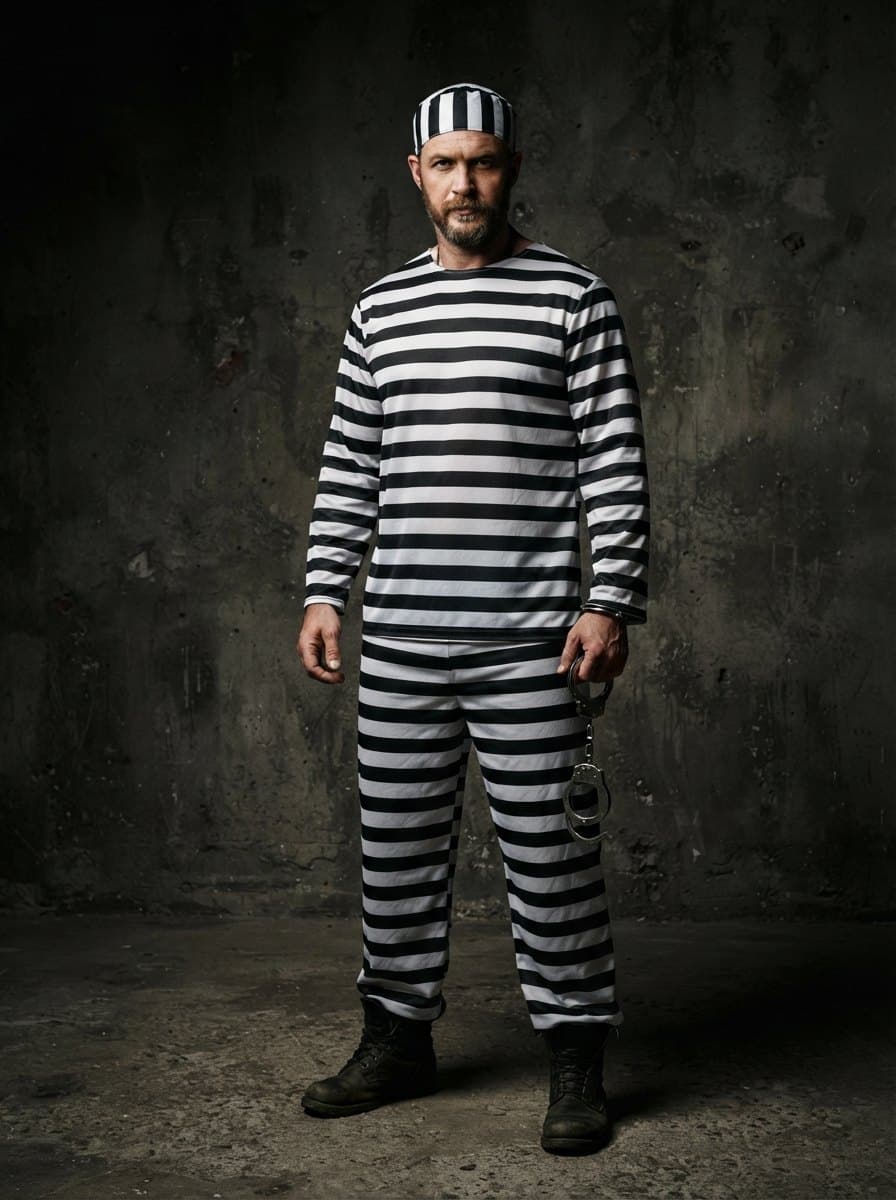
Prisoner Costume
The ultimate classic jailbird look that is incredibly easy to style.
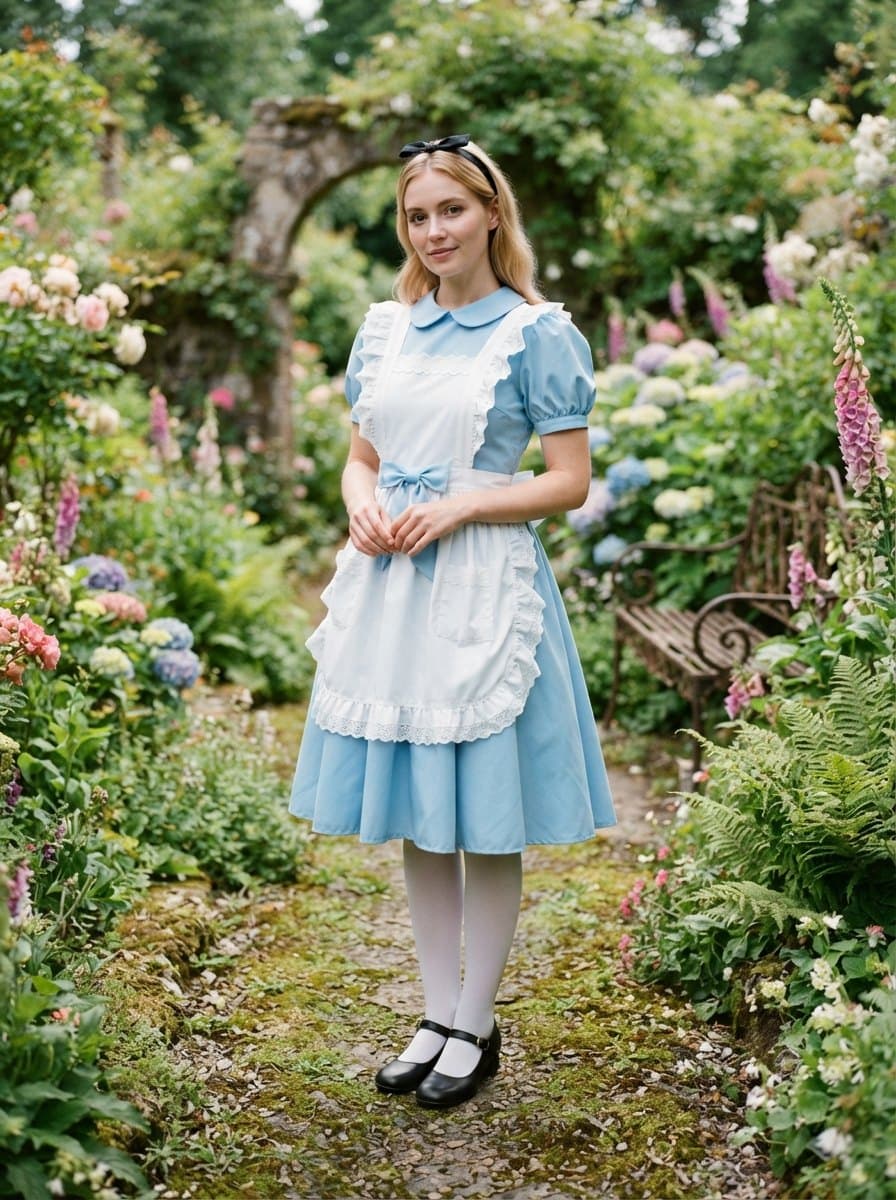
Alice Costume
Bring the magic of Wonderland to life with this iconic blue dress.
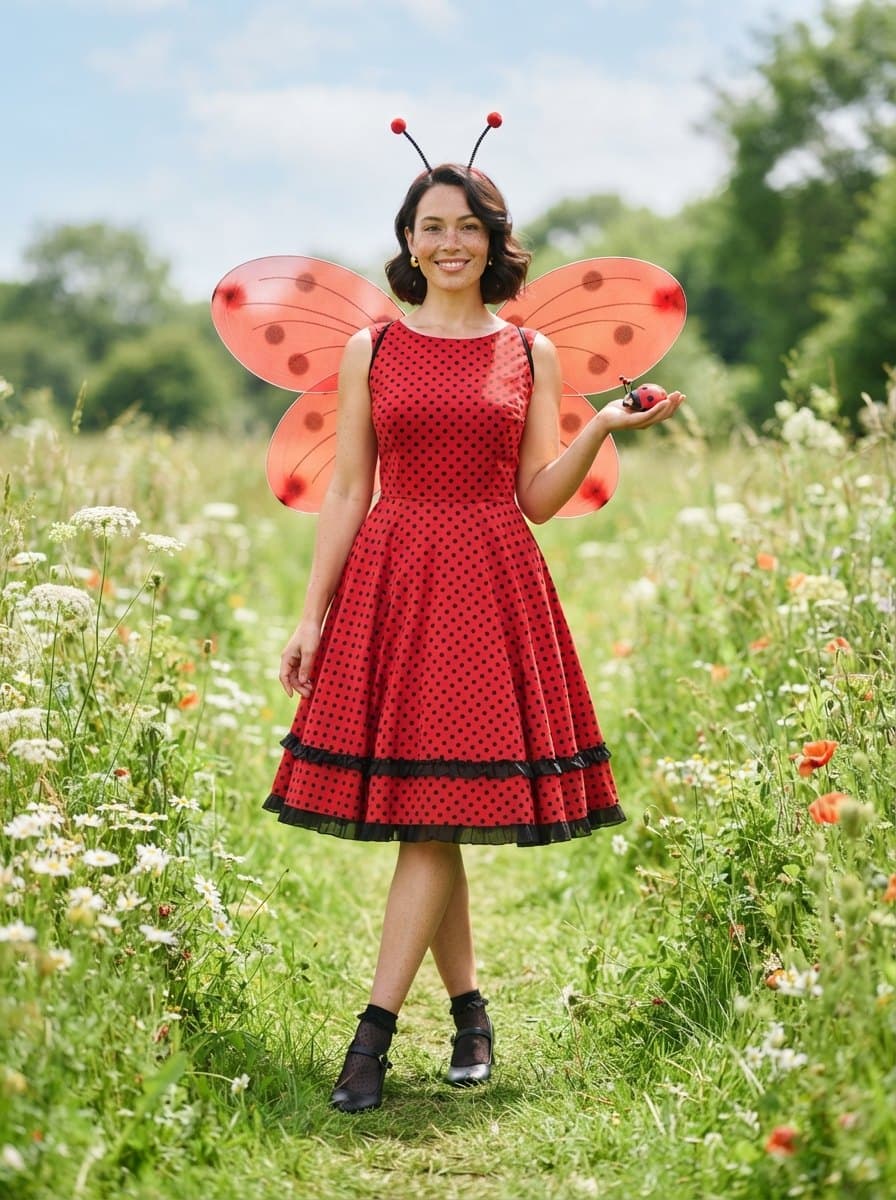
Ladybug Costume
A bright, cheerful, and easy-to-wear costume perfect for any occasion.
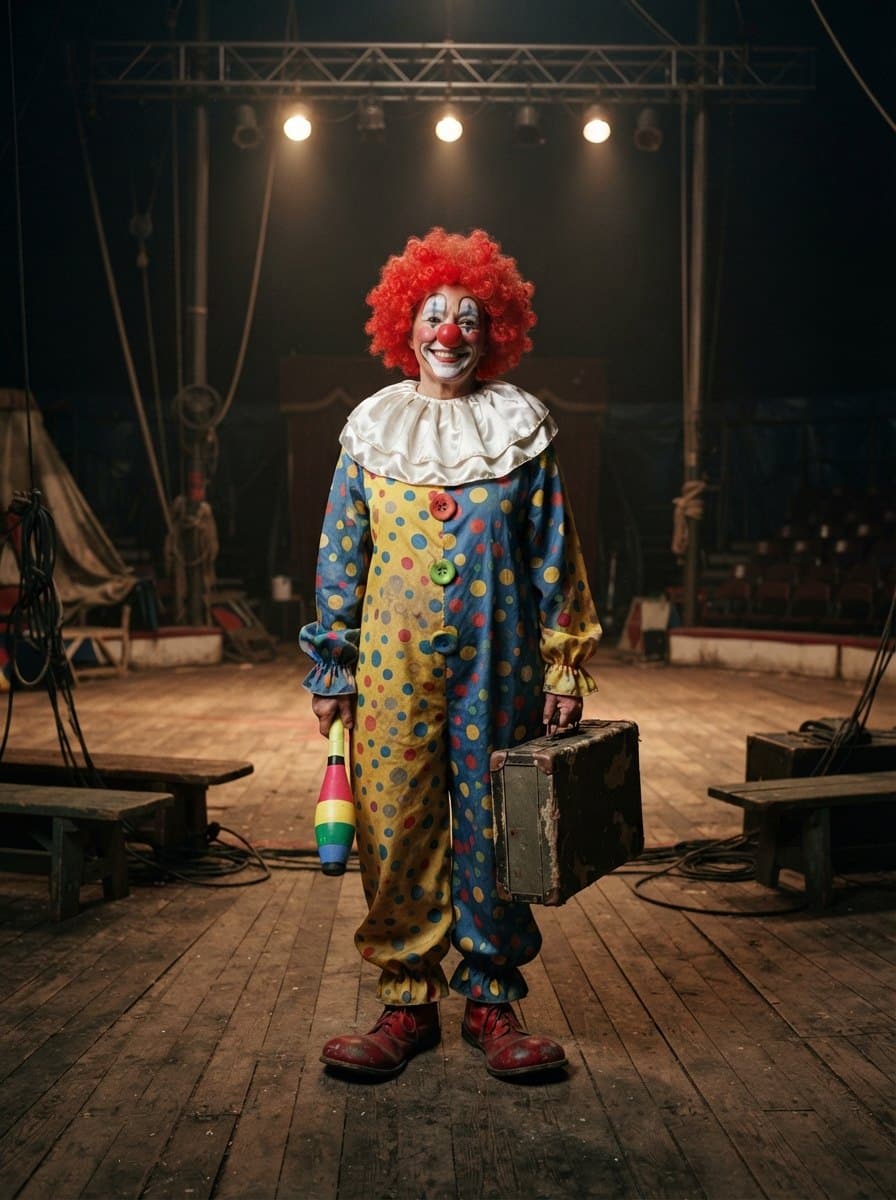
Clown Costume
Bring the circus to life with vibrant patterns and classic comedy.
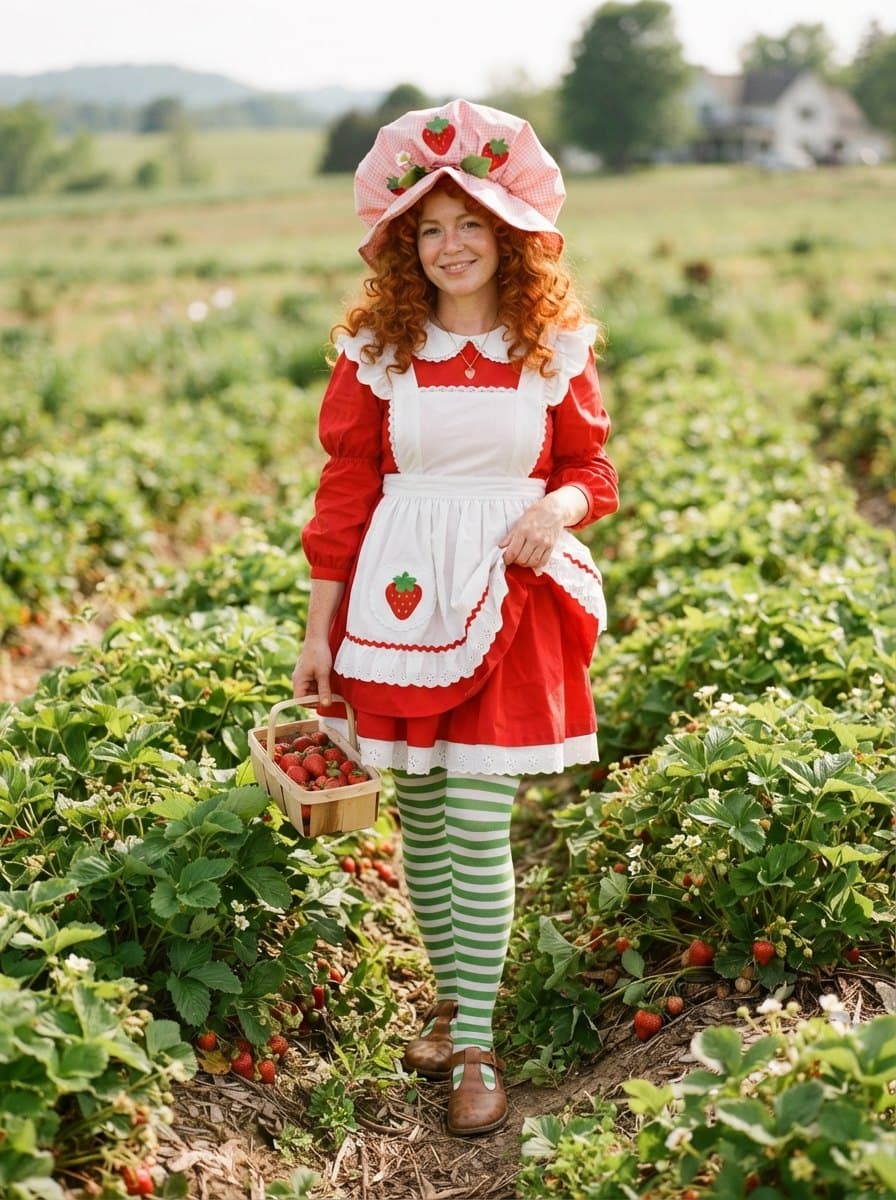
Strawberry Shortcake Costume
Bring sweet 1980s nostalgia to life with this classic berry look.

Scarecrow Costume
Bring rustic autumn charm to life with a classic scarecrow look.
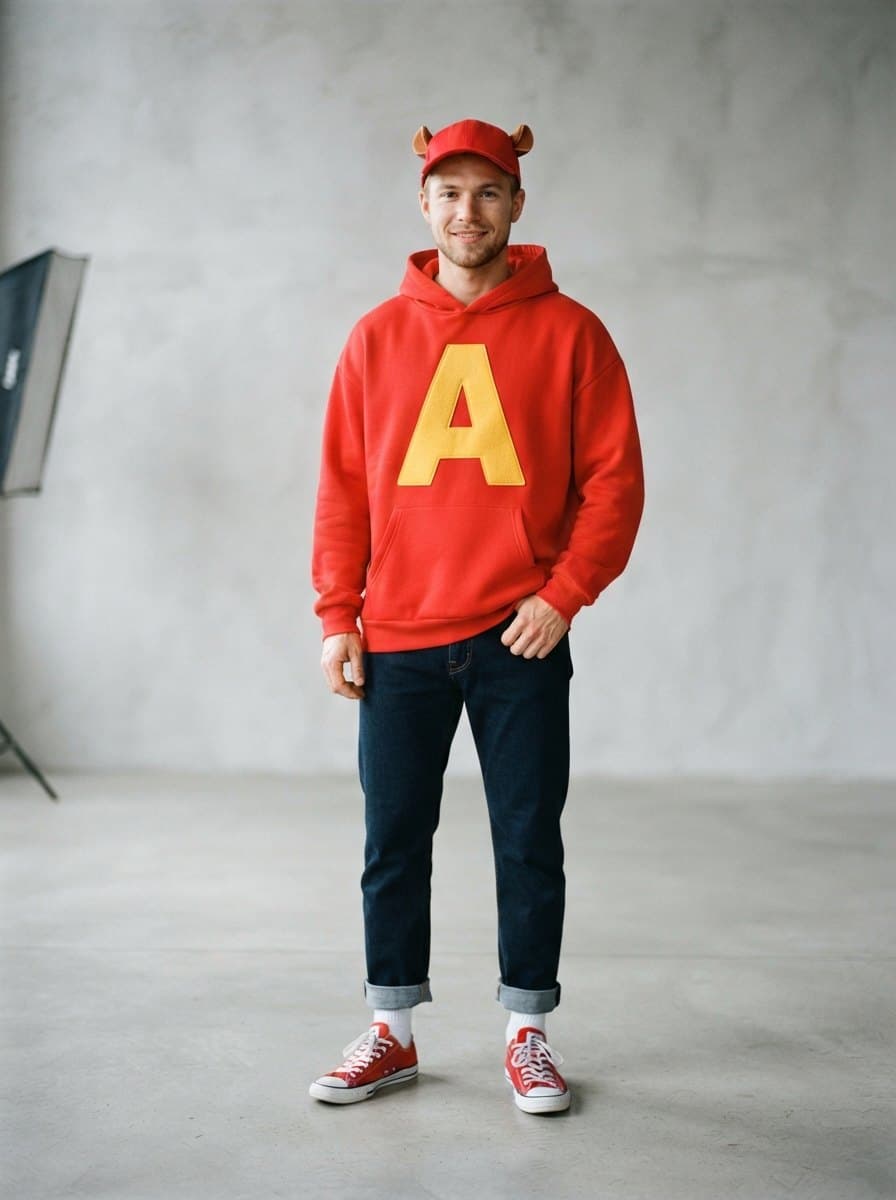
Alvin and the Chipmunks Costume
Bring the musical chipmunk trio to life with simple, colorful hoodies.
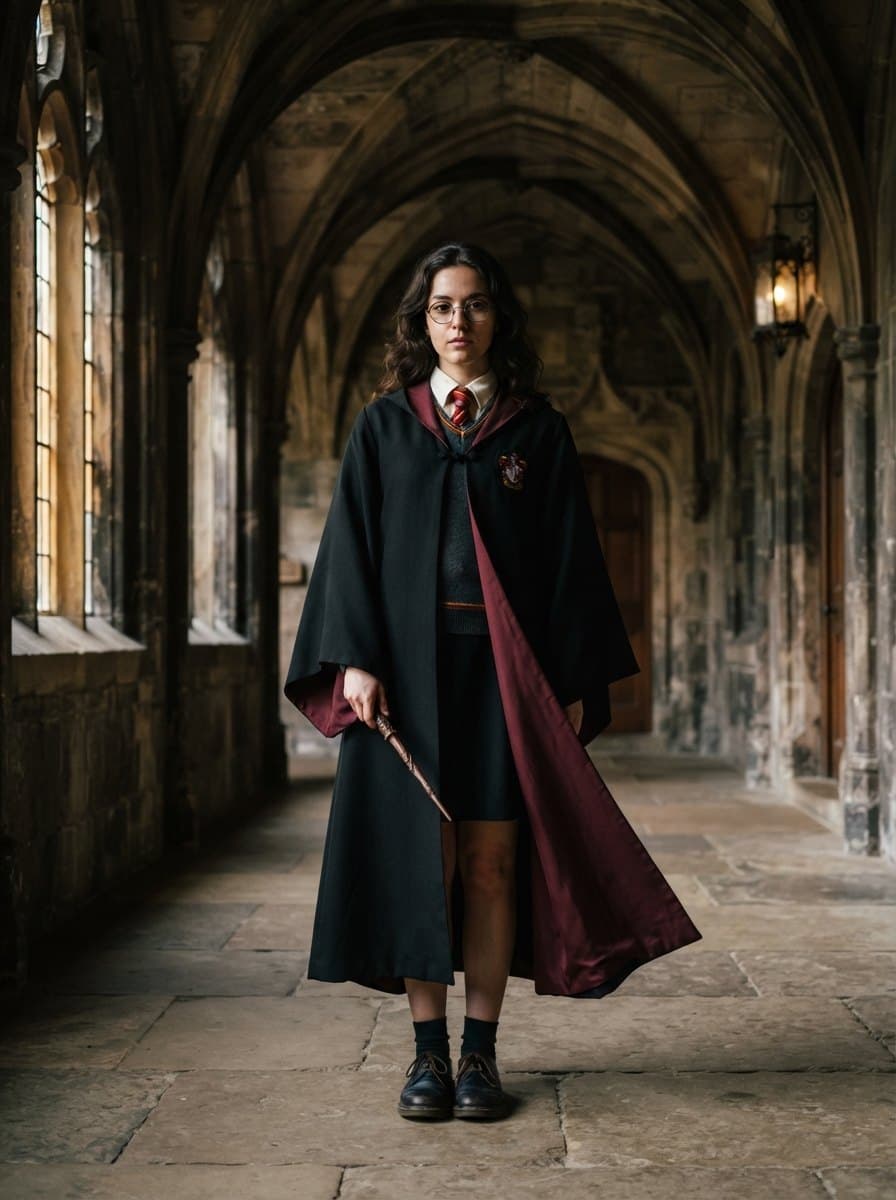
Harry Potter Costume
Step into the wizarding world with the iconic Gryffindor uniform.
What you need for a Theatrical Costumes costume
Period-accurate base garment
A high-quality frock coat, Victorian gown, or Shakespearean doublet made from heavy, textured fabric like velvet, brocade, or heavy cotton.
DIY: Thrift a heavy vintage blazer or maxi dress and alter the collar or cuffs with lace trim.
Dramatic undershirt or blouse
A white or cream ruffled poet shirt or high-collared Victorian blouse to add layers and historical texture.
DIY: Sew lace trim or ruffles onto the collar and cuffs of a standard white button-down shirt.
Structured headwear
A top hat, tricorn, or elaborate headpiece that matches the historical era of your character.
DIY: Reshape a felt hat using steam and add feathers, ribbons, or trim.
Stage-quality makeup kit
High-pigment cream makeup, setting powder, and contouring shades designed to withstand sweat and bright stage lights.
Character-specific props
A walking cane, vintage pocket watch, masquerade mask, or faux leather scroll to ground the character's story.
DIY: Paint a wooden dowel black and add a metallic gold drawer knob to the top for an instant cane.
How to put it together
- 1
Select a specific historical era or theatrical archetype (e.g., Victorian, Renaissance, or Baroque) to guide your color palette and silhouette.
- 2
Layer your base garments, starting with structured undergarments like petticoats or vests to create the correct period silhouette.
- 3
Put on the primary outer garment, ensuring it fits well but allows for a full, expressive range of motion.
- 4
Add accessories like cravats, heavy jewelry, or a waist sash to add visual depth and texture.
- 5
Apply high-contrast theatrical makeup, focusing on defined eyebrows, contoured cheekbones, and set it thoroughly with translucent powder.
- 6
Style your hair or secure a high-quality theatrical wig using hairpins and a wig cap.
- 7
Equip your character prop and practice moving naturally in the heavy, layered garments.
Makeup & hair
Stage makeup requires heavy contouring, defined eyes, and bold lip colors so features don't wash out under bright lights. Hair should be styled in structured, period-appropriate updos, curls, or topped with a styled theatrical wig secured firmly with pins.
Theatrical Costumes for couples, groups, kids & more
- couples
- Pair a dramatic Shakespearean Romeo and Juliet or a Victorian Lord and Lady with matching color accents.
- group
- Assemble a classic cast like the characters from Les Misérables or Phantom of the Opera using coordinated 19th-century attire.
- kids
- Opt for classic storybook theater characters like Peter Pan or a miniature Shakespearean prince in soft, flexible fabrics.
- Plus size
- Look for corseted backs, empire waists, or adjustable waistcoats that offer both comfort and a structured, tailored silhouette.
- pet
- A simple velvet ruff collar or a miniature felt tricorn hat adds instant theatrical flair to your pet's look.
Tips
- Choose breathable, durable fabrics; theatrical costumes are often heavy, and you will need to stay cool under lights or in crowds.
- Exaggerate details like buttons, trim, and makeup because subtle elements get lost from a distance.
- Break in your footwear ahead of time, especially if wearing period boots or character shoes.
- Use safety pins, dressmaker tape, and a small sewing kit for quick on-the-go adjustments.
Theatrical Costumes costume FAQ
- What makes a costume 'theatrical' versus a standard Halloween costume?
- Theatrical costumes use heavier, more durable fabrics like velvet, brocade, and wool, featuring reinforced seams, realistic textures, and adjustable closures designed for repeated wear and movement.
- How do I make a cheap costume look more theatrical?
- Swap out plastic buttons for metal or brass ones, add heavy trim or lace to collars and cuffs, and layer different textures like faux leather, velvet, and linen.
- What should I wear under a heavy theatrical costume?
- Wear moisture-wicking undergarments or lightweight cotton layers to protect the costume from sweat and keep yourself comfortable.
Did you know? Theatrical costuming dates back to Ancient Greece, where actors wore exaggerated masks and thick-soled boots called 'cothurni' to make themselves visible to audiences in large outdoor amphitheaters.