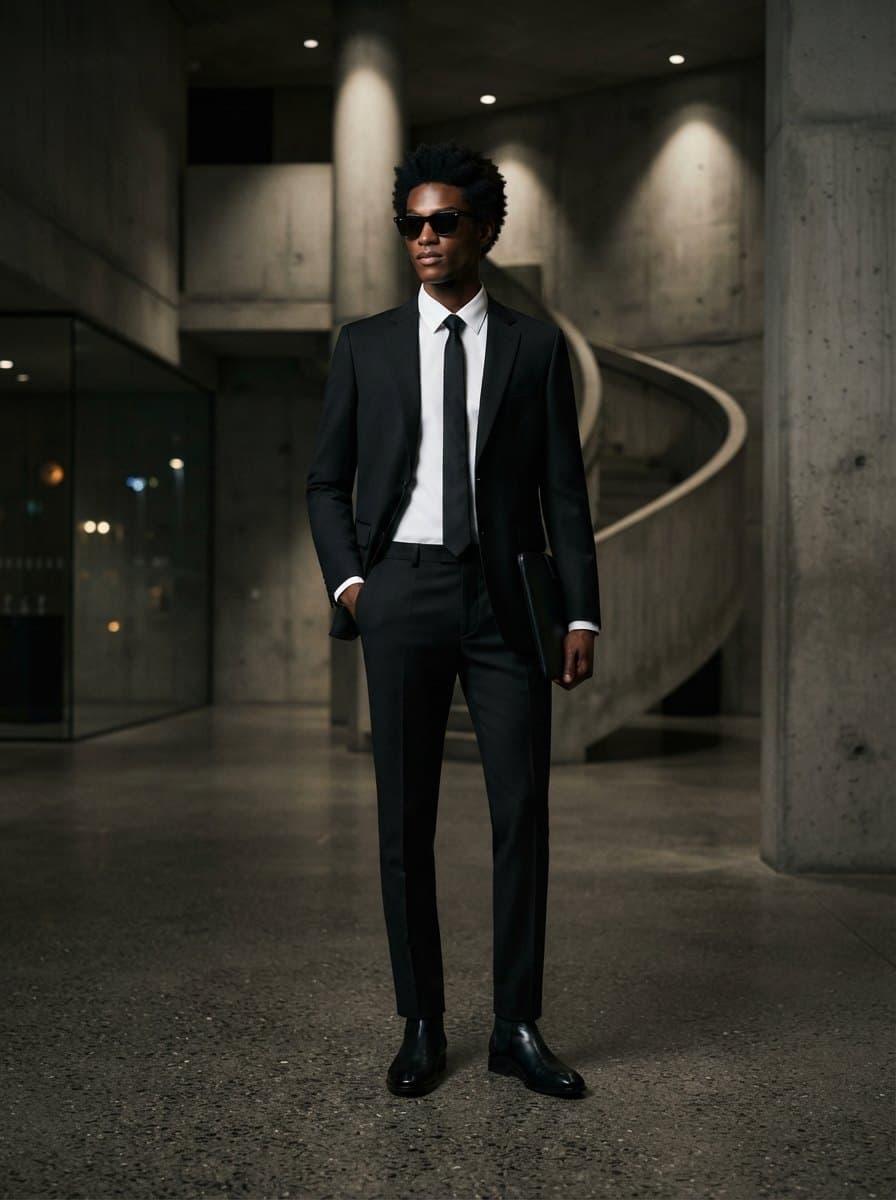
Suit
Dressed to kill: turn a sharp suit into an iconic costume.
A classic suit is one of the most versatile foundations for a Halloween costume, allowing you to easily transform into characters like James Bond, John Wick, or a Men in Black agent. It is a popular choice because it is comfortable, sharp, and often utilizes items you already own. Depending on your accessories, a suit can read as sophisticated, mysterious, or hilariously professional.
- Difficulty
- Easy
- Time
- ~15 min
- Budget
- $30–150
Try it on
See yourself as Suit
One clear photo of yourself; we render you in this costume — face untouched, full body, about 20 seconds.
One render, $1. No account needed — if it fails you're not charged. Pricing.
Your photo is sent to Google's Gemini API to make the render and isn't used for training. Renders are AI-generated and labelled.
Want a different costume on this photo, or a whole group in costume? Open the Try-On Studio.
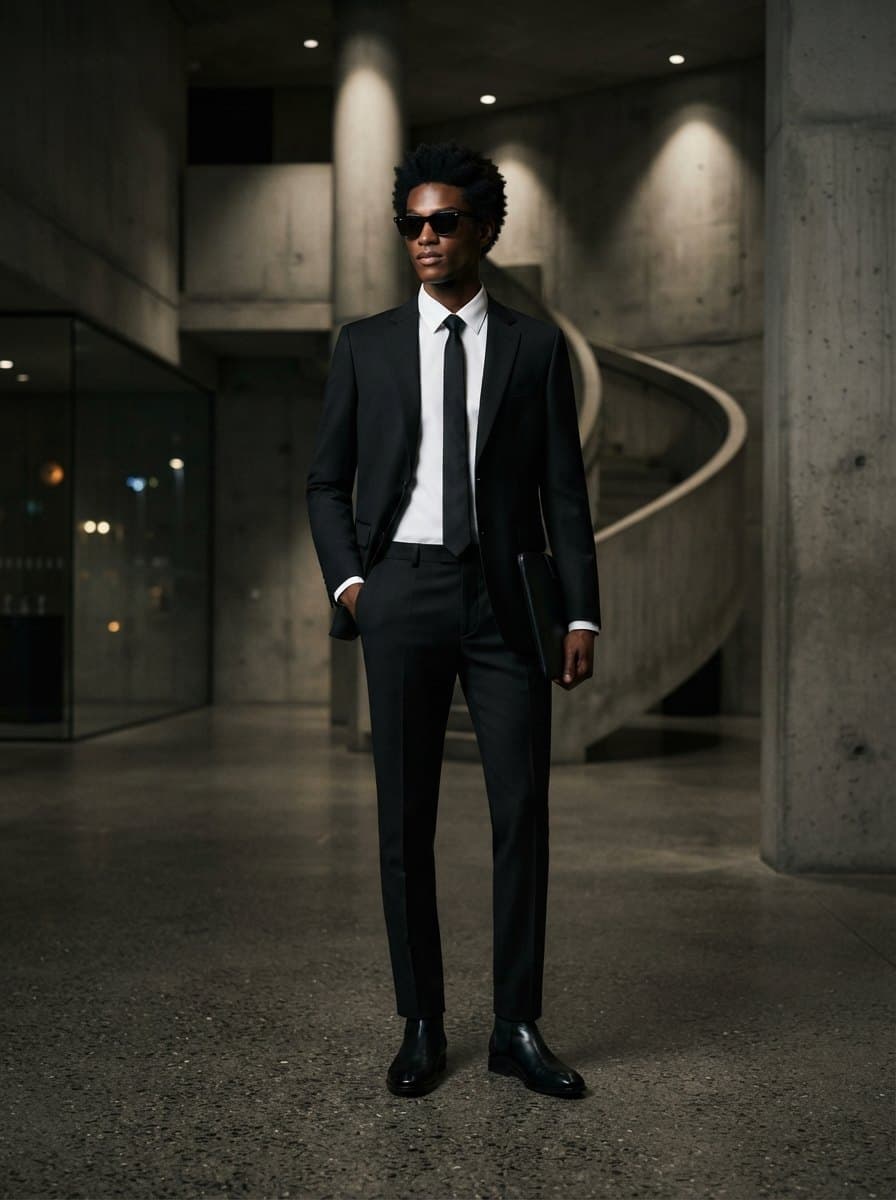
What you need for a Suit costume
Suit Jacket
A well-fitting single-breasted suit jacket, preferably in solid black, charcoal grey, or navy blue.
DIY: Use a dark blazer or sport coat you already own.
Matching Trousers
Tailored dress pants that match the fabric and color of your suit jacket exactly.
DIY: Clean, pressed dark chinos can work in a pinch.
Dress Shirt
A crisp, long-sleeved button-down dress shirt, typically in solid white.
Necktie or Bowtie
A solid black silk necktie or a classic black bowtie depending on the character you are portraying.
Dress Shoes
Polished black leather oxford or derby shoes.
DIY: Any clean, dark formal shoes or loafers.
Character Props
Dark sunglasses for Men in Black, a toy prop pistol for John Wick, or a martini glass for James Bond.
DIY: Print out a fake ID badge or security clearance pass.
How to put it together
- 1
Put on the white dress shirt and button it completely to the collar.
- 2
Put on the matching suit trousers and secure them with a black leather belt.
- 3
Tie your necktie with a neat Windsor knot, or fasten your bowtie, ensuring it sits snugly against the collar.
- 4
Tuck the shirt in tightly, put on your black dress shoes, and pull on the suit jacket.
- 5
Add your character-specific accessories, such as dark sunglasses, a pocket square, or a prop badge.
- 6
Style your hair neatly to complete the polished, professional aesthetic.
Makeup & hair
Keep hair neatly combed, parted, or slicked back with gel for a classic, clean-cut look. Makeup is generally not required, but a clean-shaven face or neatly trimmed facial hair fits the sharp aesthetic best.
Suit for couples, groups, kids & more
- couples
- Go as a pair of secret agents (Men in Black) or a classic spy duo with matching dark suits and sunglasses.
- group
- Form a security detail, a group of Wall Street brokers, or the cast of Reservoir Dogs.
- kids
- A miniature tuxedo or suit makes for an adorable 'baby boss' or secret agent look.
- Plus size
- Opt for a modern athletic-fit suit with stretch fabric for maximum comfort and mobility.
- pet
- A simple black-and-white tuxedo collar or harness slip-on turns any dog into a dapper companion.
Tips
- Ensure the suit is steamed or ironed; wrinkles instantly ruin the sharp, professional illusion.
- If you are going as John Wick, add a touch of dark eyeshadow or fake blood to your face to look battle-worn.
- Keep your pockets light to avoid bulging fabric, which ruins the clean silhouette of the suit.
Suit costume FAQ
- What characters can I dress up as using a suit?
- You can easily become James Bond, John Wick, a Men in Black agent, Slender Man, Gomez Addams, or a generic bodyguard.
- How can I make a suit look like a costume instead of regular clothes?
- The secret is in the props. Carrying a specific accessory like dark sunglasses, an earpiece, a fake briefcase, or a toy prop weapon immediately signals your character.
- Can I use a mismatched blazer and pants?
- Yes, a dark blazer and grey trousers can work for a preppy look or a detective character, but a matching suit is best for secret agents or formal characters.
Did you know? The modern lounge suit originated in 19th-century Britain as casual country wear before replacing the formal frock coat to become the global standard for business attire.