Sensory Friendly Costumes
Soft, tagless, and comfortable costumes designed for sensory-sensitive trick-or-treaters.
Sensory-friendly costumes prioritize comfort, soft fabrics, and easy wearability for individuals with autism or sensory processing sensitivities. Standard costumes often feature itchy tags, scratchy tulle, or tight masks that can cause sensory overload. By choosing tagless onesies, adaptive designs, or soft DIY layers, everyone can enjoy Halloween comfortably.
- Difficulty
- Easy
- Time
- ~15 min
- Budget
- $15–50
Try it on
See yourself as Sensory Friendly Costumes
One clear photo of yourself; we render you in this costume — face untouched, full body, about 20 seconds.
One render, $1. No account needed — if it fails you're not charged. Pricing.
Your photo is sent to Google's Gemini API to make the render and isn't used for training. Renders are AI-generated and labelled.
Want a different costume on this photo, or a whole group in costume? Open the Try-On Studio.
40 Sensory Friendly costume ideas
Ranked by how many people are searching for them this season. Open any one for the full guide and to try it on.
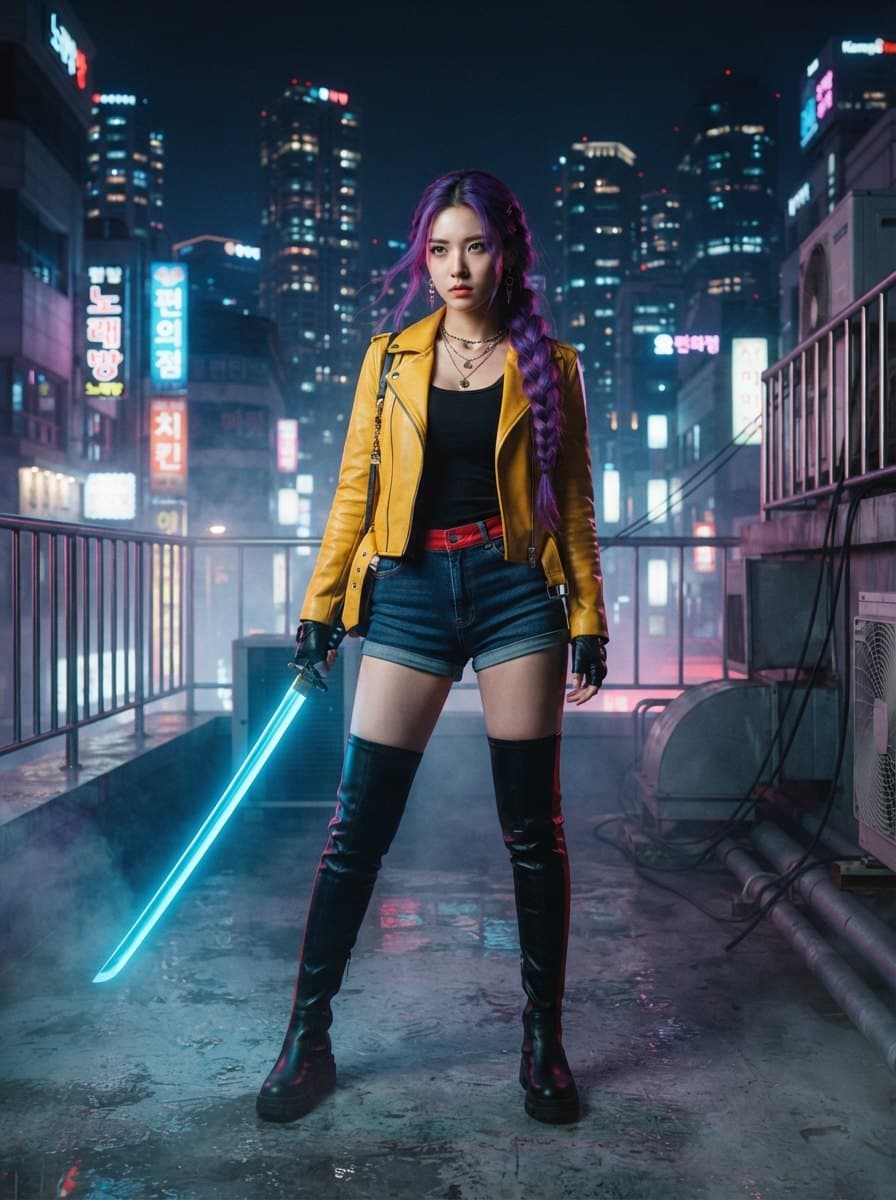
KPop Demon Hunters Costume
Unleash your inner pop star and demon hunter with Rumi's iconic look.
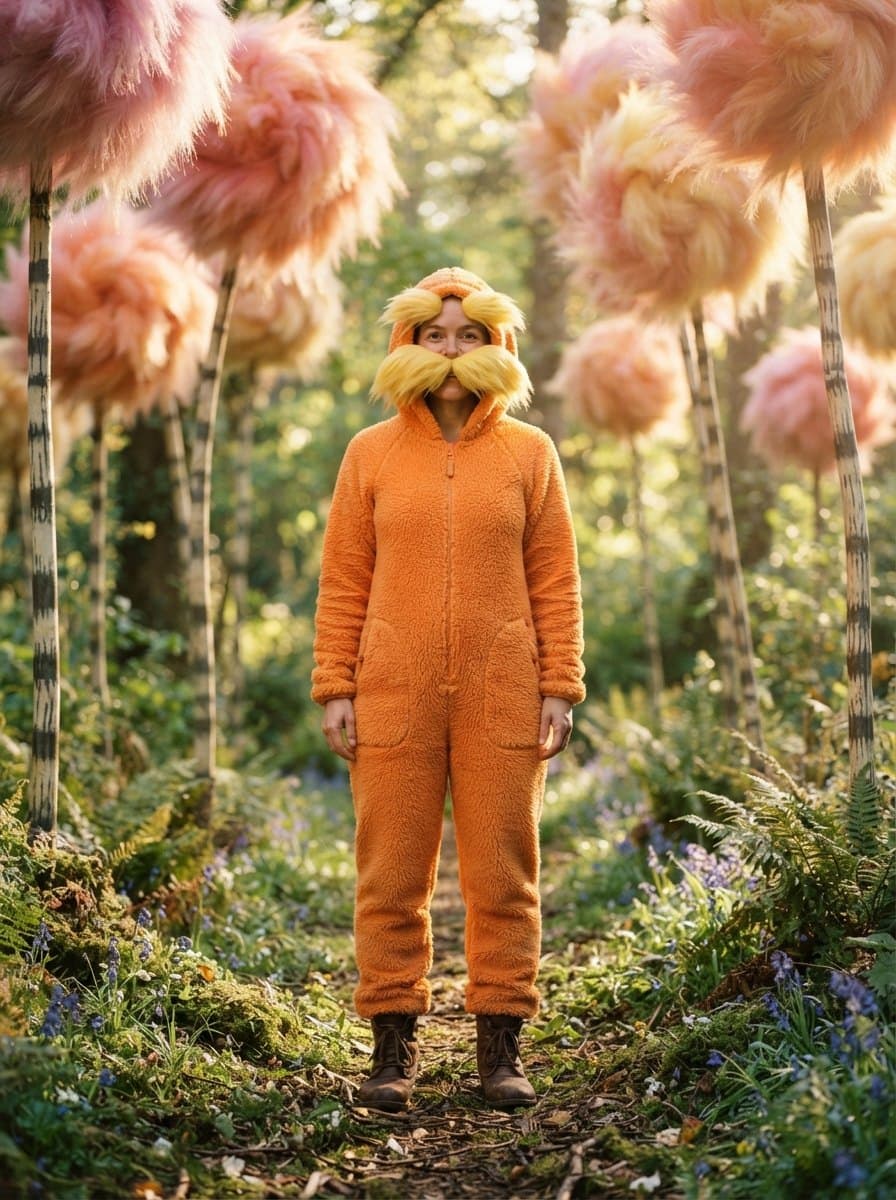
The Lorax Costume
Speak for the trees in this vibrant, cozy orange and yellow look.

Harley Quinn Costume
Unleash your inner anti-hero with Harley's iconic red and blue look.
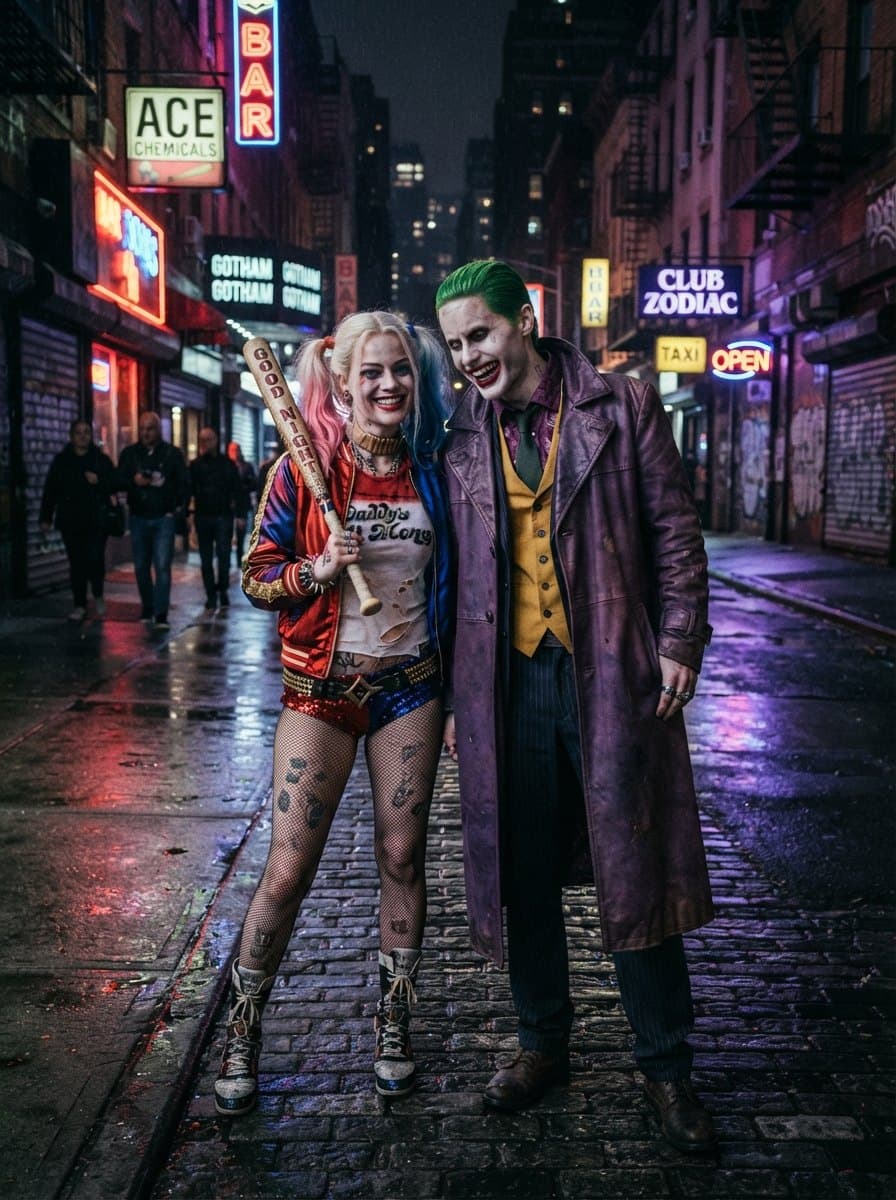
Harley Quinn and Joker Costume
Gotham's most chaotic power couple is ready to steal the show.

Minions Costume
Bello! Bring the chaotic, banana-loving fun to life.

Witch Costume
Cast a spell with a timeless, enchanting classic.

Poison Ivy Costume
Embody Gotham's seductive eco-villain with vibrant greens and ivy leaves.

Wednesday Addams Costume
Channel your favorite gothic icon with a sharp, classic monochrome look.
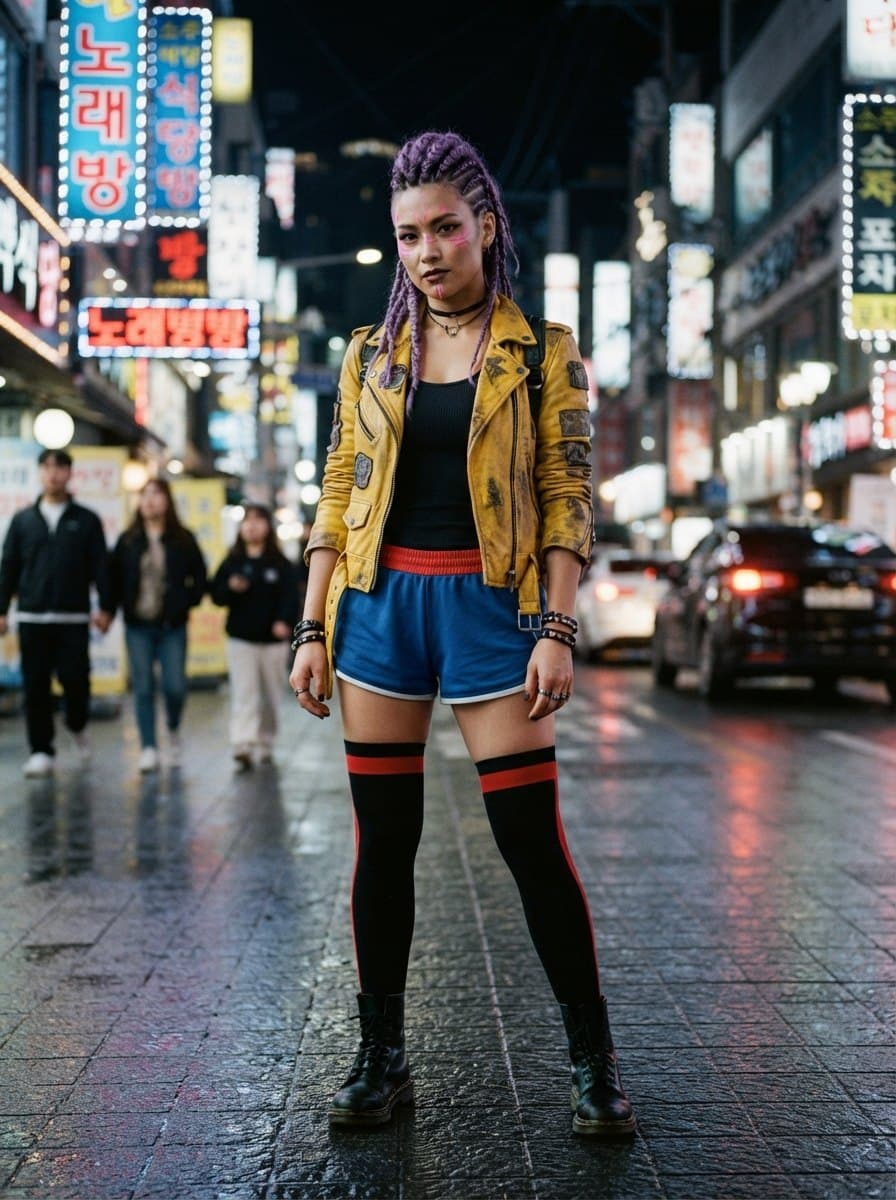
Rumi Costume
Channel the fierce leader of Huntrix with this K-pop demon hunter style.

Catwoman Costume
Steal the spotlight in Gotham's sleekest, most iconic anti-hero look.

Pirate Costume
Unleash your inner swashbuckler with this classic, customizable seafaring look.
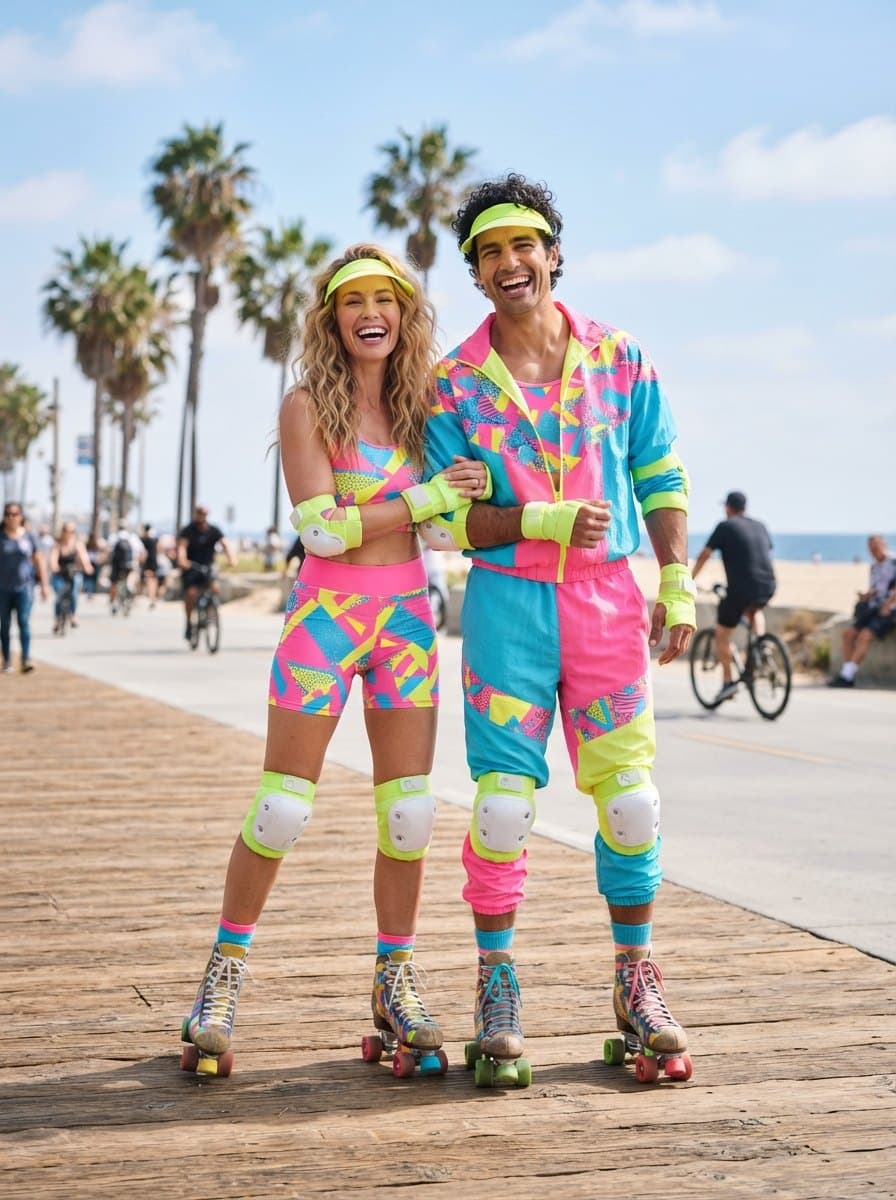
Barbie and Ken Costume
Step into a neon world as the ultimate, fashion-forward plastic duo.
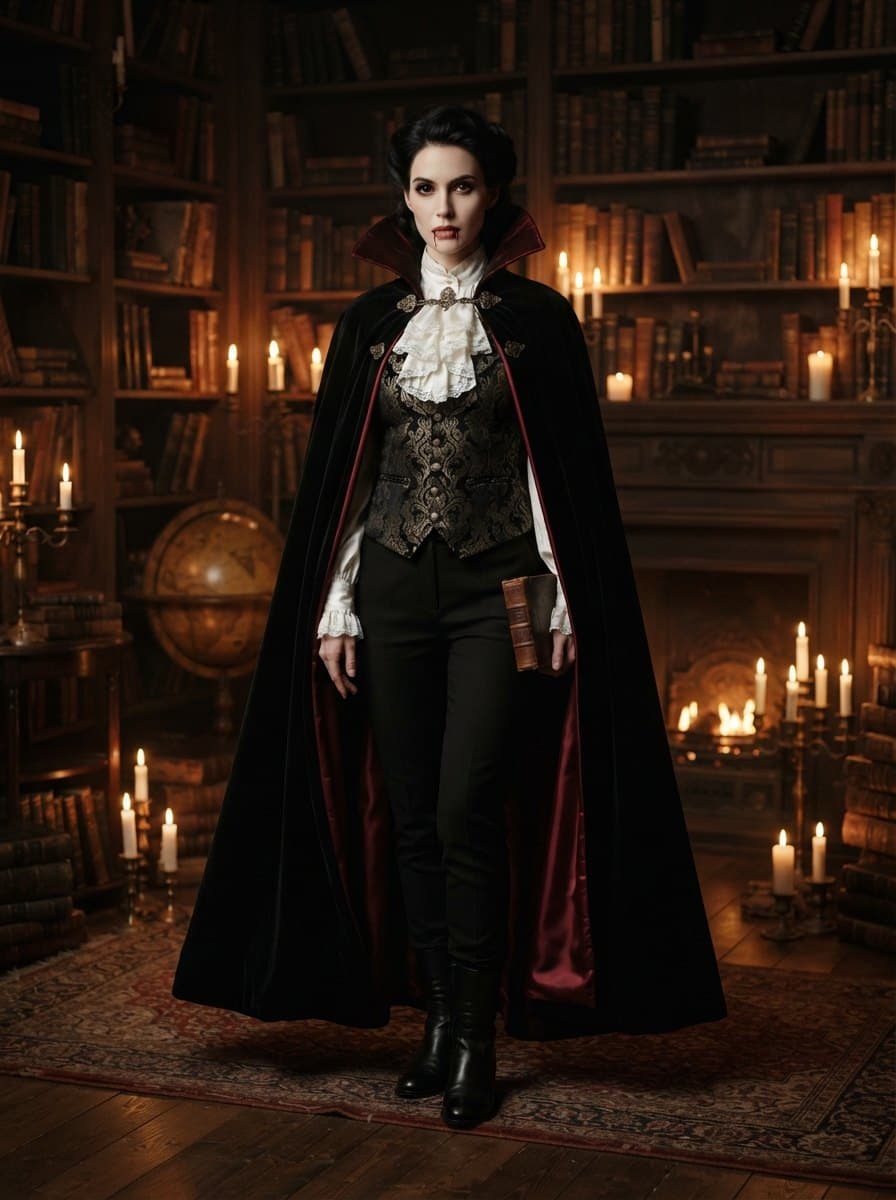
Vampire Costume
Embrace the night with a classic, timeless gothic look.
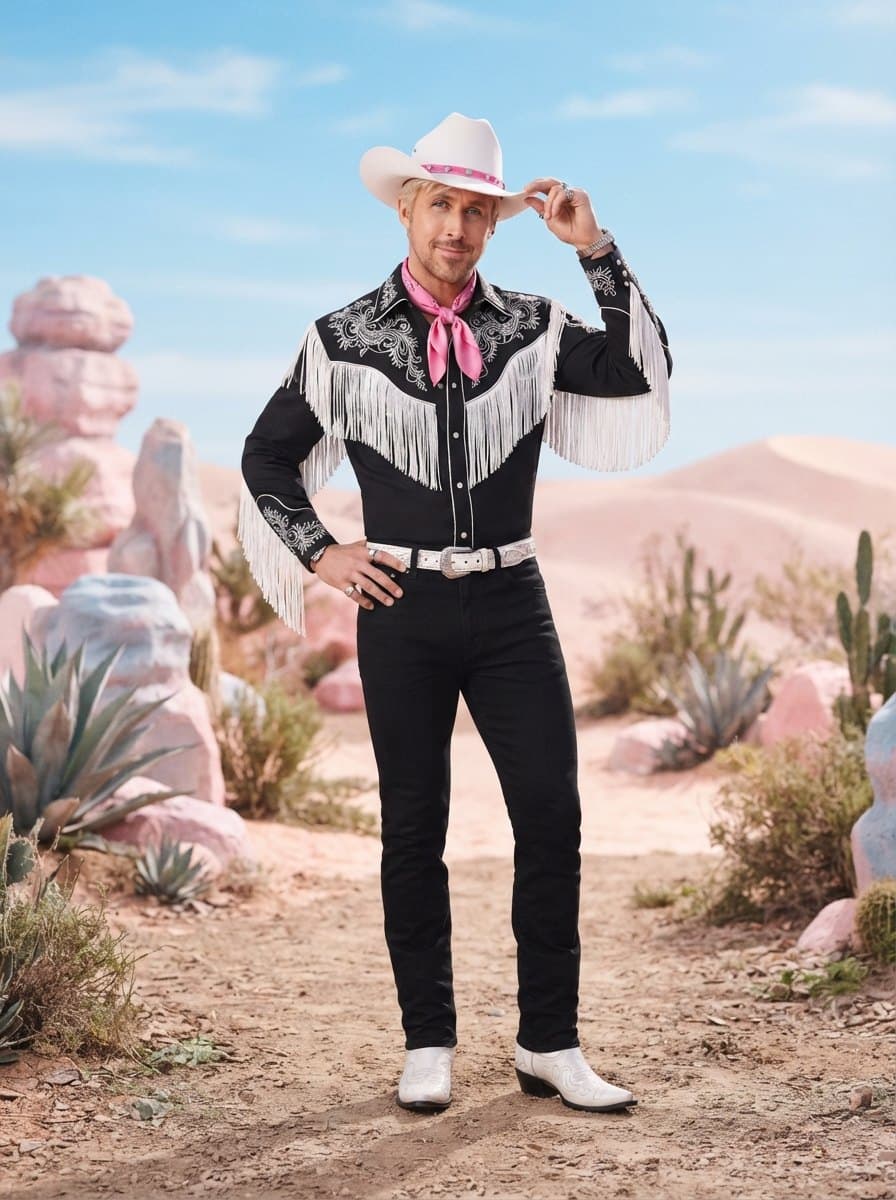
Ken Costume
Bring the ultimate Kenergy with this iconic Western look.

Scar Costume
Be prepared to rule the Pride Lands in villainous style.

Ghostface Costume
Rule the night as the ultimate Woodsboro slasher.

Michael Myers Costume
Embody the silent, unstoppable shape of Halloween night.

Joker Costume
Unleash your inner agent of chaos in style.
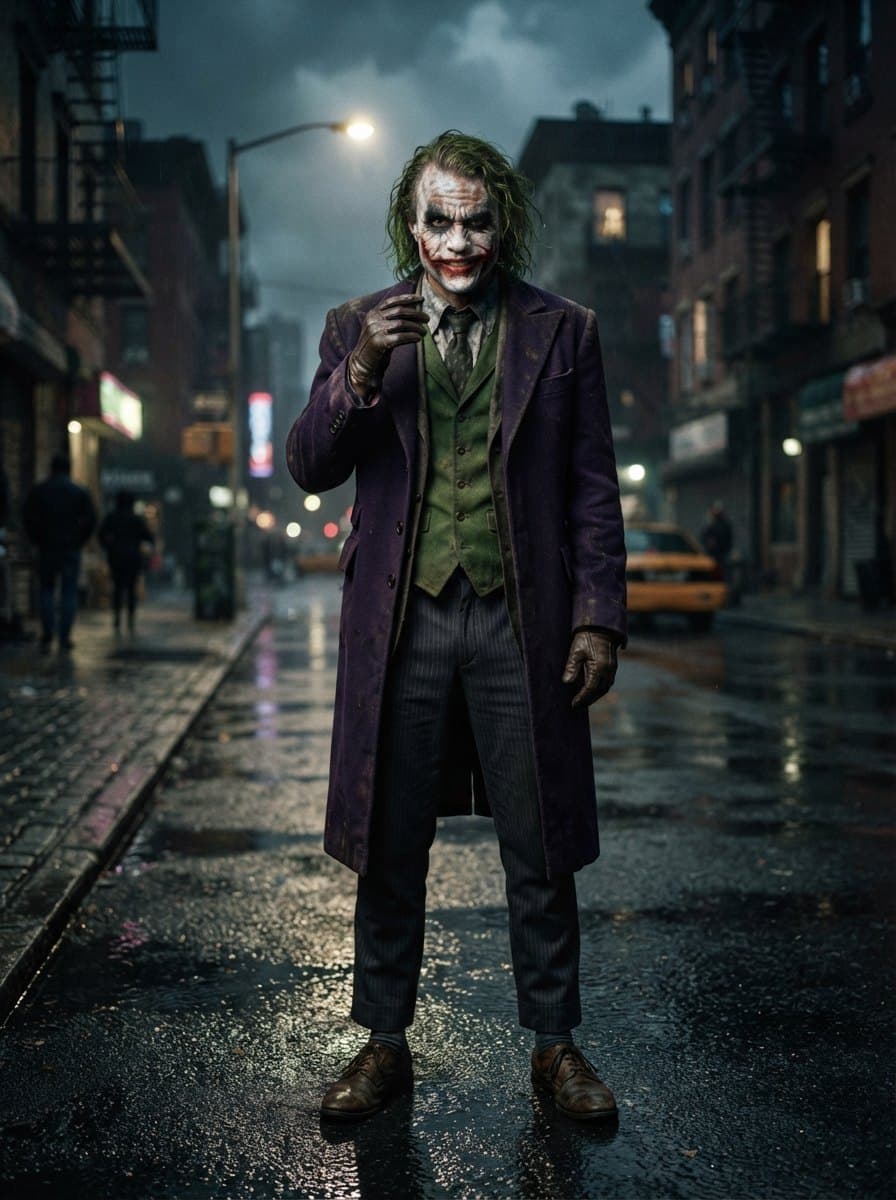
The Joker Costume
Embrace the chaos with the ultimate Gotham villain look.
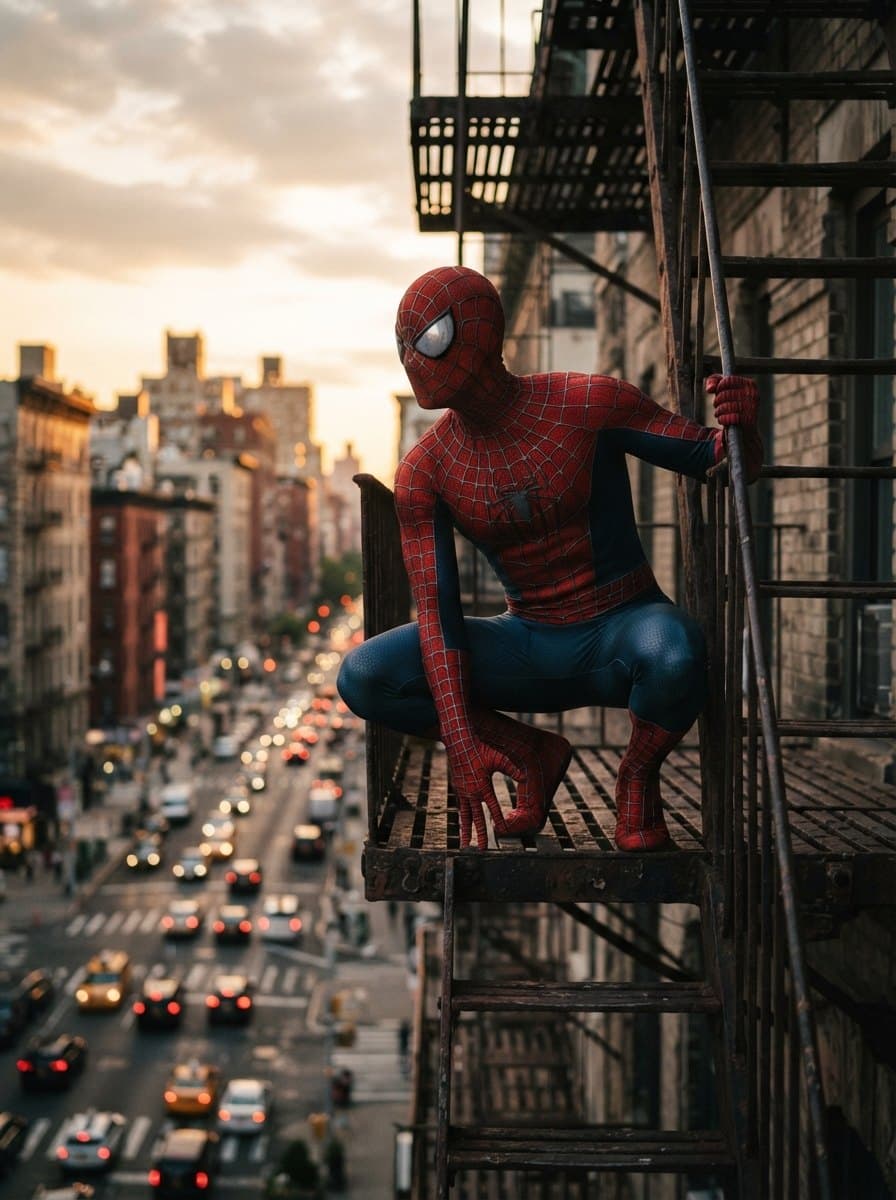
Spider-Man Costume
With great style comes great responsibility.

Batman Costume
Step out of the shadows as Gotham's legendary Dark Knight.

Wonder Woman Costume
Unleash your inner warrior with the ultimate Amazonian look.

Padmé Amidala Costume
Step into the Star Wars galaxy as Naboo's courageous senator.
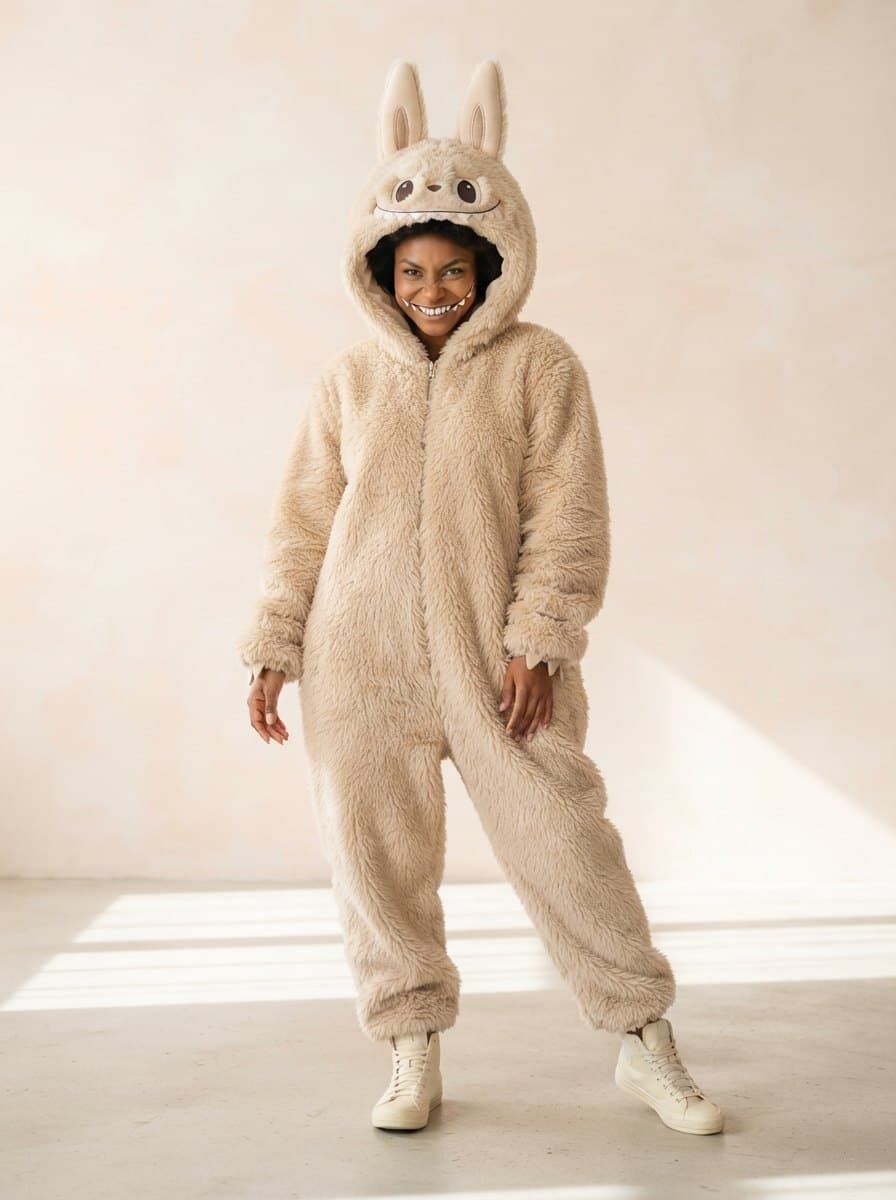
Labubu Costume
Bring Pop Mart's most mischievous, lovable monster to life.

Starfire Costume
Channel your inner Tamaranian princess with this vibrant superhero look.
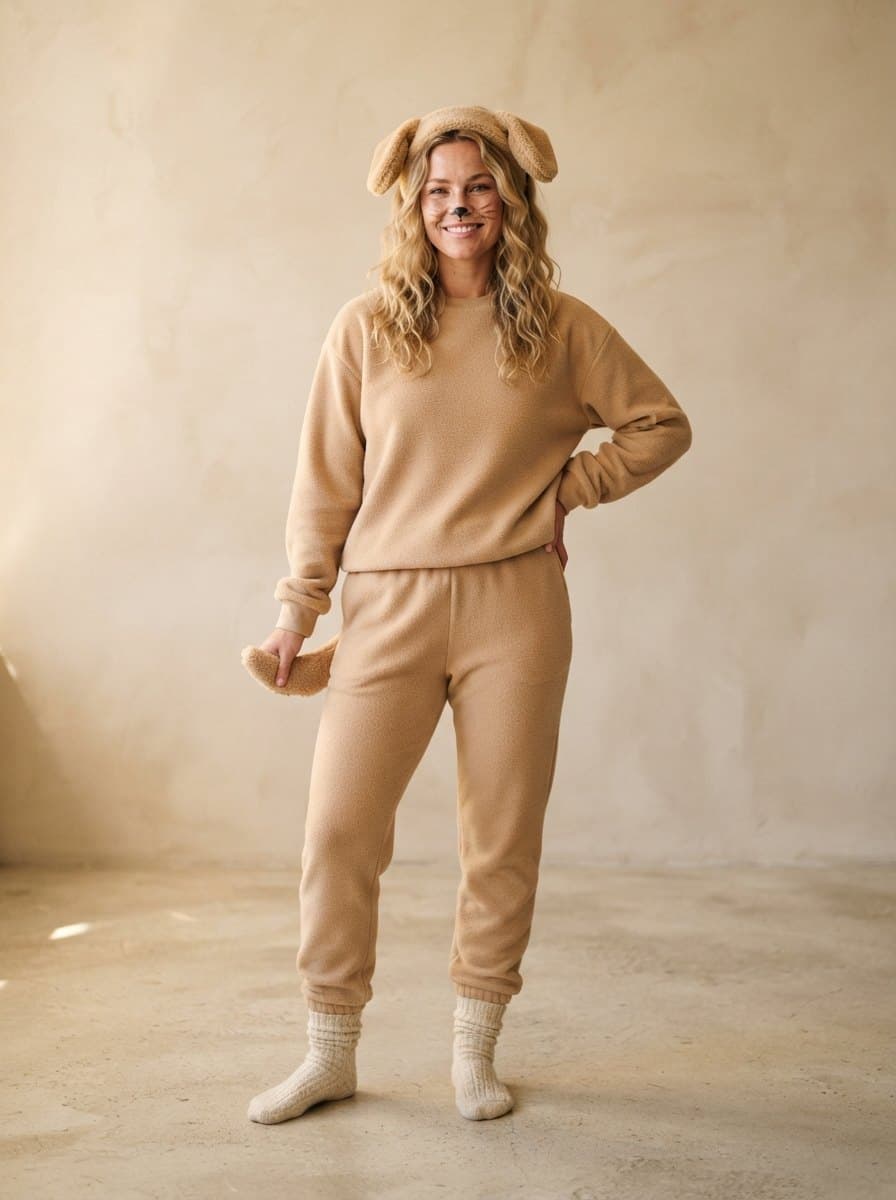
Dog Costume
Unleash your inner pup with this easy, comfortable classic.

Pennywise Costume
Float down here with this screen-accurate, terrifying killer clown look.
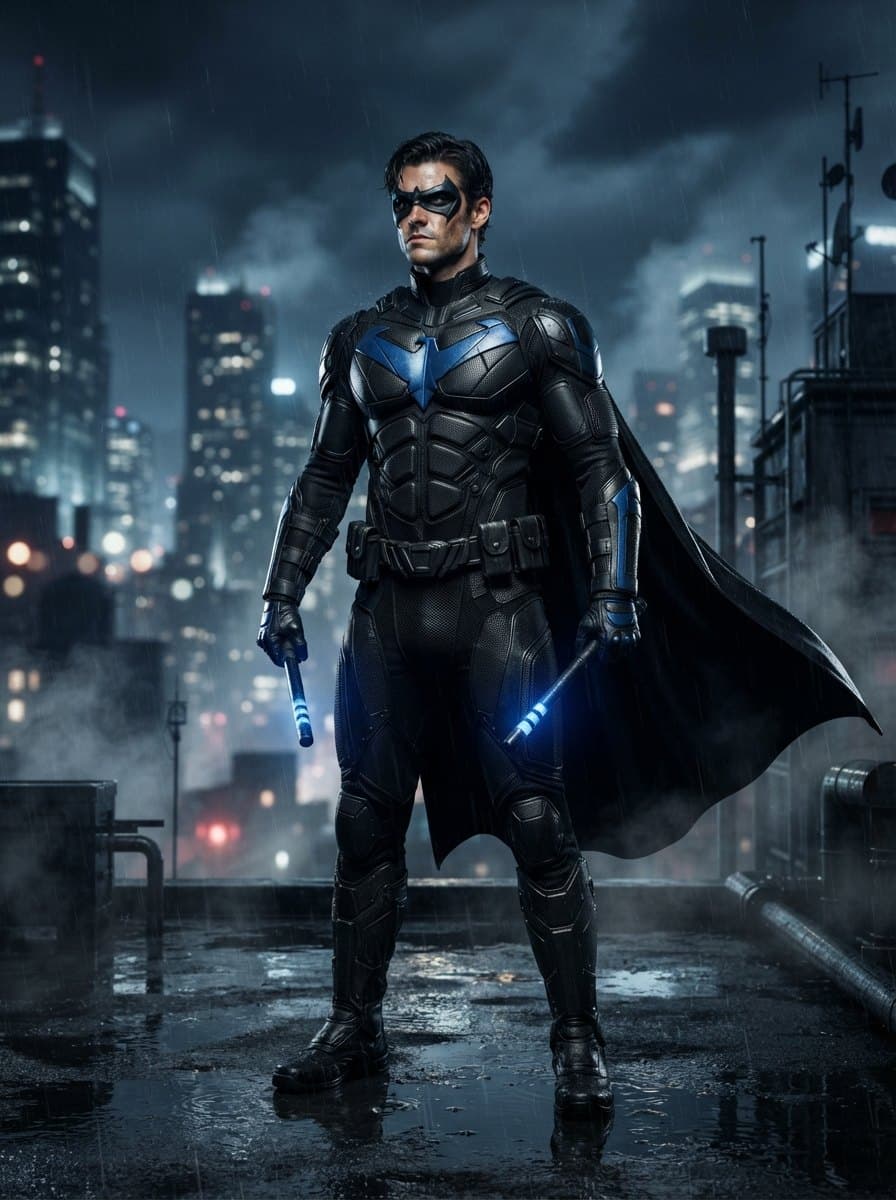
Nightwing Costume
Step out of Batman's shadow in this sleek vigilante look.

Freddy Krueger Costume
Bring the ultimate dream-stalking nightmare to life this Halloween.

Little Red Riding Hood Costume
Journey through the woods in this timeless, enchanting fairytale look.
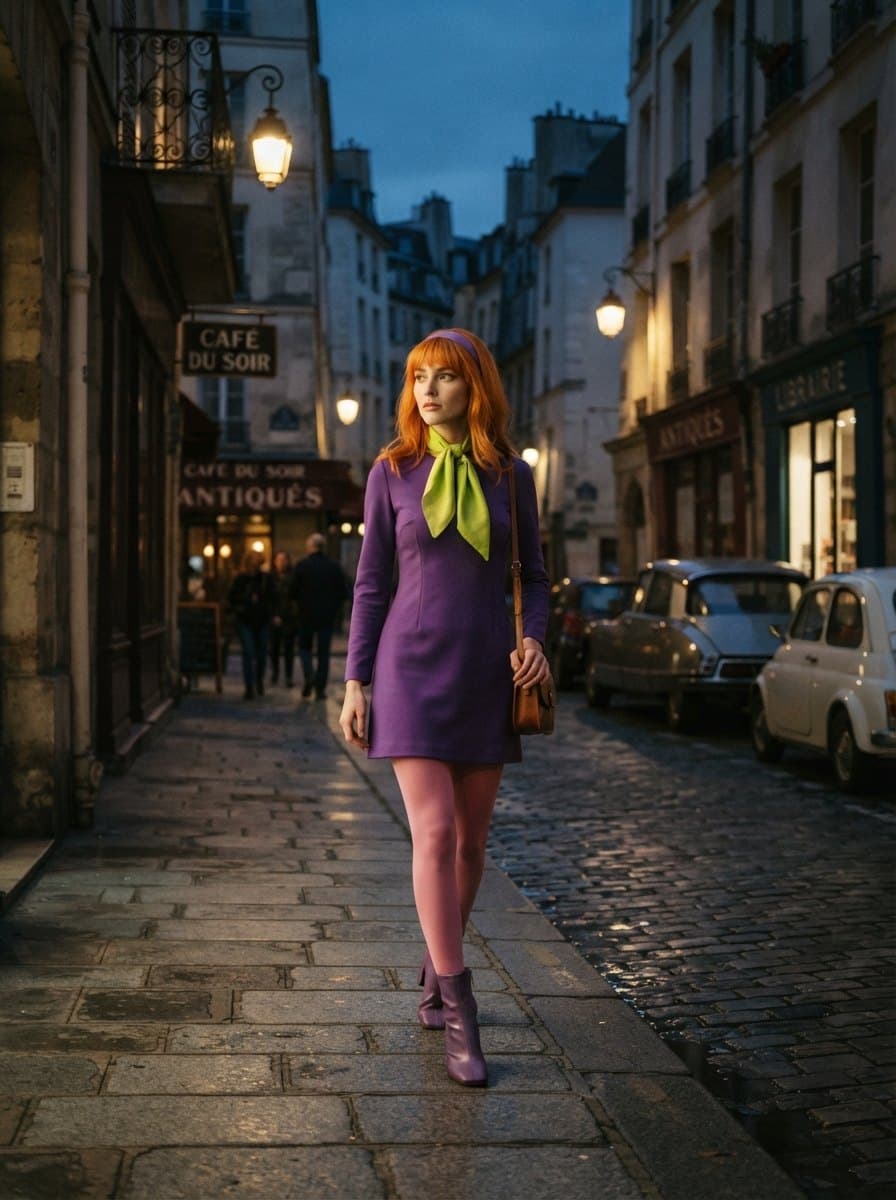
Daphne Blake Costume
Solve mysteries in style with Daphne's retro 1960s purple look.
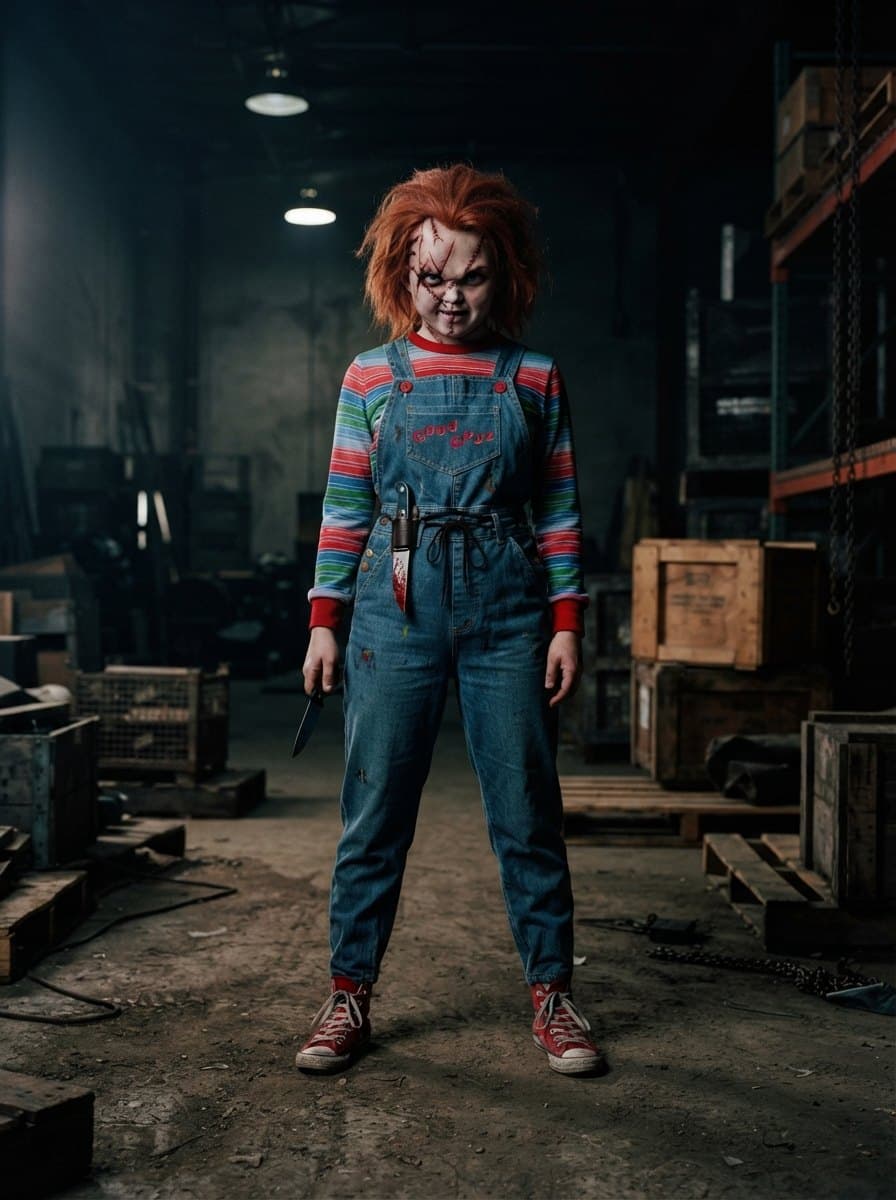
Chucky Costume
Channel your inner killer doll with Chucky's iconic striped look.
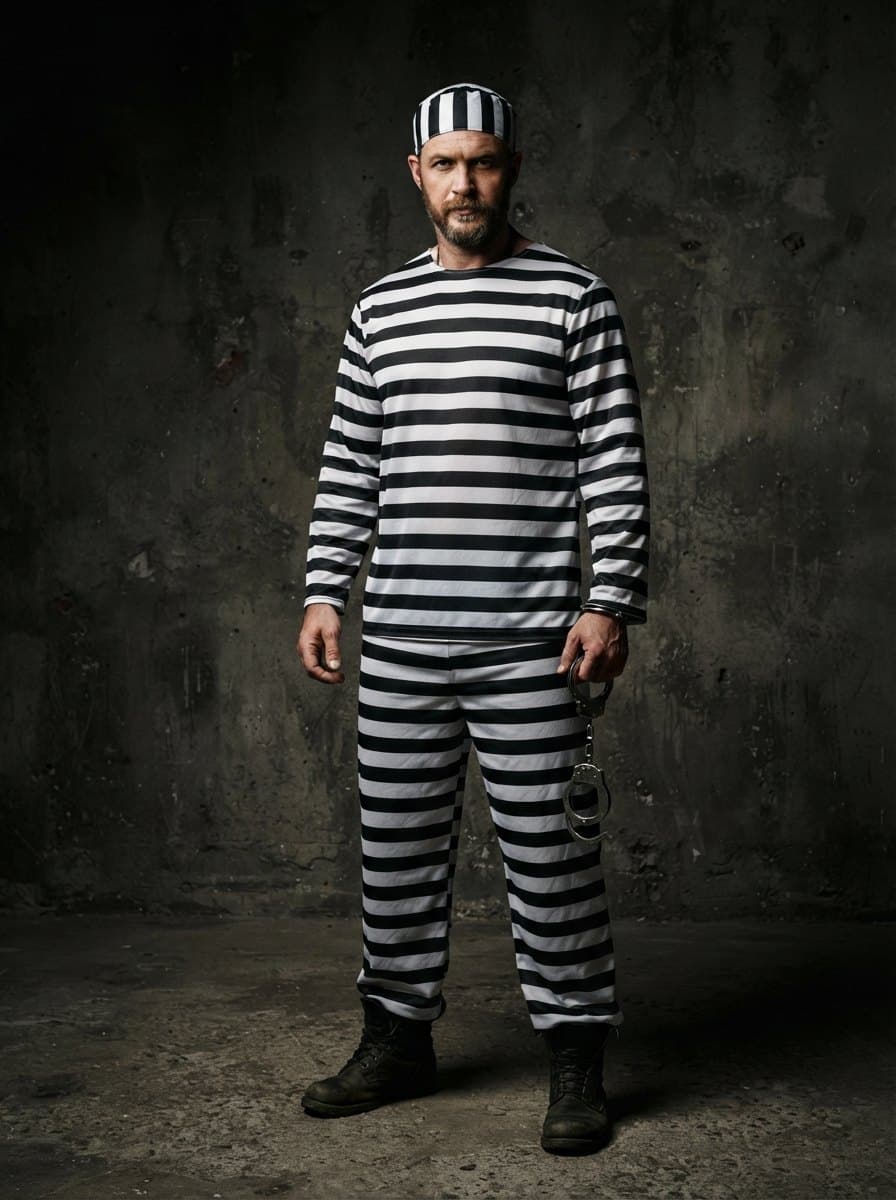
Prisoner Costume
The ultimate classic jailbird look that is incredibly easy to style.

Alice Costume
Bring the magic of Wonderland to life with this iconic blue dress.
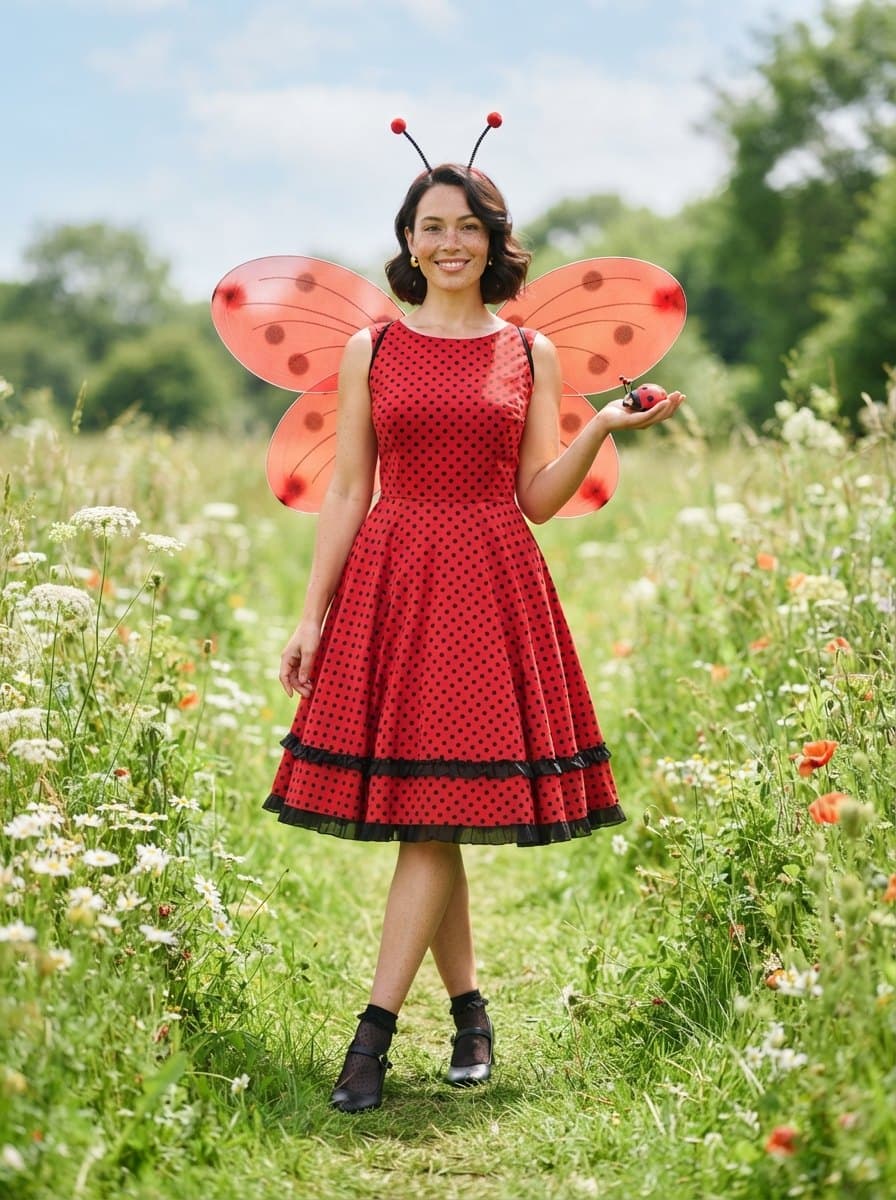
Ladybug Costume
A bright, cheerful, and easy-to-wear costume perfect for any occasion.

Clown Costume
Bring the circus to life with vibrant patterns and classic comedy.

Strawberry Shortcake Costume
Bring sweet 1980s nostalgia to life with this classic berry look.

Scarecrow Costume
Bring rustic autumn charm to life with a classic scarecrow look.
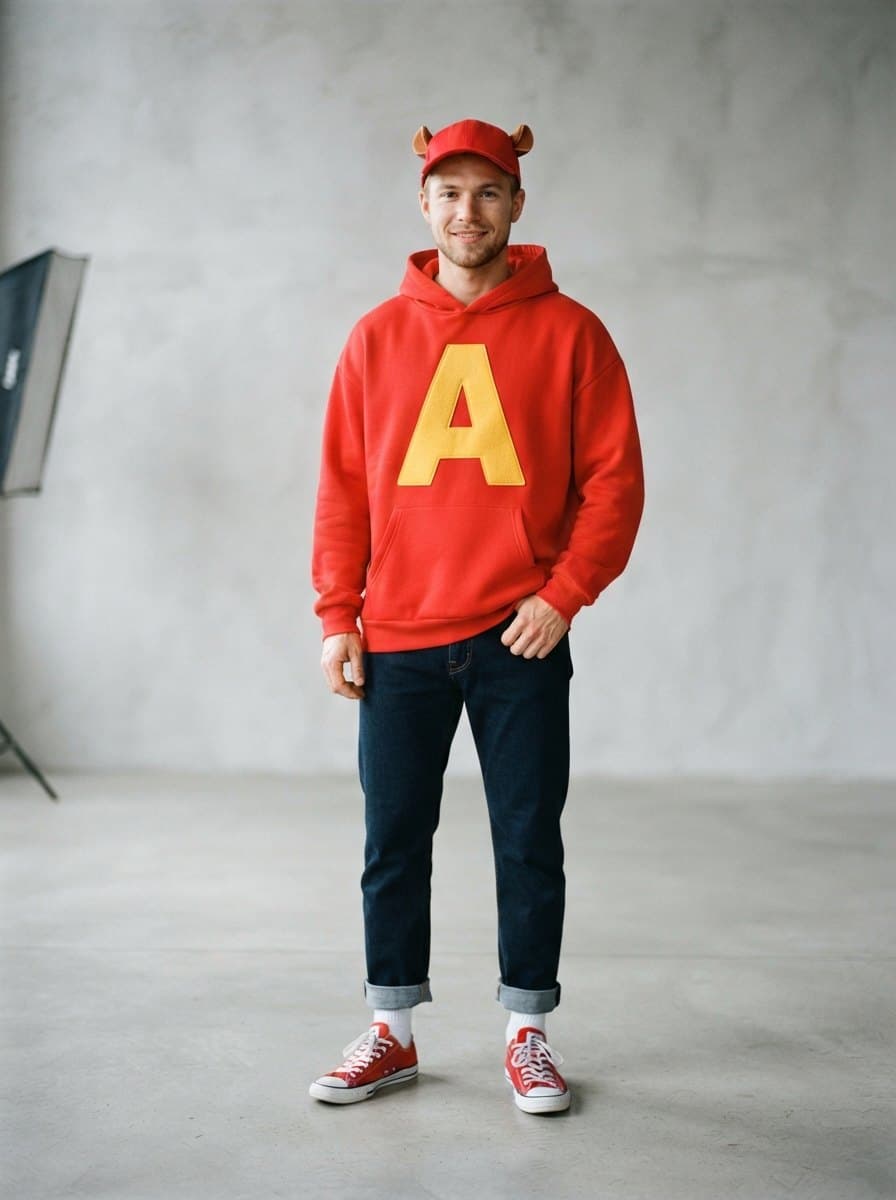
Alvin and the Chipmunks Costume
Bring the musical chipmunk trio to life with simple, colorful hoodies.
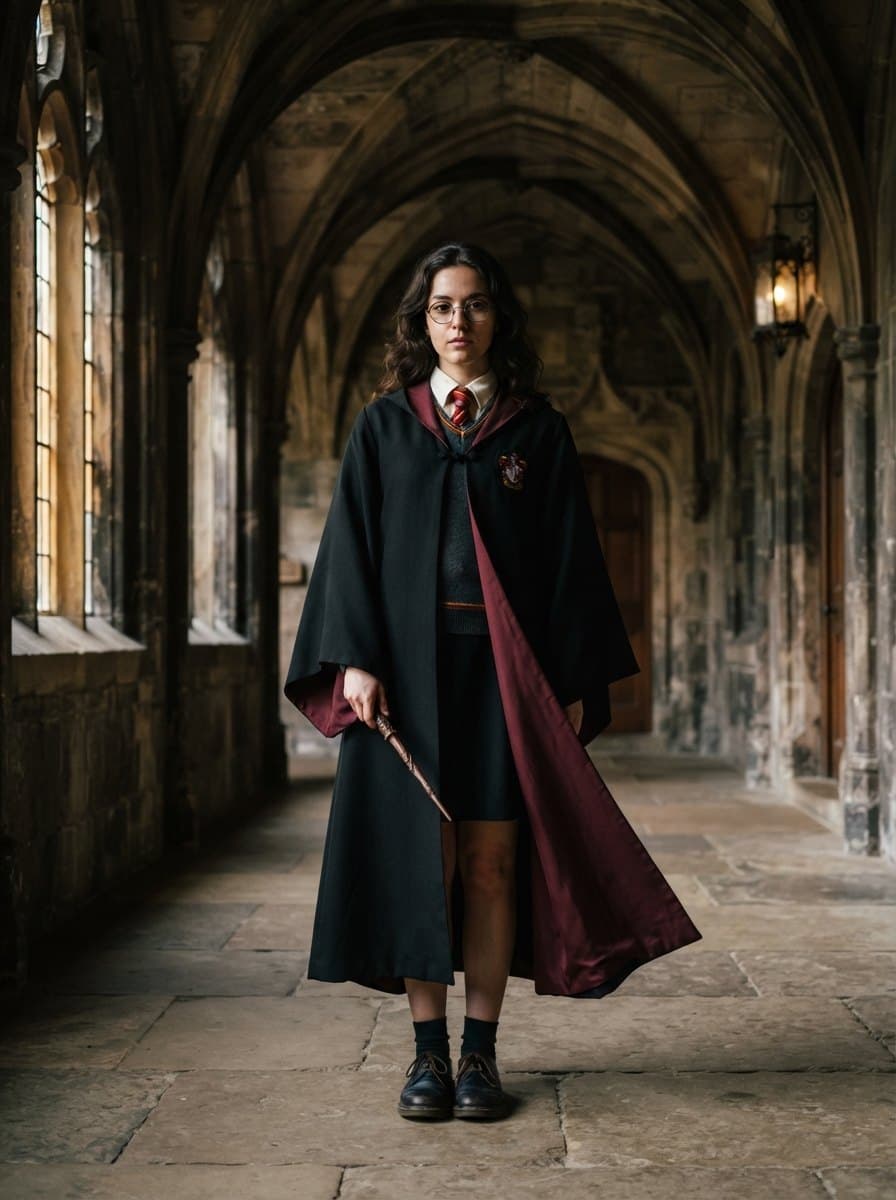
Harry Potter Costume
Step into the wizarding world with the iconic Gryffindor uniform.
What you need for a Sensory Friendly Costumes costume
Soft Cotton Base Layer
A tagless, long-sleeve t-shirt and leggings made of breathable, pre-washed cotton to prevent skin irritation.
DIY: Use a favorite, well-worn pair of pajamas or sweatpants already in the closet.
Fleece Animal Onesie
A loose-fitting, ultra-soft fleece jumpsuit (such as a shark, dinosaur, or bear) with flat seams and a front zipper.
DIY: Fabric-glue felt shapes onto a soft, oversized hoodie to create animal features.
Adaptive Closures
Soft magnetic snaps or low-profile Velcro to replace stiff zippers or rough plastic fasteners.
DIY: Leave tight closures open and secure them loosely with soft fabric tape.
Seamless Socks and Comfort Shoes
Worn-in, familiar sneakers paired with seamless socks to avoid pressure points.
DIY: Wear the child's everyday favorite shoes instead of costume boots.
How to put it together
- 1
Select a soft, pre-washed base layer like tagless cotton pajamas to protect the skin from friction.
- 2
Choose a loose-fitting fleece onesie or adaptive jumpsuit with flat inner seams.
- 3
Carefully cut out all tags, stiff inner linings, and tight elastic bands from the costume.
- 4
Opt for a soft hood or headband instead of a full-face mask to keep the face and eyes completely clear.
- 5
Secure any loose flaps or closures with soft fabric tape to prevent rubbing during movement.
- 6
Have the wearer put on their most comfortable, familiar pair of sneakers.
Makeup & hair
Skip heavy face paint, wigs, and hairspray, as these textures can be highly irritating. Keep hair in a familiar, comfortable style, or use a soft fabric headband if accessories are desired.
Tips
- Have the wearer try on the costume around the house multiple times before Halloween to build familiarity and comfort.
- Wash the costume with your usual scent-free detergent before the big day to make it smell familiar and soften the fabric.
- Keep a backup outfit, like a favorite graphic tee or cozy pajamas, ready in case the costume becomes overwhelming during trick-or-treating.
Sensory Friendly Costumes costume FAQ
- What makes a Halloween costume sensory-friendly?
- Sensory-friendly costumes feature soft, breathable fabrics, flat seams, tagless labels, and loose fits. They avoid masks, heavy makeup, tight elastics, and scratchy materials like tulle or sequins.
- How can I make a standard costume more comfortable?
- Cut out all tags, wear a soft cotton long-sleeve shirt and leggings underneath as a barrier, and replace scratchy Velcro or zippers with soft magnetic snaps.
- What are some easy DIY sensory-friendly costume ideas?
- Start with a solid-colored sweatpants and hoodie set, then fabric-glue soft felt shapes onto the back to create a dinosaur, bear, or superhero look without any scratchy elements.
Did you know? Many major retailers now offer dedicated adaptive costume lines featuring hidden openings for abdominal access and wheelchair-friendly fits.