Korean Costumes
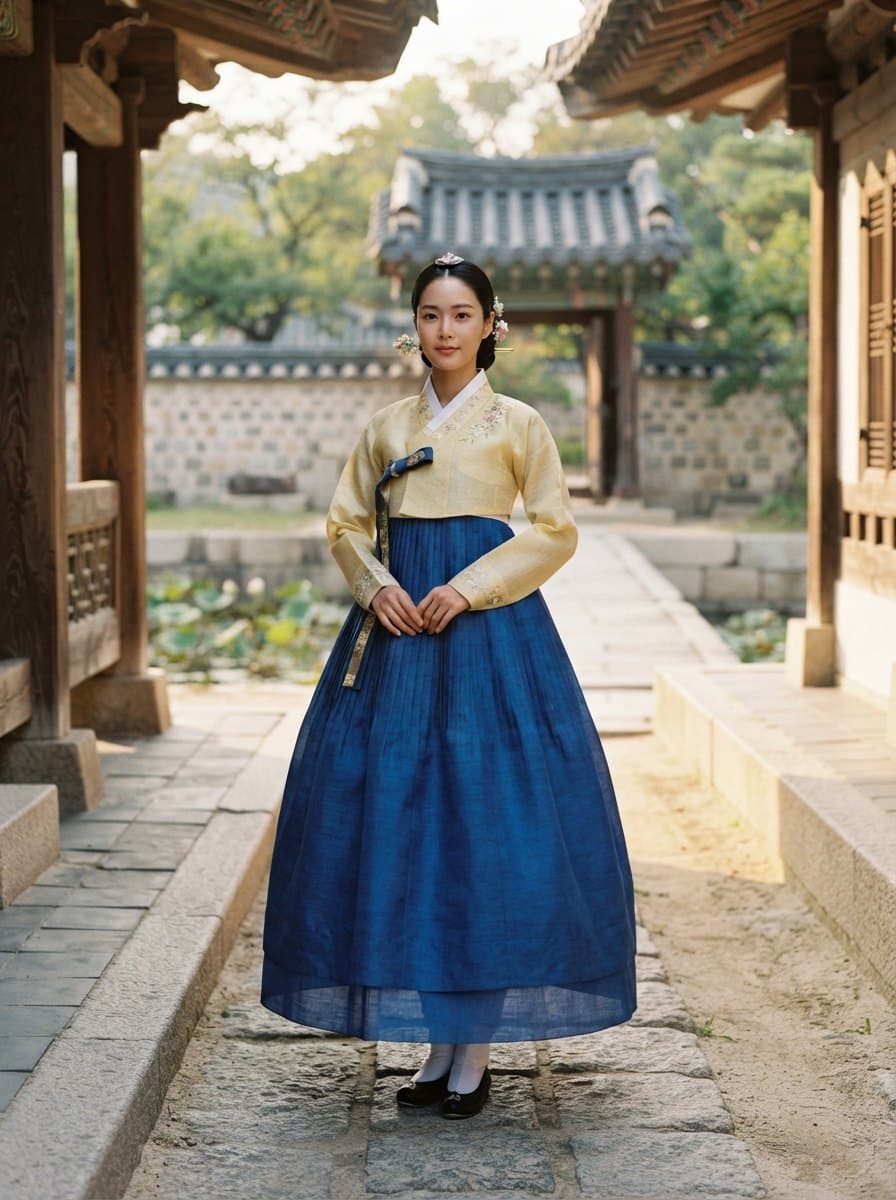
Embrace the timeless elegance and vibrant colors of the traditional Korean Hanbok.
The Hanbok is the traditional attire of Korea, characterized by its vibrant colors, simple lines, and elegant silhouette. Often worn for formal festivals, holidays, and celebrations, it consists of a cropped jacket (jeogori) paired with a high-waisted wrap skirt (chima) for women or loose trousers (baji) for men. Choosing this costume allows you to showcase a beautiful, culturally rich, and globally recognized ensemble.
- Difficulty
- Easy
- Time
- ~15 min
- Budget
- $40–150
Try it on
See yourself as Korean Costumes
One clear photo of yourself; we render you in this costume — face untouched, full body, about 20 seconds.
One render, $1. No account needed — if it fails you're not charged. Pricing.
Your photo is sent to Google's Gemini API to make the render and isn't used for training. Renders are AI-generated and labelled.
Want a different costume on this photo, or a whole group in costume? Open the Try-On Studio.
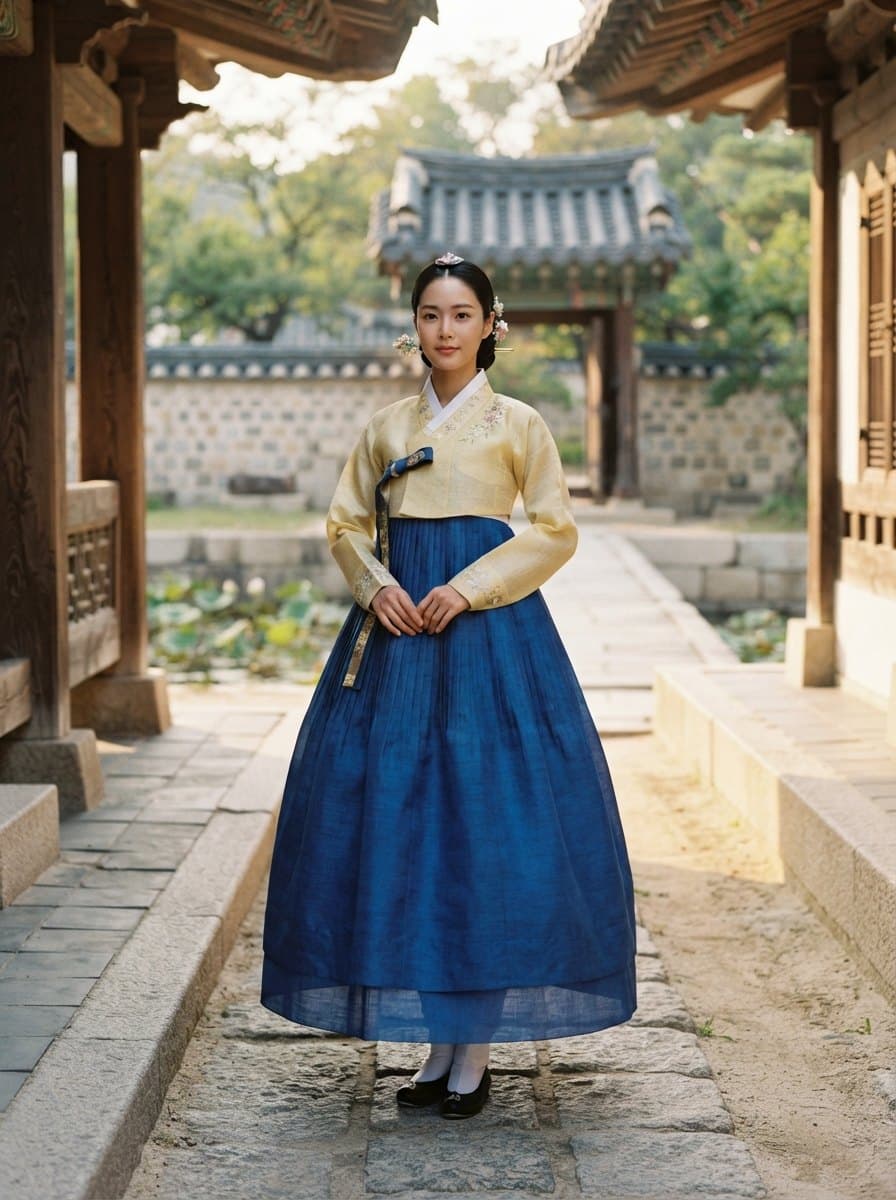
40 Korean costume ideas
Ranked by how many people are searching for them this season. Open any one for the full guide and to try it on.
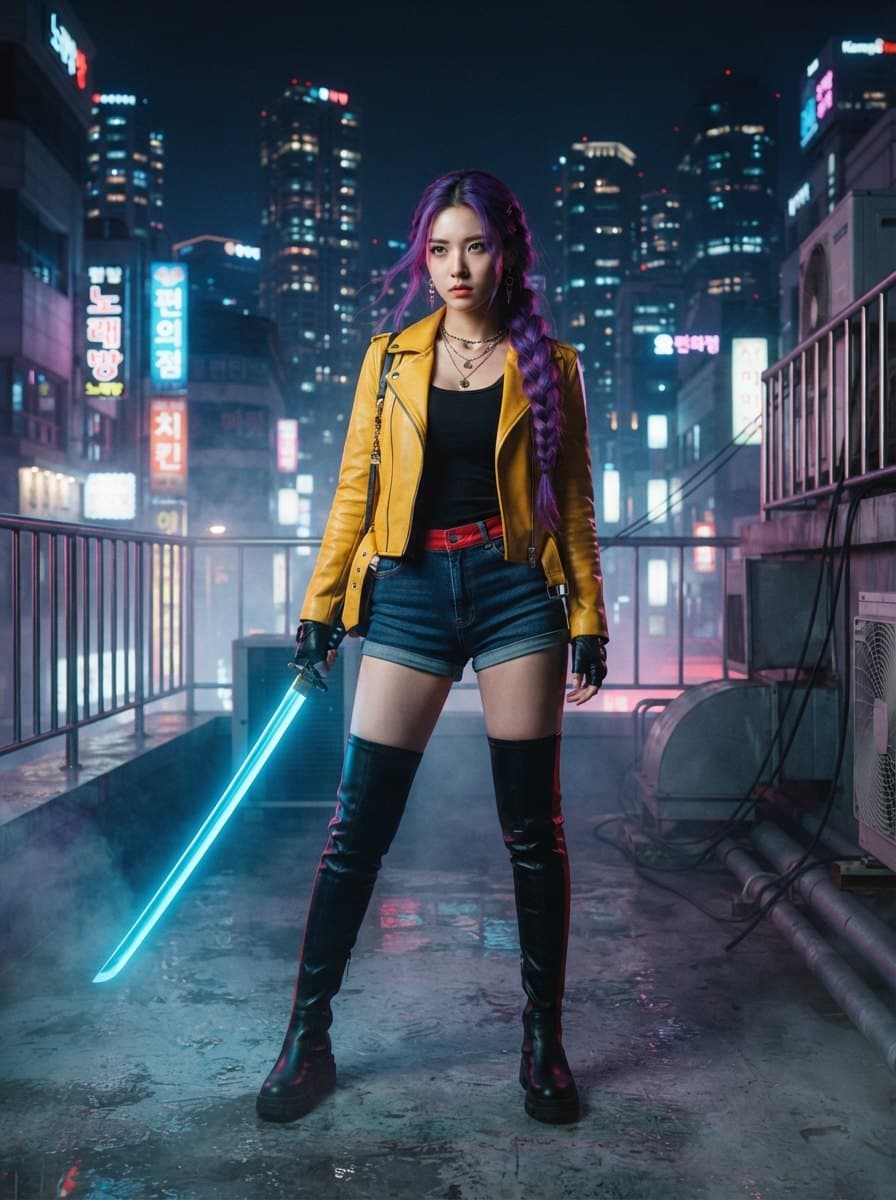
KPop Demon Hunters Costume
Unleash your inner pop star and demon hunter with Rumi's iconic look.
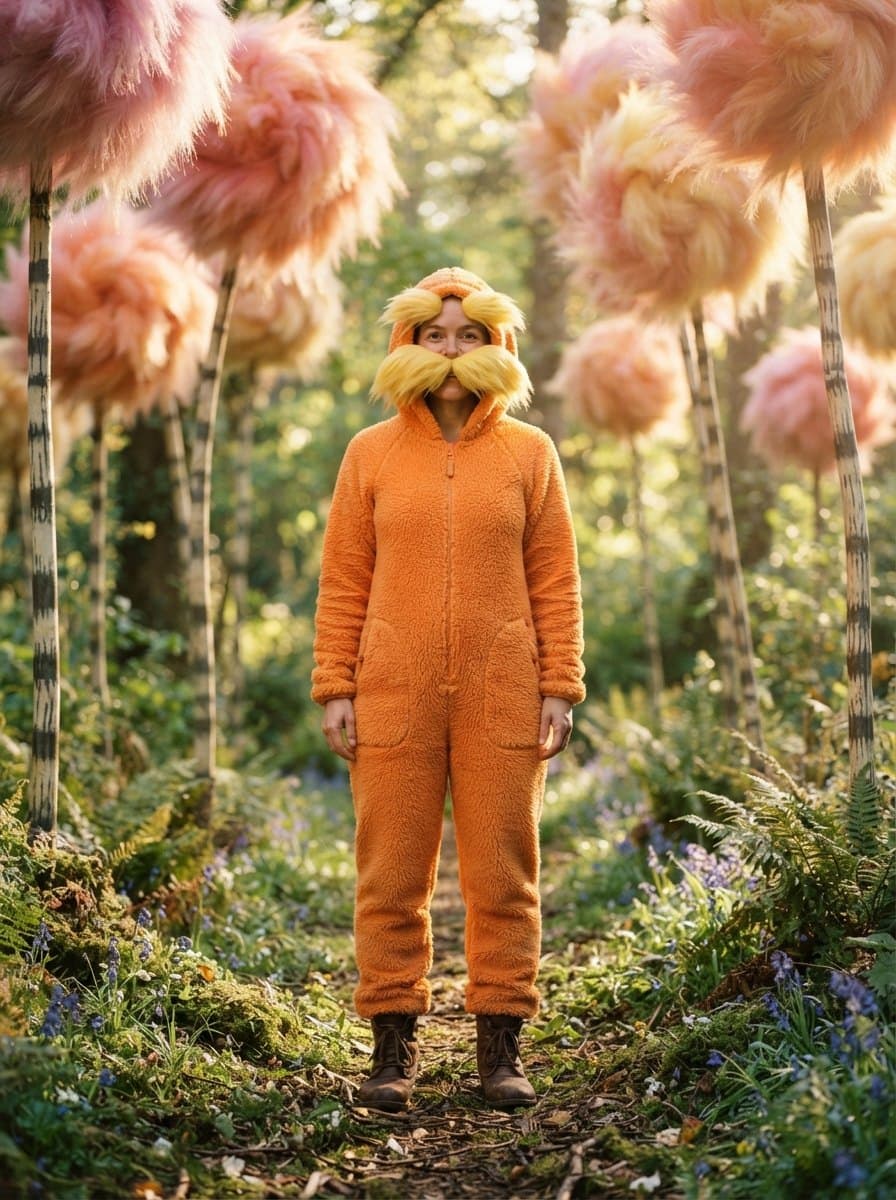
The Lorax Costume
Speak for the trees in this vibrant, cozy orange and yellow look.
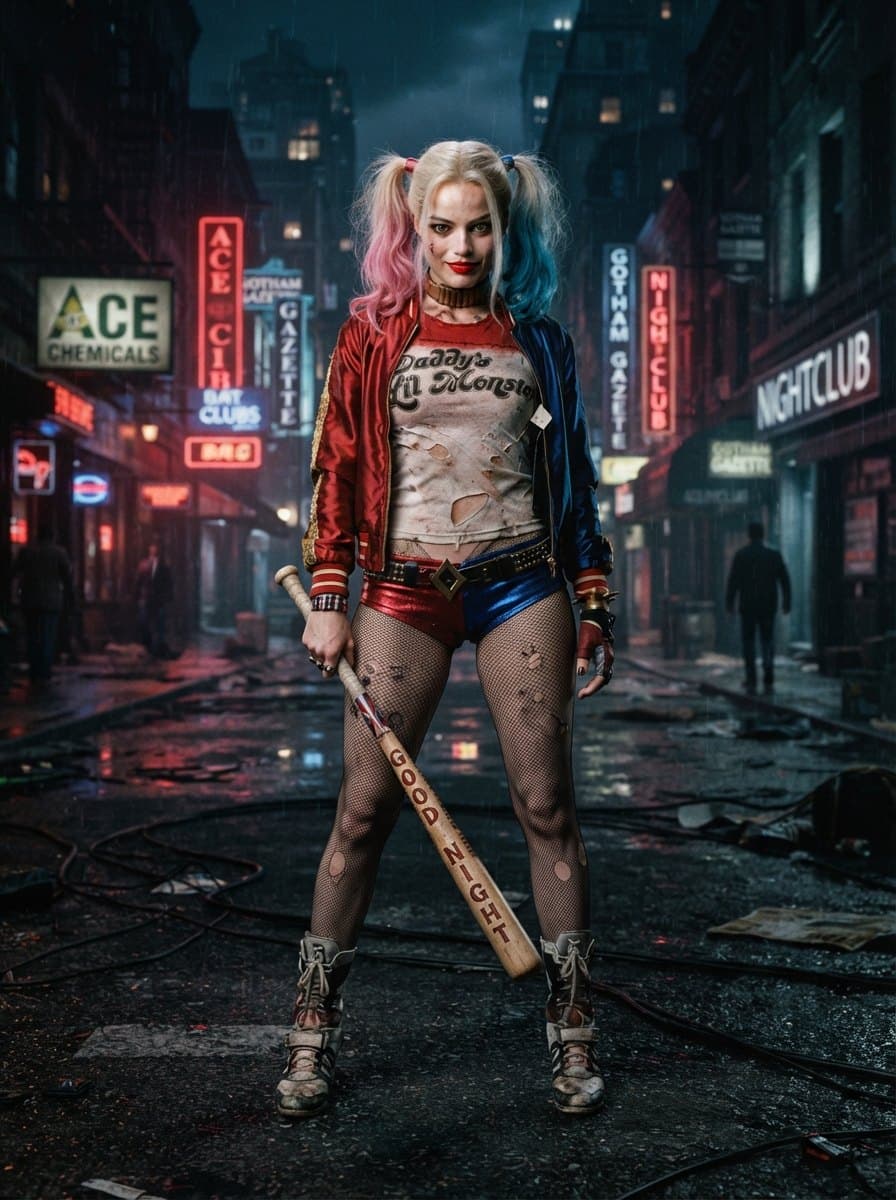
Harley Quinn Costume
Unleash your inner anti-hero with Harley's iconic red and blue look.
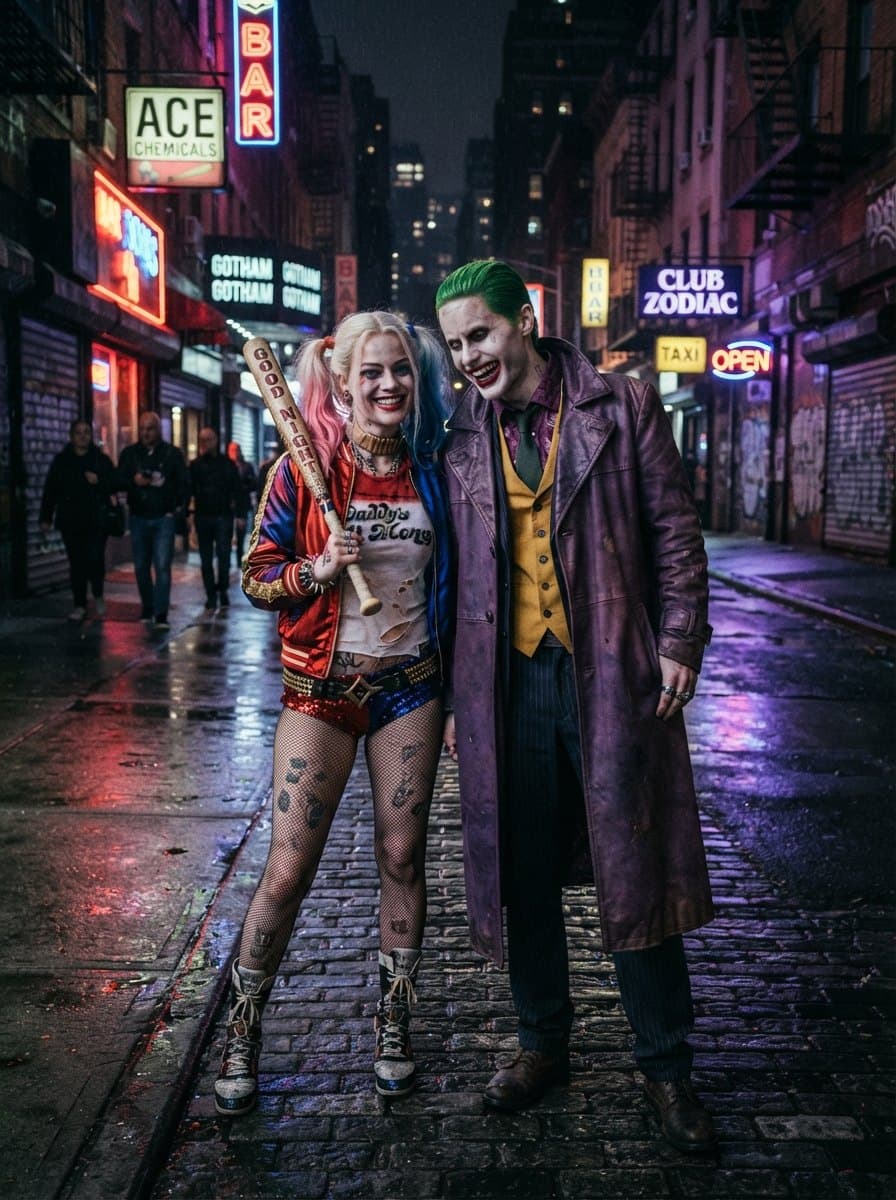
Harley Quinn and Joker Costume
Gotham's most chaotic power couple is ready to steal the show.

Minions Costume
Bello! Bring the chaotic, banana-loving fun to life.
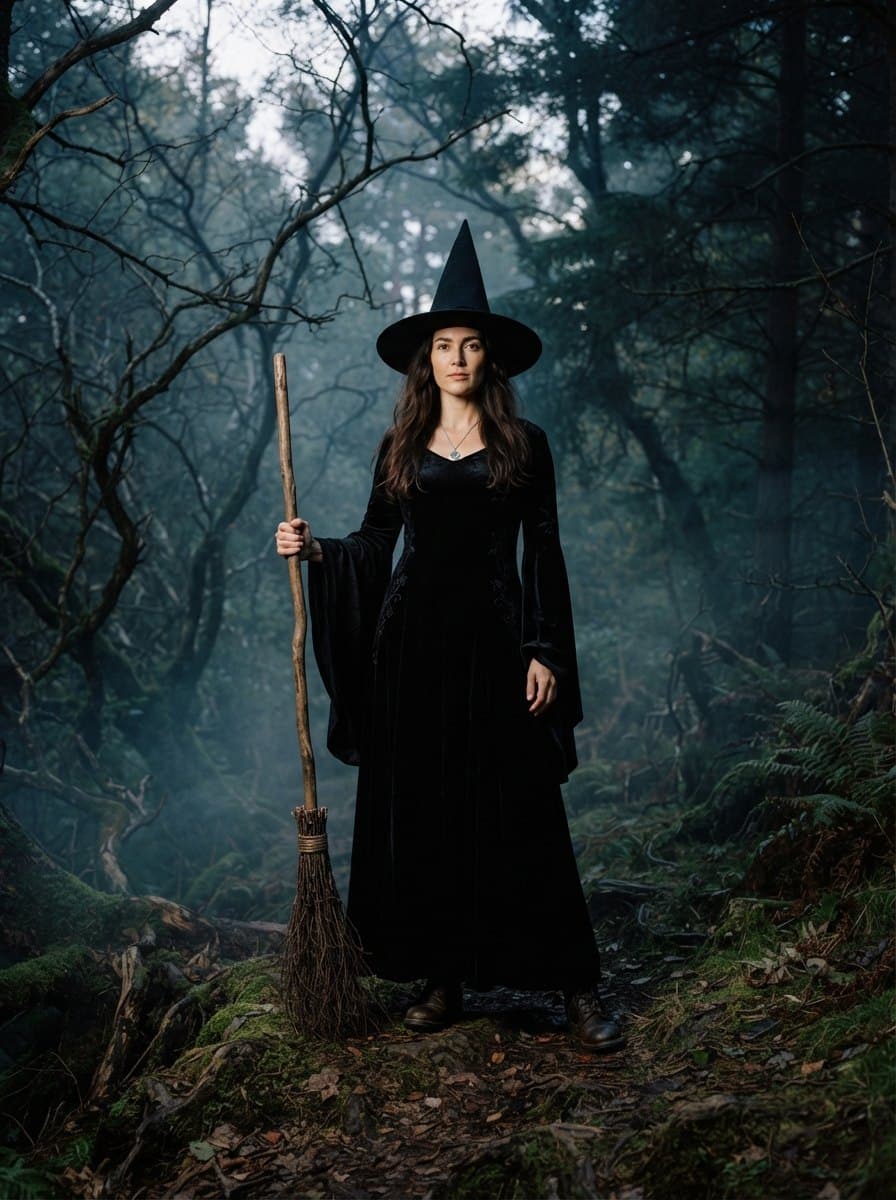
Witch Costume
Cast a spell with a timeless, enchanting classic.
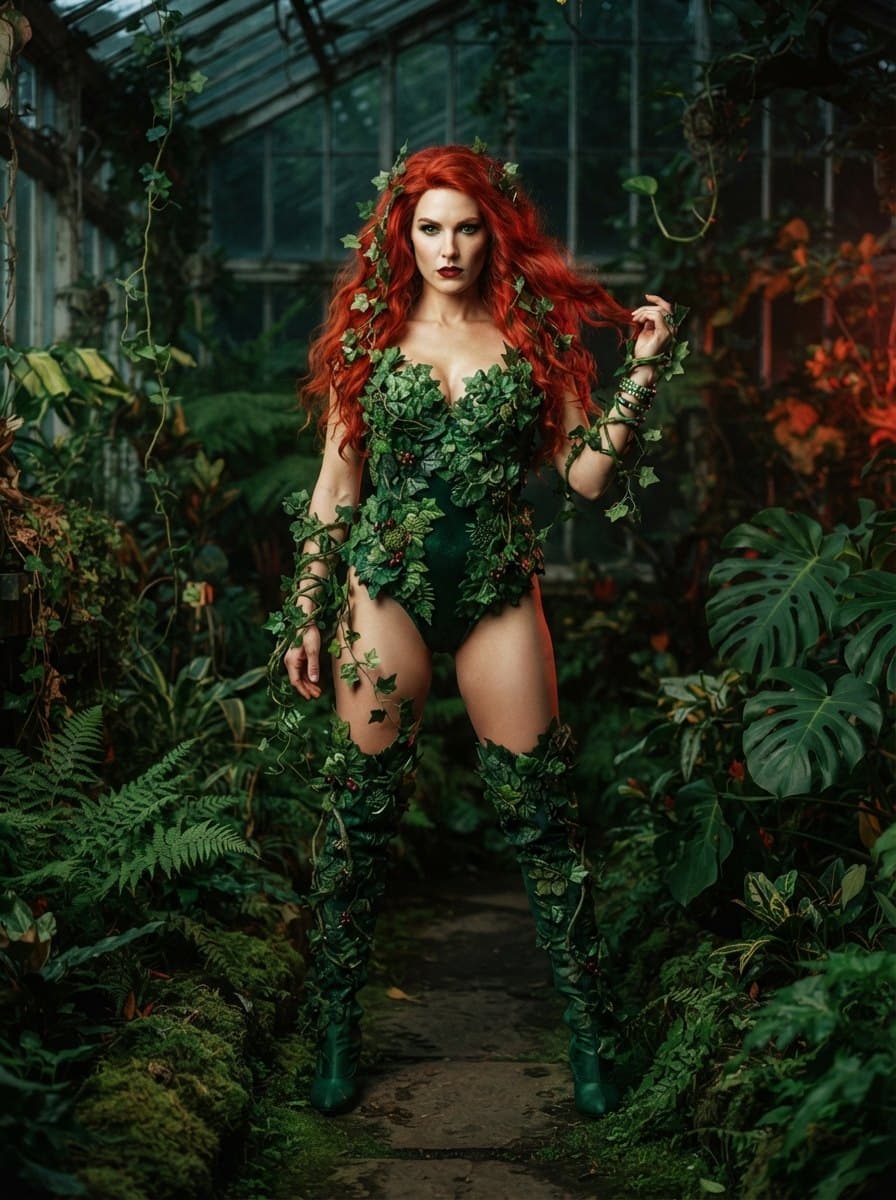
Poison Ivy Costume
Embody Gotham's seductive eco-villain with vibrant greens and ivy leaves.
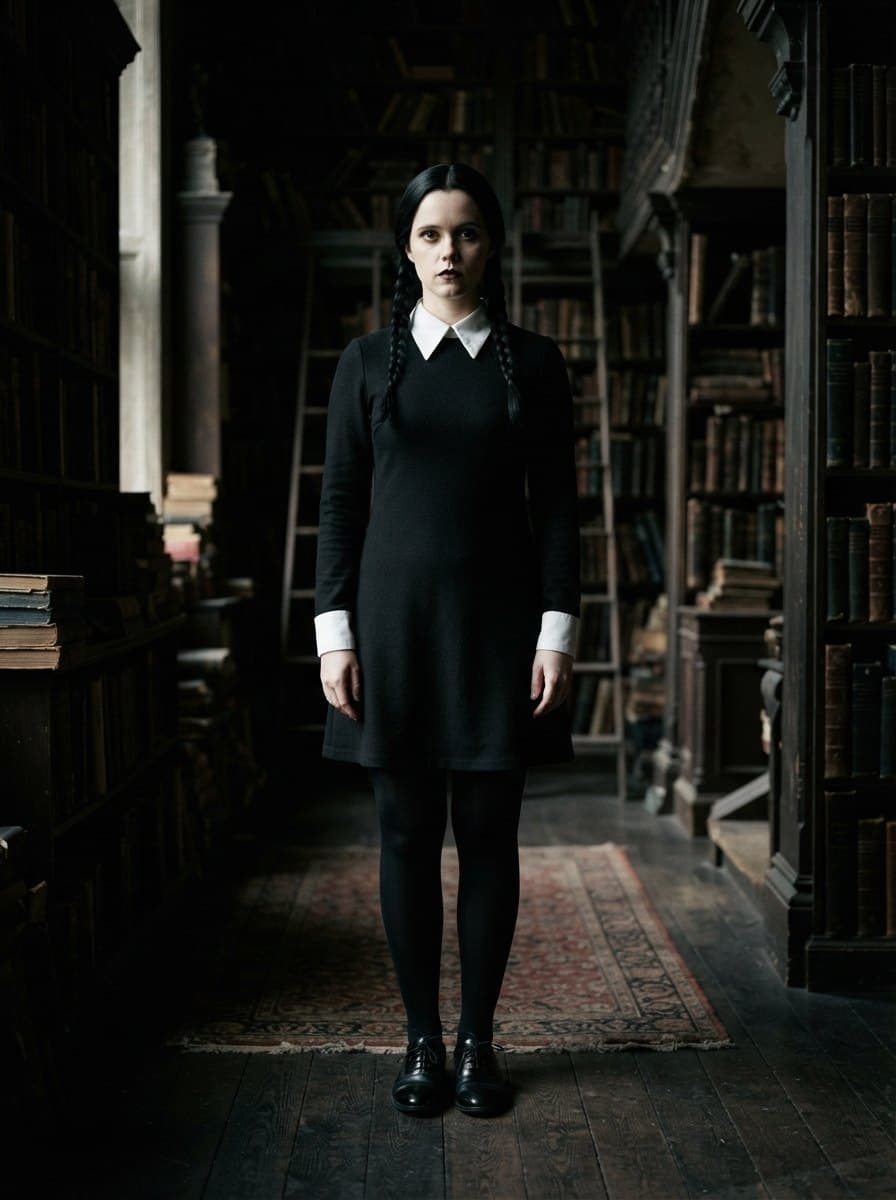
Wednesday Addams Costume
Channel your favorite gothic icon with a sharp, classic monochrome look.
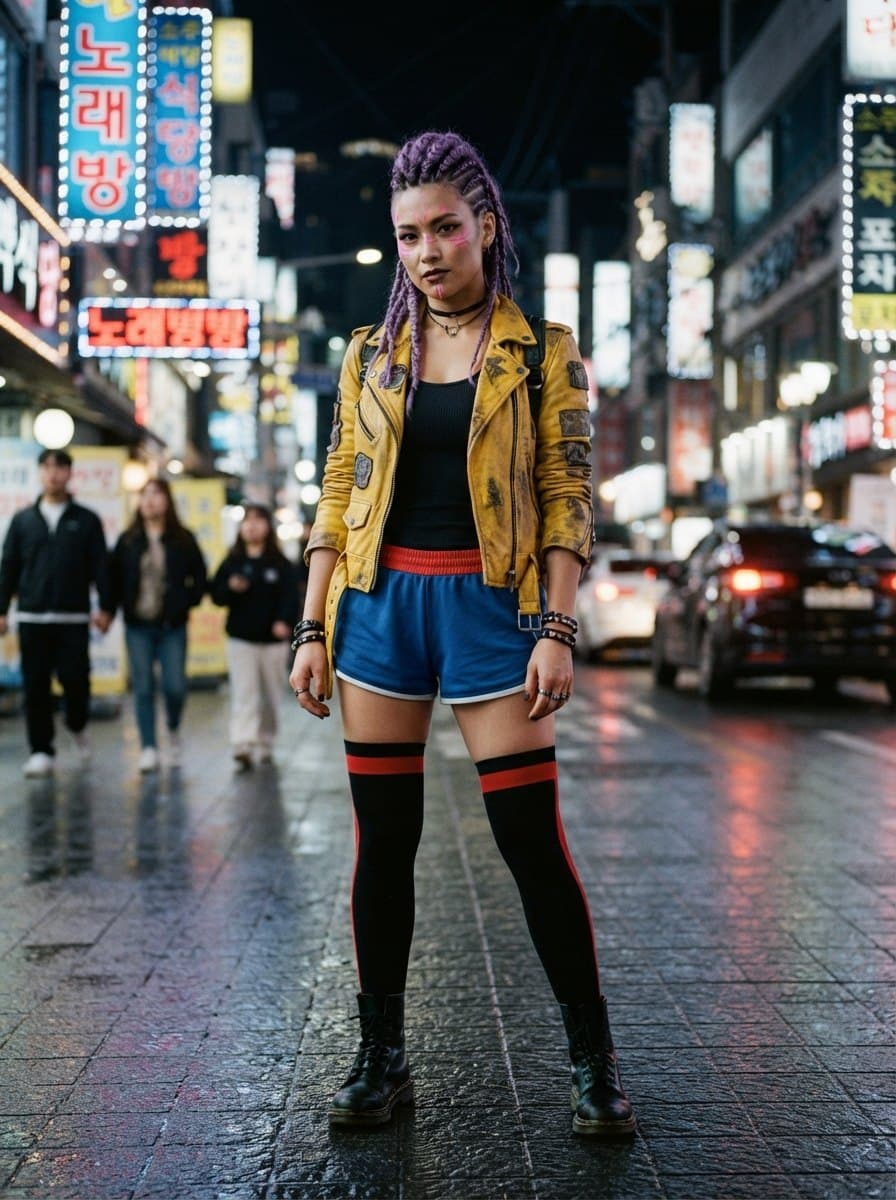
Rumi Costume
Channel the fierce leader of Huntrix with this K-pop demon hunter style.
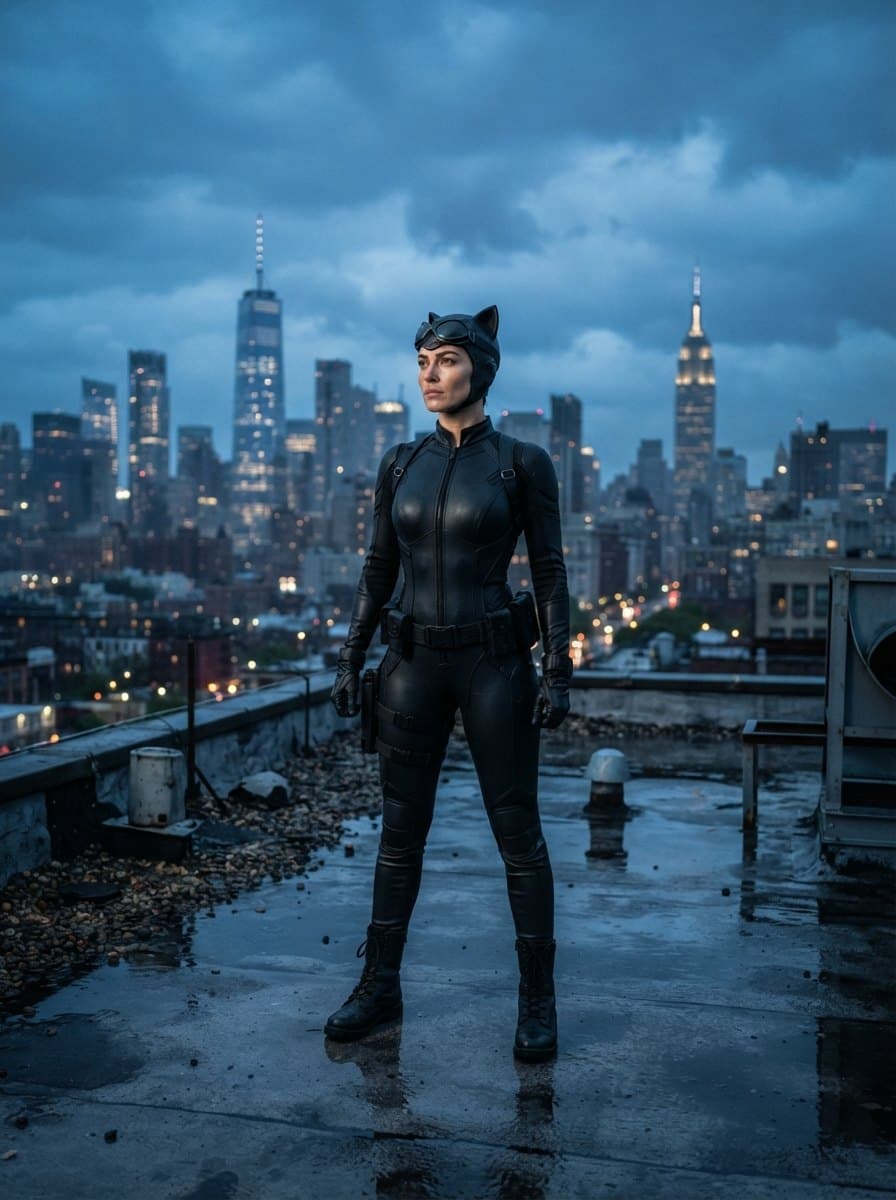
Catwoman Costume
Steal the spotlight in Gotham's sleekest, most iconic anti-hero look.
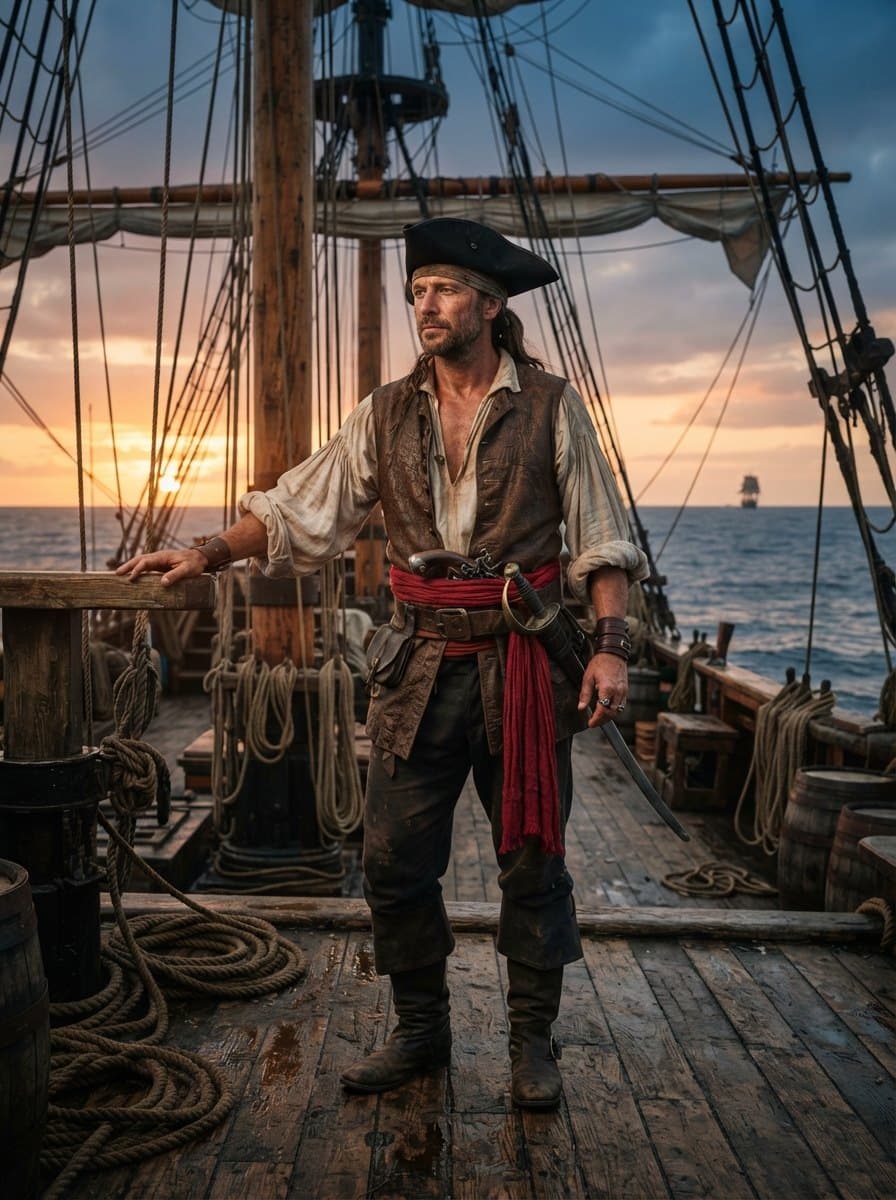
Pirate Costume
Unleash your inner swashbuckler with this classic, customizable seafaring look.
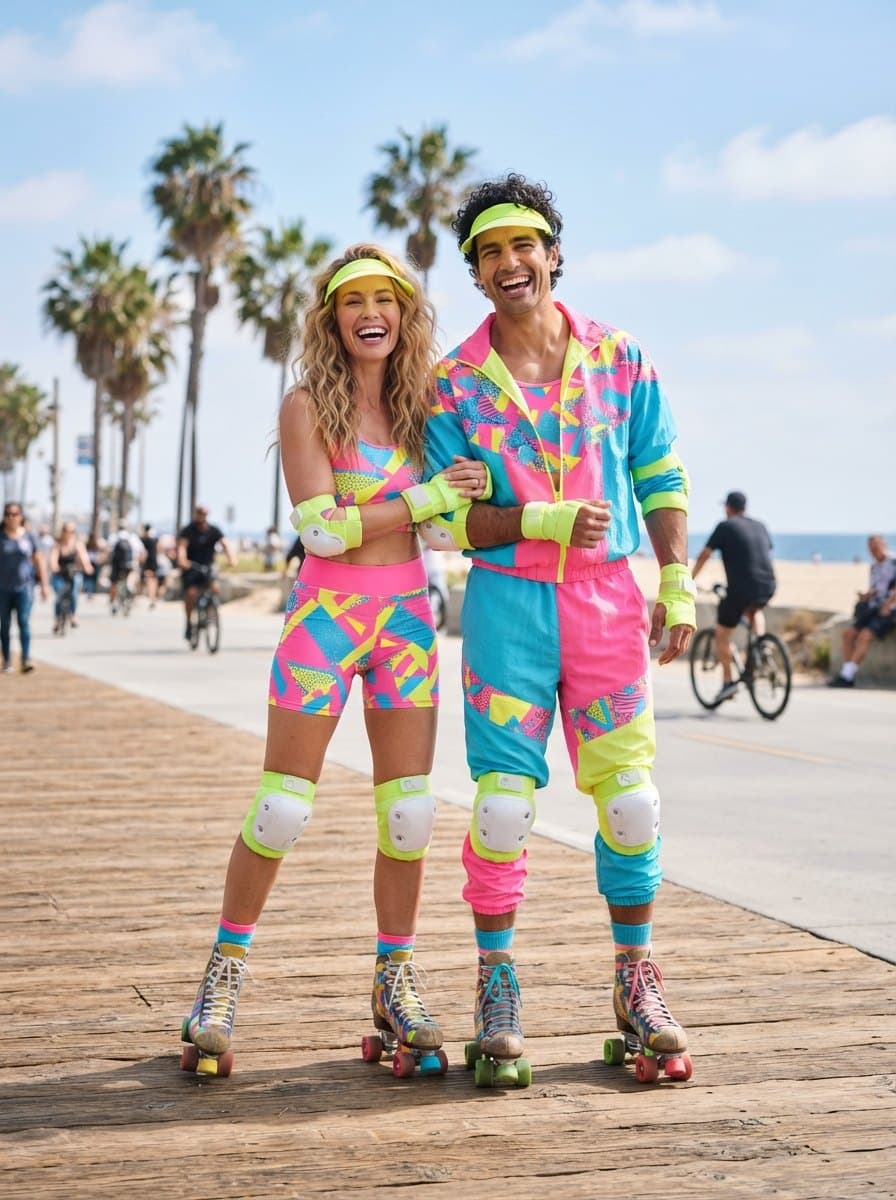
Barbie and Ken Costume
Step into a neon world as the ultimate, fashion-forward plastic duo.
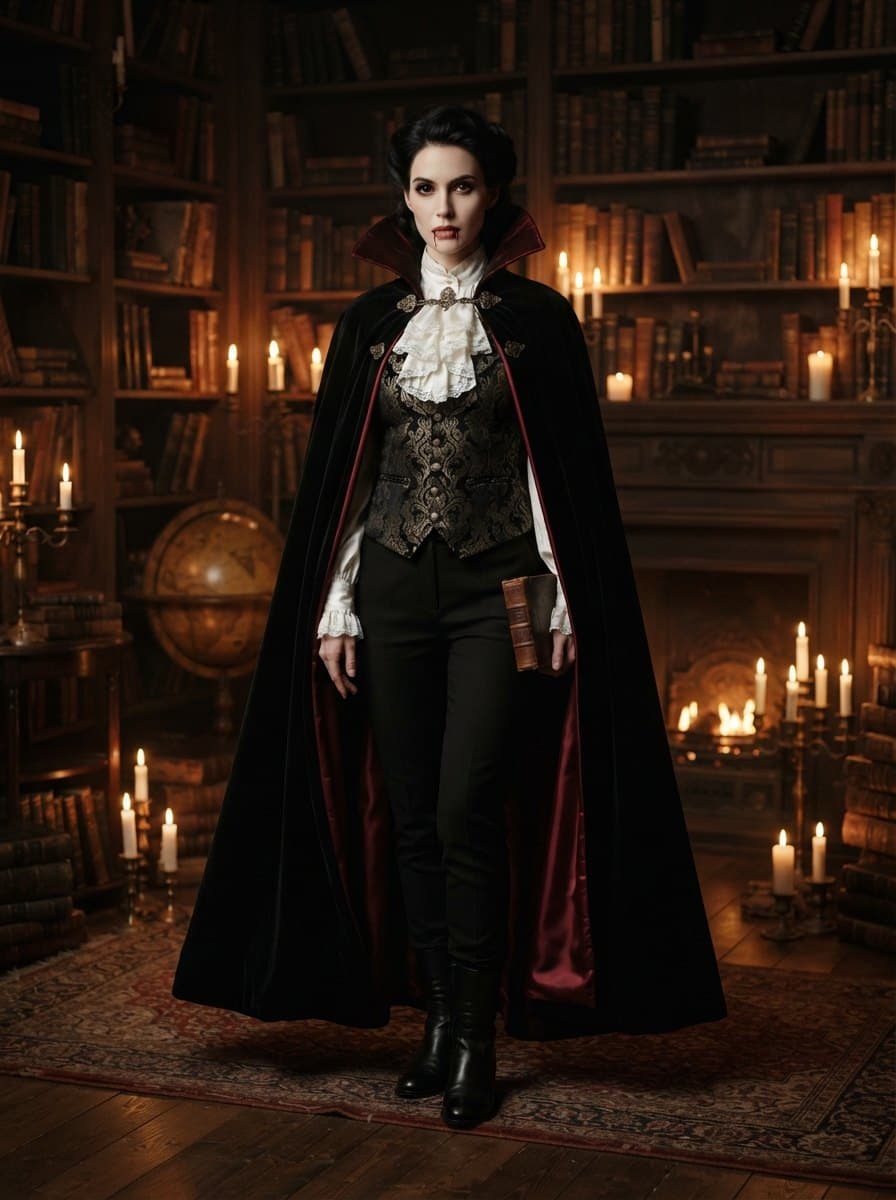
Vampire Costume
Embrace the night with a classic, timeless gothic look.
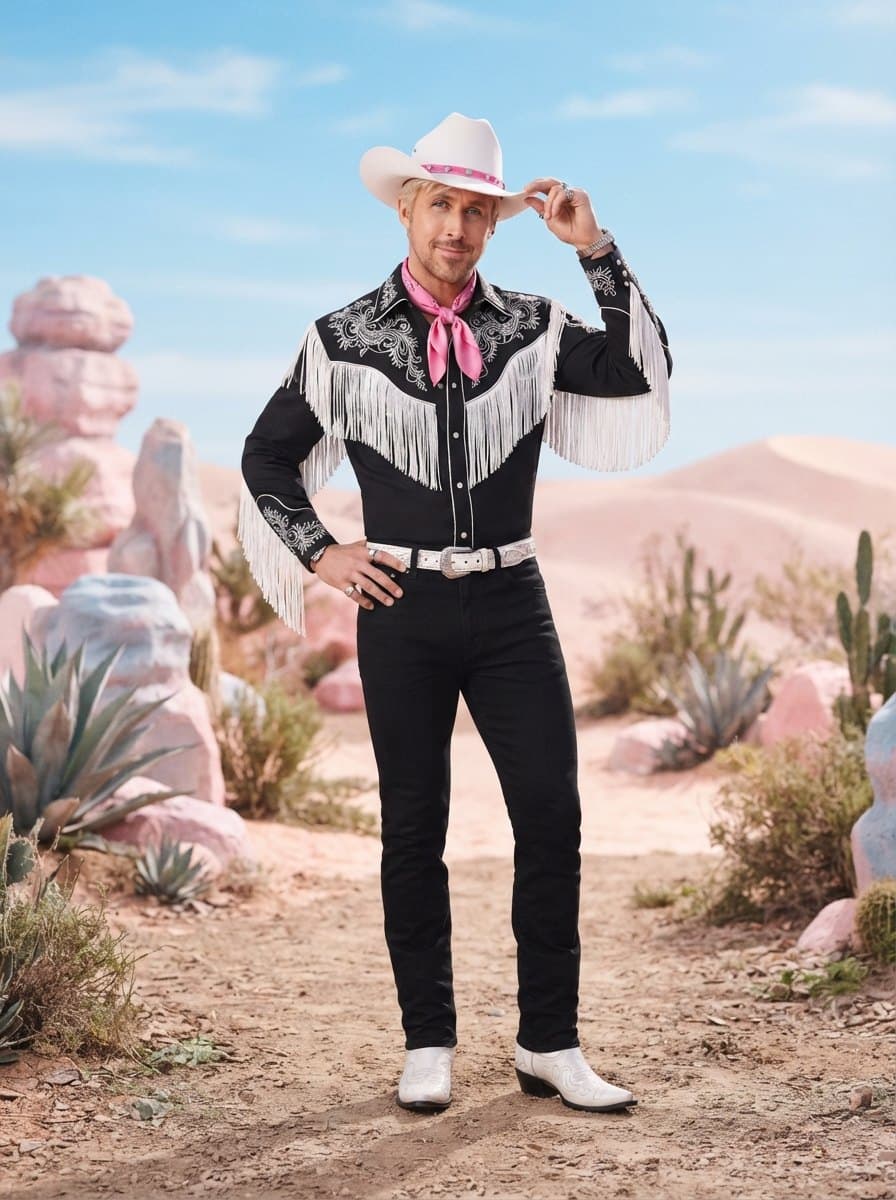
Ken Costume
Bring the ultimate Kenergy with this iconic Western look.
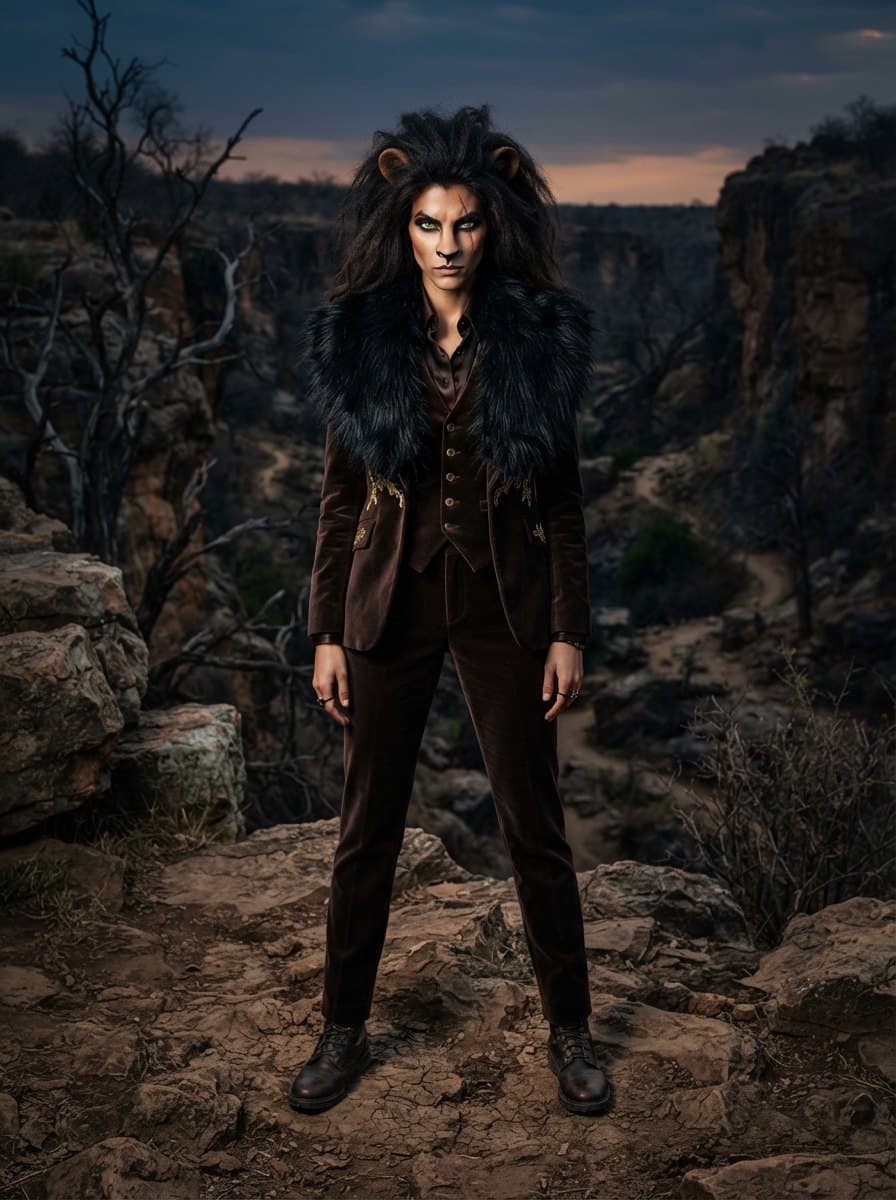
Scar Costume
Be prepared to rule the Pride Lands in villainous style.
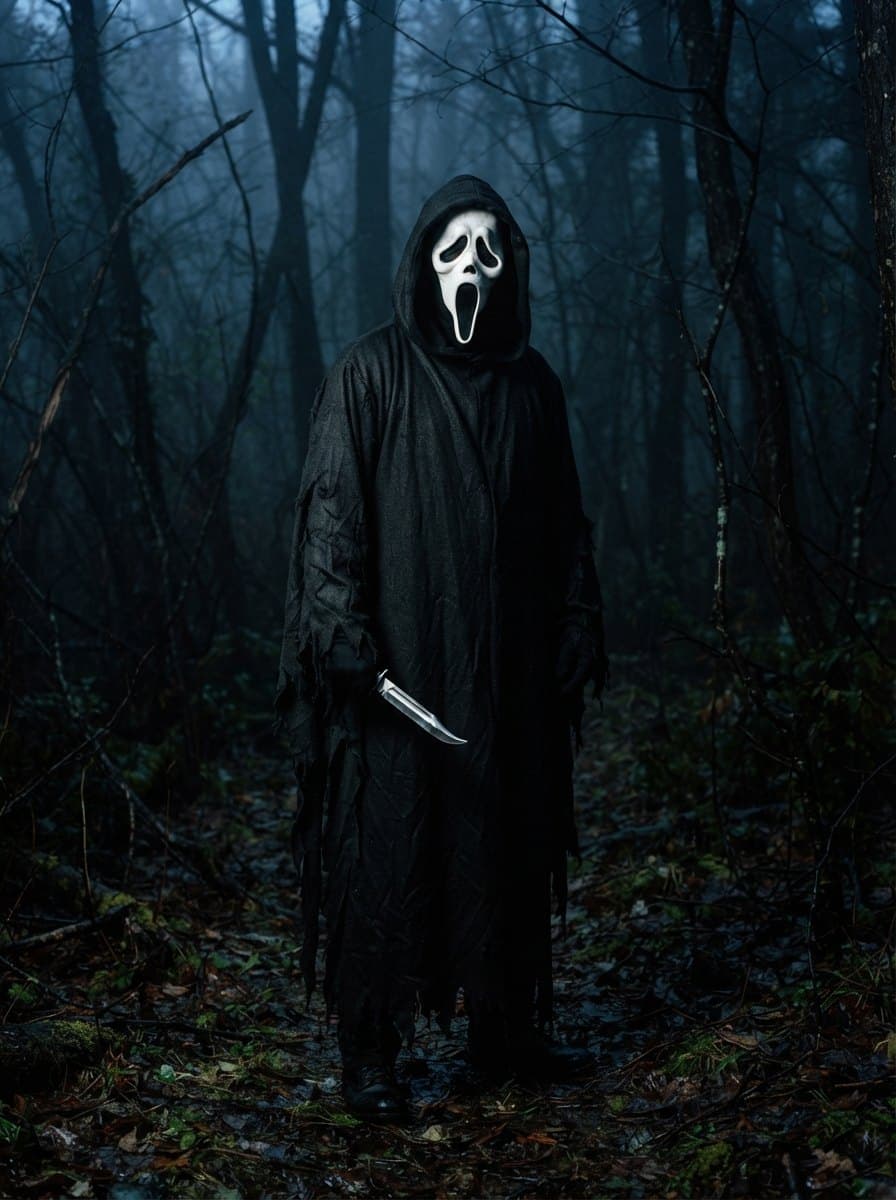
Ghostface Costume
Rule the night as the ultimate Woodsboro slasher.
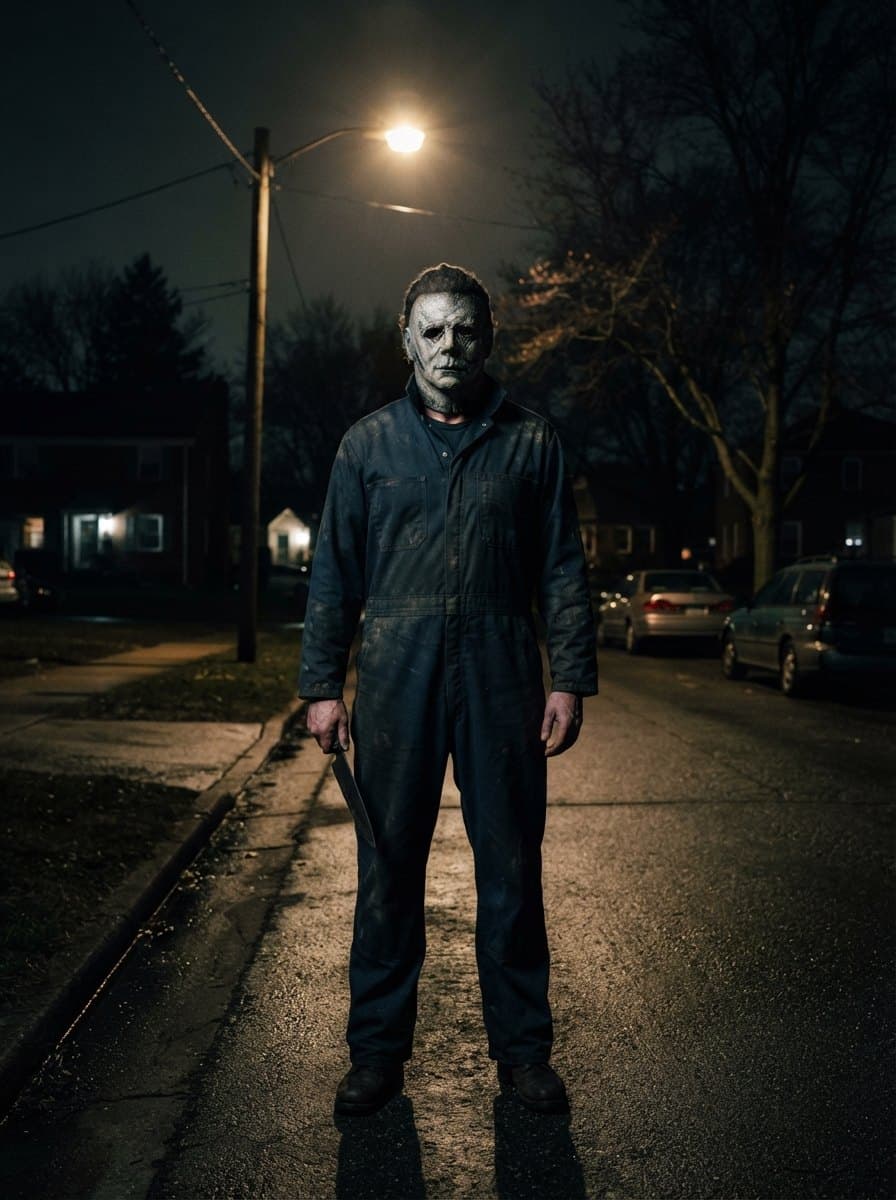
Michael Myers Costume
Embody the silent, unstoppable shape of Halloween night.
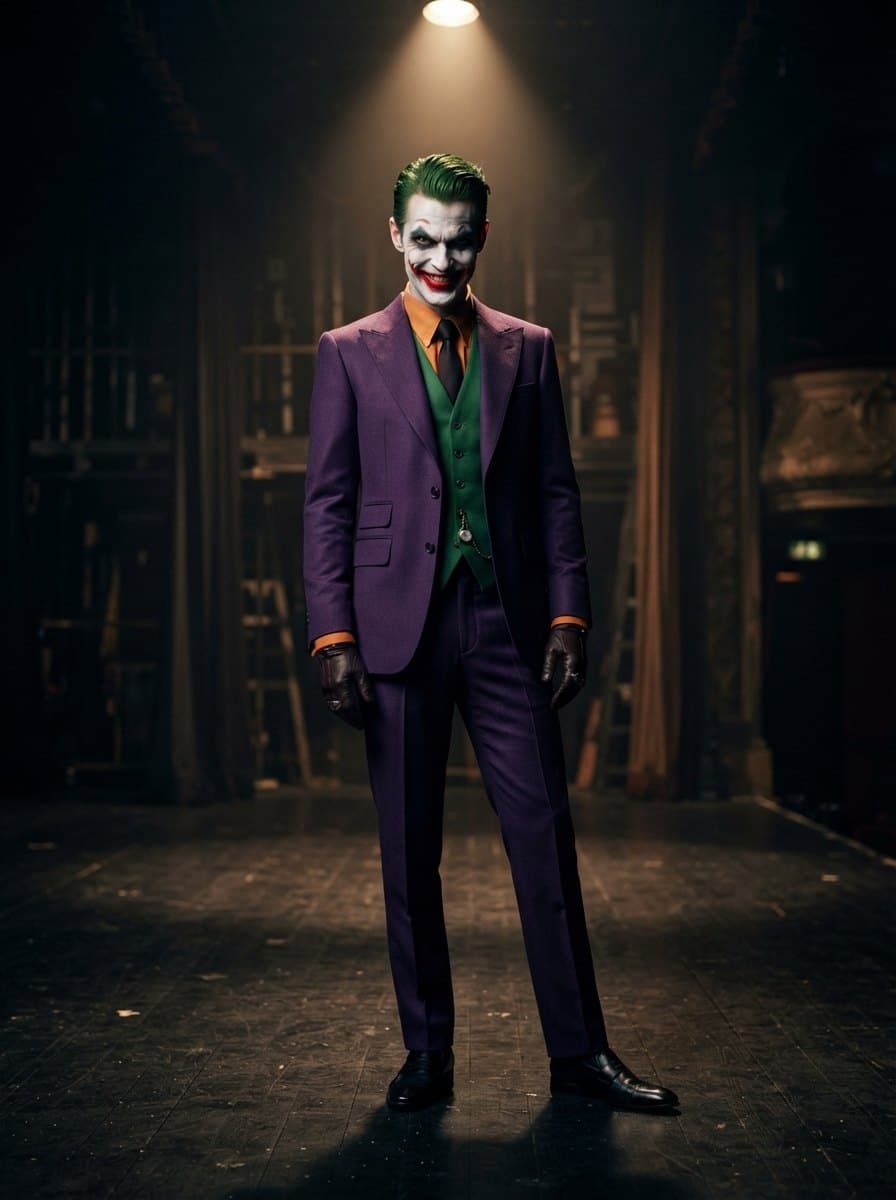
Joker Costume
Unleash your inner agent of chaos in style.
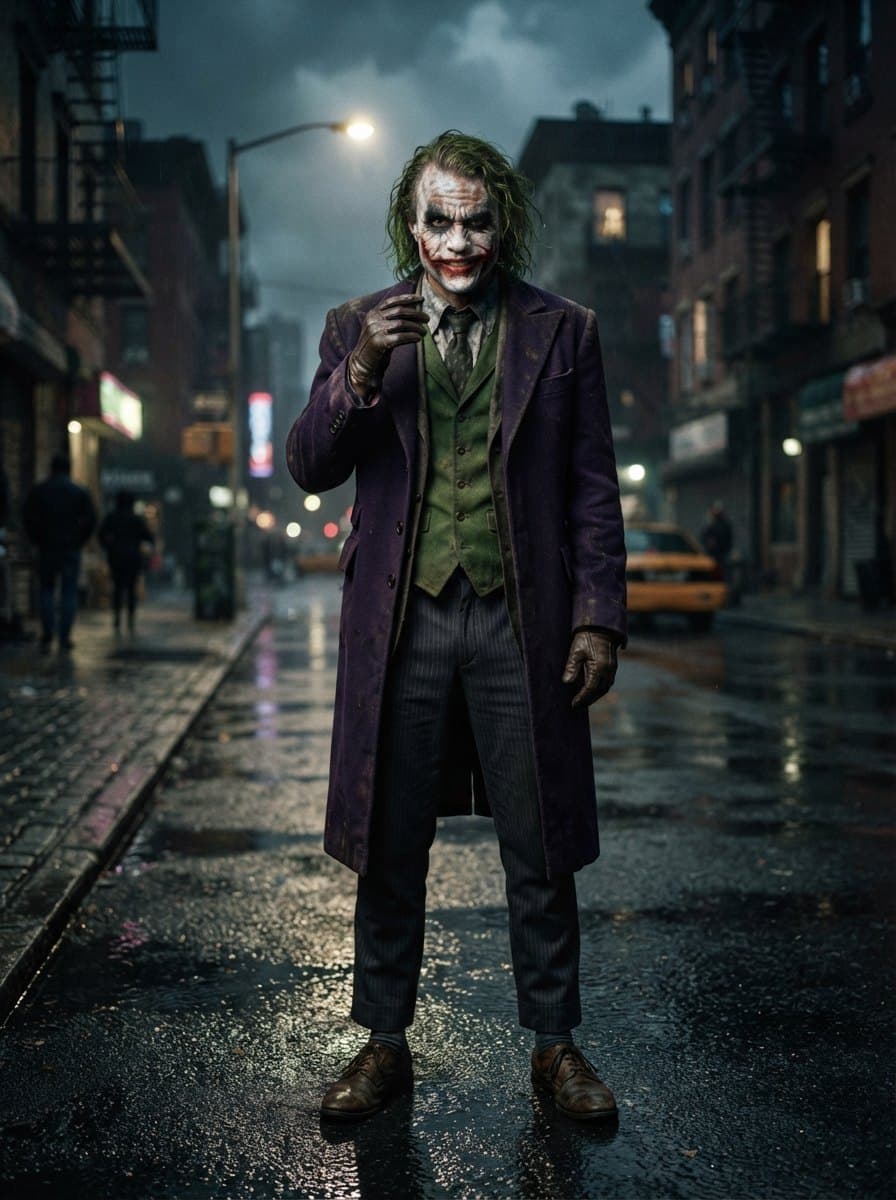
The Joker Costume
Embrace the chaos with the ultimate Gotham villain look.
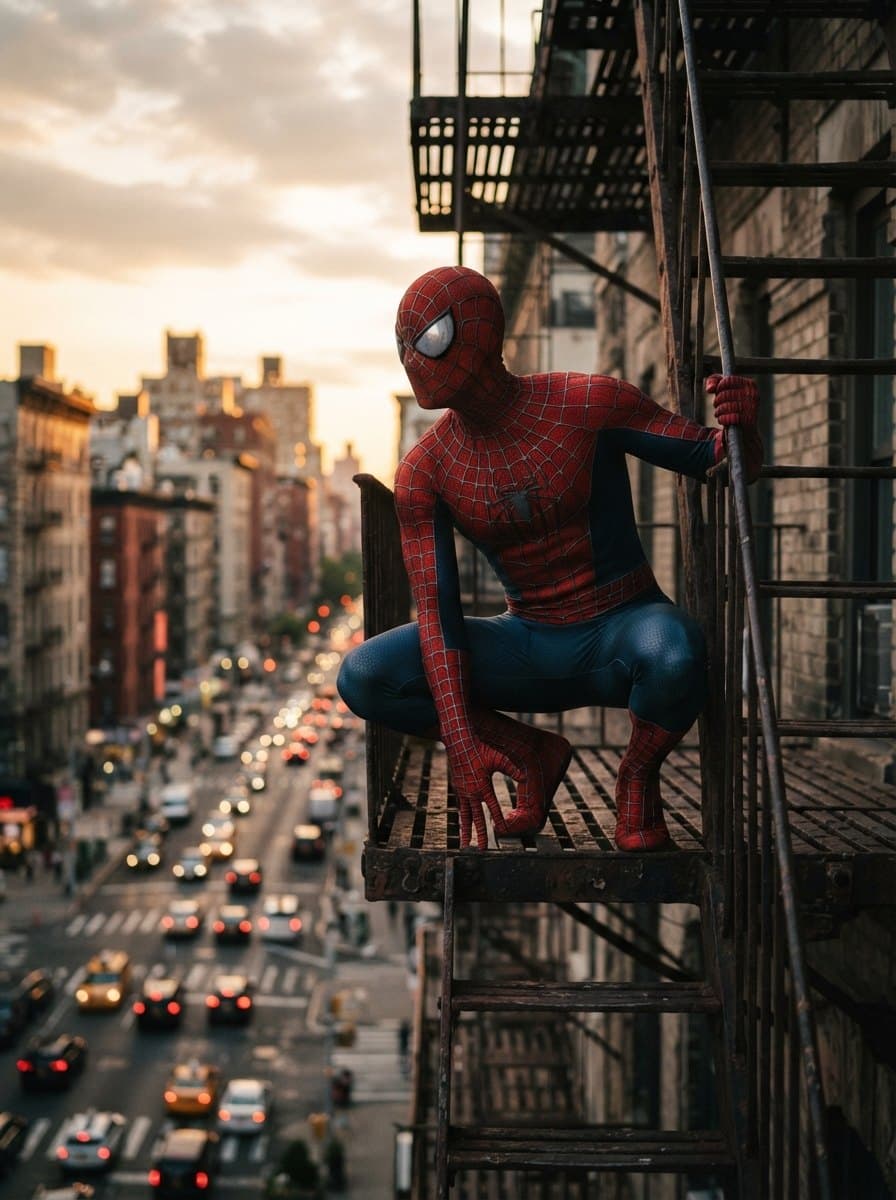
Spider-Man Costume
With great style comes great responsibility.
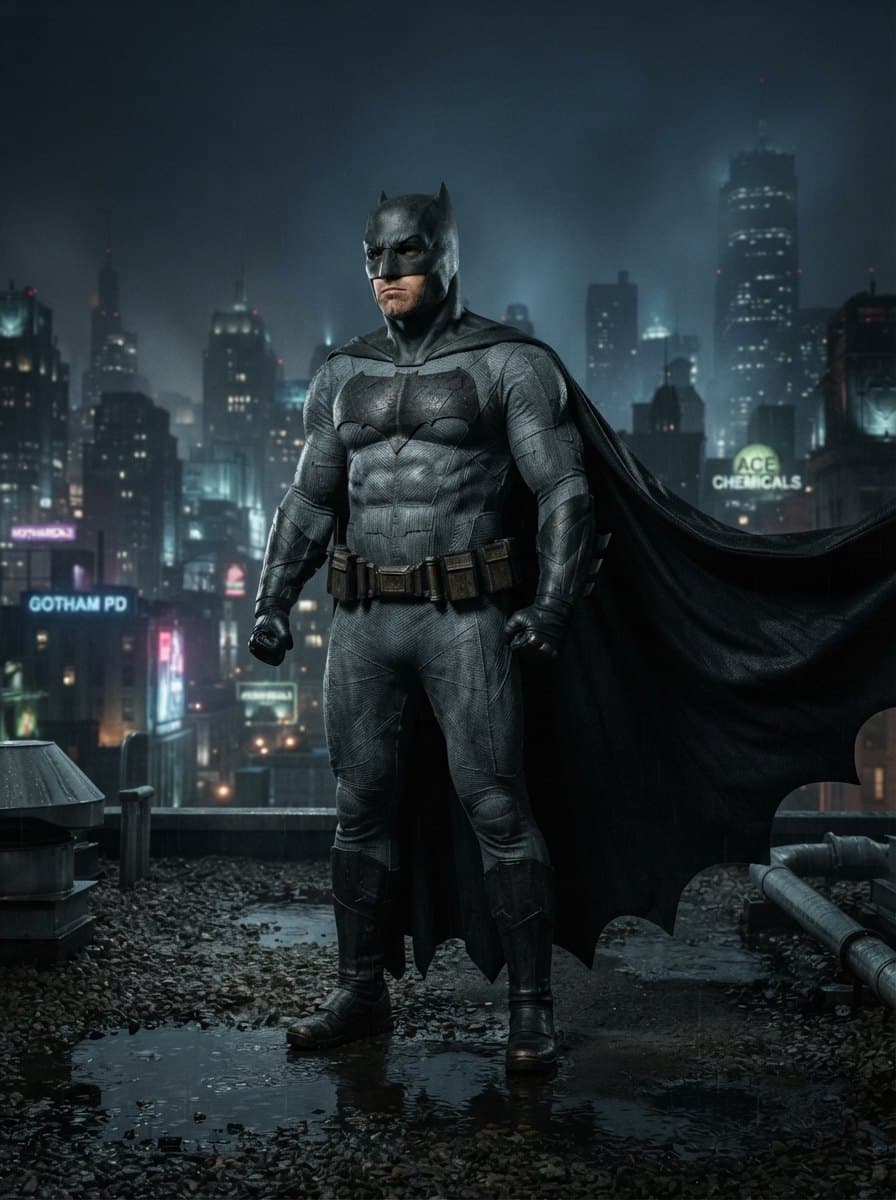
Batman Costume
Step out of the shadows as Gotham's legendary Dark Knight.
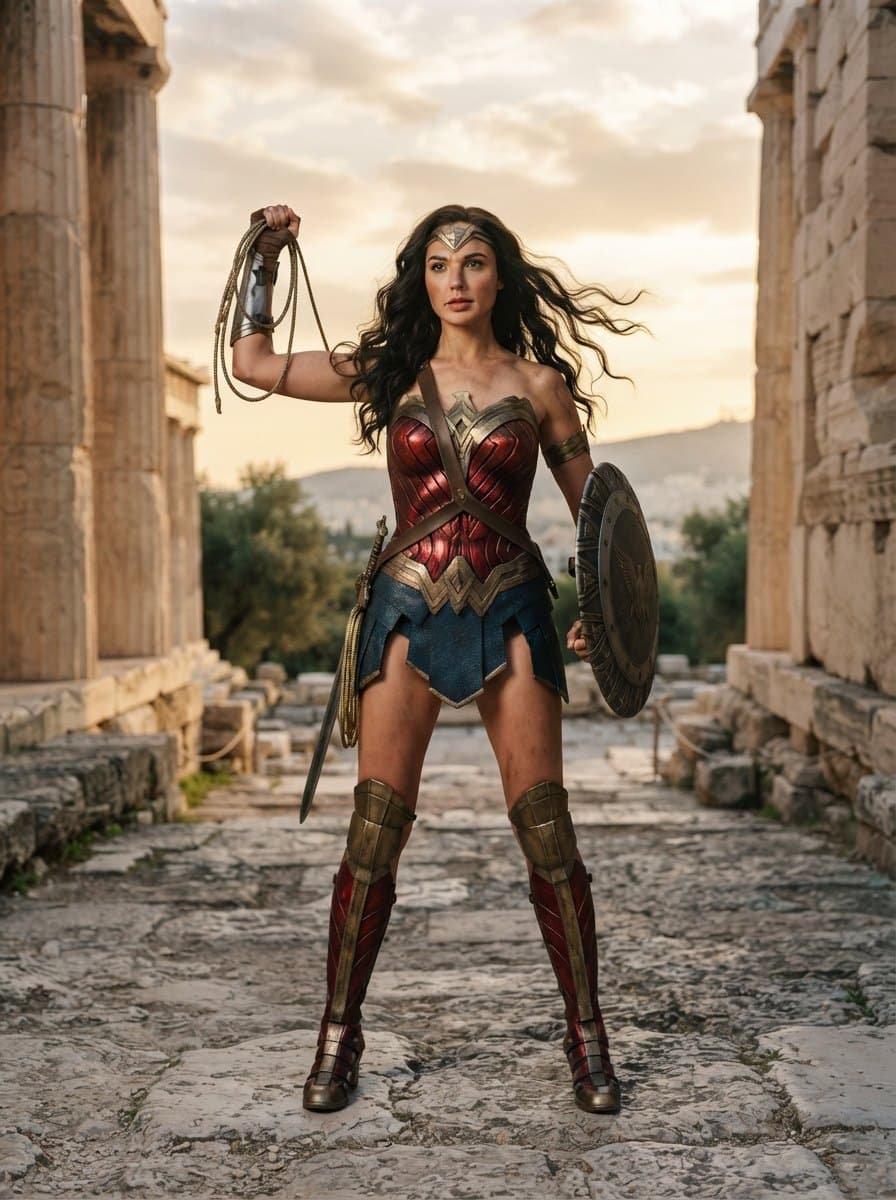
Wonder Woman Costume
Unleash your inner warrior with the ultimate Amazonian look.

Padmé Amidala Costume
Step into the Star Wars galaxy as Naboo's courageous senator.
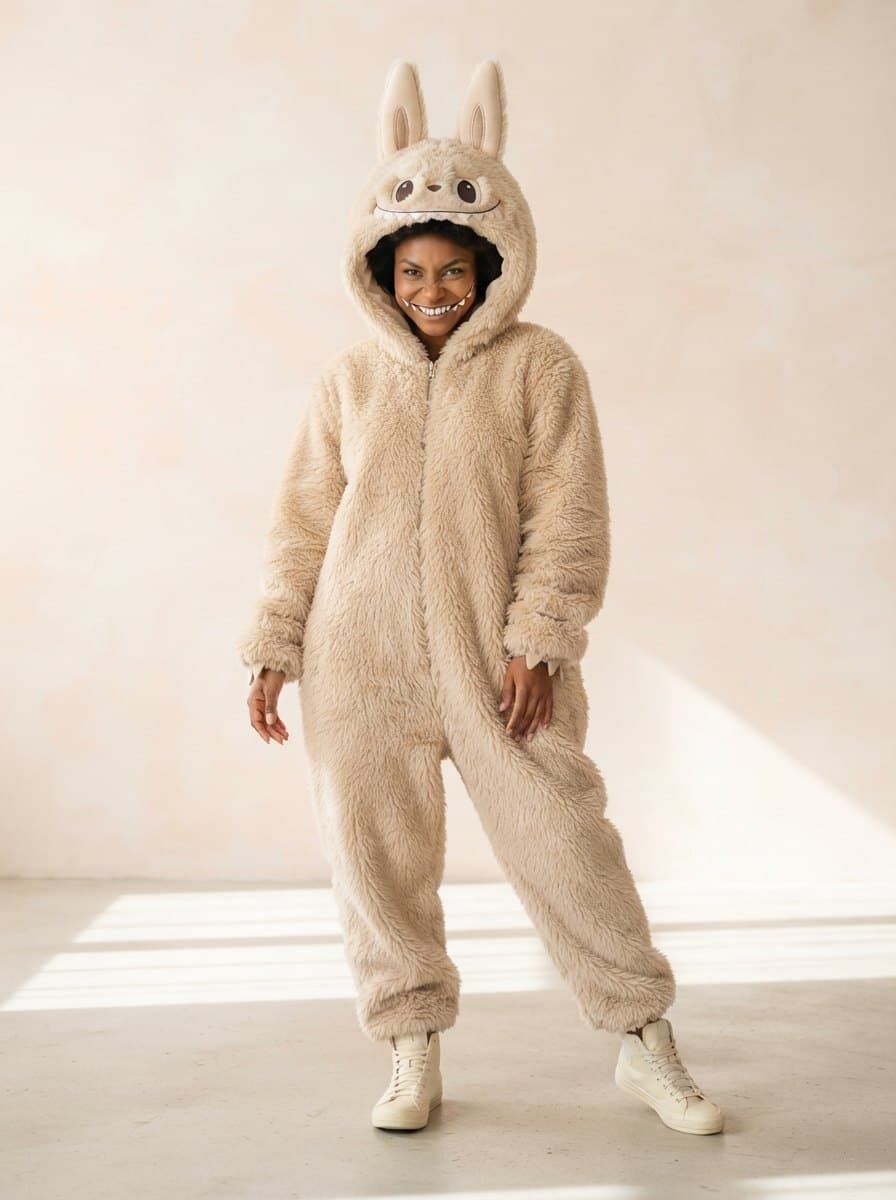
Labubu Costume
Bring Pop Mart's most mischievous, lovable monster to life.
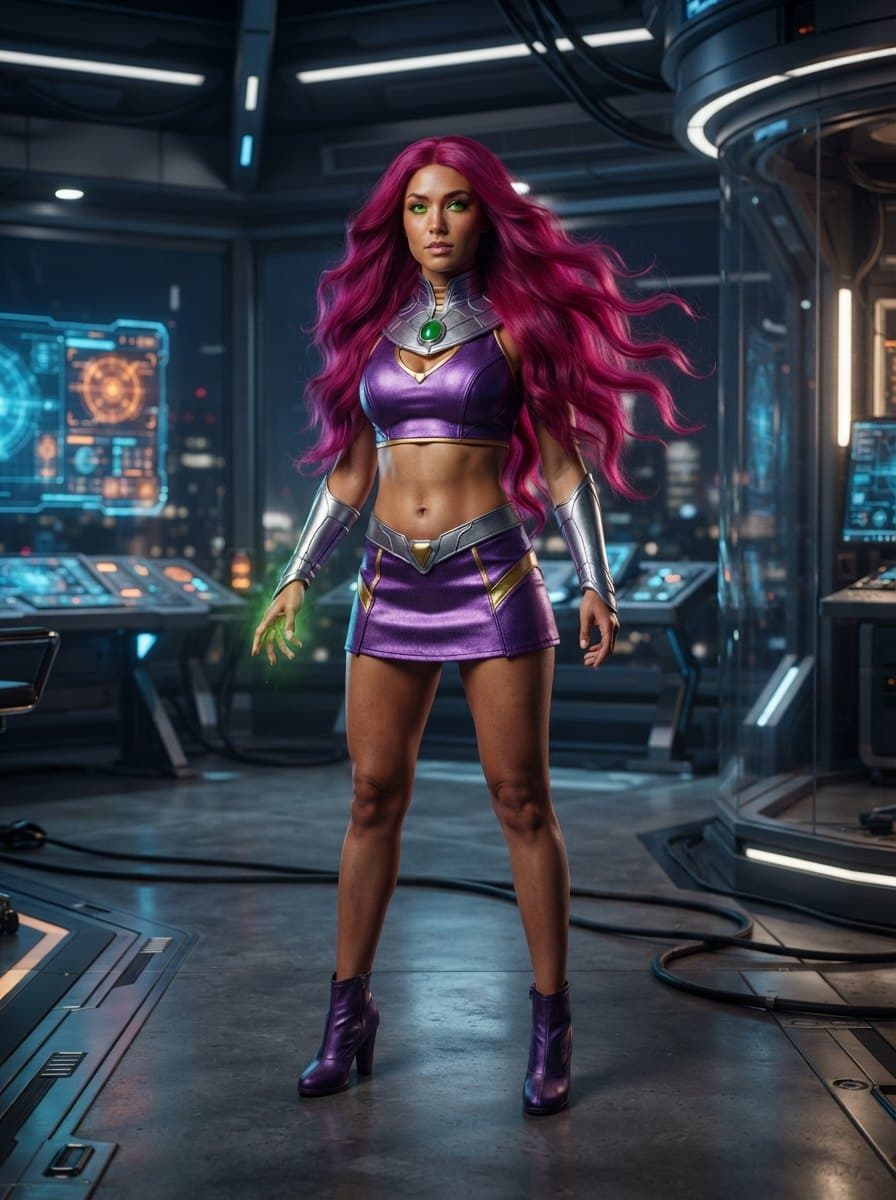
Starfire Costume
Channel your inner Tamaranian princess with this vibrant superhero look.
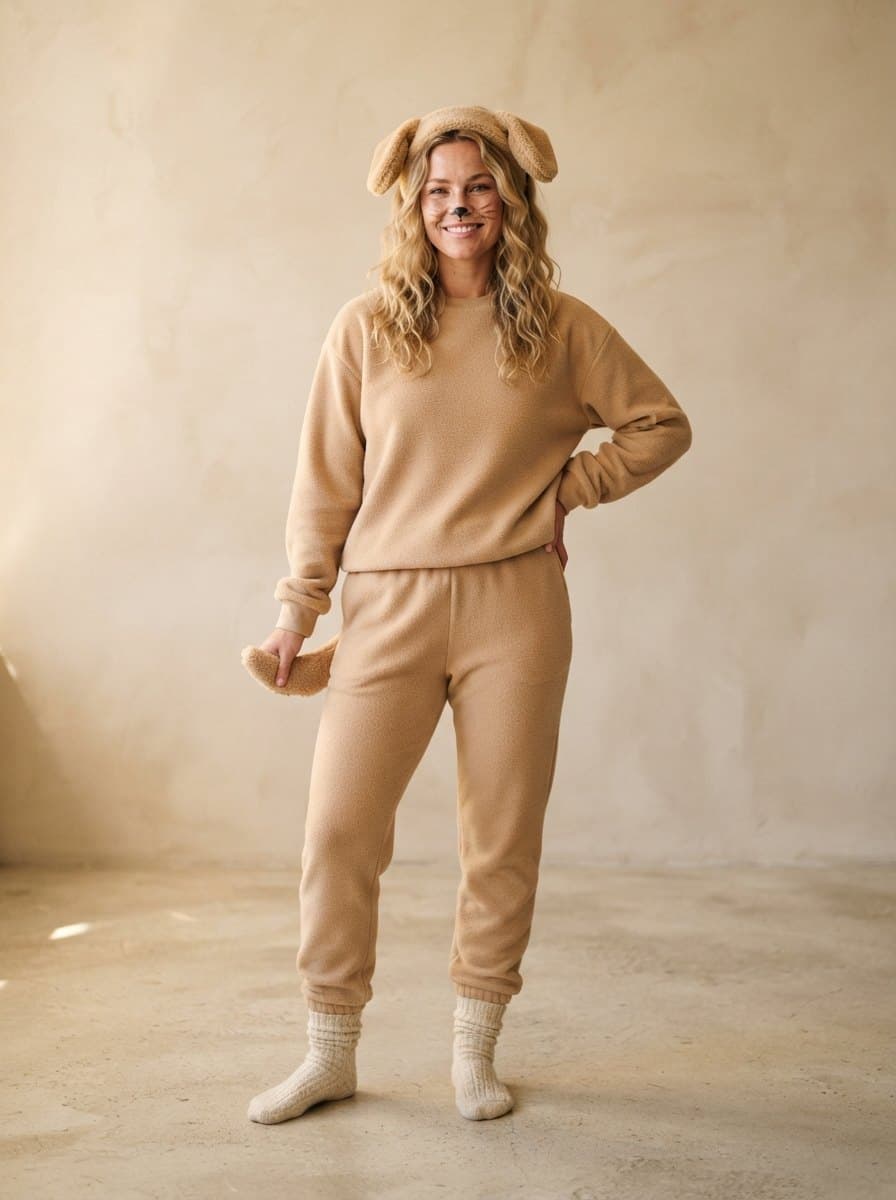
Dog Costume
Unleash your inner pup with this easy, comfortable classic.
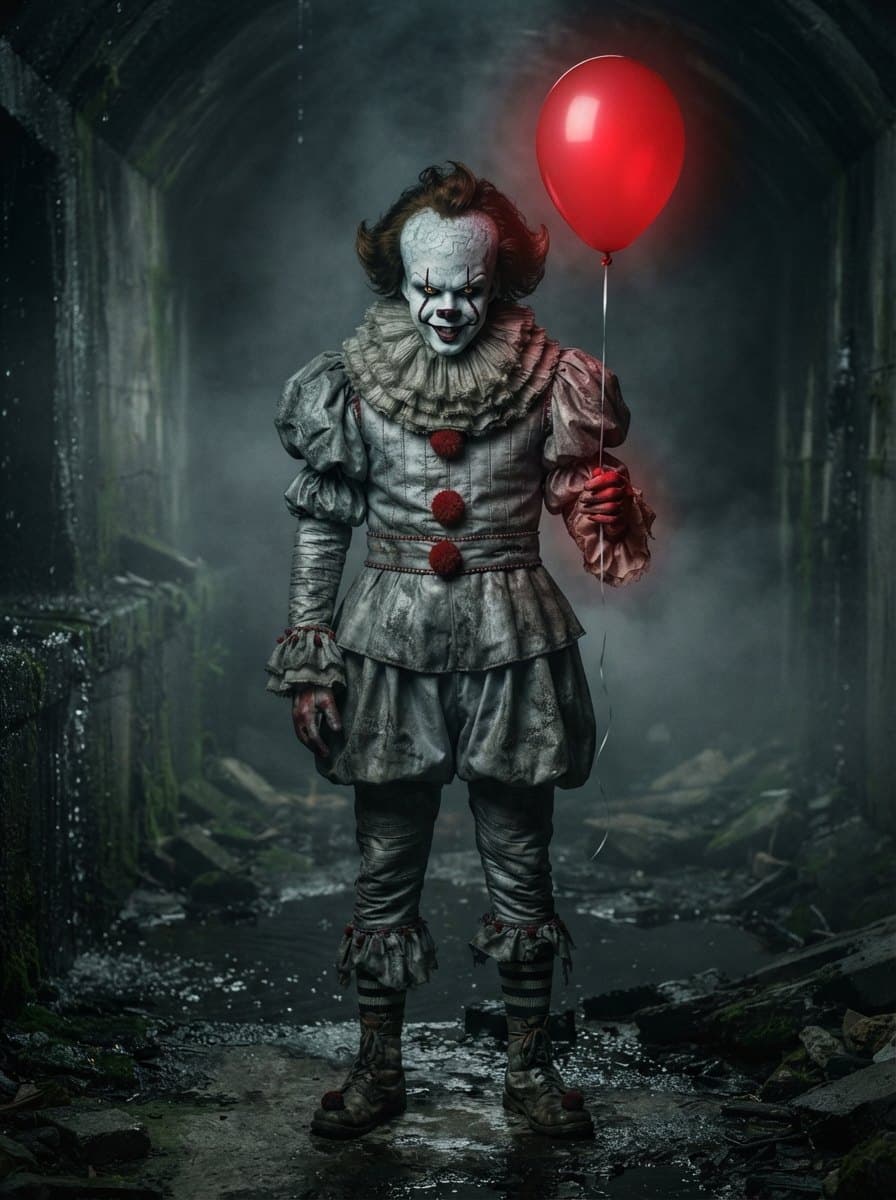
Pennywise Costume
Float down here with this screen-accurate, terrifying killer clown look.
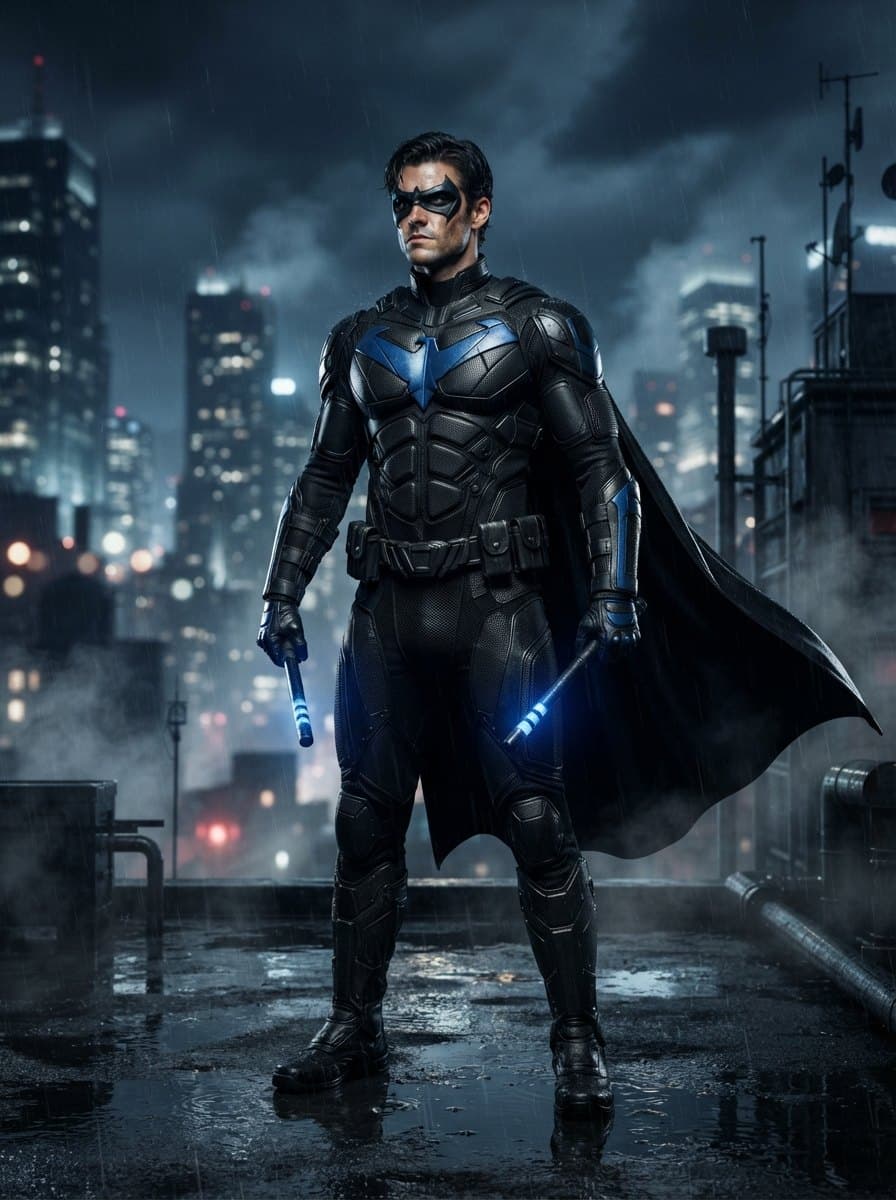
Nightwing Costume
Step out of Batman's shadow in this sleek vigilante look.
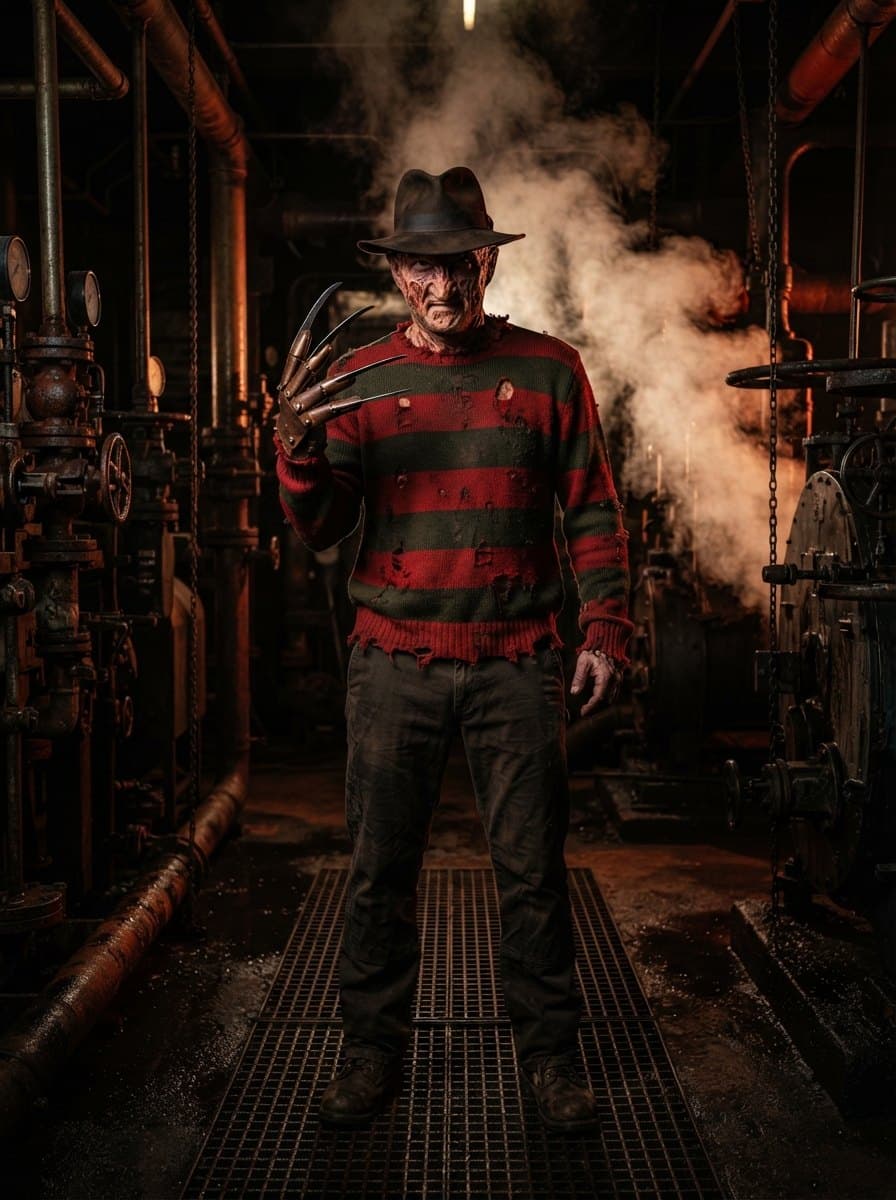
Freddy Krueger Costume
Bring the ultimate dream-stalking nightmare to life this Halloween.
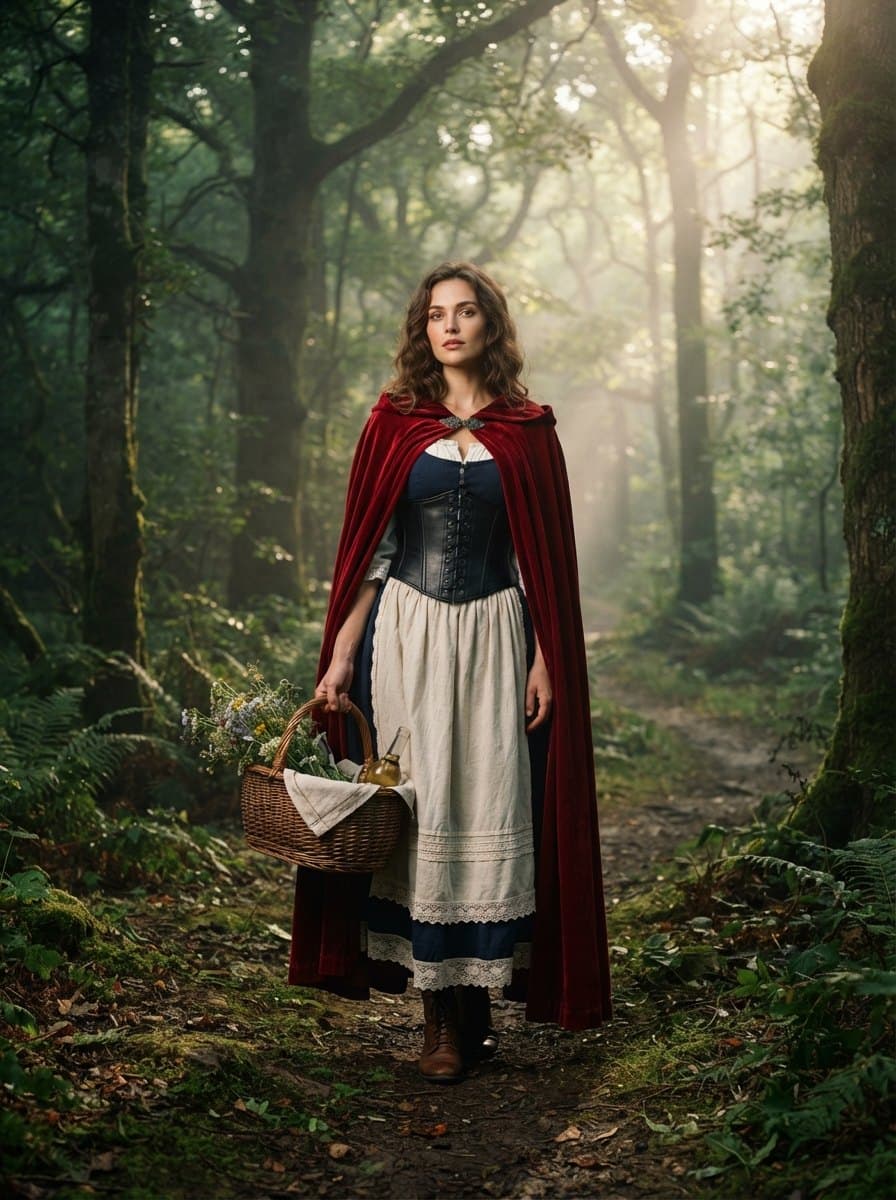
Little Red Riding Hood Costume
Journey through the woods in this timeless, enchanting fairytale look.
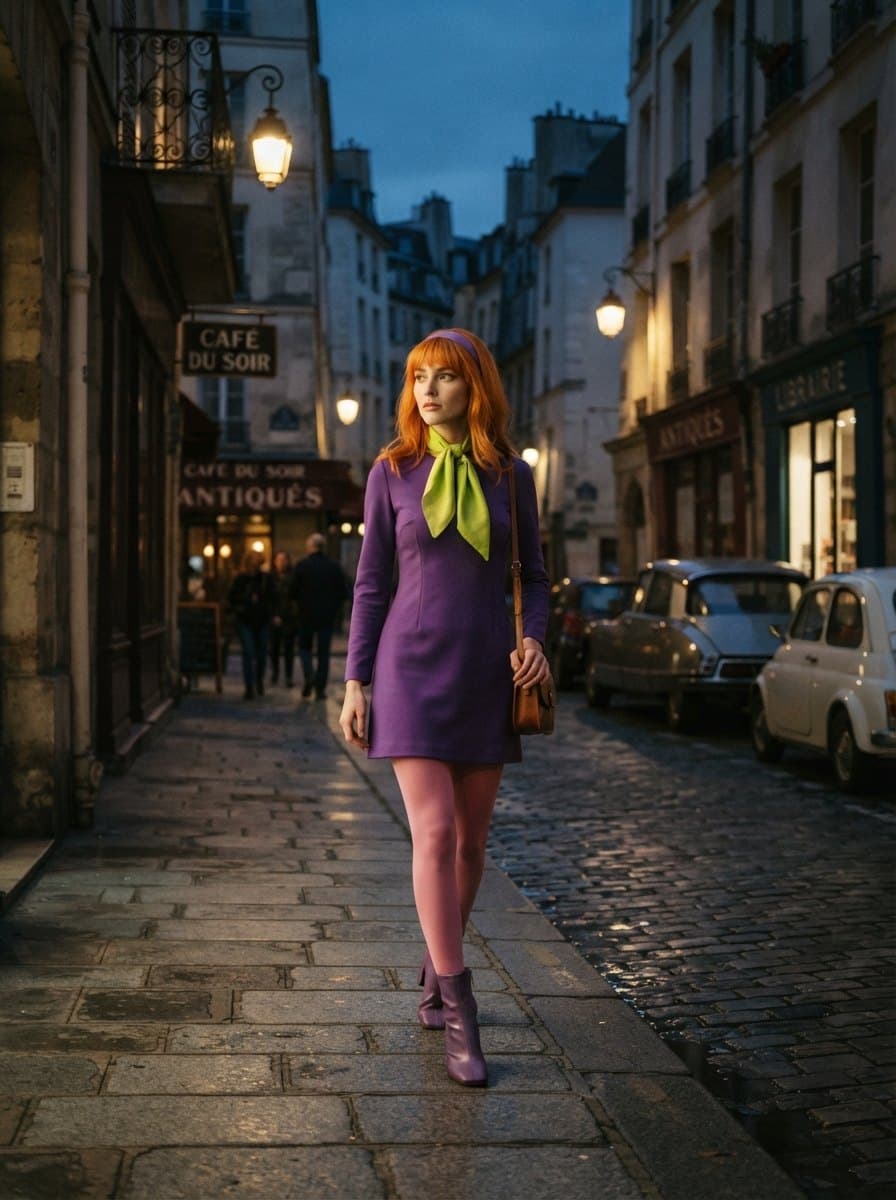
Daphne Blake Costume
Solve mysteries in style with Daphne's retro 1960s purple look.
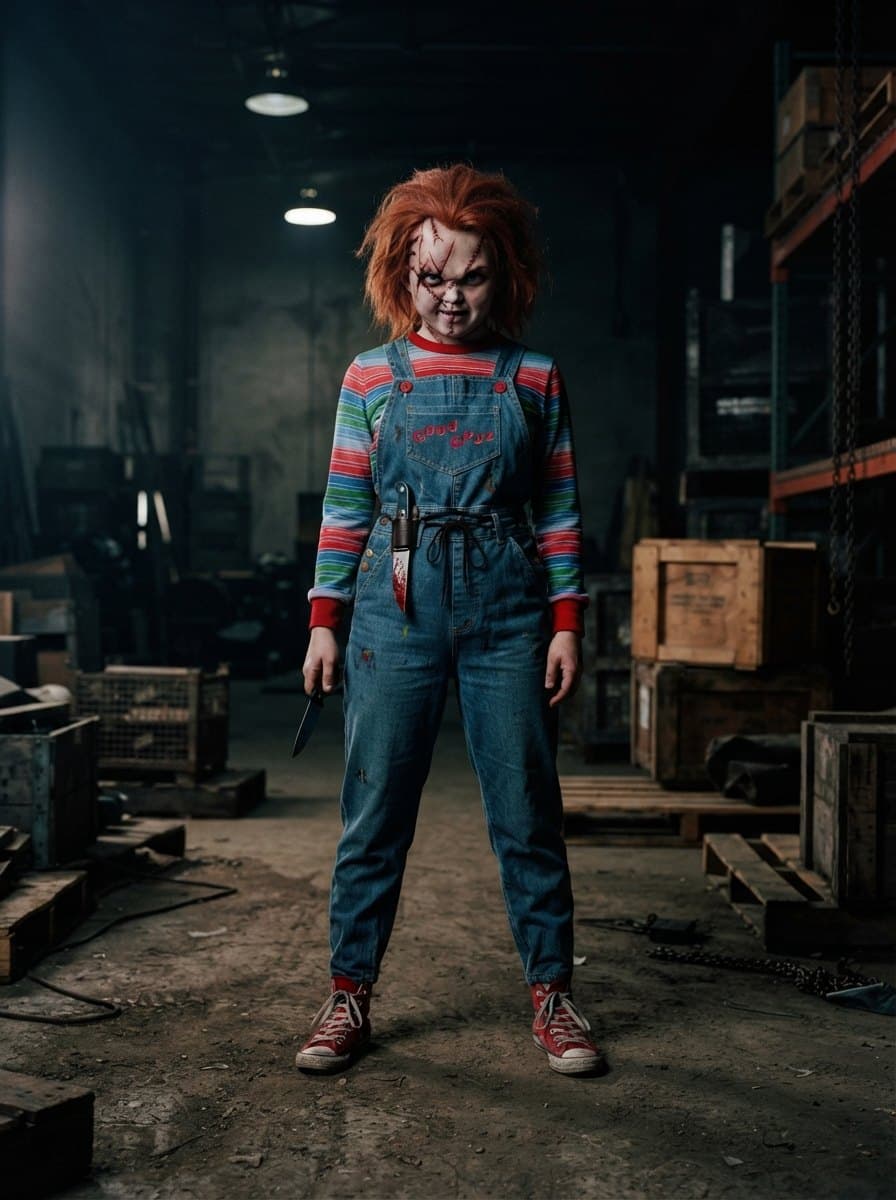
Chucky Costume
Channel your inner killer doll with Chucky's iconic striped look.
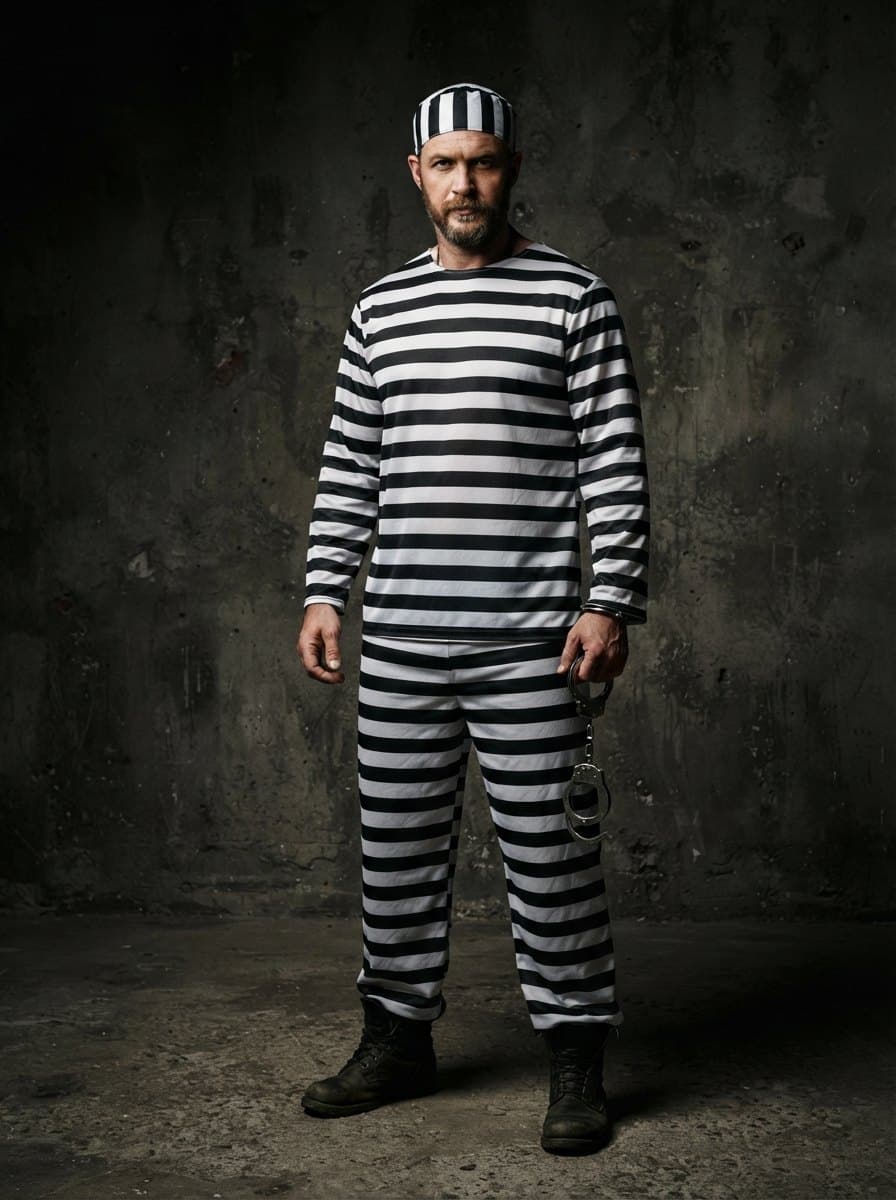
Prisoner Costume
The ultimate classic jailbird look that is incredibly easy to style.
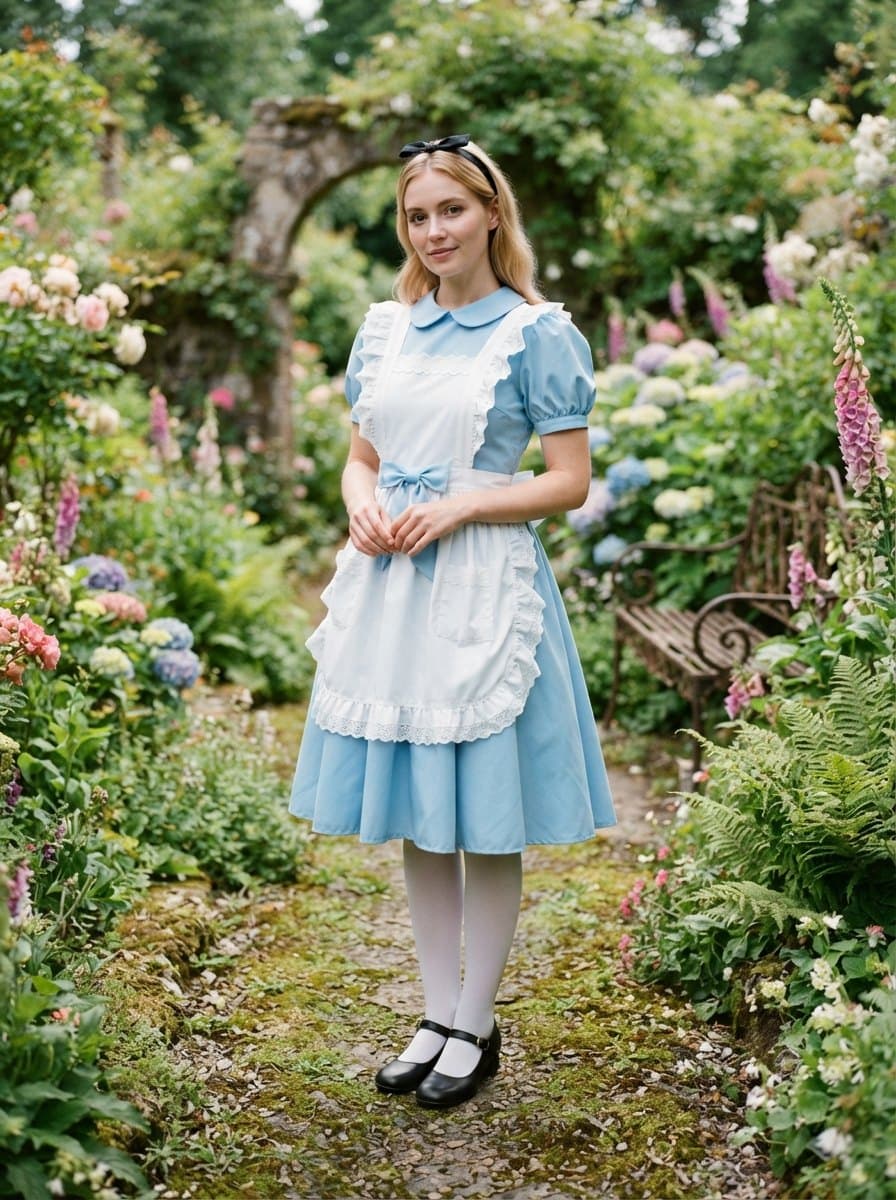
Alice Costume
Bring the magic of Wonderland to life with this iconic blue dress.
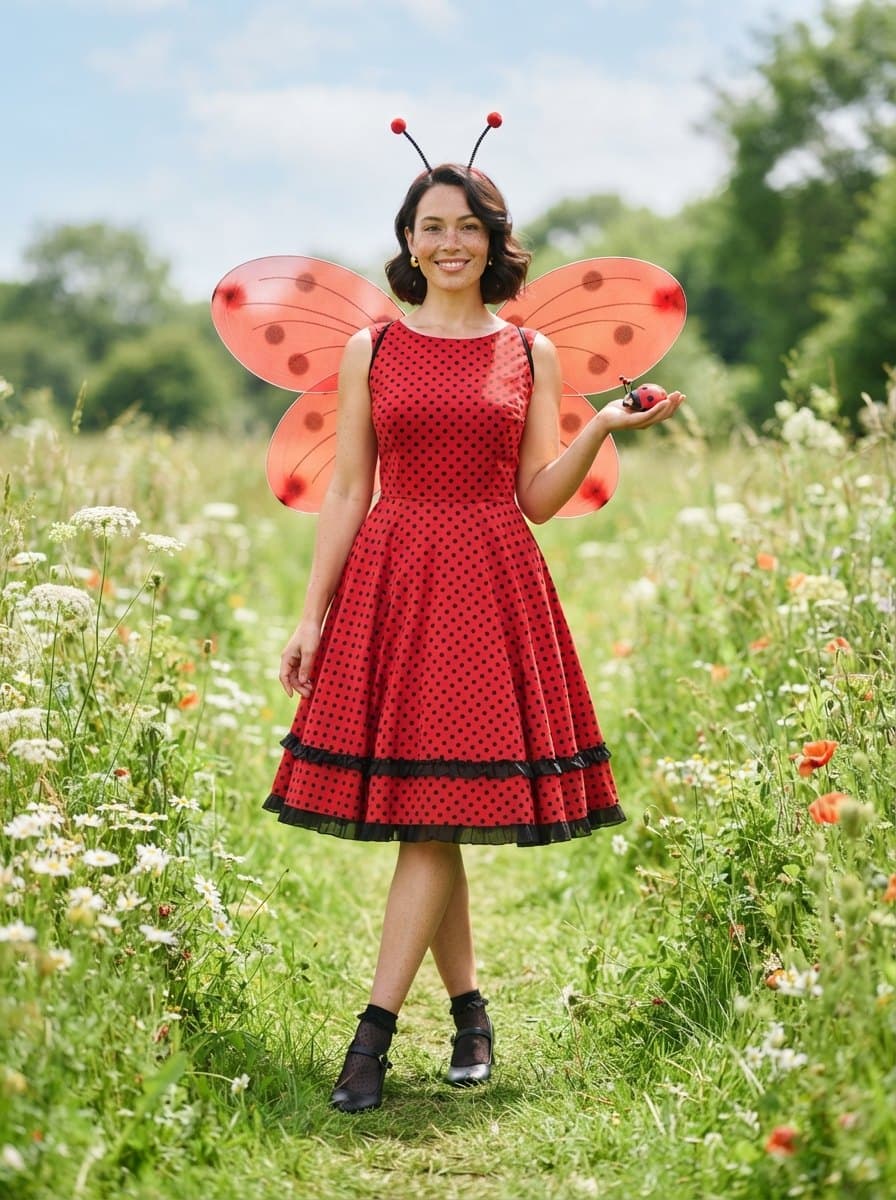
Ladybug Costume
A bright, cheerful, and easy-to-wear costume perfect for any occasion.
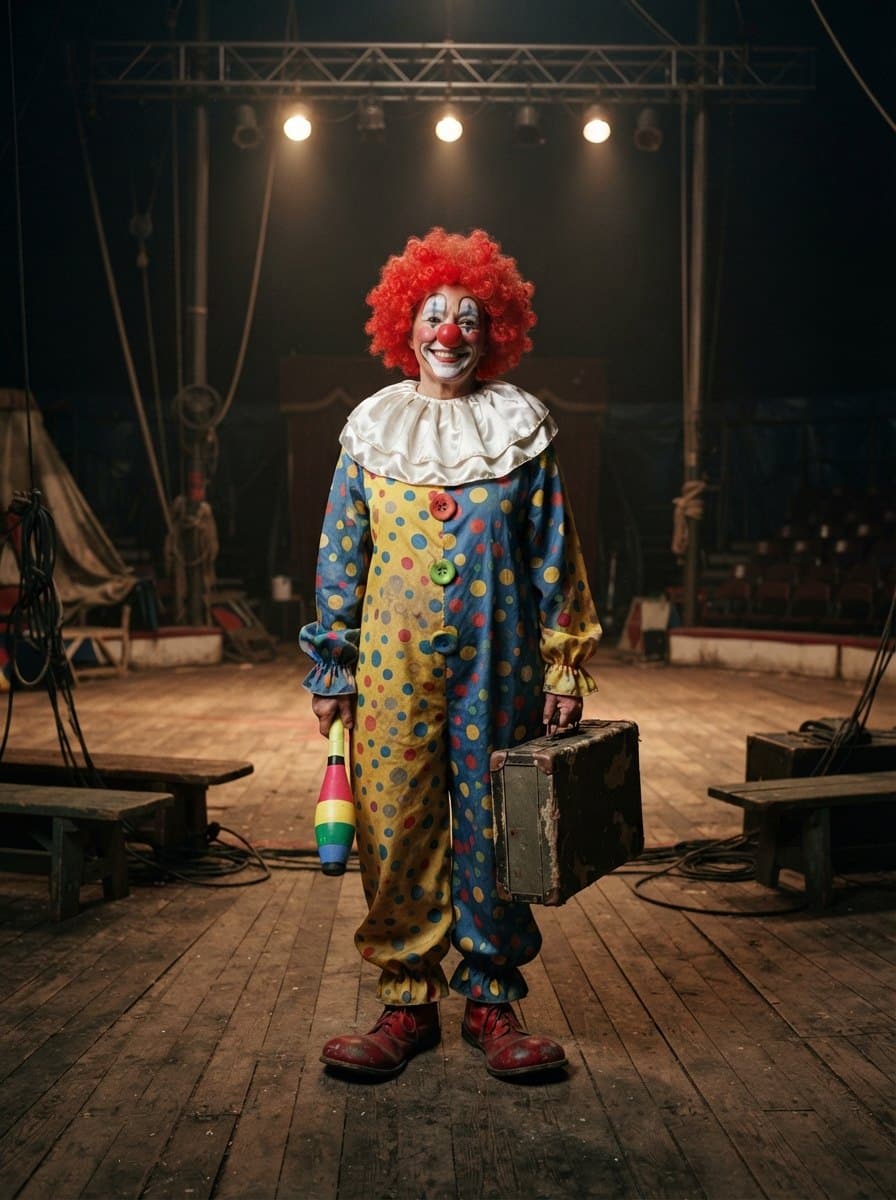
Clown Costume
Bring the circus to life with vibrant patterns and classic comedy.
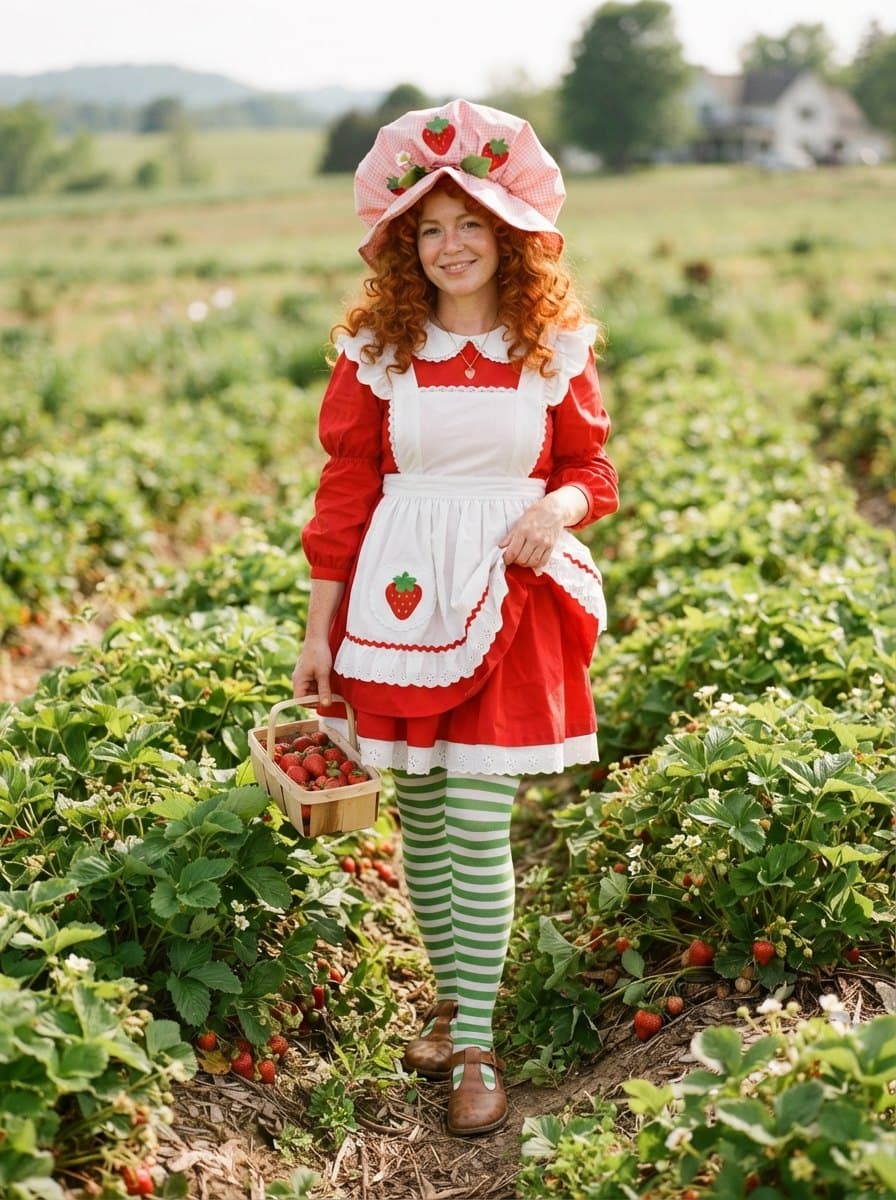
Strawberry Shortcake Costume
Bring sweet 1980s nostalgia to life with this classic berry look.

Scarecrow Costume
Bring rustic autumn charm to life with a classic scarecrow look.
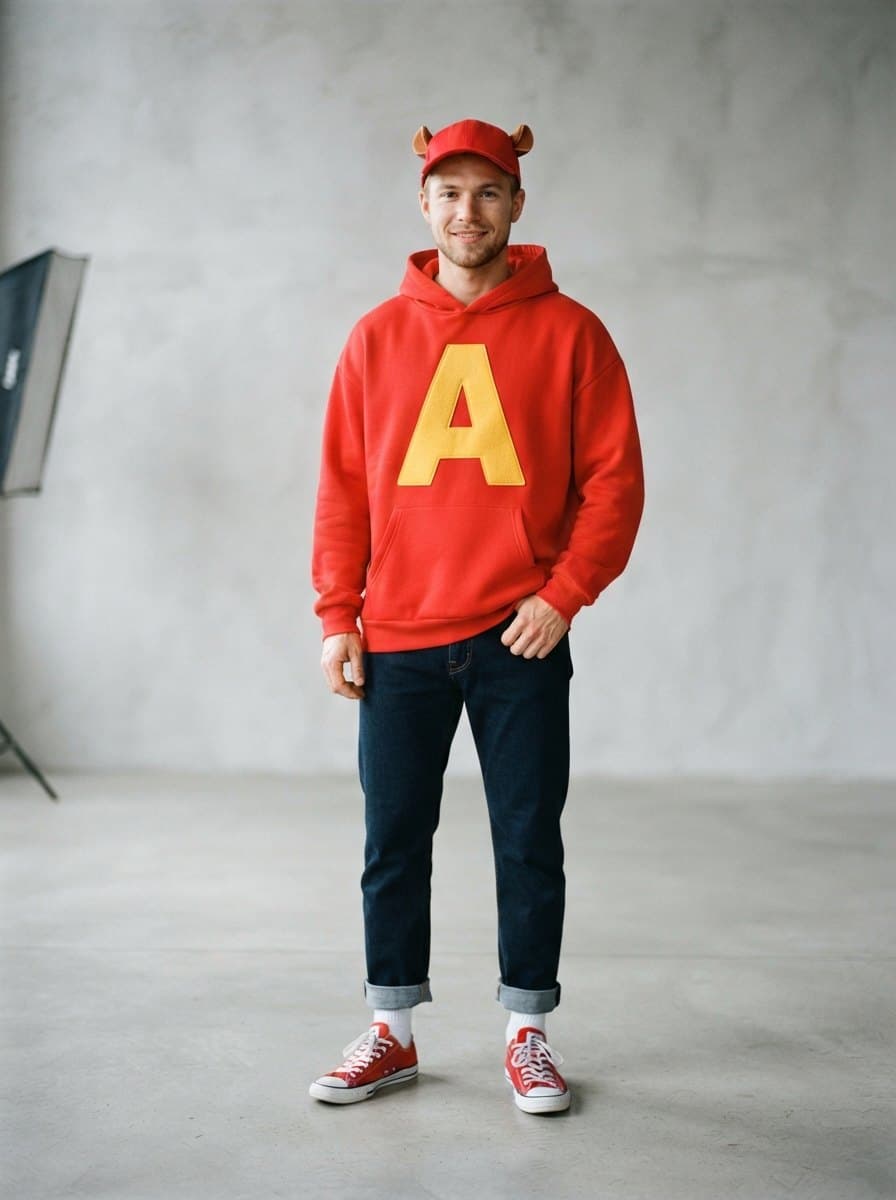
Alvin and the Chipmunks Costume
Bring the musical chipmunk trio to life with simple, colorful hoodies.
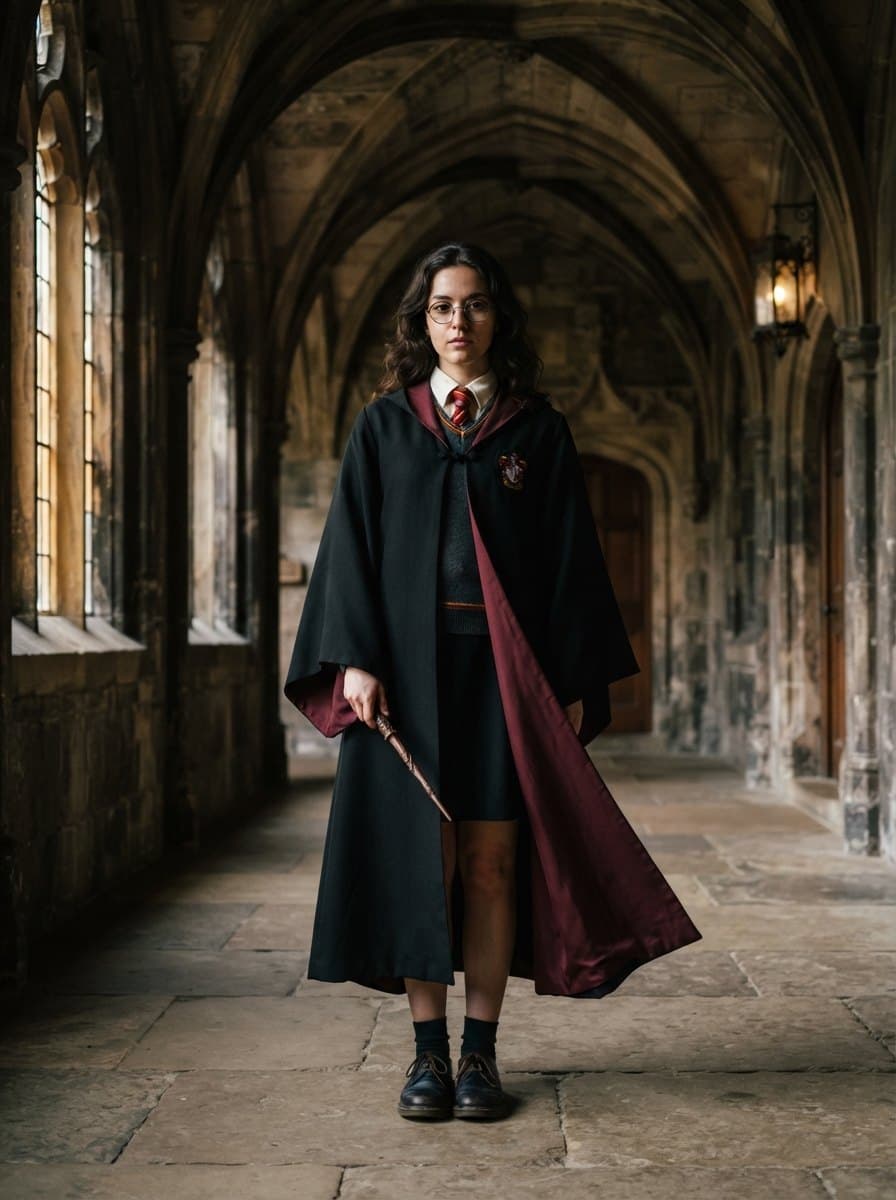
Harry Potter Costume
Step into the wizarding world with the iconic Gryffindor uniform.
What you need for a Korean Costumes costume
Jeogori (Jacket)
A cropped, long-sleeved jacket with a V-neckline, secured with a long fabric ribbon (otgoreum) tied to one side.
DIY: Use a short, wrap-around cardigan or lightweight jacket with wide sleeves and attach a wide fabric ribbon to the chest.
Chima (Skirt)
A full, high-waisted, floor-length wrap skirt, typically made of structured polyester or silk-like fabric in a bold, contrasting color.
DIY: Wear a high-waisted, pleated maxi skirt and tie a wide sash tightly just under the bust.
Baji (Trousers - Men's Option)
Loose-fitting, roomy trousers that gather at the ankles, usually in a complementary solid color.
DIY: Use loose, solid-colored linen or cotton drawstring pants gathered at the ankles.
Sokchima (Petticoat)
A structured, multi-layered underskirt or petticoat to give the outer chima its iconic bell-shaped volume.
DIY: Wear a standard bridal or cosplay A-line petticoat beneath the skirt.
Norigeo (Pendant)
A traditional decorative macrame tassel hanger attached to the skirt's waistband or the jacket's ribbon.
DIY: Hang a decorative silk tassel or braided cord ornament from the waistline.
How to put it together
- 1
Put on the sokchima (petticoat) to establish the voluminous base shape of the skirt.
- 2
Wrap the chima (skirt) high around the chest, just under the armpits, securing the straps tightly over the shoulders or around the bodice.
- 3
Put on the jeogori (jacket) over the skirt, ensuring the white collar band (git) sits smoothly against the neck.
- 4
Tie the otgoreum (chest ribbon) by folding the longer strap over the shorter one to form a neat, single-sided bow on the right side of the chest.
- 5
For men, secure the baji (trousers) at the waist and tie the ankle straps (daenim) neatly around the ankles.
- 6
Attach the norigae pendant to the waist tie of the skirt so it drapes elegantly down the front.
Makeup & hair
Keep makeup clean, natural, and dewy with soft pink or peach lip color. For women, style hair in a neat low bun (jjok-meori) secured with a decorative hairpin (binyeo), or a neat braid down the back with a ribbon (daenggi) at the end.
Korean Costumes for couples, groups, kids & more
- couples
- One partner wears a women's hanbok (jeogori and chima) and the other wears a men's hanbok (jeogori, baji, and a long vest or po).
- group
- A group can wear matching hanboks in coordinating pastel or vibrant primary colors, representing different traditional roles.
- kids
- Children's hanboks often feature bright, multi-colored striped sleeves (saekdong jeogori) symbolizing good fortune.
- Plus size
- The high-waisted, flowing design of the chima is naturally forgiving and highly adjustable; look for wrap-style skirts with extra-long ties.
- pet
- A lightweight pet-sized hanbok cape with a small decorative bow on the back.
Tips
- Always wear flat, comfortable shoes like simple white flats, as the long skirt will cover your feet.
- Ensure the chest ribbon (otgoreum) is tied correctly; the bow should loop to the left side of the wearer, with the long tails hanging down.
- Avoid stepping on the front hem of the skirt when walking by gently lifting the front of the skirt slightly with one hand.
Did you know? The vibrant colors of traditional Hanboks are based on the 'Obangsaek' theory, representing the five traditional Korean colors (white, black, blue, yellow, and red) which correspond to the five elements of yin and yang.