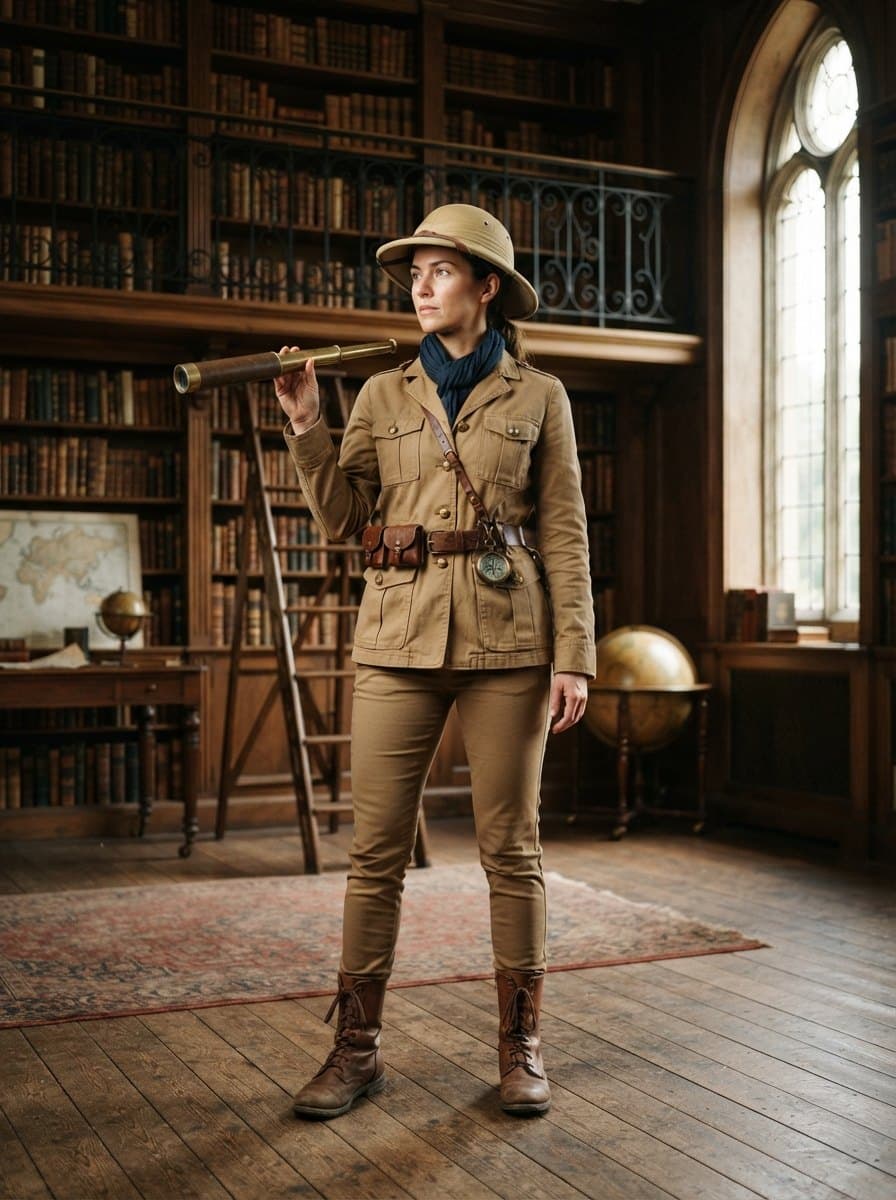
Historical
Bring history to life with authentic period details and classic silhouettes.
Historical costumes are a timeless choice for school projects, theatrical productions, and themed parties. Whether you are channeling a medieval knight, a Victorian lady, or a 1920s flapper, these outfits allow you to step into another era. A great historical look relies on accurate silhouettes, period-appropriate fabrics, and key accessories that define the chosen decade.
- Difficulty
- Medium
- Time
- ~45 min
- Budget
- $30–150
Try it on
See yourself as Historical
One clear photo of yourself; we render you in this costume — face untouched, full body, about 20 seconds.
One render, $1. No account needed — if it fails you're not charged. Pricing.
Your photo is sent to Google's Gemini API to make the render and isn't used for training. Renders are AI-generated and labelled.
Want a different costume on this photo, or a whole group in costume? Open the Try-On Studio.
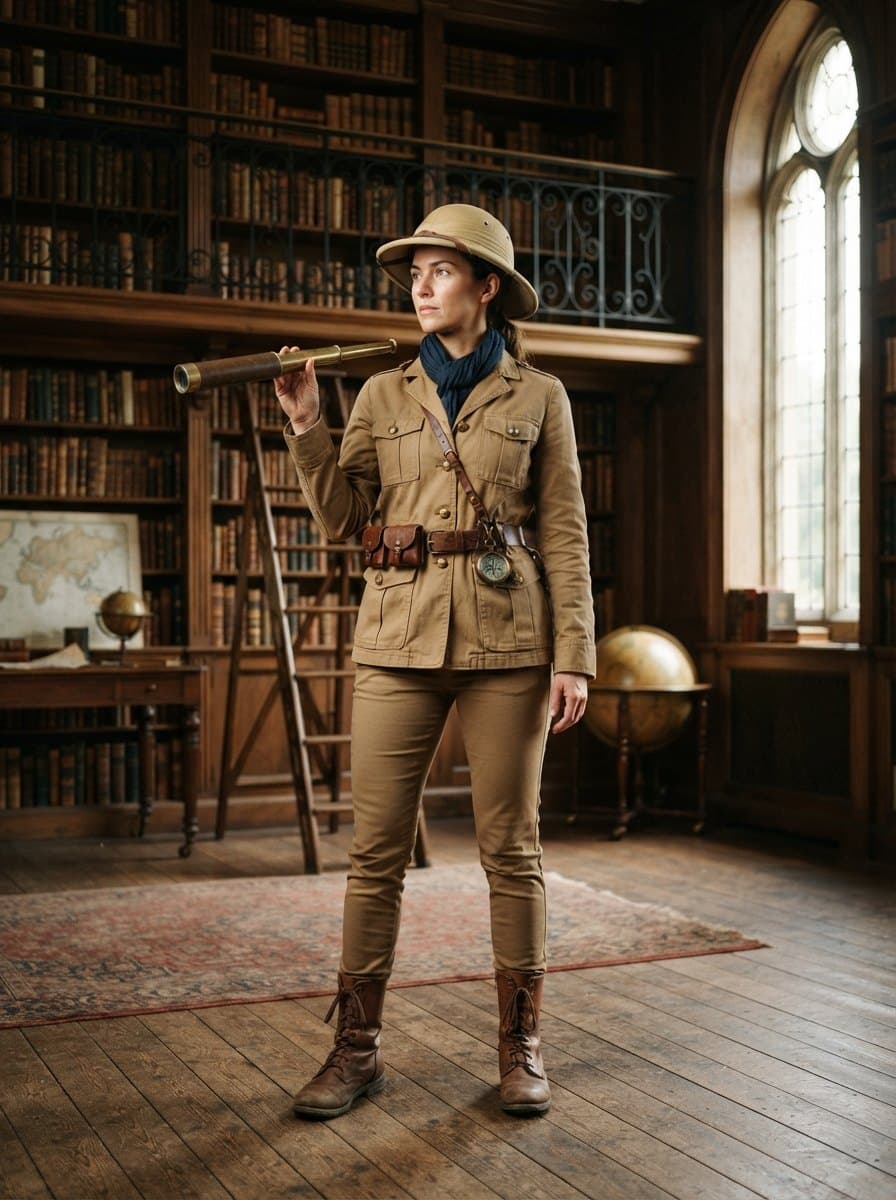
40 Historical costume ideas
Ranked by how many people are searching for them this season. Open any one for the full guide and to try it on.

KPop Demon Hunters Costume
Unleash your inner pop star and demon hunter with Rumi's iconic look.
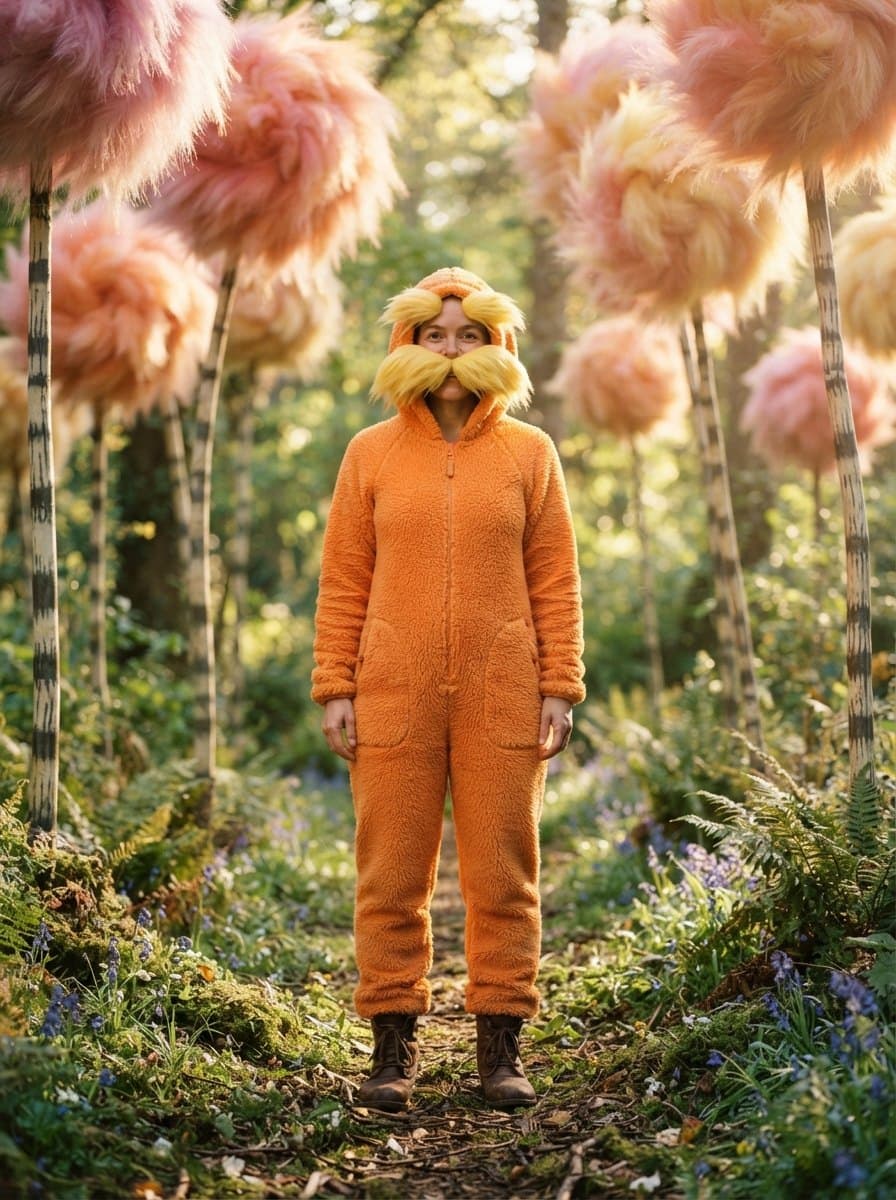
The Lorax Costume
Speak for the trees in this vibrant, cozy orange and yellow look.
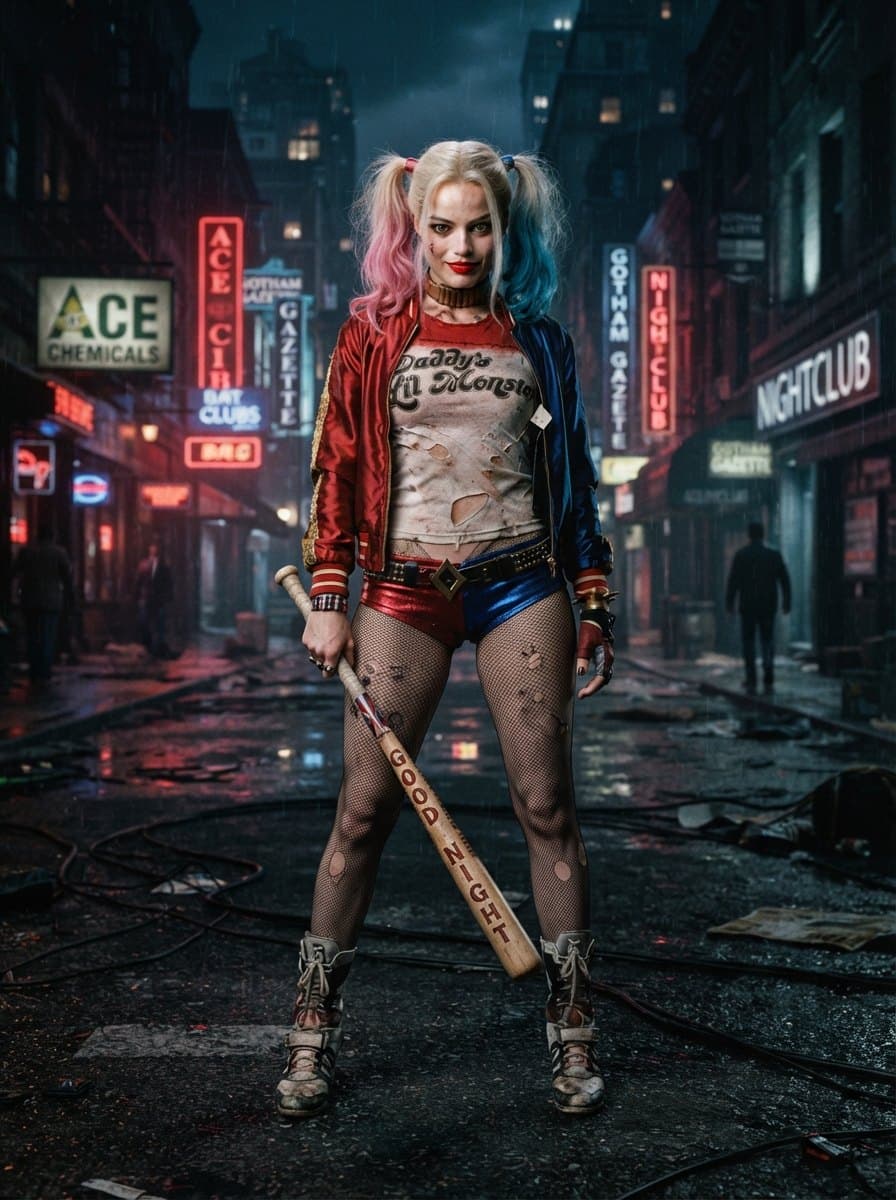
Harley Quinn Costume
Unleash your inner anti-hero with Harley's iconic red and blue look.
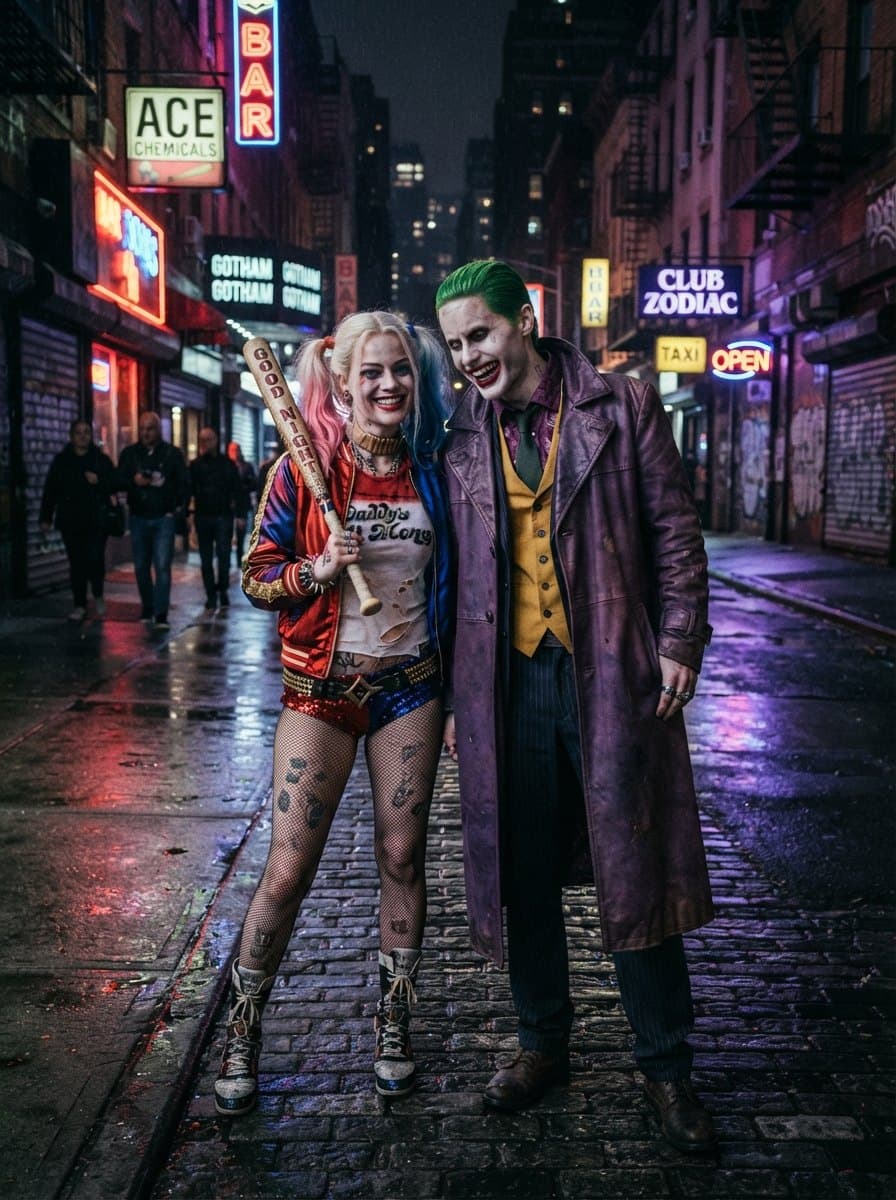
Harley Quinn and Joker Costume
Gotham's most chaotic power couple is ready to steal the show.

Minions Costume
Bello! Bring the chaotic, banana-loving fun to life.
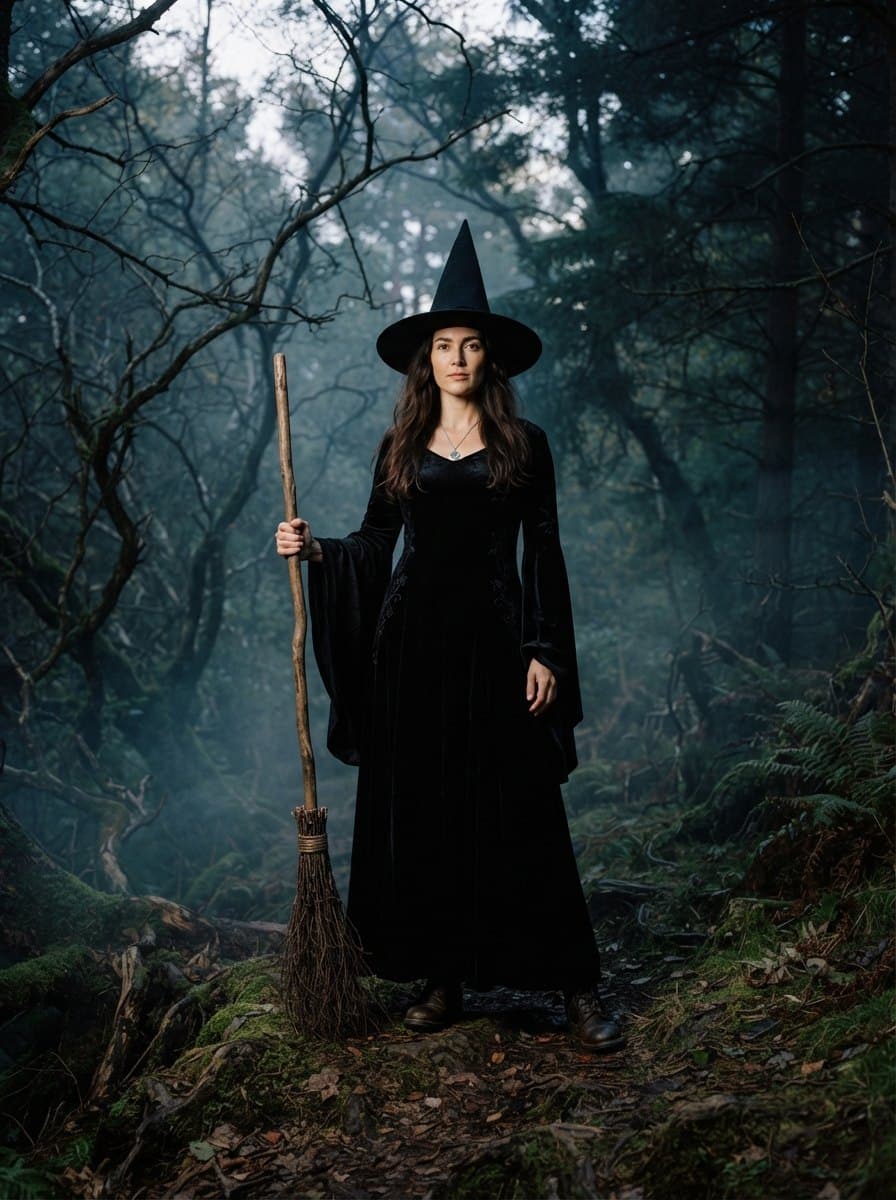
Witch Costume
Cast a spell with a timeless, enchanting classic.
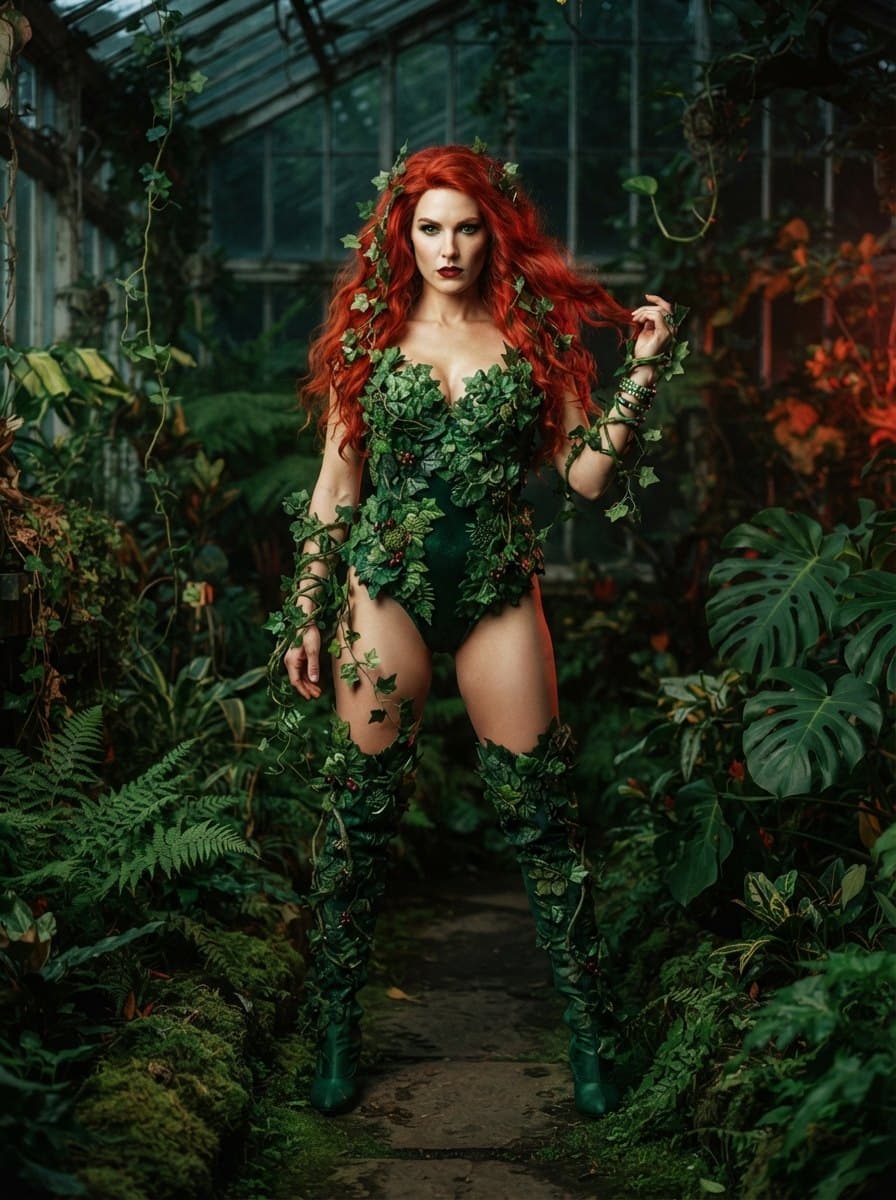
Poison Ivy Costume
Embody Gotham's seductive eco-villain with vibrant greens and ivy leaves.
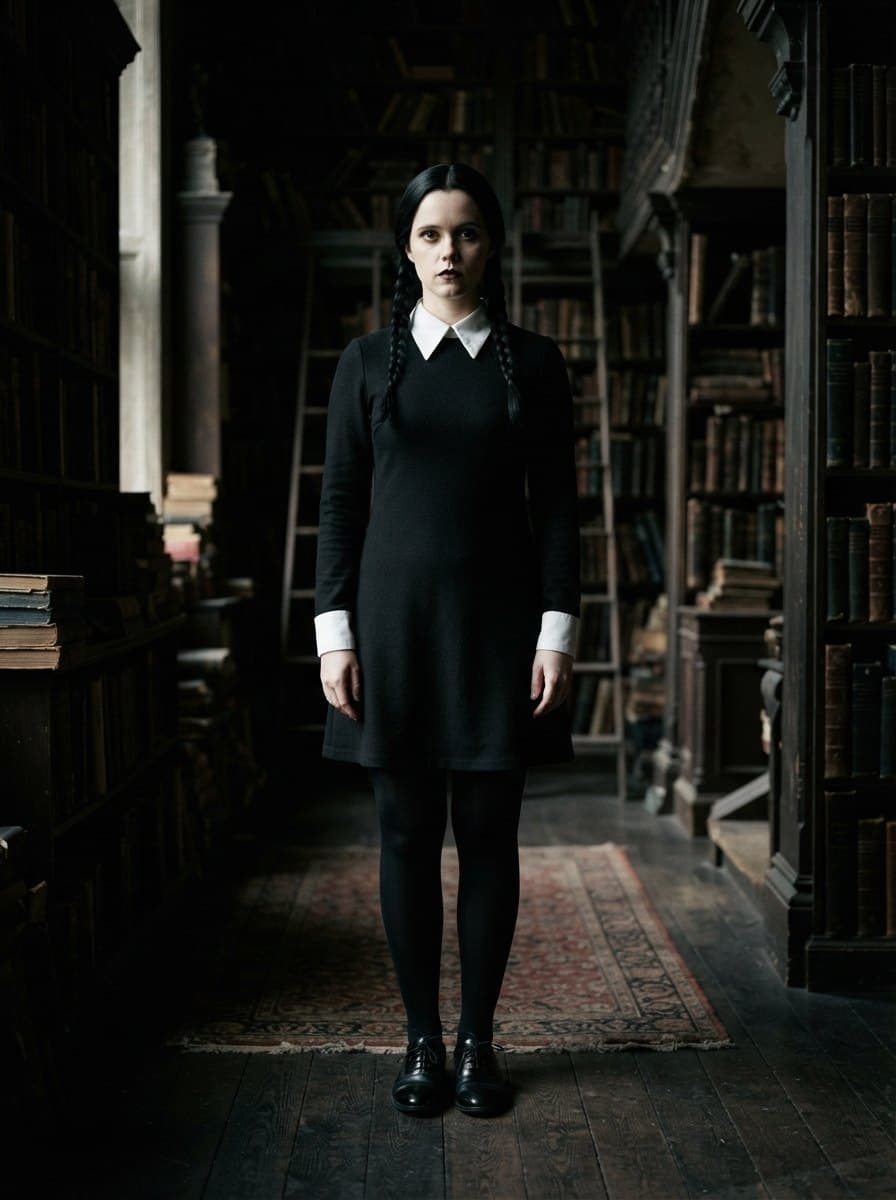
Wednesday Addams Costume
Channel your favorite gothic icon with a sharp, classic monochrome look.

Rumi Costume
Channel the fierce leader of Huntrix with this K-pop demon hunter style.

Catwoman Costume
Steal the spotlight in Gotham's sleekest, most iconic anti-hero look.

Pirate Costume
Unleash your inner swashbuckler with this classic, customizable seafaring look.
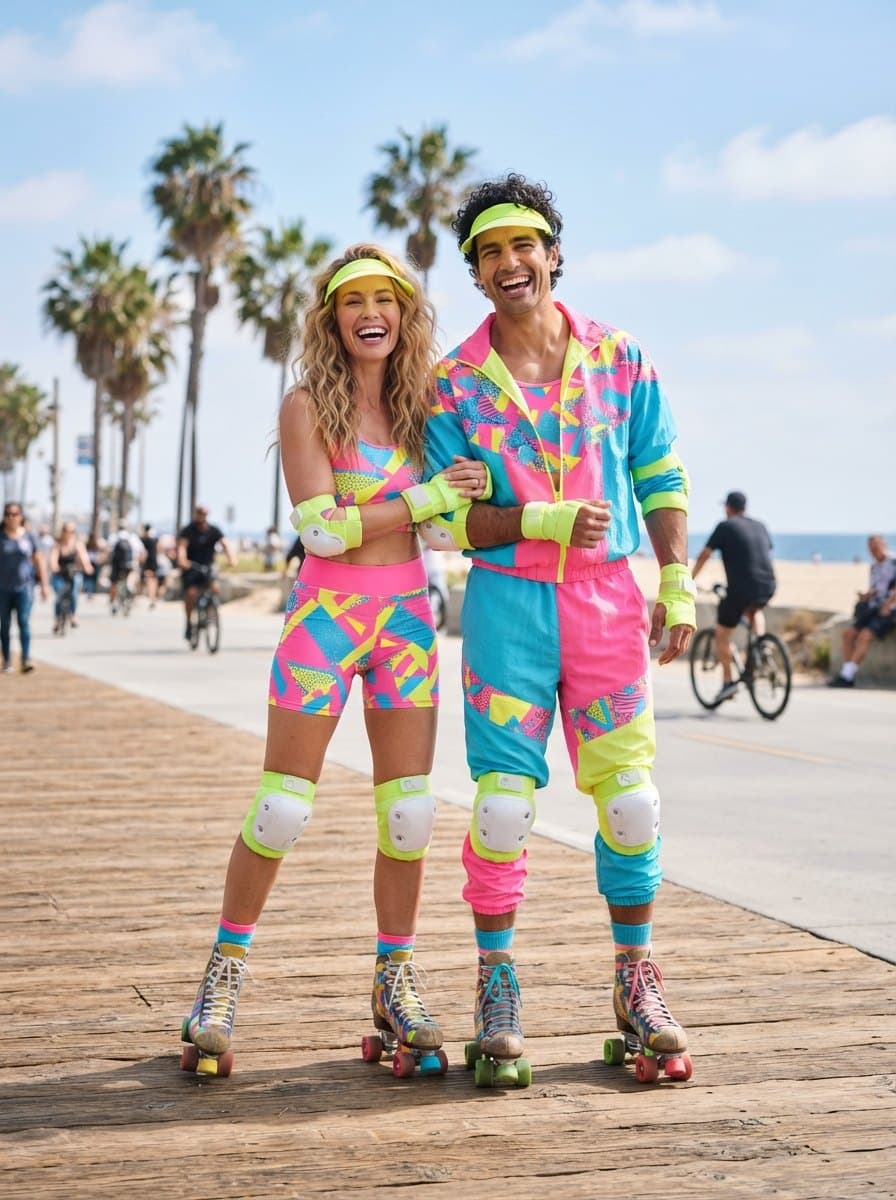
Barbie and Ken Costume
Step into a neon world as the ultimate, fashion-forward plastic duo.
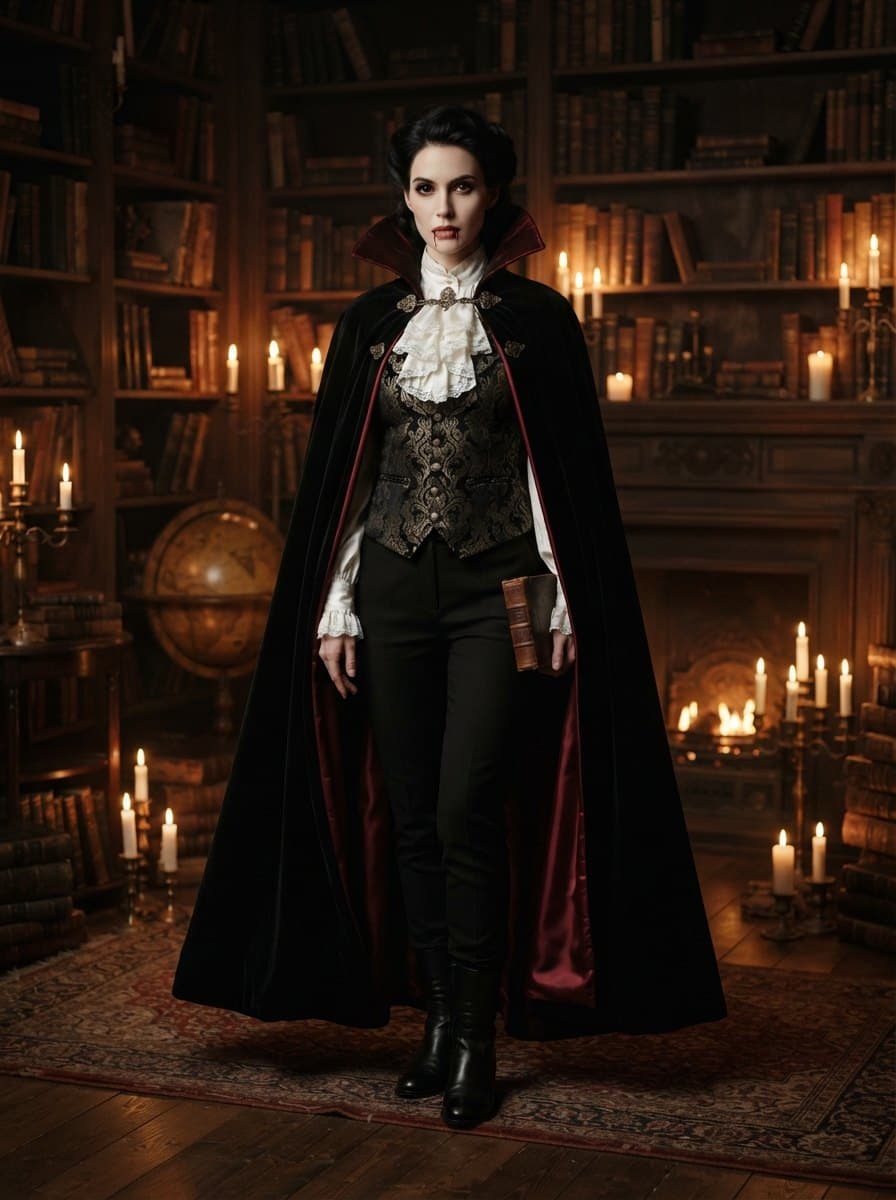
Vampire Costume
Embrace the night with a classic, timeless gothic look.
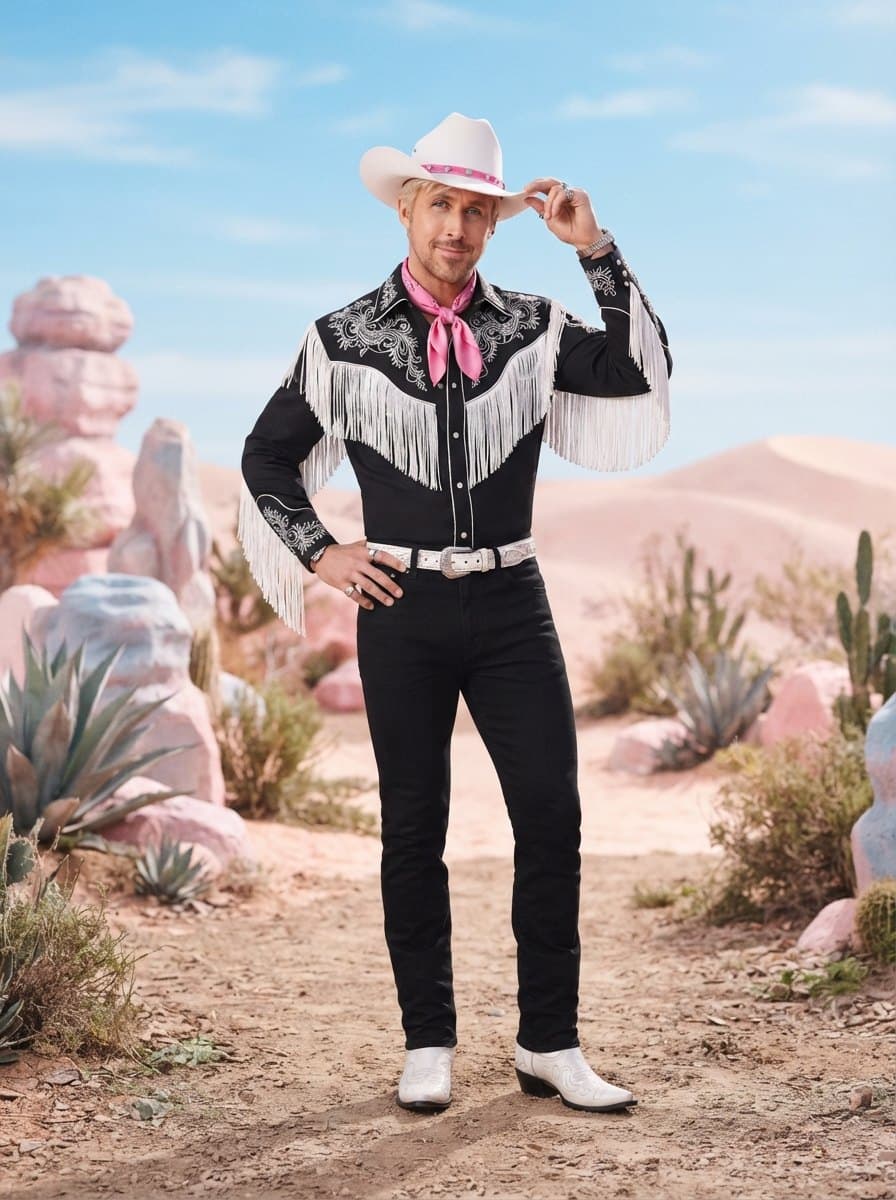
Ken Costume
Bring the ultimate Kenergy with this iconic Western look.
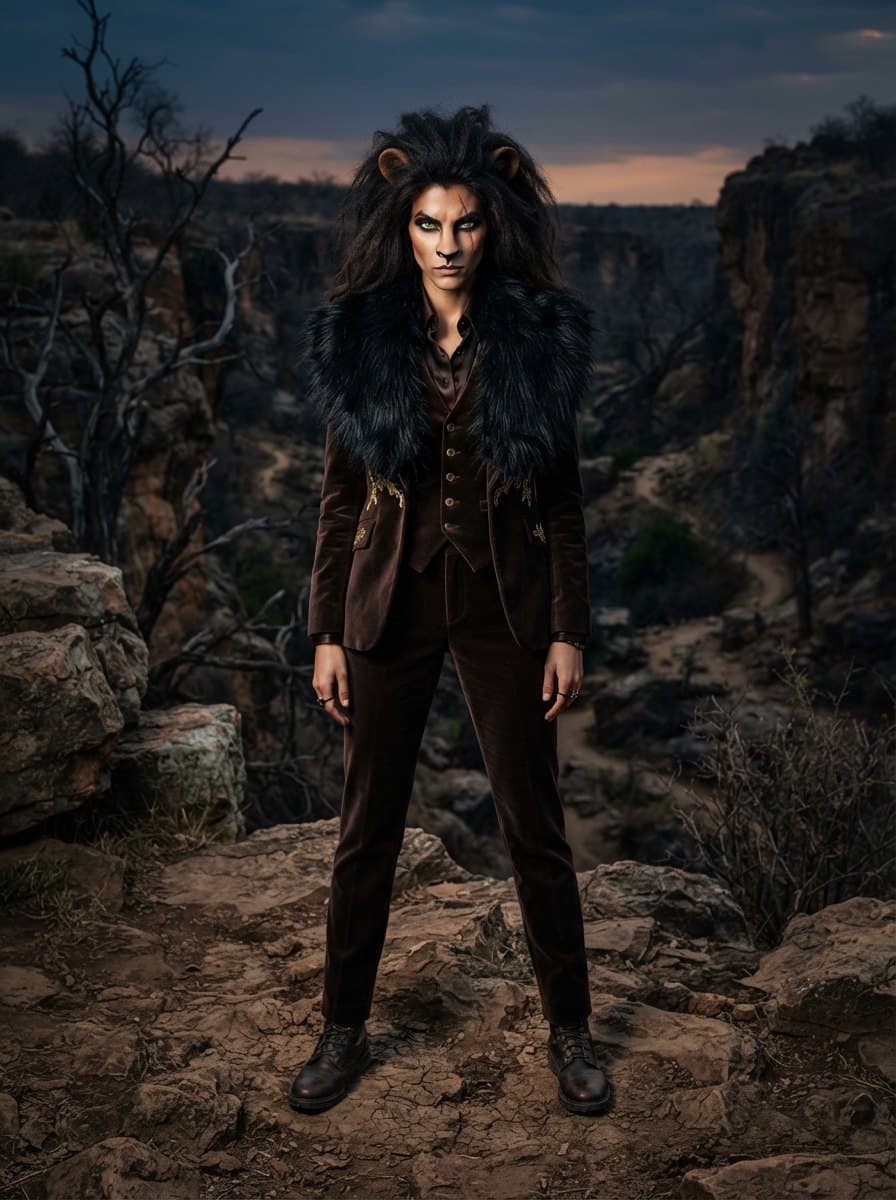
Scar Costume
Be prepared to rule the Pride Lands in villainous style.
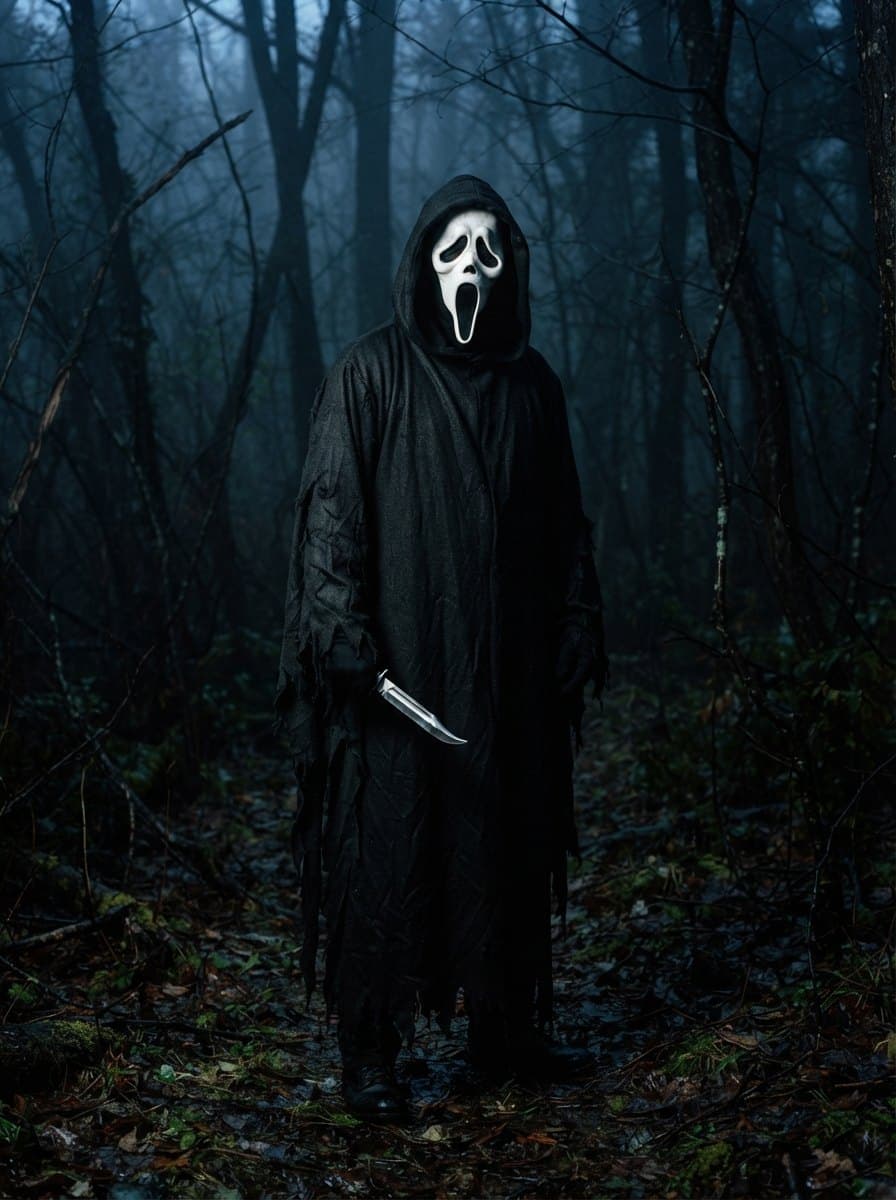
Ghostface Costume
Rule the night as the ultimate Woodsboro slasher.
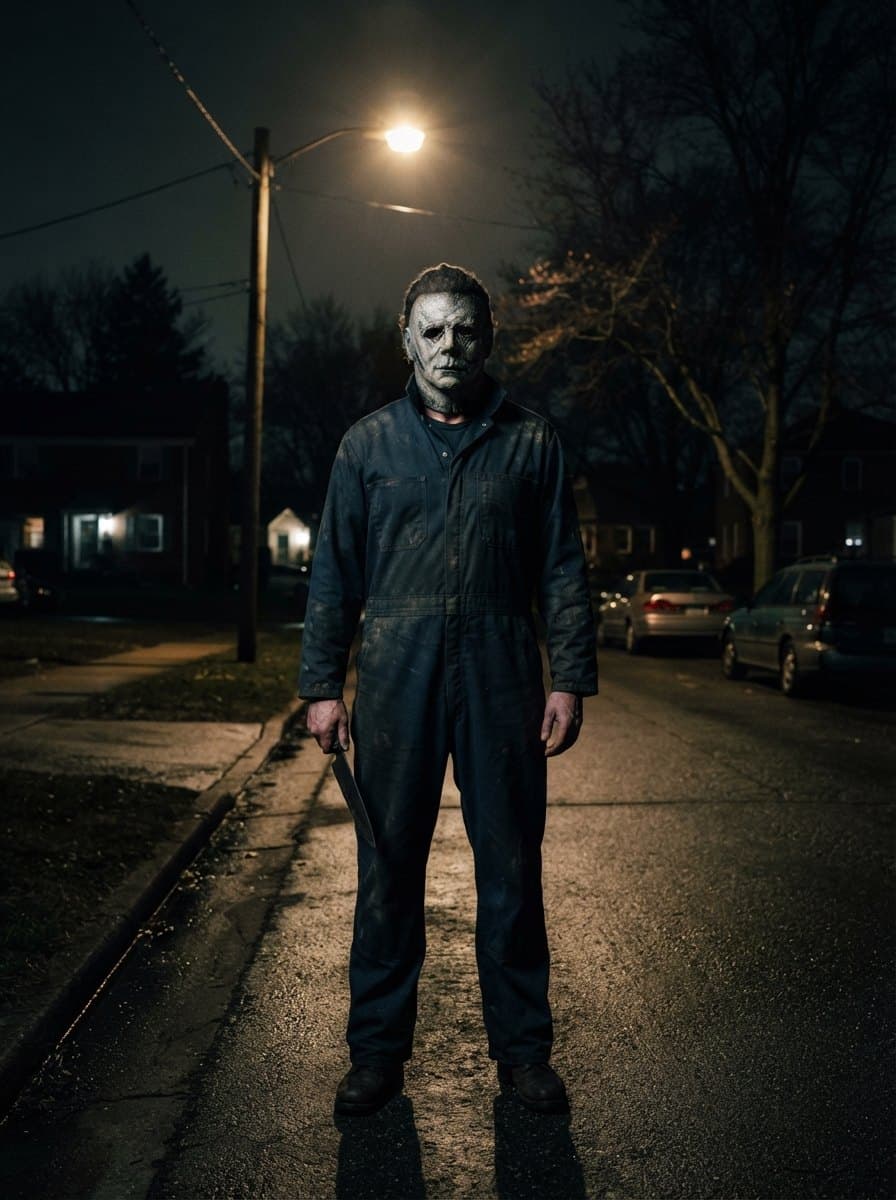
Michael Myers Costume
Embody the silent, unstoppable shape of Halloween night.
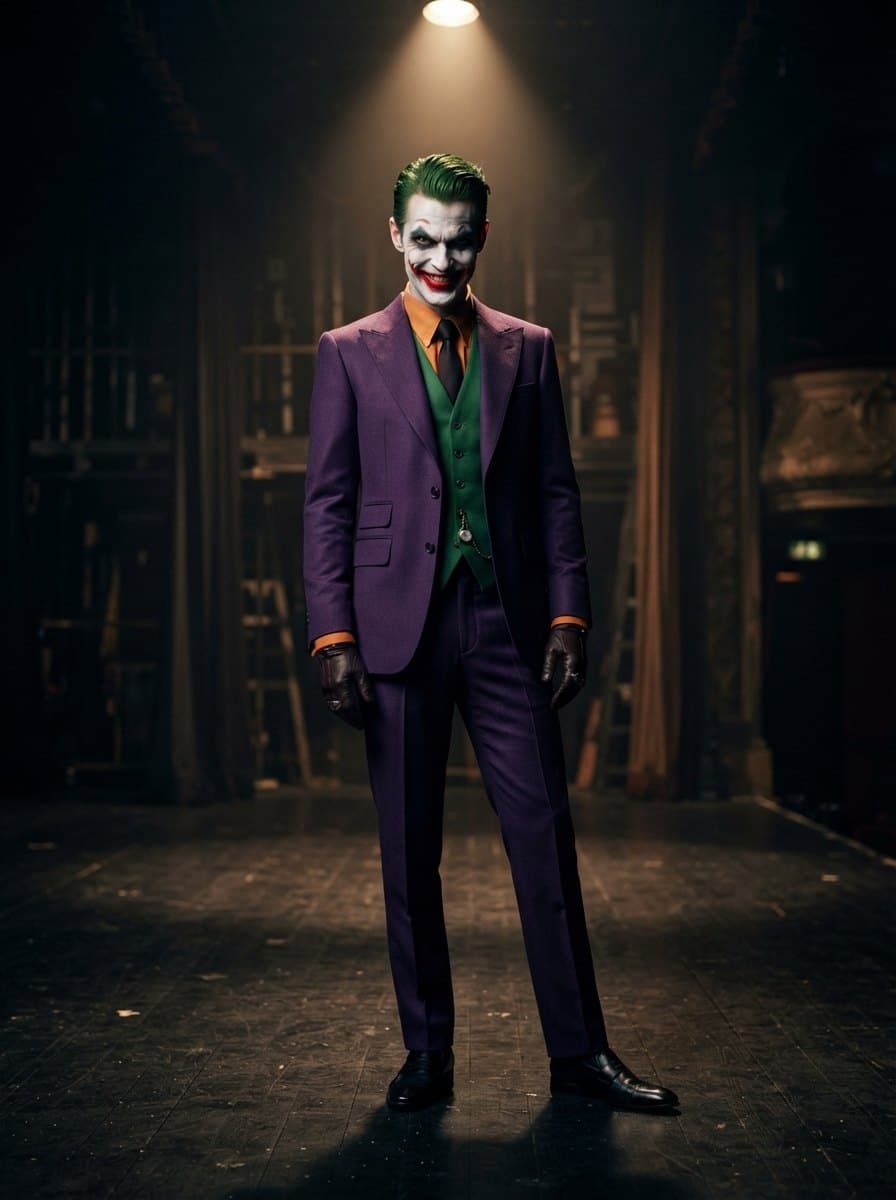
Joker Costume
Unleash your inner agent of chaos in style.
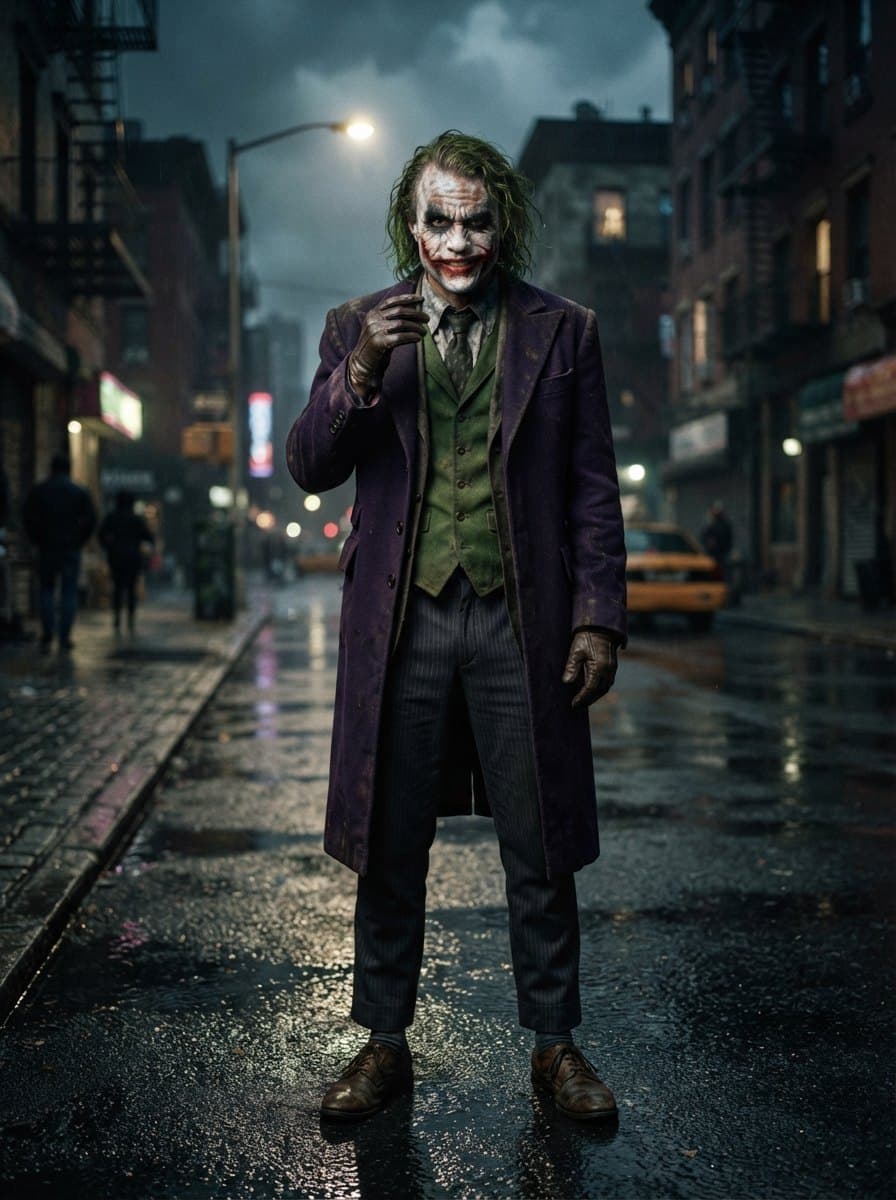
The Joker Costume
Embrace the chaos with the ultimate Gotham villain look.
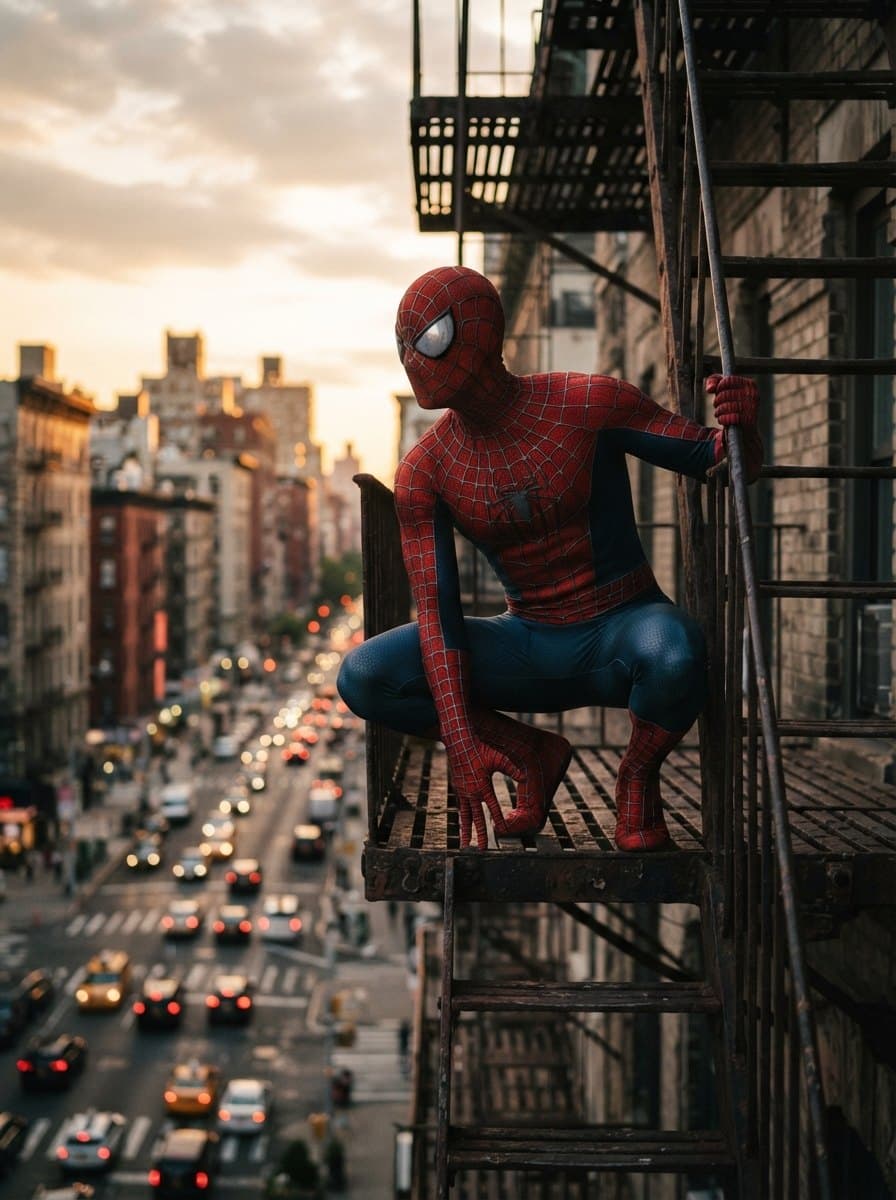
Spider-Man Costume
With great style comes great responsibility.
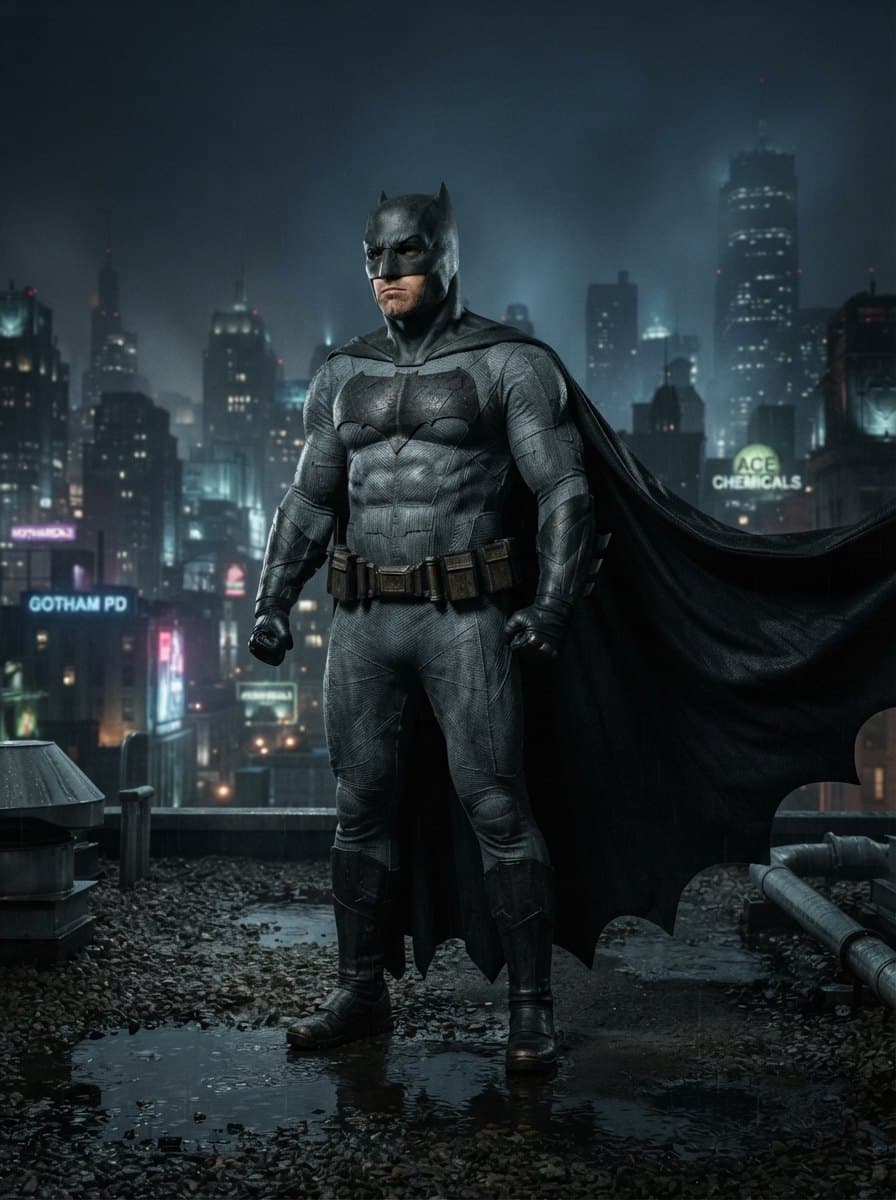
Batman Costume
Step out of the shadows as Gotham's legendary Dark Knight.
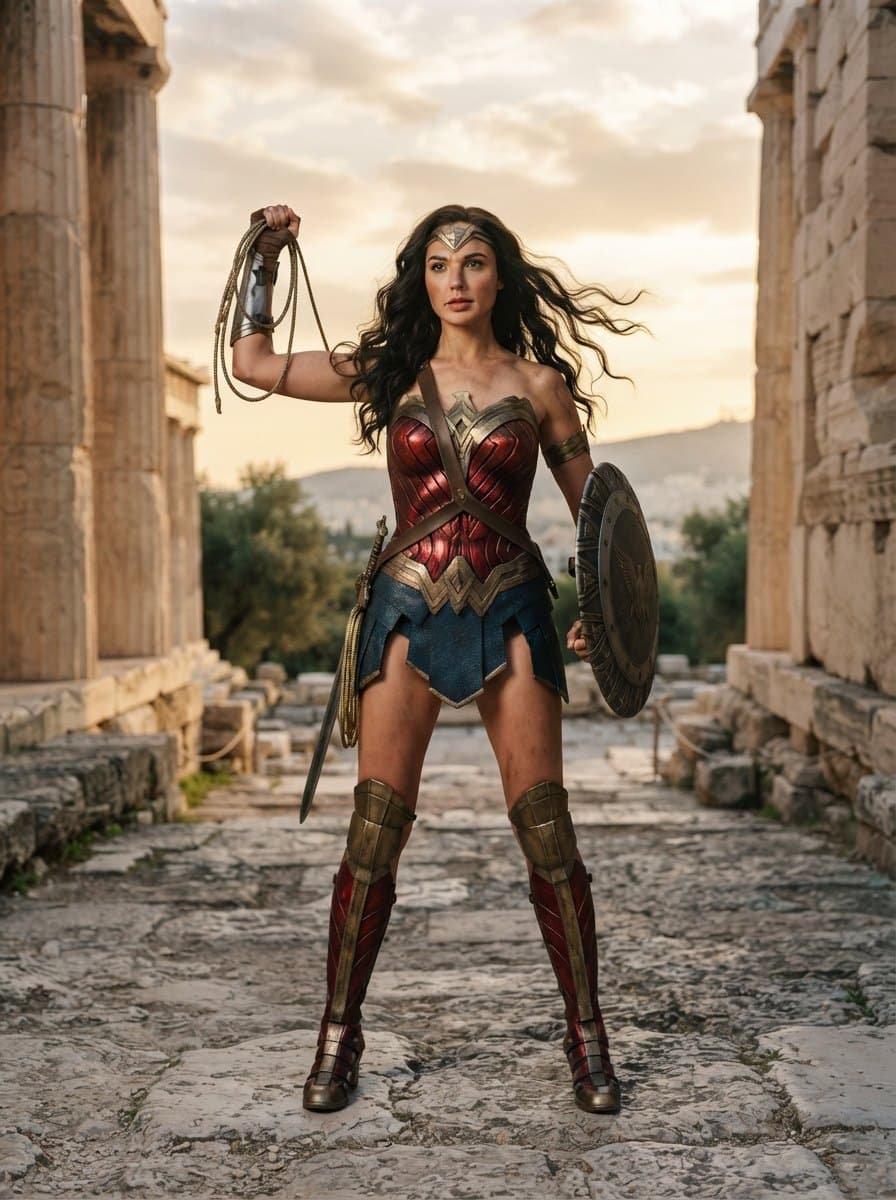
Wonder Woman Costume
Unleash your inner warrior with the ultimate Amazonian look.

Padmé Amidala Costume
Step into the Star Wars galaxy as Naboo's courageous senator.
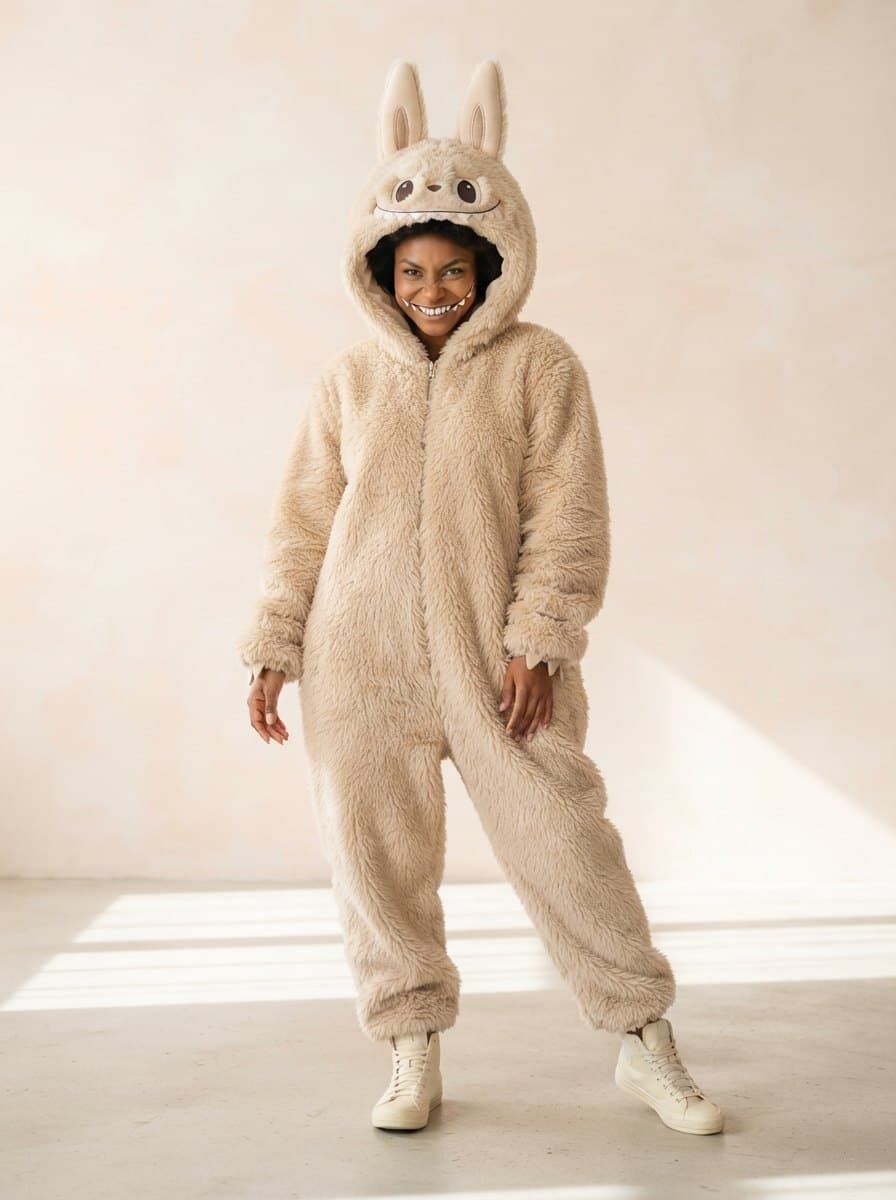
Labubu Costume
Bring Pop Mart's most mischievous, lovable monster to life.

Starfire Costume
Channel your inner Tamaranian princess with this vibrant superhero look.
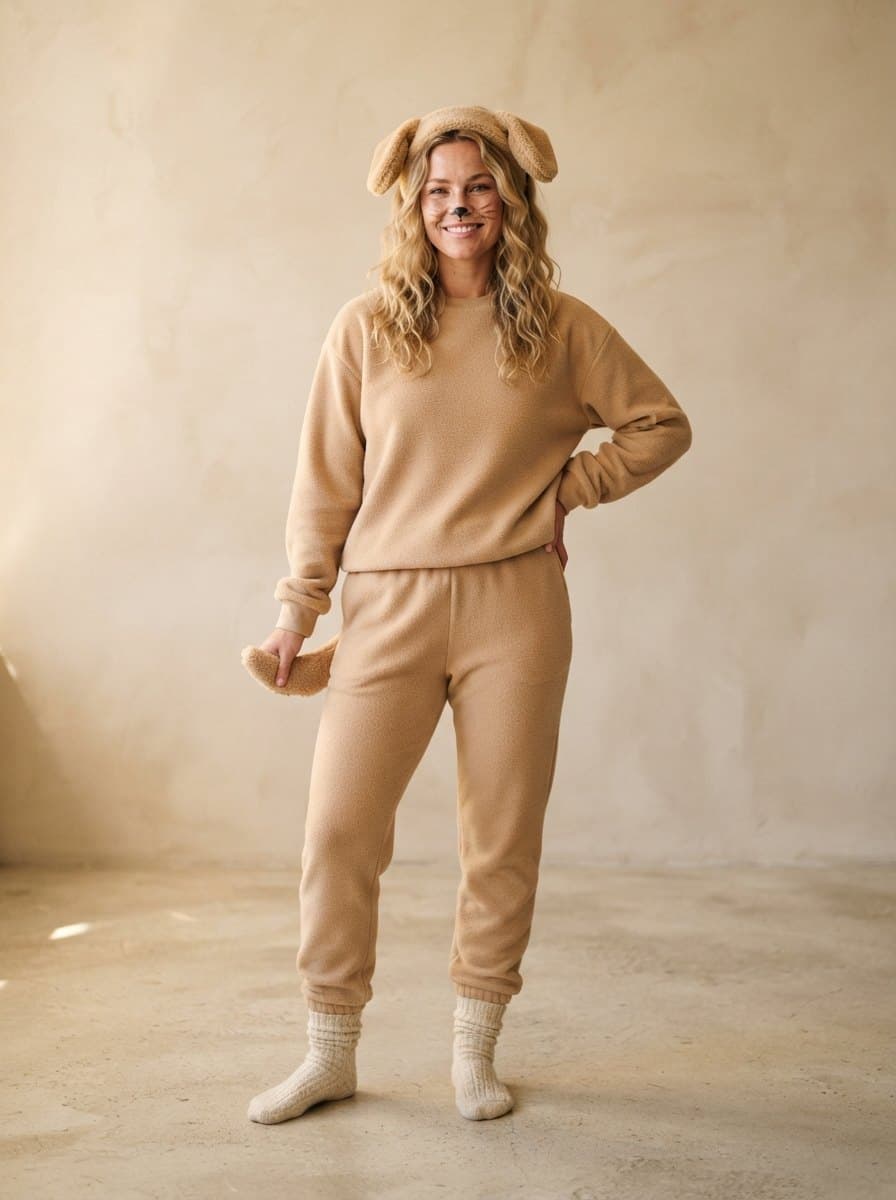
Dog Costume
Unleash your inner pup with this easy, comfortable classic.

Pennywise Costume
Float down here with this screen-accurate, terrifying killer clown look.
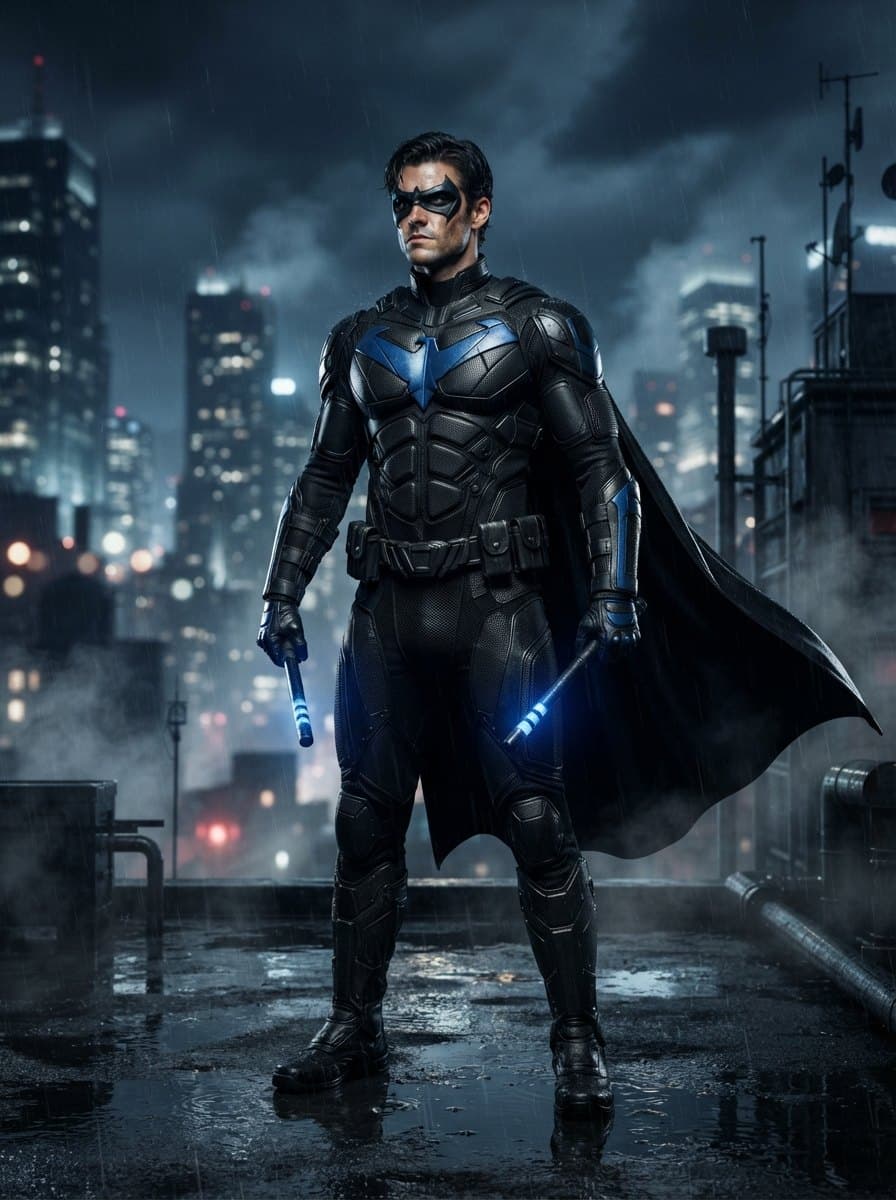
Nightwing Costume
Step out of Batman's shadow in this sleek vigilante look.
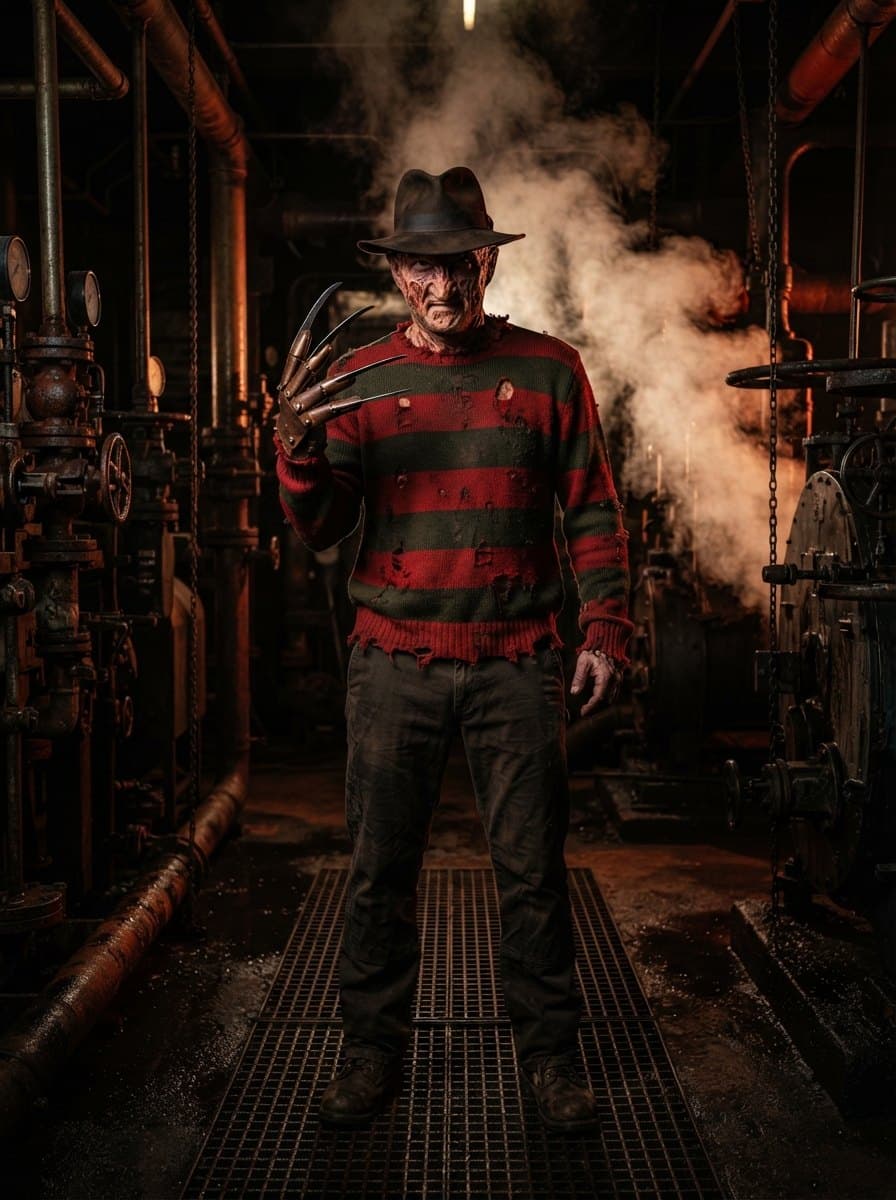
Freddy Krueger Costume
Bring the ultimate dream-stalking nightmare to life this Halloween.
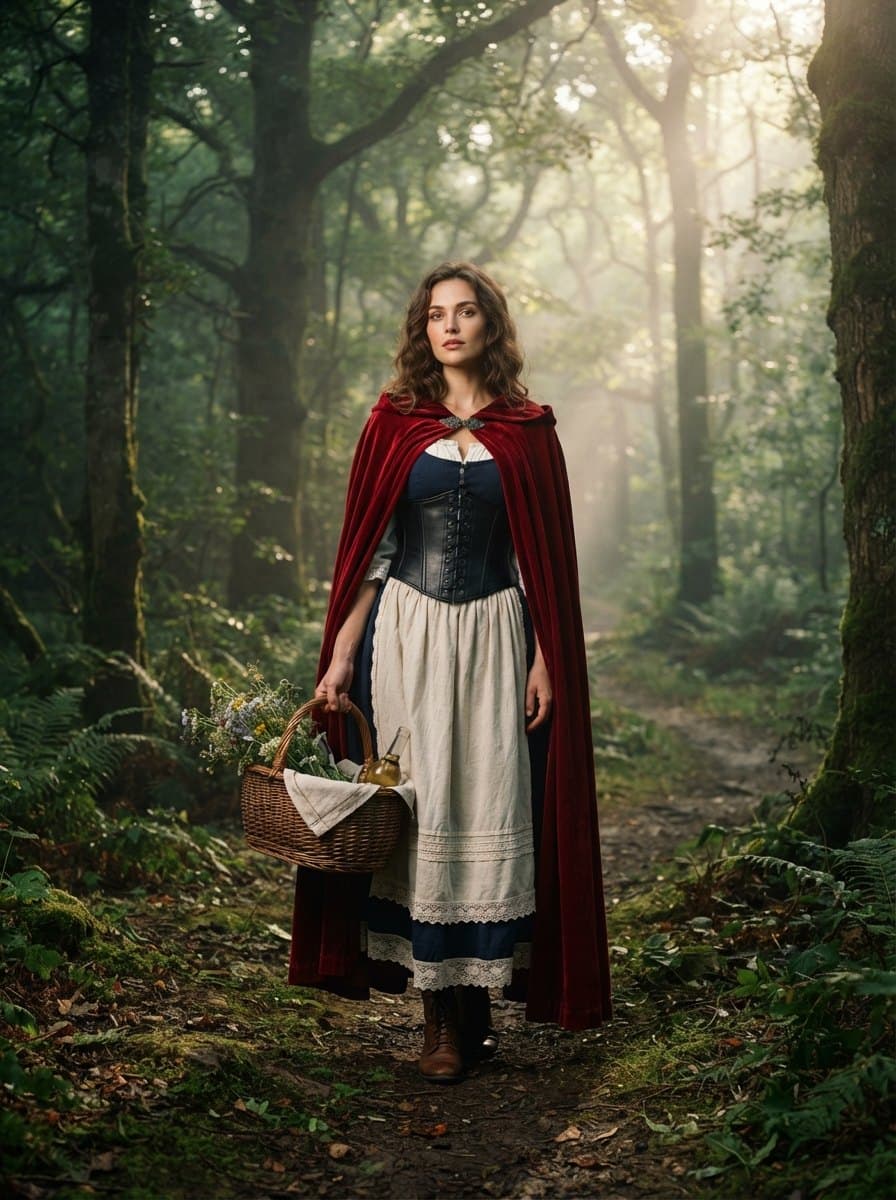
Little Red Riding Hood Costume
Journey through the woods in this timeless, enchanting fairytale look.
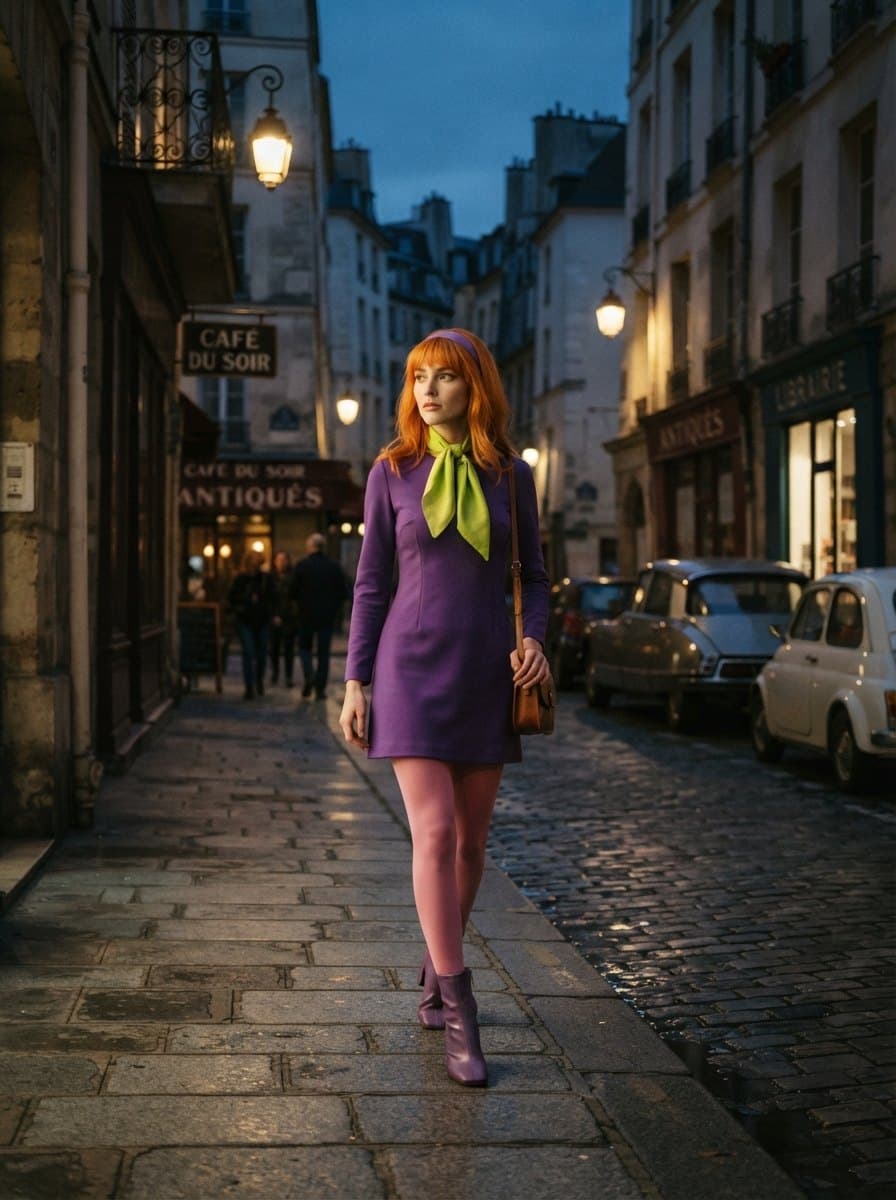
Daphne Blake Costume
Solve mysteries in style with Daphne's retro 1960s purple look.
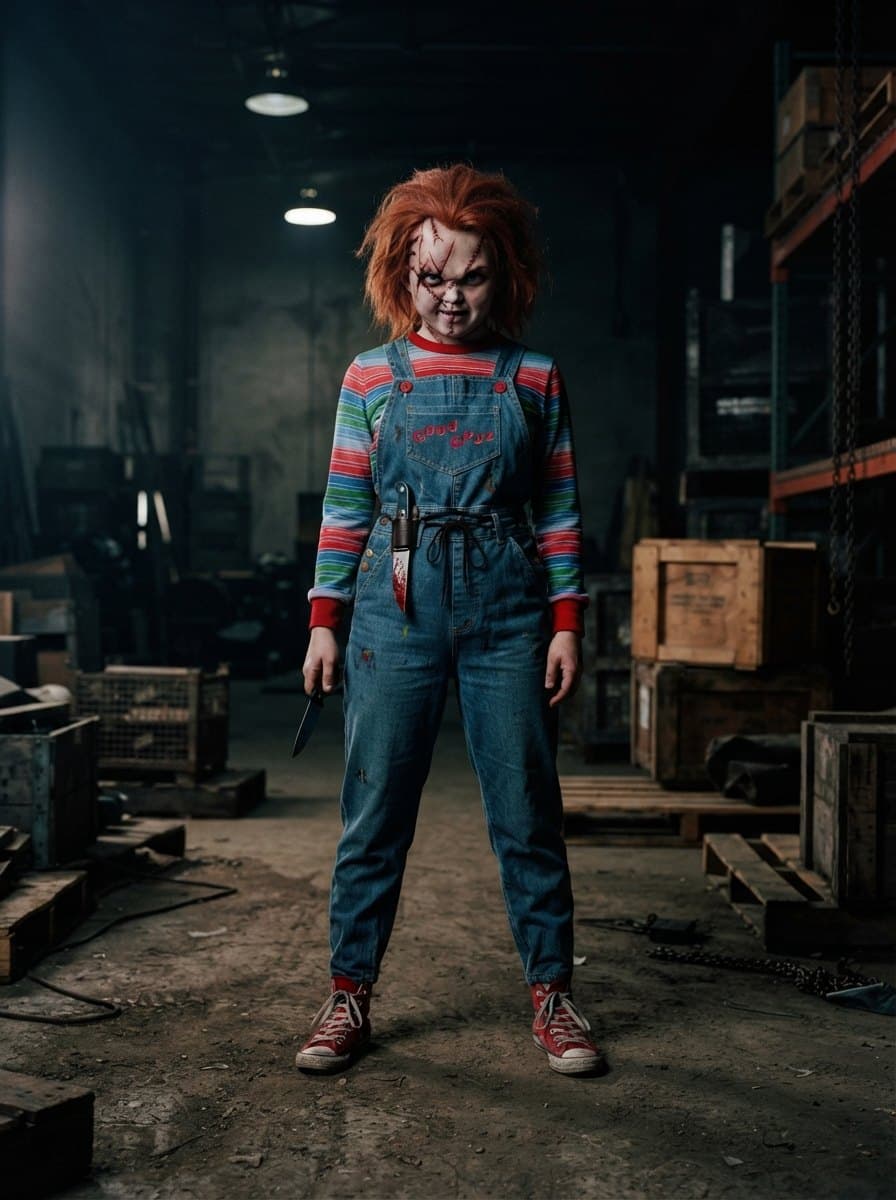
Chucky Costume
Channel your inner killer doll with Chucky's iconic striped look.
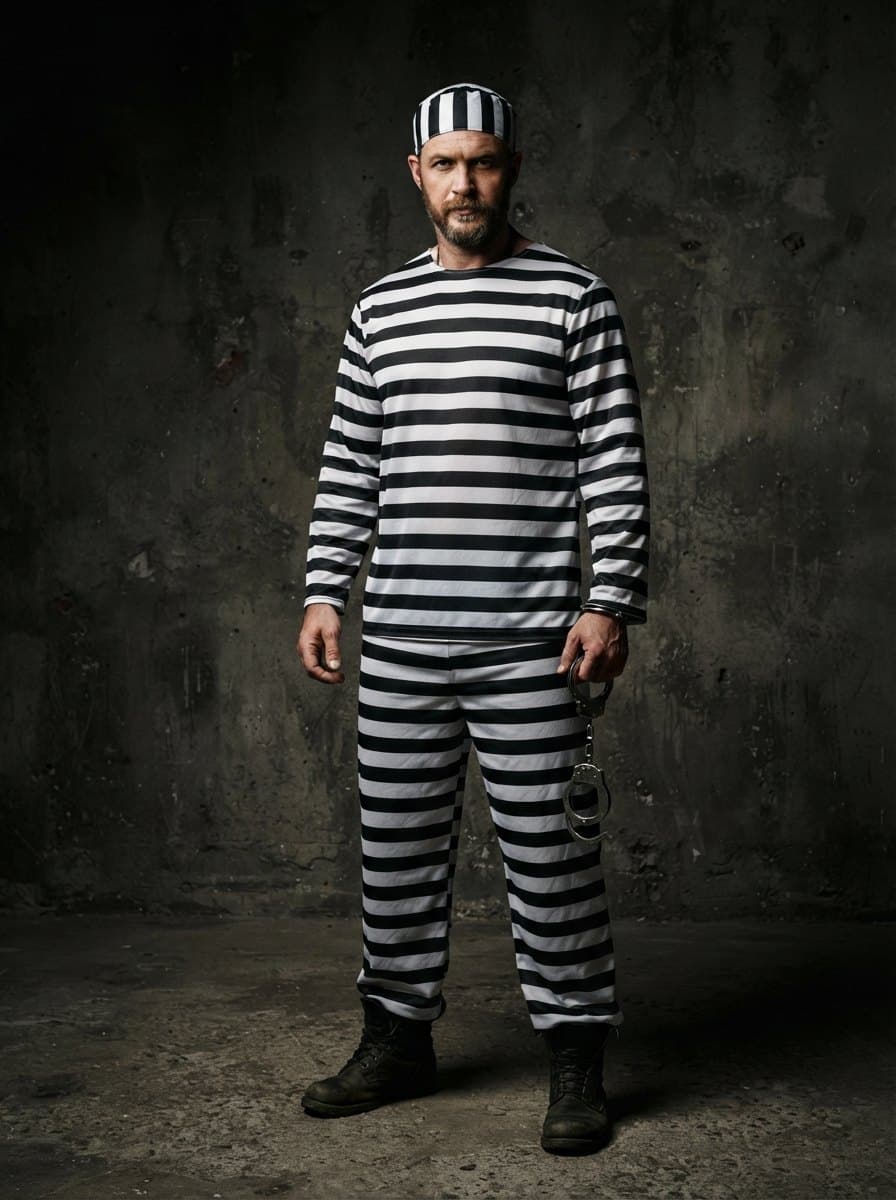
Prisoner Costume
The ultimate classic jailbird look that is incredibly easy to style.
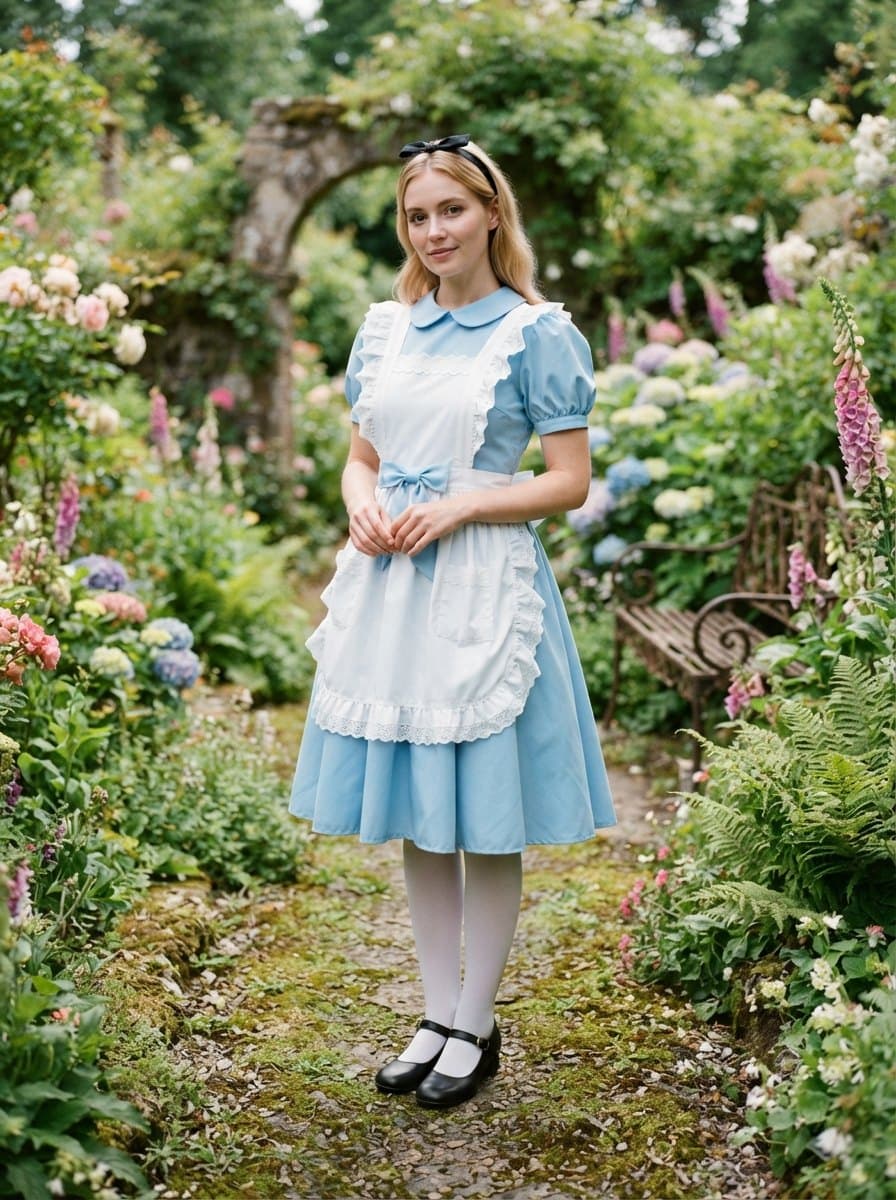
Alice Costume
Bring the magic of Wonderland to life with this iconic blue dress.
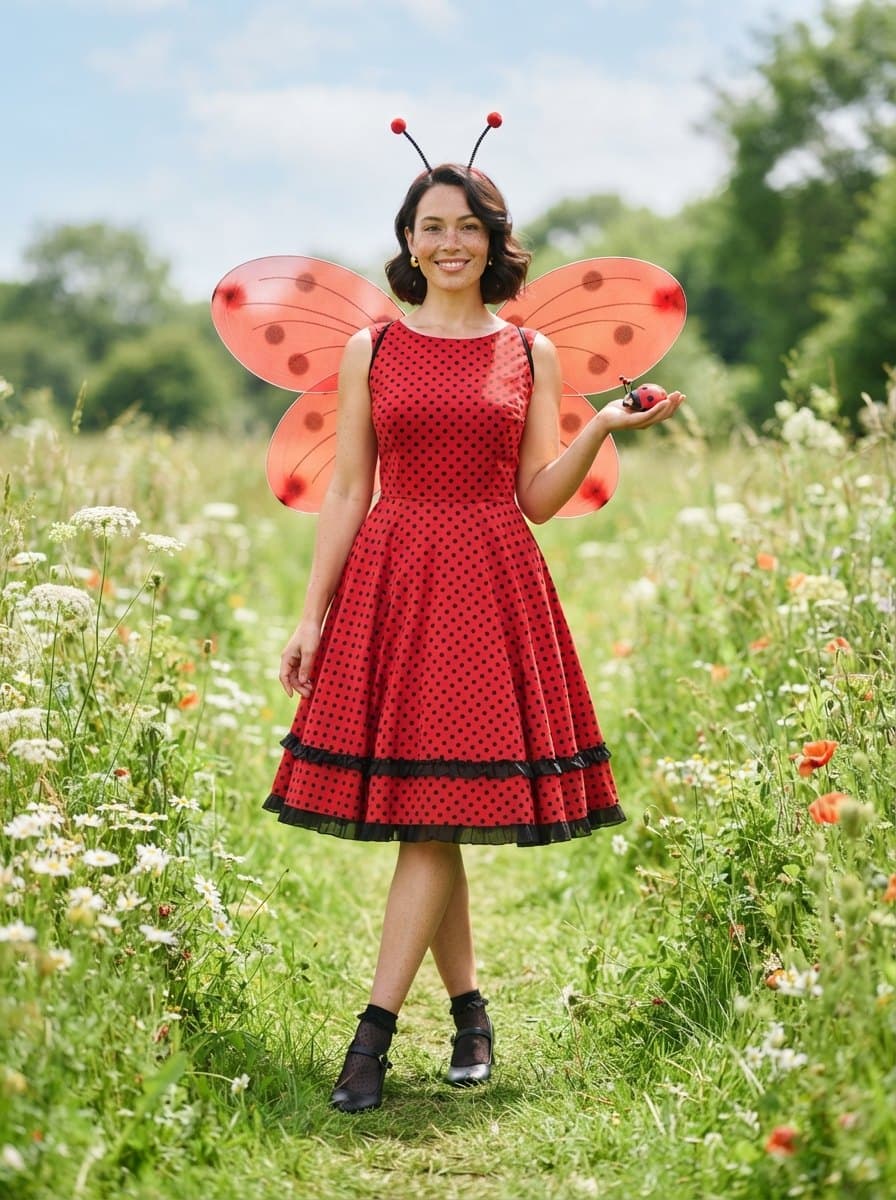
Ladybug Costume
A bright, cheerful, and easy-to-wear costume perfect for any occasion.
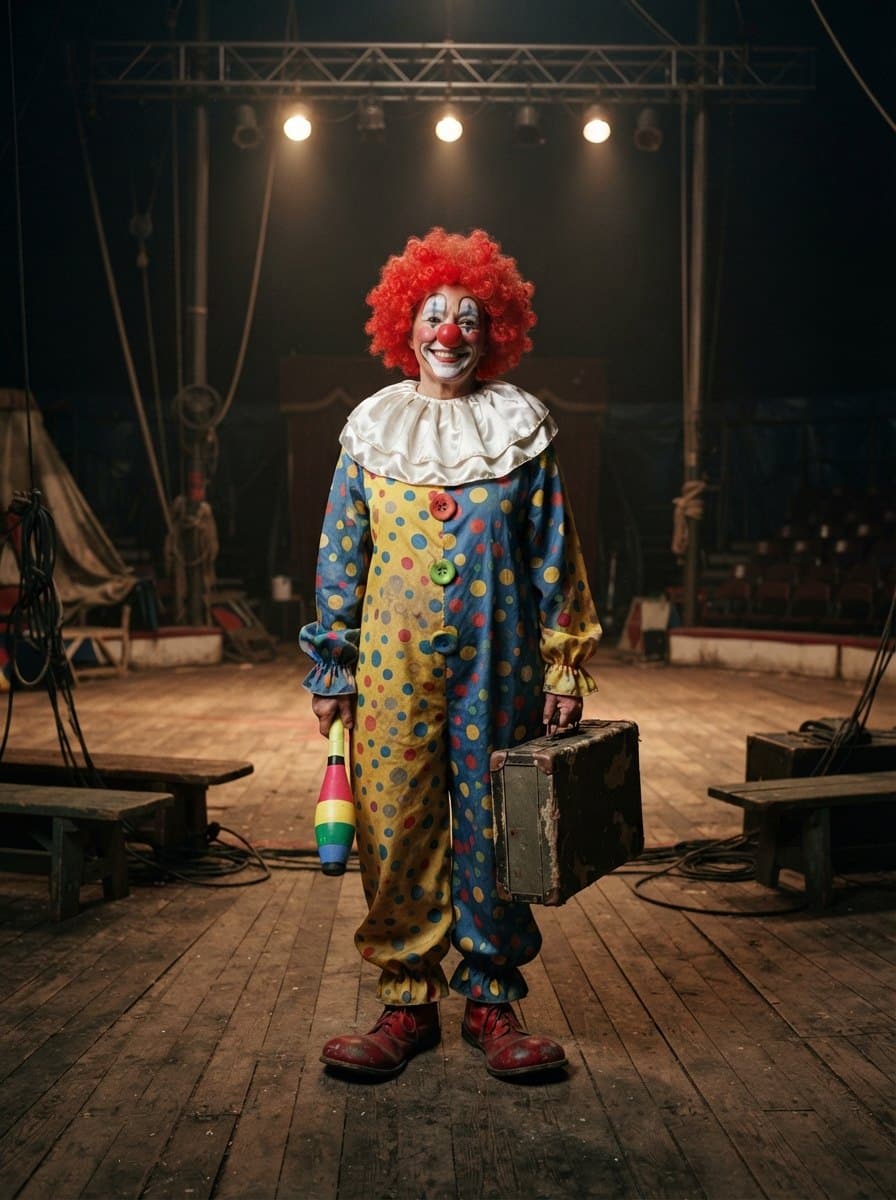
Clown Costume
Bring the circus to life with vibrant patterns and classic comedy.
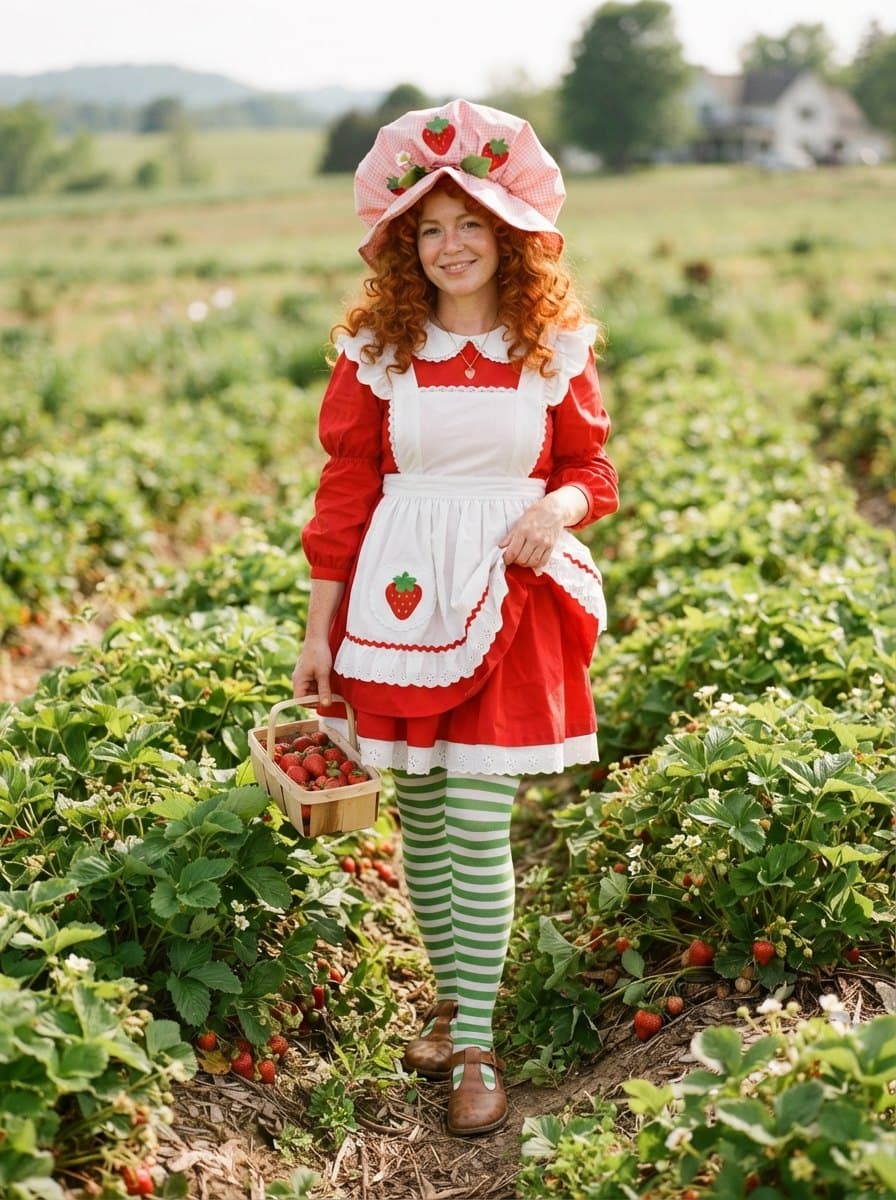
Strawberry Shortcake Costume
Bring sweet 1980s nostalgia to life with this classic berry look.

Scarecrow Costume
Bring rustic autumn charm to life with a classic scarecrow look.
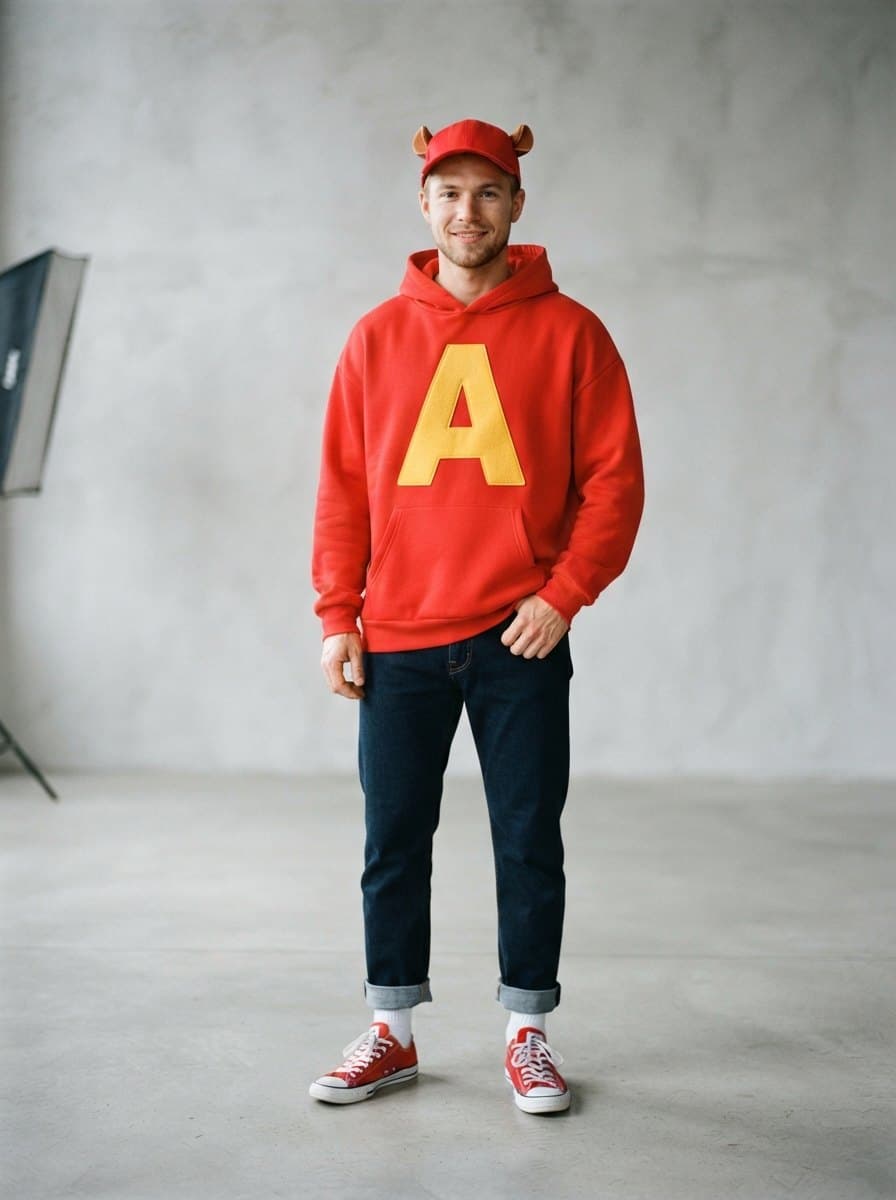
Alvin and the Chipmunks Costume
Bring the musical chipmunk trio to life with simple, colorful hoodies.
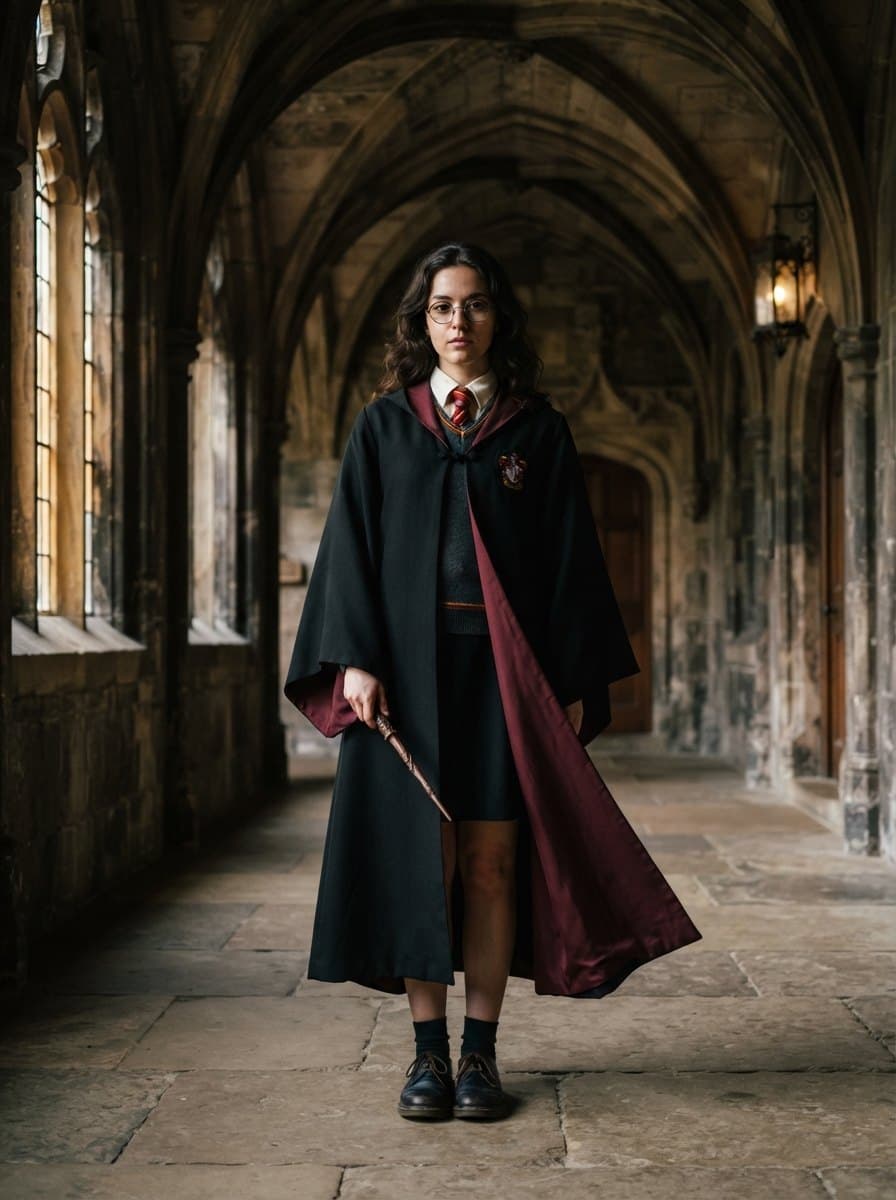
Harry Potter Costume
Step into the wizarding world with the iconic Gryffindor uniform.
What you need for a Historical costume
Base period garment
A foundational piece matching your chosen era, such as a Roman toga, a Victorian high-neck dress, or a colonial frock coat.
DIY: Use a bedsheet for an ancient toga or modify thrifted vintage clothing to match the silhouette of your target era.
Era-appropriate headwear
A hat, bonnet, crown, or wig that immediately signals the time period, like a tricorn hat for the 18th century.
DIY: Shape felt or cardboard to create simple historical headpieces like crowns or colonial hats.
Period footwear
Simple leather-look boots, lace-up shoes, or sandals that complement the historical setting.
DIY: Wear plain dark leather shoes or sandals that lack modern logos and athletic soles.
Historical accessories
Props that add context, such as a pocket watch, a faux quill pen, a scroll, or a lace fan.
DIY: Print out a historical map or document on tea-stained paper and roll it into a scroll.
How to put it together
- 1
Select your target historical era and research its defining fashion silhouettes and color palettes.
- 2
Put on the foundational garments first, ensuring any period-appropriate undergarments like petticoats or tunics are layered correctly.
- 3
Add the outer layer, such as a coat, cloak, vest, or apron, to establish the classic historical drape.
- 4
Style your hair or secure your period wig, tucking away any modern hair accessories.
- 5
Put on your era-specific footwear, ensuring it matches the color tone of the outfit.
- 6
Equip your character-defining props, such as a pocket watch, scroll, or walking cane, to complete the look.
Makeup & hair
Keep makeup natural and minimal for most eras before the 20th century. Style hair in classic updos, braids, or period-accurate curls, or use a styled historical wig to match the chosen decade.
Historical for couples, groups, kids & more
- couples
- Pair up as famous historical duos like Antony and Cleopatra, Marie Antoinette and Louis XVI, or a 1920s Gatsby couple.
- group
- Assemble a timeline of different eras, or dress as a unified group like a medieval royal court or a colonial assembly.
- kids
- Perfect for school history days; popular choices include pioneer outfits, ancient Greek tunics, or Victorian schoolteacher attire.
- Plus size
- Renaissance corsetry and Victorian empire-waist dresses offer highly adjustable and flattering historical silhouettes.
- pet
- Dress your pet in a simple ruffled Elizabethan collar or a tiny historical tricorn hat.
Tips
- Avoid modern fabrics like neon synthetics; stick to cotton, linen, wool-looks, and muted earth tones for authenticity.
- Thrift stores are excellent sources for vintage pieces that can be easily modified into historical garments.
- Ensure your footwear is comfortable, especially if wearing stiff historical reproduction boots for long events.
- Focus on one or two highly recognizable props to instantly communicate which historical figure or era you represent.
Historical costume FAQ
- How do I make a quick DIY historical costume?
- An ancient Greek or Roman toga is the easiest DIY. Drape a white bedsheet over one shoulder, secure it with safety pins, and tie a gold rope cord around the waist.
- What is the most popular historical costume era?
- The Renaissance, Victorian era, and the Roaring Twenties are the most popular choices due to their distinct, recognizable styles and readily available accessories.
- How can I make a historical costume look more authentic?
- Focus on layering and texture. Adding a vest, a linen apron, or a period hat instantly elevates a basic costume into a believable historical ensemble.
Did you know? The word 'costume' shares the same linguistic root as 'custom,' originally referring to the traditional or customary clothing worn by people of a specific place or time period.