Dancewear
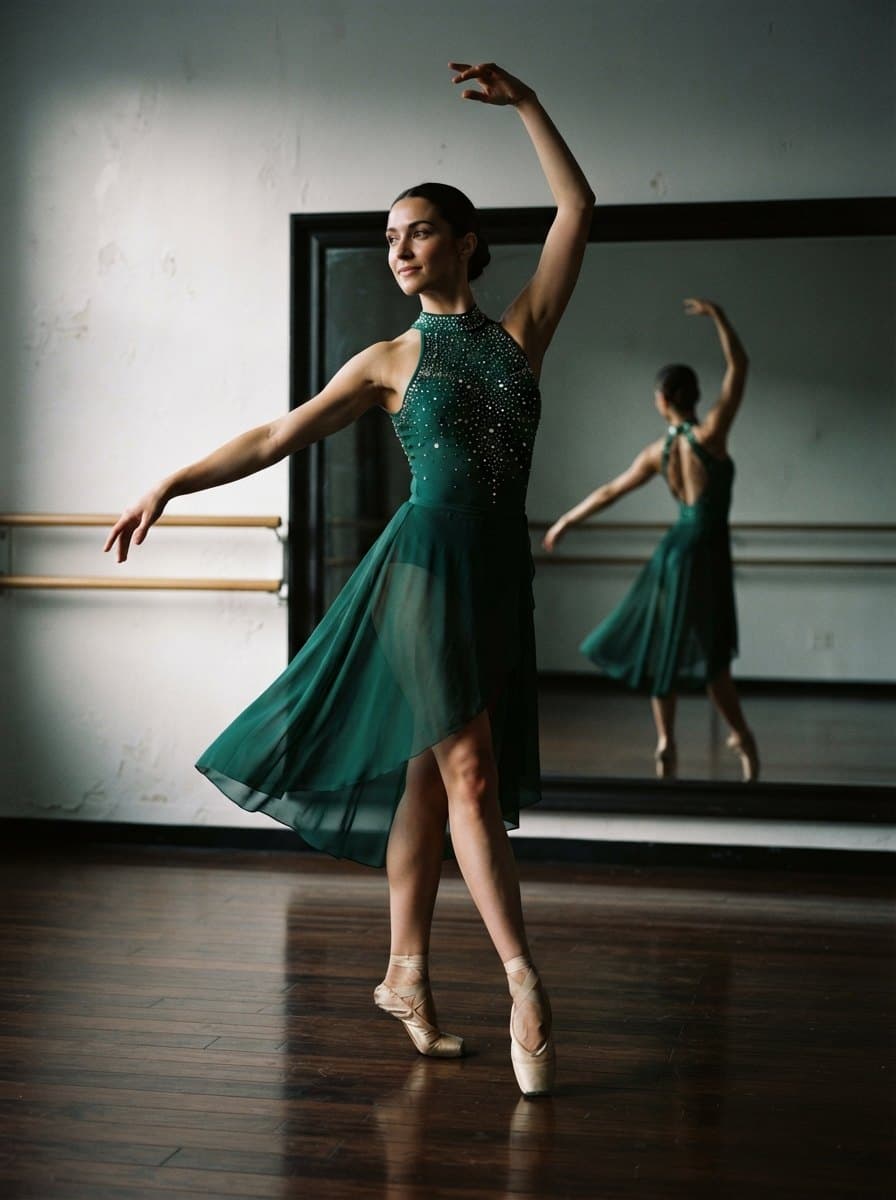
Transform simple dancewear into a stunning, stage-ready costume base.
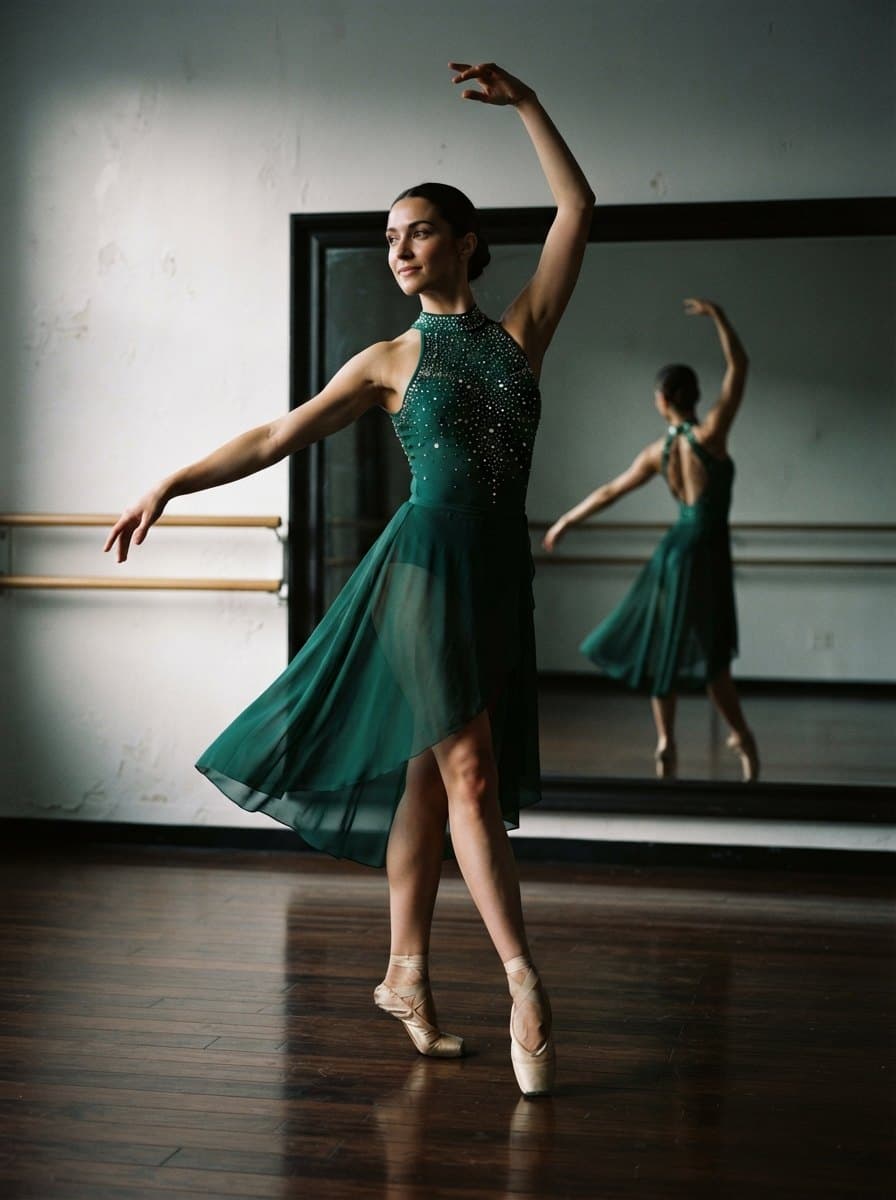
Dancewear serves as the ultimate high-quality foundation for countless creative costumes, from elegant ballerinas to sleek superheroes. Choosing the right leotard, unitard, or two-piece set provides a comfortable, form-fitting base that moves with you. With a few strategic embellishments like rhinestones, fringe, or overlays, you can easily elevate basic dancewear into a showstopping outfit.
- Difficulty
- Easy
- Time
- ~20 min
- Budget
- $25–80
Try it on
See yourself as Dancewear
One clear photo of yourself; we render you in this costume — face untouched, full body, about 20 seconds.
One render, $1. No account needed — if it fails you're not charged. Pricing.
Your photo is sent to Google's Gemini API to make the render and isn't used for training. Renders are AI-generated and labelled.
Want a different costume on this photo, or a whole group in costume? Open the Try-On Studio.
What you need for a Dancewear costume
Classic leotard or unitard
A solid-colored, high-stretch spandex or nylon bodysuit that serves as your main canvas.
DIY: Use a tight-fitting one-piece swimsuit in a solid color.
Dance tights
Durable, professional-grade transition or footed tights in nude, black, or pink.
DIY: Standard sheer or opaque hosiery.
Wrap skirt or tutu
A sheer chiffon wrap skirt or a layered tulle tutu to add movement and dimension.
DIY: Tie a length of sheer fabric or tulle around your waist.
Flat-back rhinestones
A pack of multi-sized glass rhinestones to add stage-ready sparkle.
Fabric adhesive
A flexible, permanent fabric glue designed to secure embellishments to stretch fabrics.
How to put it together
- 1
Select a high-quality spandex or nylon leotard or unitard in your desired base color.
- 2
Put on professional-grade dance tights underneath to smooth lines and provide comfortable coverage.
- 3
Lay the dancewear flat and map out your rhinestone or trim placement using chalk.
- 4
Apply small dots of flexible fabric glue to the fabric and press the flat-back rhinestones firmly in place.
- 5
Let the glue dry completely for at least 24 hours before stretching or wearing the garment.
- 6
Layer on a matching chiffon wrap skirt, tutu, or fringe belt to complete the silhouette.
Makeup & hair
Style your hair into a sleek, high ballet bun secured with a hairnet and bobby pins. Opt for performance-ready makeup featuring defined eyeliner, a touch of shimmer on the eyelids, and a bold red or pink lip.
Dancewear for couples, groups, kids & more
- couples
- Pair a classic ballerina in a pink tutu with a partner dressed as a dapper danseur in a white tunic and black tights.
- group
- Coordinate a group as a synchronized dance troupe, each wearing matching unitards in different vibrant jewel tones.
- kids
- Dress kids in a comfortable, glittery stretch biketard with a matching hair scrunchie for easy movement.
- Plus size
- Look for double-lined supportive leotards with wide straps or long sleeves for extra comfort and security.
- pet
- Dress your pet in a lightweight, elastic-waist tulle tutu that matches your costume color palette.
Tips
- Always choose double-lined dancewear to ensure the fabric remains opaque when stretched.
- Use a stretch board or insert cardboard inside the garment when gluing rhinestones so the glue doesn't seep through to the other side.
- Opt for transition tights with a hole under the foot so you can easily roll them up to go barefoot or wear sandals.
- Keep a small sewing kit or safety pins on hand to secure skirts or straps during long wear.
Dancewear costume FAQ
- What is the best fabric for a dancewear costume base?
- Nylon-spandex blends are ideal because they offer excellent stretch, shape retention, and a professional sheen that looks great under lights.
- How do I add sparkle to a plain leotard?
- Use a flexible fabric glue like Gem-Tac to apply flat-back glass rhinestones in patterns along the neckline, shoulders, or waist.
- What should I wear under a dancewear costume?
- Wear seamless, nude undergarments or a specialized skin-tone body liner designed specifically for dancewear to avoid visible lines.
Did you know? The word 'leotard' comes from Jules Léotard, a 19th-century French acrobatic performer who popularized the one-piece skin-tight garment to show off his physique during trapeze acts.