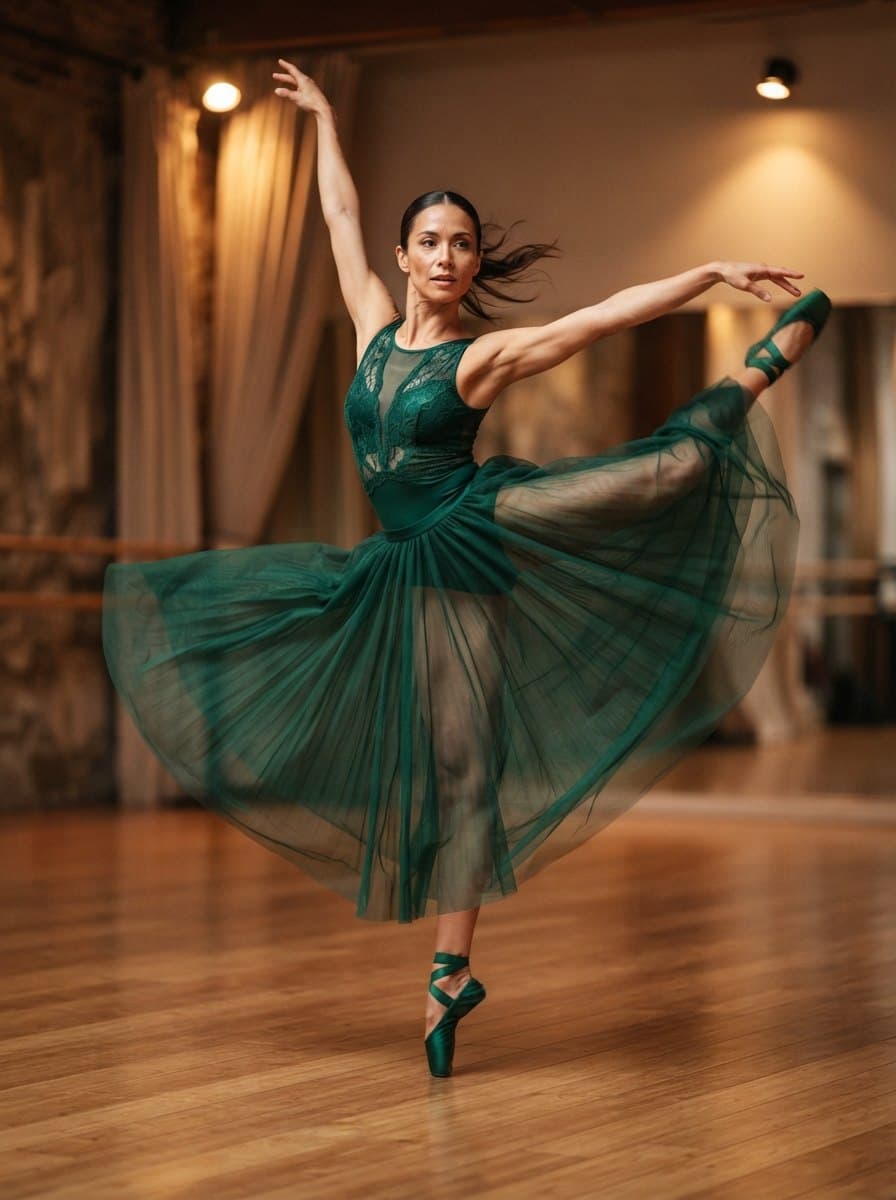
Dance Costumes
Elevate your performance with the perfect blend of style and movement.
Dance costumes are essential for bringing choreography to life, whether for a recital, a competition, or a themed event. Choosing the right performance wear requires balancing visual appeal, comfort, and flexibility. This guide covers how to select, fit, and customize high-quality dancewear for any style of movement.
- Difficulty
- Medium
- Time
- ~45 min
- Budget
- $30–150
Try it on
See yourself as Dance Costumes
One clear photo of yourself; we render you in this costume — face untouched, full body, about 20 seconds.
One render, $1. No account needed — if it fails you're not charged. Pricing.
Your photo is sent to Google's Gemini API to make the render and isn't used for training. Renders are AI-generated and labelled.
Want a different costume on this photo, or a whole group in costume? Open the Try-On Studio.
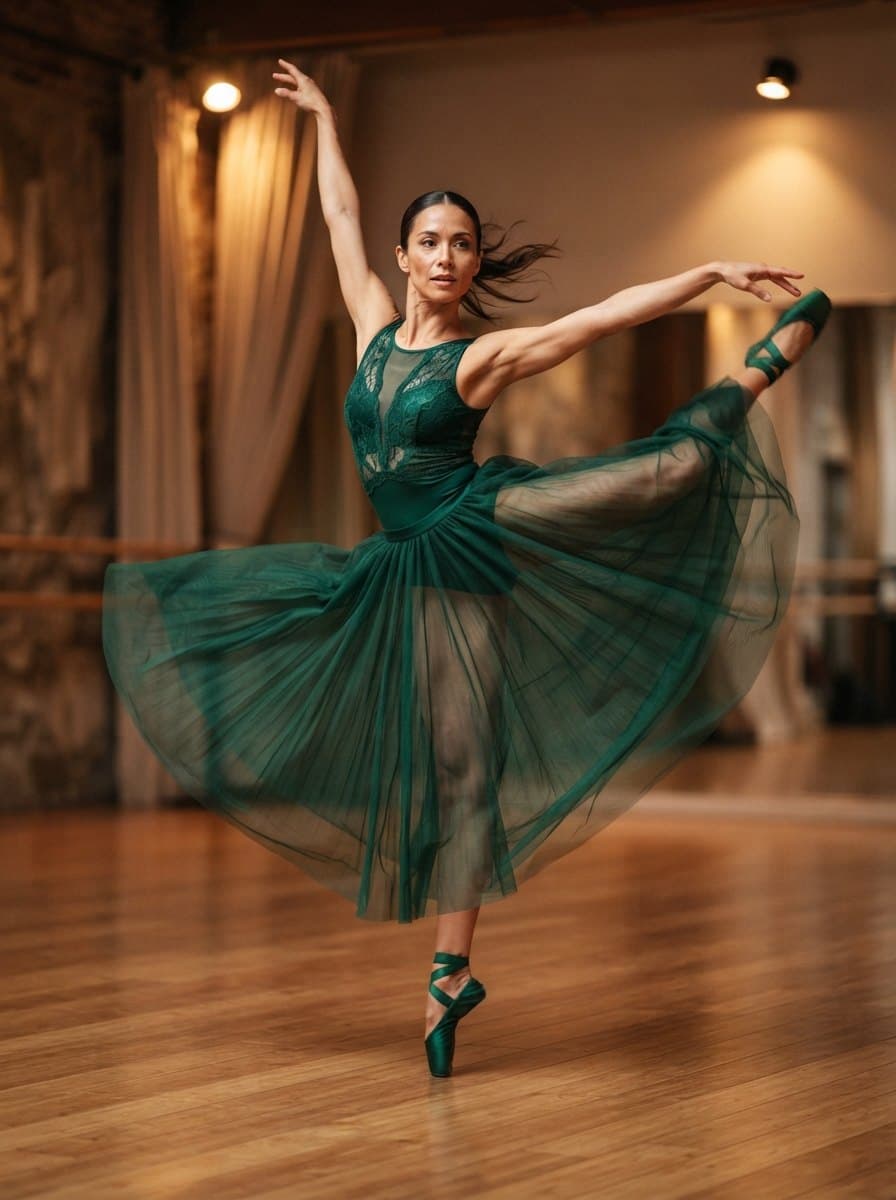
What you need for a Dance Costumes costume
Base leotard or unitard
A form-fitting stretch fabric base in a solid color like black, nude, or a vibrant jewel tone.
DIY: Use a fitted one-piece swimsuit with comfortable stretch.
Skirts or overlays
A sheer chiffon wrap skirt, a tulle tutu, or a sequined hip scarf to add movement and visual flair.
DIY: Tie a lightweight sheer scarf or fabric remnant securely around the waist.
Performance tights
Durable, high-stretch matte tights in footed, stirrup, or convertible styles.
Dance shoes
Style-specific footwear such as leather ballet slippers, split-sole jazz shoes, or tap shoes.
Rhinestones and embellishments
Flat-back glass rhinestones and fabric glue to add stage-ready sparkle.
DIY: Use metallic fabric paint or glitter glue to draw custom patterns.
How to put it together
- 1
Select your base garment, ensuring a snug but comfortable fit that allows for a full range of motion.
- 2
Layer on skirts, overlays, or pants that match the specific style of dance and enhance your movements.
- 3
Secure hair tightly into a classic bun, high ponytail, or secure braids to keep it out of your face while spinning.
- 4
Apply stage makeup, focusing on defined eyes and bold lips so features are visible under bright lights.
- 5
Add custom embellishments like rhinestones or sequins along the neckline or waist to catch the light.
- 6
Put on your style-specific dance shoes and perform a full stretch routine to test the costume's durability and fit.
Makeup & hair
Stage makeup should be bold, featuring defined eyeliner, false lashes, and a vibrant red or berry lipstick to stand out under bright lights. Hair is typically secured in a slicked-back ballet bun or a high ponytail using strong-hold gel and hairspray.
Dance Costumes for couples, groups, kids & more
- couples
- Coordinate matching color palettes, such as a ballroom dress and a matching button-down shirt.
- group
- Choose a cohesive theme with matching base garments and varying accent colors for each dancer.
- kids
- Prioritize sensory-friendly fabrics, adjustable straps, and secure closures like zippers instead of complex ties.
- Plus size
- Opt for high-waisted briefs, wide supportive straps, and strategic color-blocking to ensure comfort and support.
Tips
- Always perform a dress rehearsal with full choreography to ensure straps stay secure and fabrics do not chafe.
- Keep a sewing kit, safety pins, and clear nail polish on hand for quick backstage repairs and to stop tight runs.
- Choose moisture-wicking fabrics like nylon-spandex blends to stay cool and dry during intense routines.
- Store costumes hanging up in breathable garment bags to prevent wrinkling and protect delicate sequins or rhinestones.
Dance Costumes costume FAQ
- How do I choose the right size for a dance costume?
- Always refer to the manufacturer's specific size chart rather than standard clothing sizes, prioritizing girth (the diagonal loop from shoulder, through the crotch, and back to the shoulder) for one-piece garments.
- What should I wear under a dance costume?
- Wear a seamless, skin-tone leotard or specialized seamless underwear designed for dance to avoid visible panty lines and provide extra coverage.
- How do I wash and care for a dance costume with sequins?
- Hand wash the costume inside out in cold water with mild detergent, then lay it flat to dry. Never put sequined or rhinestoned garments in a washing machine or dryer.
Did you know? The classic ballet tutu was shortened in the late 19th century to show off the female dancers' intricate footwork and pointe technique, which was previously hidden under long skirts.