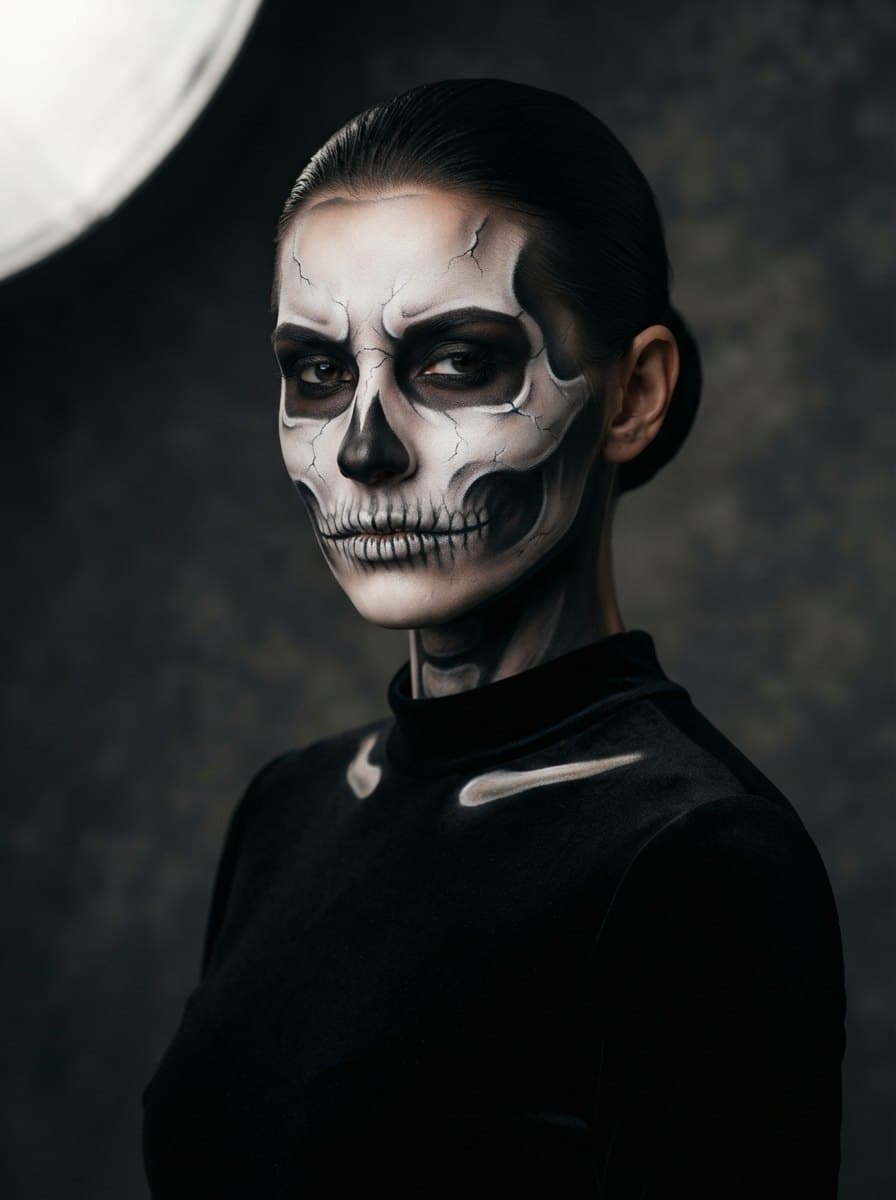
Costume Makeup
Master the art of face paint, SFX, and character makeup.
Costume makeup is the ultimate way to transform your look without relying solely on a mask or outfit. Whether you are aiming for a spooky skull, a classic vampire, or realistic SFX wounds, the right products make all the difference. This guide covers the essential tools, application steps, and sealing techniques for a flawless, long-lasting finish.
- Difficulty
- Medium
- Time
- ~45 min
- Budget
- $15–60
Try it on
See yourself as Costume Makeup
One clear photo of yourself; we render you in this costume — face untouched, full body, about 20 seconds.
One render, $1. No account needed — if it fails you're not charged. Pricing.
Your photo is sent to Google's Gemini API to make the render and isn't used for training. Renders are AI-generated and labelled.
Want a different costume on this photo, or a whole group in costume? Open the Try-On Studio.
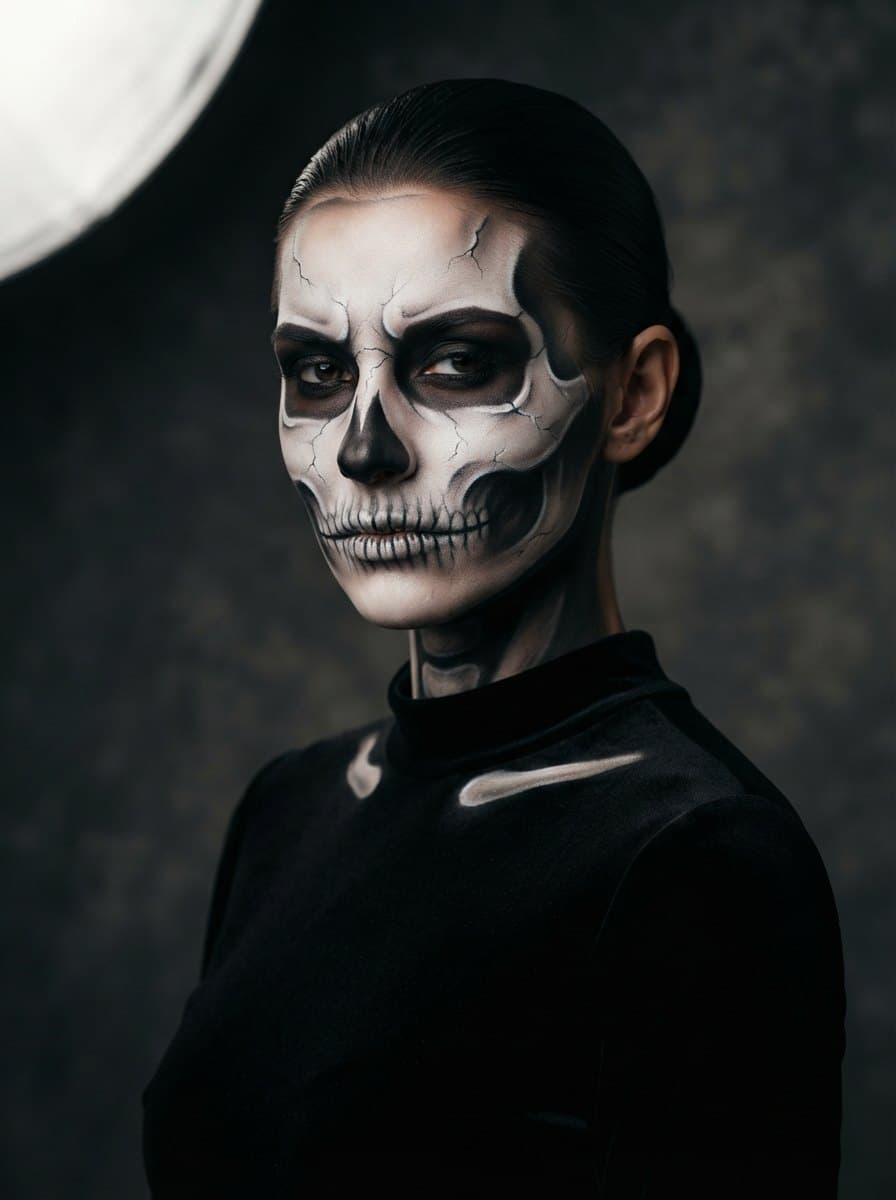
What you need for a Costume Makeup costume
Water-activated face paint palette
A palette containing primary and secondary colors that dry to a matte, smudge-resistant finish.
Translucent setting powder
A loose, colorless powder used to lock cream-based makeup in place and prevent creasing.
DIY: Cornstarch applied gently with a large powder puff.
Makeup sponges and fine-tip brushes
A mix of wedge sponges for large areas and synthetic detail brushes for fine lines.
Liquid latex or skin wax
Special effects compounds used to create realistic scars, wounds, and textured skin effects.
DIY: A mixture of school glue and tissue paper built up in layers.
Coagulated fake blood gel
A thick, dark red syrup that stays in place without running to simulate scabs and fresh cuts.
DIY: Corn syrup mixed with red food coloring and a drop of blue food coloring.
Makeup setting spray
A professional-grade sealing spray to make the makeup sweat-proof and transfer-resistant.
How to put it together
- 1
Wash and dry your face thoroughly, then apply a lightweight, oil-free primer to create a smooth base.
- 2
Map out your design lightly on your skin using a nude or white eyeliner pencil before applying heavy colors.
- 3
Dampen a makeup sponge and apply your base colors, building up the coverage in thin, even layers.
- 4
Use fine-tip synthetic brushes to paint on details, shadows, highlights, and sharp character lines.
- 5
Press a generous amount of translucent setting powder over any cream-based makeup using a powder puff, then brush away the excess.
- 6
Apply special effects elements like liquid latex wounds or fake blood gel to add depth and texture.
- 7
Mist your entire face with a professional setting spray from about 10 inches away to lock the look in place.
Makeup & hair
Keep your hair pulled back securely with a headband or clips during the entire application process. Once the makeup is fully set and dry, style your hair or put on your wig to complete the character transformation.
Costume Makeup for couples, groups, kids & more
- couples
- Coordinate matching sugar skull or pop-art zombie makeup designs.
- group
- Create a cohesive theme like a classic circus troupe with matching vintage clown makeup.
- kids
- Use gentle, water-based, hypoallergenic face paints that wash off easily with soap and water.
Tips
- Always do a patch test on your inner wrist 24 hours before application to check for allergic reactions.
- Use a barrier spray before applying heavy makeup to protect your skin and make removal much easier.
- Remove oil-based and cream makeup with baby oil or a dedicated makeup-remover balm rather than scrubbing with soap.
Costume Makeup costume FAQ
- What is the difference between water-activated and cream makeup?
- Water-activated paint dries matte and is highly smudge-resistant but can run with sweat. Cream makeup is highly blendable and vibrant but must be set with powder to prevent smearing.
- How do I keep my costume makeup from rubbing off?
- Set all cream makeup with a loose translucent setting powder, and finish the entire look with a professional-grade makeup setting spray.
- Is liquid latex safe to use on the face?
- Yes, but avoid the sensitive eye area, eyebrows, and hairline, and never use it if you have a latex allergy. Always perform a patch test first.
Did you know? The theatrical use of greasepaint dates back to the 19th century, when actors used a mix of lard and pigments to stand out under harsh stage lighting.