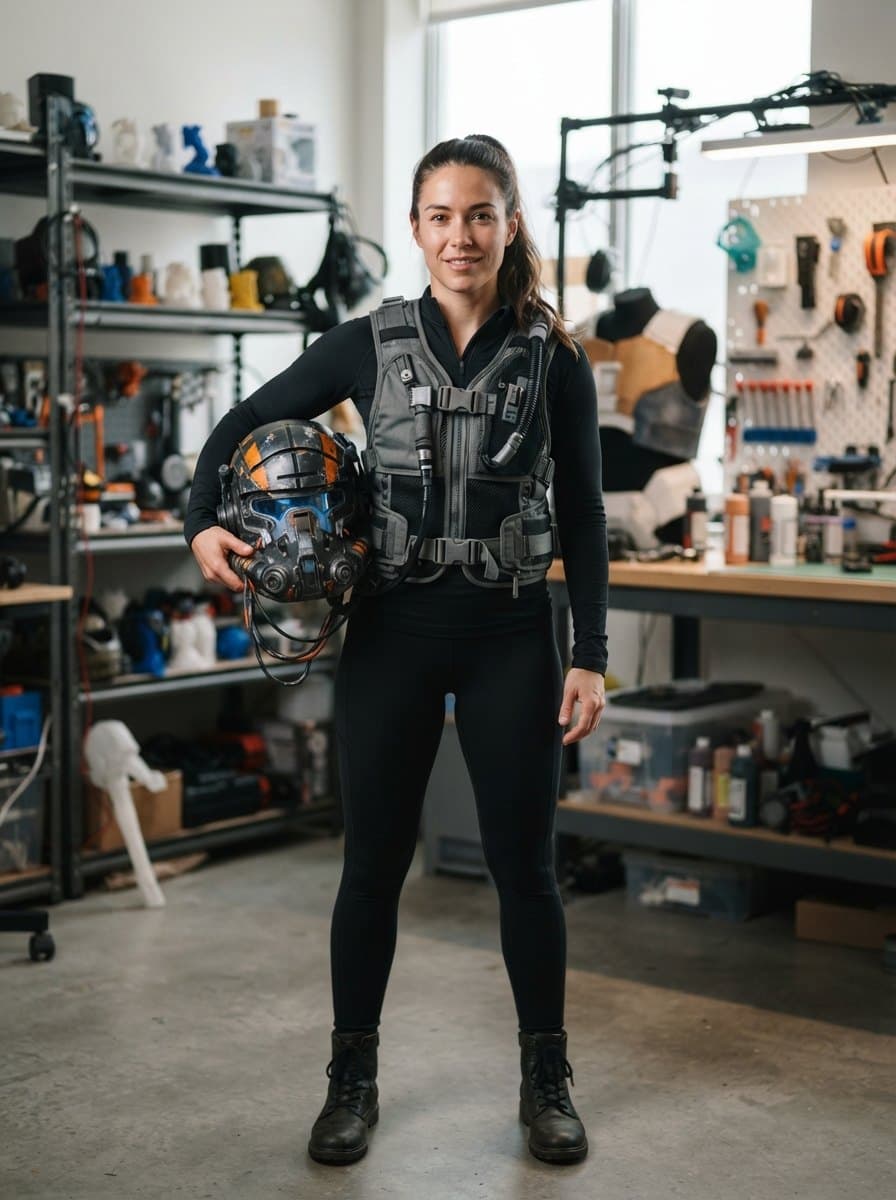
Costume Cooling
Beat the heat inside heavy cosplay, mascot, and armored costumes.
Costume cooling systems are essential gear for cosplayers, mascot performers, and anyone wearing heavy, insulated outfits. Whether you are wearing a furry mascot suit or thick EVA foam armor, these cooling solutions help prevent overheating. This guide covers how to select, install, and wear cooling vests and portable fans to stay safe and comfortable.
- Difficulty
- Easy
- Time
- ~15 min
- Budget
- $15–80
Try it on
See yourself as Costume Cooling
One clear photo of yourself; we render you in this costume — face untouched, full body, about 20 seconds.
One render, $1. No account needed — if it fails you're not charged. Pricing.
Your photo is sent to Google's Gemini API to make the render and isn't used for training. Renders are AI-generated and labelled.
Want a different costume on this photo, or a whole group in costume? Open the Try-On Studio.
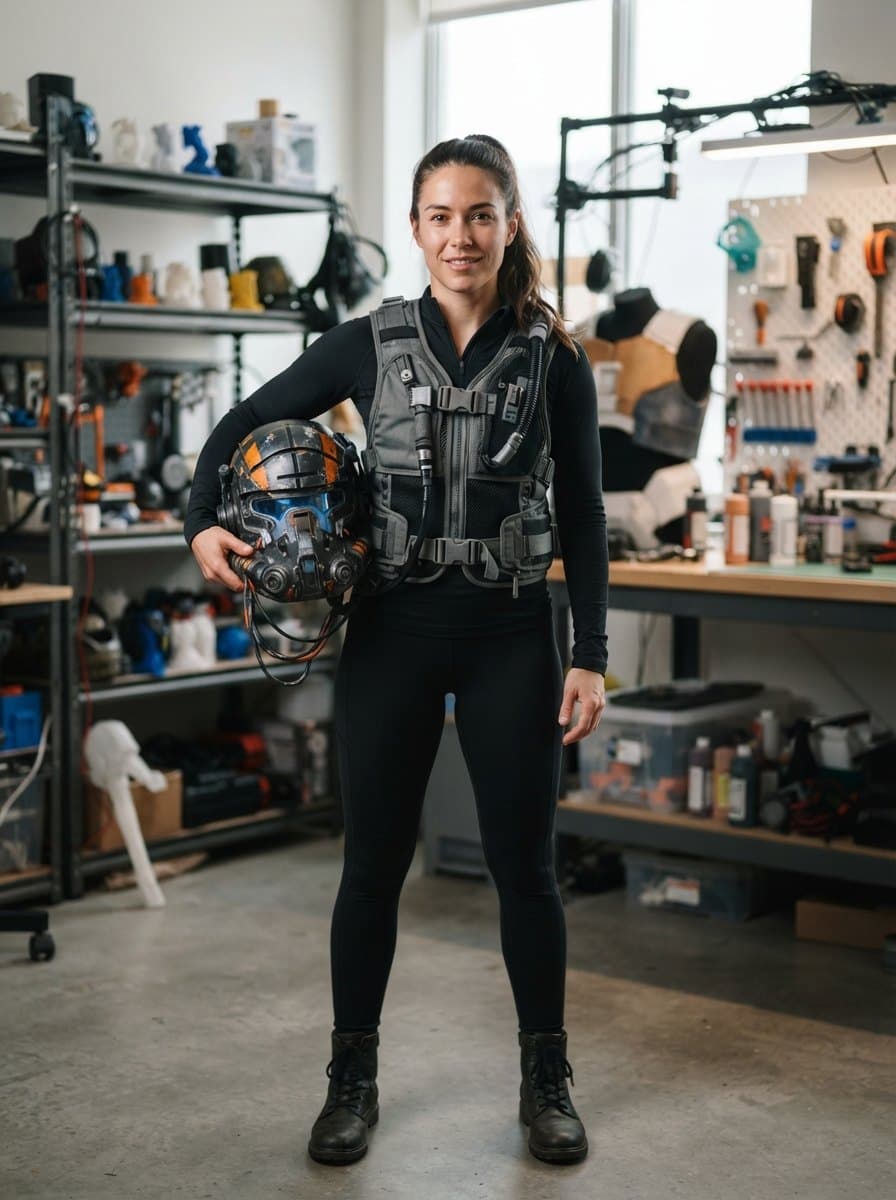
What you need for a Costume Cooling costume
Phase change cooling vest
A lightweight vest containing specialized cooling packs that maintain a comfortable temperature without condensation.
DIY: Sew interior pockets into a vest to hold slim, reusable gel ice packs.
Mini USB blower fan
A compact, 5V or 12V blower fan that can be mounted inside helmets or suit heads.
DIY: Repurpose a small hand-held personal fan by removing its outer casing.
Portable power bank
A slim, lightweight USB battery pack to power internal costume fans.
Moisture-wicking base layer
A tight-fitting, breathable polyester or nylon shirt and pants set to draw sweat away from the skin.
DIY: Wear lightweight athletic gym wear.
Hook-and-loop mounting tape
Heavy-duty adhesive hook-and-loop strips to secure fans and battery packs inside the costume.
DIY: Safety pins or hand-sewn fabric loops.
How to put it together
- 1
Put on a moisture-wicking compression base layer to manage sweat and prevent chafing.
- 2
Prep your cooling vest by freezing the gel or phase-change packs, then insert them into the vest pockets.
- 3
Mount mini blower fans inside your costume helmet or headpiece using heavy-duty adhesive hook-and-loop tape, ensuring the exhaust points outward or toward your face.
- 4
Route the fan USB cables discreetly through the lining of your costume to a pocket holding your power bank.
- 5
Put on the cooling vest over your base layer, securing it snugly against your torso.
- 6
Step into the main costume suit, plug in the fans to turn them on, and secure all closures.
Makeup & hair
Keep hair tied back securely in a wig cap or ponytail to prevent it from blocking fan intakes or trapping heat against your neck.
Costume Cooling for couples, groups, kids & more
- kids
- For kids, stick to lightweight, breathable fabrics and simple neck-hanging personal fans rather than heavy ice vests.
- Plus size
- Look for cooling vests with adjustable side straps to ensure a snug, comfortable fit against the torso.
Tips
- Always test your fan placement and battery life at home before heading to an all-day convention or event.
- Bring a spare, fully charged power bank to swap out halfway through the day.
- Stay hydrated by using a flexible hydration bladder with a long drinking tube routed into your helmet.
- Take regular breaks in air-conditioned spaces and unzip your costume to let trapped heat escape.
Costume Cooling costume FAQ
- What is the best way to cool down a mascot suit?
- A combination of a phase-change cooling vest worn close to the body and mini USB blower fans mounted in the headpiece to circulate fresh air.
- How long do costume cooling vests last?
- Standard ice pack vests last about 1 to 2 hours, while high-quality phase-change cooling vests can keep you cool for 3 to 4 hours depending on ambient temperature.
- Are DIY costume fans safe to use?
- Yes, low-voltage 5V USB computer or blower fans are safe, lightweight, and highly effective when secured properly away from direct contact with skin or hair.
Did you know? Professional theme park mascot performers frequently use specialized phase-change cooling vests originally developed for military and industrial workers to prevent heat stroke.