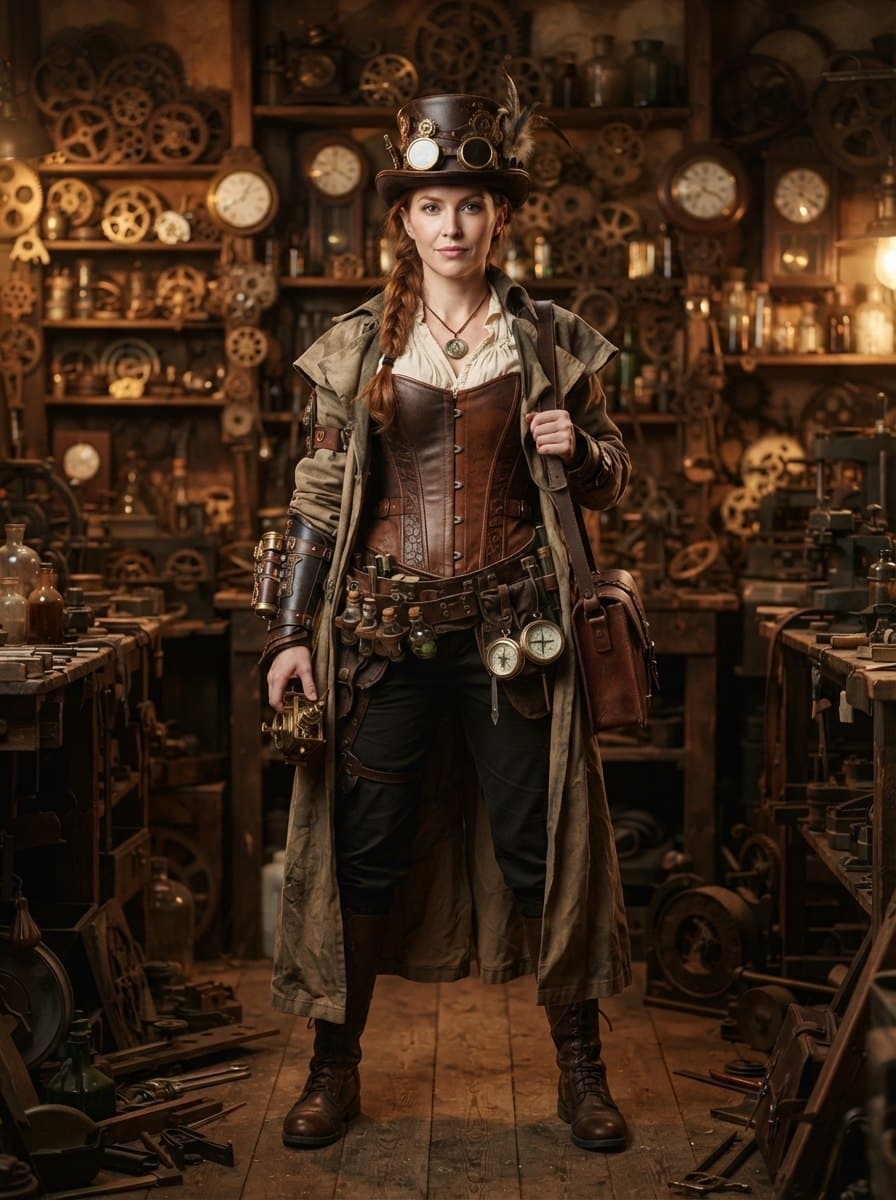
Costume Accessories
The right details turn a basic outfit into an unforgettable costume.
Costume accessories are the secret to transforming everyday clothing into a convincing character look. Whether you need a statement hat, realistic props, or the perfect wig, choosing the right details elevates your overall presentation. This guide helps you select, prep, and wear accessories comfortably all night.
- Difficulty
- Easy
- Time
- ~15 min
- Budget
- $10–50
Try it on
See yourself as Costume Accessories
One clear photo of yourself; we render you in this costume — face untouched, full body, about 20 seconds.
One render, $1. No account needed — if it fails you're not charged. Pricing.
Your photo is sent to Google's Gemini API to make the render and isn't used for training. Renders are AI-generated and labelled.
Want a different costume on this photo, or a whole group in costume? Open the Try-On Studio.
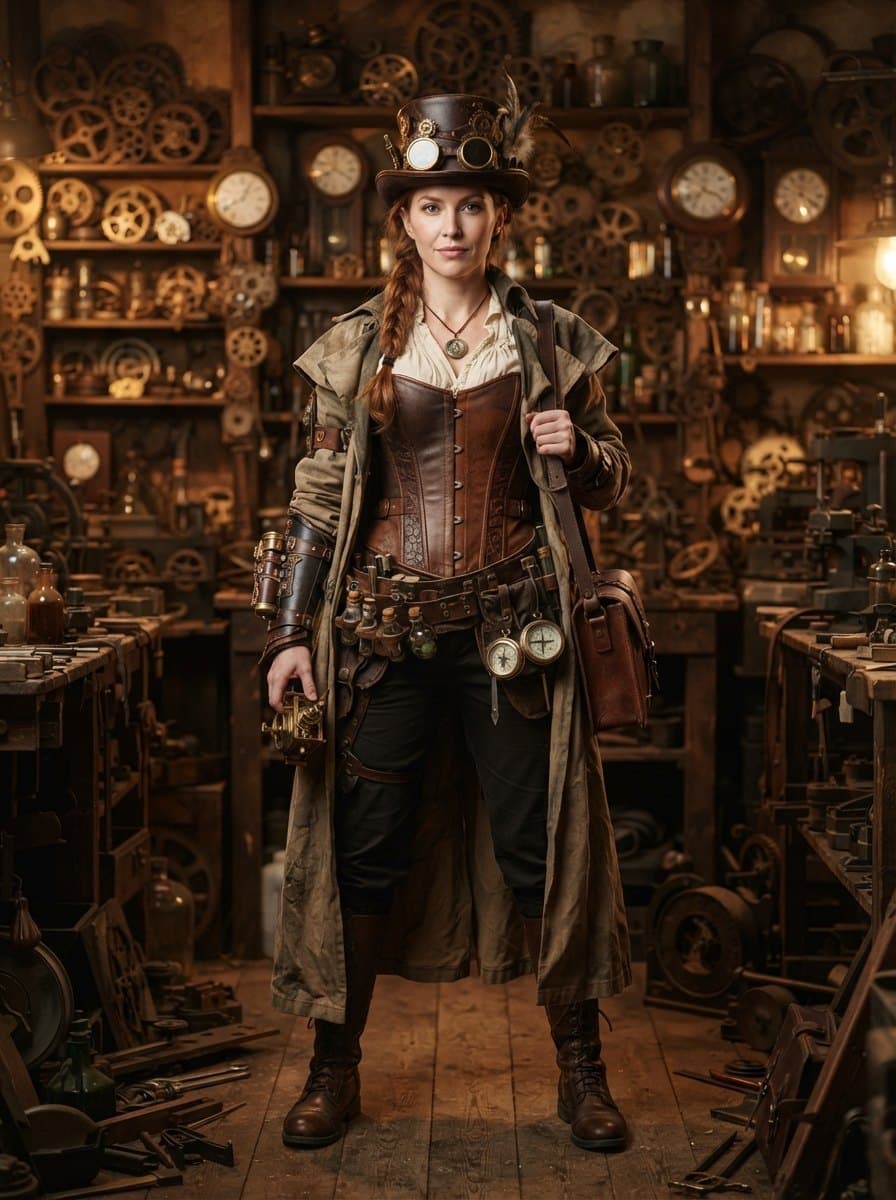
What you need for a Costume Accessories costume
Wigs and Hairpieces
Synthetic wigs, hair extensions, or temporary color spray to match your character's hair.
DIY: Style your natural hair with temporary wash-out color wax or hairspray.
Hats and Headwear
A character-defining piece such as a fedora, pirate tricorn, tiara, or helmet.
DIY: Construct a basic hat or crown using stiff felt, cardboard, and hot glue.
Prop Weapons and Tools
Lightweight plastic or foam swords, magic wands, or themed tools.
DIY: Cut and paint cardboard or EVA foam to create lightweight hand-held props.
Costume Jewelry
Oversized rings, chunky necklaces, or themed brooches to add character detail.
DIY: Paint thrifted jewelry with metallic acrylic paint to match your theme.
Belts and Holsters
Faux leather utility belts, sashes, or sword frogs to hold your gear.
DIY: Use a strip of brown or black fabric as a sash to tuck props into.
How to put it together
- 1
Select your base outfit and identify two or three key accessories that define the character.
- 2
Prep your hair with a wig cap before securing any wigs or heavy headwear with bobby pins.
- 3
Adjust belts, straps, and holsters to fit snugly but comfortably over your clothing.
- 4
Secure loose props to your costume using clips or loops so your hands remain free.
- 5
Apply any final makeup, face paint, or temporary tattoos to complement your accessories.
Makeup & hair
Use a wig cap and bobby pins to keep natural hair flat and secure under wigs. Set face paint or heavy makeup with translucent setting powder to prevent smudging onto your accessories.
Costume Accessories for couples, groups, kids & more
- couples
- Coordinate matching accessory themes, like matching steampunk goggles or royal crowns.
- group
- Distribute themed accessories (like superhero masks or pirate eye patches) for an instant group look.
- kids
- Choose lightweight, flexible plastic or foam accessories to ensure safety and comfort.
- Plus size
- Look for adjustable belts, elastic-backed hats, and extendable jewelry chains for a perfect fit.
- pet
- Stick to lightweight, hook-and-loop fastened collars or small hats that do not restrict movement.
Tips
- Always test-wear your accessories for an hour before your event to check for pinching or slipping.
- Keep your hands free by choosing props that can be holstered, pocketed, or slung over your shoulder.
- Use spirit gum or skin-safe adhesive to keep lightweight prosthetics, mustaches, or gems in place.
Costume Accessories costume FAQ
- How do I keep a costume wig from sliding off?
- Secure your natural hair with a wig cap, then use bobby pins around the hairline and temple area to lock the wig in place.
- What are the most versatile costume accessories to own?
- A high-quality black belt, a versatile hat (like a fedora or top hat), and basic face paint can be reused for dozens of different looks.
- How do I make cheap plastic props look more realistic?
- Use a dry-brush technique with metallic acrylic paint to add scuffs, rust, and weathering to plastic swords or armor.
Did you know? The word 'accessory' comes from the Latin 'accessorius', meaning 'additional thing', and became popular in fashion during the 19th century to describe items that complete an outfit.