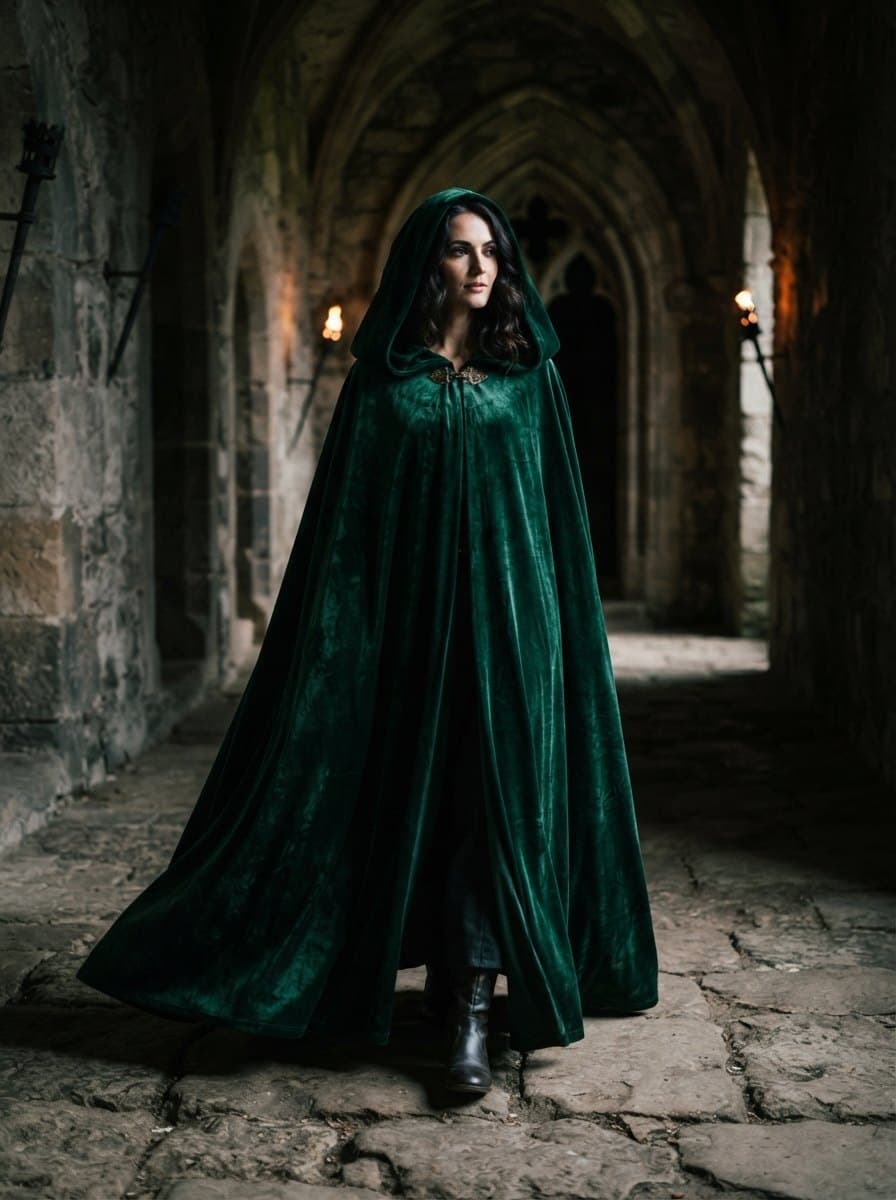
Cape
Elevate any costume instantly with the perfect flowing cape or cloak.
A cape is one of the most versatile accessories in all of costuming, serving as the defining feature for superheroes, vampires, medieval knights, and fantasy royalty. Whether you need a sleek satin superhero cape or a heavy hooded velvet cloak, choosing the right length and material is key to nailing the look. This guide covers how to select, style, and securely wear a cape for any character.
- Difficulty
- Easy
- Time
- ~10 min
- Budget
- $10–45
Try it on
See yourself as Cape
One clear photo of yourself; we render you in this costume — face untouched, full body, about 20 seconds.
One render, $1. No account needed — if it fails you're not charged. Pricing.
Your photo is sent to Google's Gemini API to make the render and isn't used for training. Renders are AI-generated and labelled.
Want a different costume on this photo, or a whole group in costume? Open the Try-On Studio.
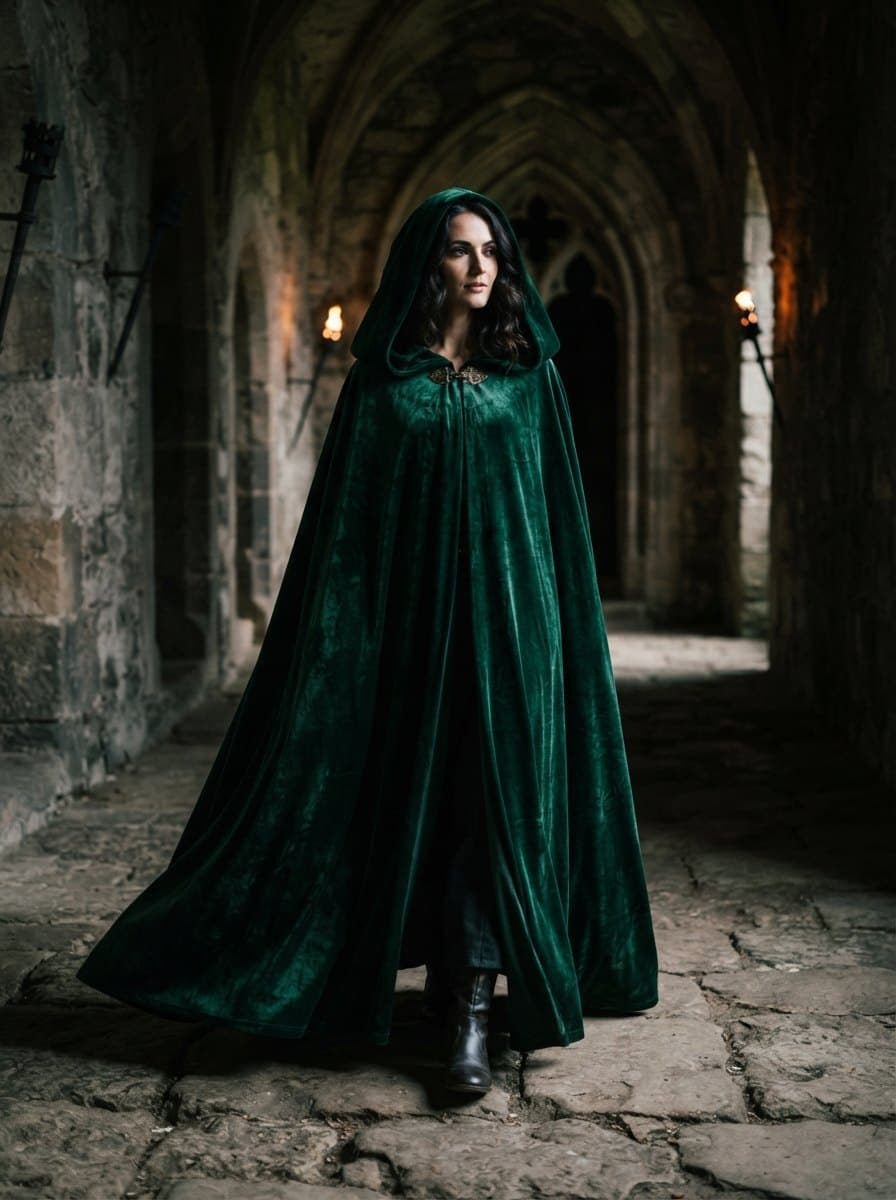
What you need for a Cape costume
Velvet Hooded Cloak
A full-length, heavy velvet or velour cloak with an attached hood, ideal for fantasy, vampire, or medieval costumes.
DIY: Cut a semi-circle of velvet fabric, hem the edges, and sew a simple ribbon tie at the collar.
Satin Superhero Cape
A mid-length, lightweight satin cape that ends around the calves or knees, usually featuring a hook-and-loop neck closure.
DIY: Cut a trapezoid shape from shiny polyester satin fabric and attach fabric adhesive straps to the top corners.
Capelet or Shoulder Shrug
A short cape that covers only the shoulders and upper chest, often made of lace, faux fur, or feathered materials.
DIY: Drape a circular piece of lace or faux fur over your shoulders and secure it with an ornamental brooch.
Cape Pins or Brooch
A decorative metallic pin, penannular brooch, or heavy-duty safety pin to secure the cape without damaging the fabric.
DIY: Use a large, vintage-style safety pin decorated with metallic beads.
How to put it together
- 1
Select your cape style based on your character: lightweight satin for superheroes, or heavy hooded velvet for fantasy and gothic looks.
- 2
Measure the length from your shoulders down to ensure the hem does not drag on the ground, which can cause tripping.
- 3
Drape the cape evenly over your shoulders, aligning the collar or neckline comfortably around your neck.
- 4
Fasten the front closure, ensuring it is loose enough to breathe comfortably but snug enough to stay in place.
- 5
If the cape slips backward, use safety pins or a decorative brooch to anchor the collar to your shirt or costume shoulders.
- 6
Adjust the hood or collar shape, smoothing out any folds so the fabric drapes elegantly down your back.
Makeup & hair
Keep hair styled close to the head or tied back if wearing a hooded cloak to prevent tangling in the fabric, or style it in dramatic waves for a classic vampire or superhero aesthetic.
Cape for couples, groups, kids & more
- couples
- Pair a red hooded cloak (Little Red Riding Hood) with a grey faux-fur trimmed cloak (The Big Bad Wolf).
- group
- Coordinate a group as different colored superheroes or a medieval fantasy fellowship with matching cloaks.
- kids
- Use lightweight, short satin capes with hook-and-loop breakaway collars for safety.
- Plus size
- Look for capes labeled 'extra wide' or 'king size' to ensure full shoulder coverage and a dramatic front drape.
- pet
- Use a lightweight, miniature cape with a soft chest strap instead of a neck tie for safety.
Tips
- To prevent tripping, ensure the hem of a full-length cloak sits at least two inches above your shoes.
- If your cape keeps pulling back against your throat, safety-pin the shoulders of the cape directly to the shoulder seams of your shirt.
- Iron or steam your cape before wearing; wrinkled satin or velvet instantly ruins the dramatic effect.
- For outdoor events, choose a heavier wool-blend or velvet cloak to stay warm while keeping your costume visible.
Cape costume FAQ
- How do I keep my costume cape from choking me?
- Instead of tying it tightly around your neck, pin the collar of the cape directly to the shoulders of your shirt or jacket using safety pins or cloak clasps.
- What is the difference between a cape and a cloak?
- A cape is generally shorter, open at the front, and covers only the back and shoulders, while a cloak is typically full-length, has a hood, and can wrap entirely around the body.
- How do I choose the right length for a cape?
- Measure from the base of your neck to your calves for a standard cape, or to your ankles for a full-length cloak. Subtract two inches to prevent dragging.
Did you know? Historically, capes and cloaks were practical garments used to protect travelers from rain and wind before the invention of modern raincoats.