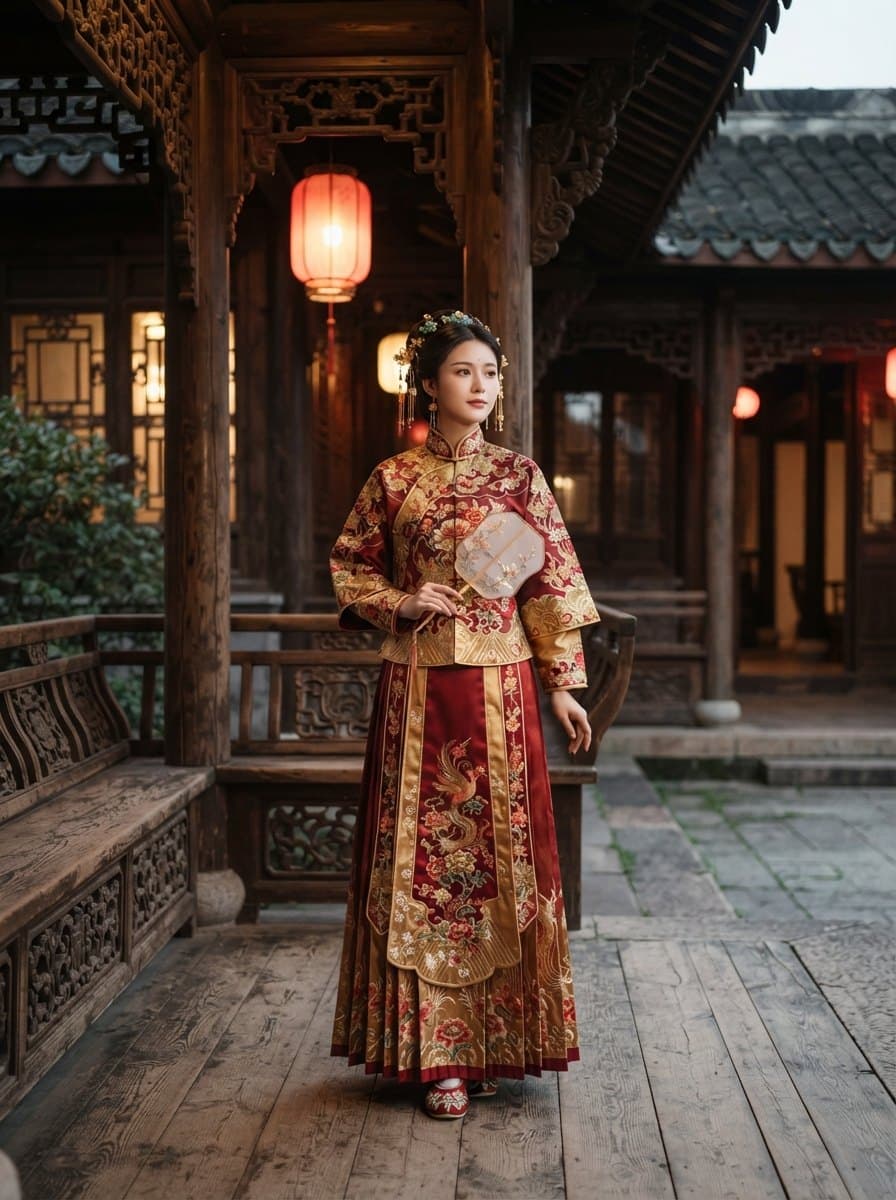
Asian Traditional Costumes
Celebrate rich heritage with beautiful, respectful traditional Asian attire.
Traditional Asian costumes encompass a diverse range of historic garments, from the flowing layers of Chinese Hanfu to the elegant lines of the Japanese Kimono and Vietnamese Ao Dai. People choose these garments to celebrate cultural heritage, attend festivals, or participate in formal cultural events. This guide focuses on sourcing authentic styles, styling them with respect, and achieving a polished, traditional look.
- Difficulty
- Medium
- Time
- ~45 min
- Budget
- $40–150
Try it on
See yourself as Asian Traditional Costumes
One clear photo of yourself; we render you in this costume — face untouched, full body, about 20 seconds.
One render, $1. No account needed — if it fails you're not charged. Pricing.
Your photo is sent to Google's Gemini API to make the render and isn't used for training. Renders are AI-generated and labelled.
Want a different costume on this photo, or a whole group in costume? Open the Try-On Studio.
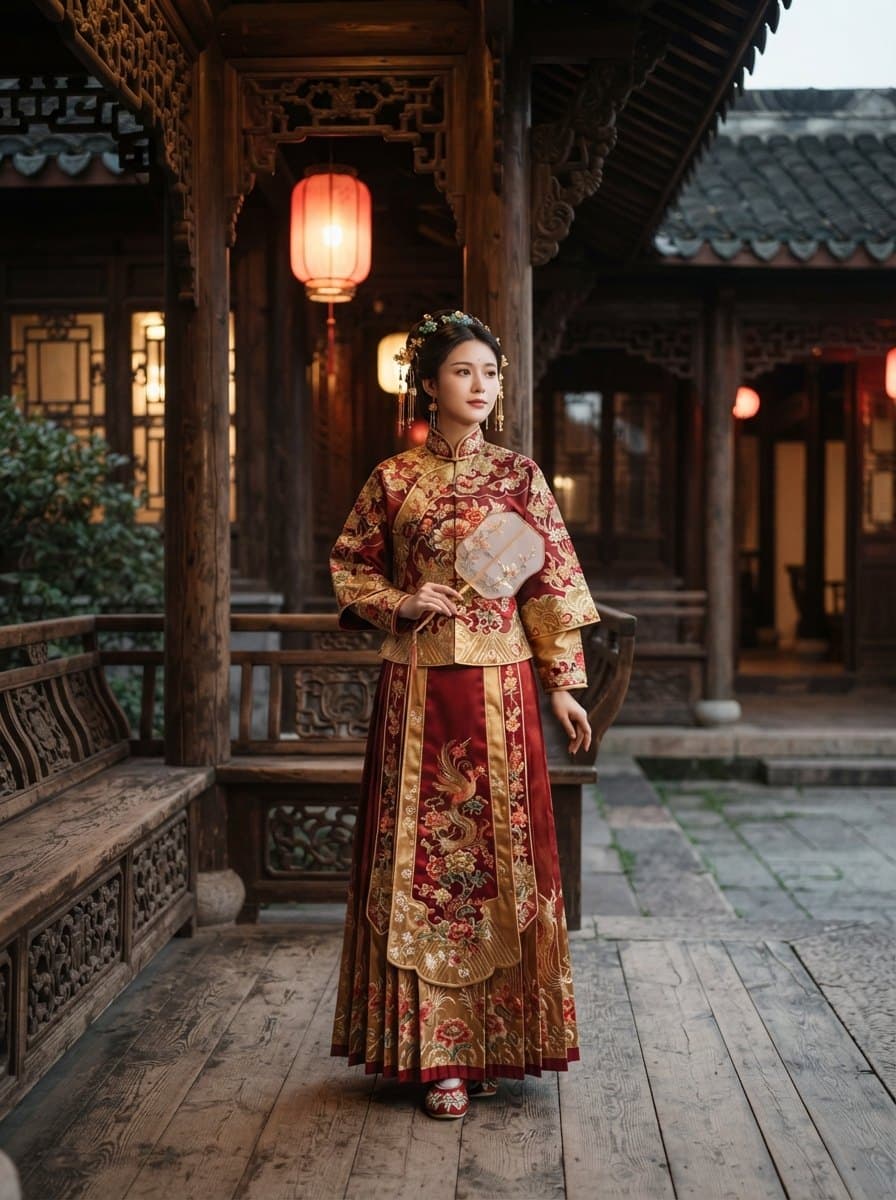
40 Asian Traditional costume ideas
Ranked by how many people are searching for them this season. Open any one for the full guide and to try it on.
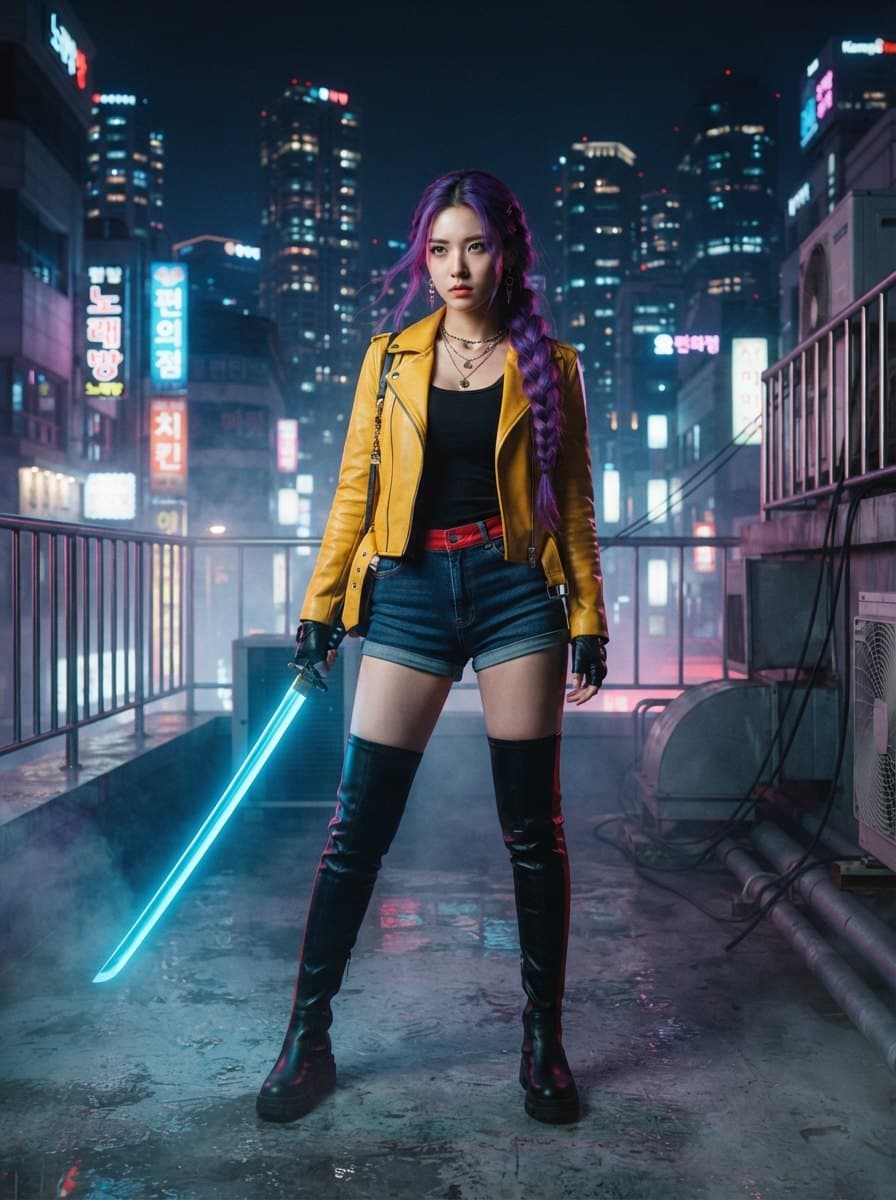
KPop Demon Hunters Costume
Unleash your inner pop star and demon hunter with Rumi's iconic look.
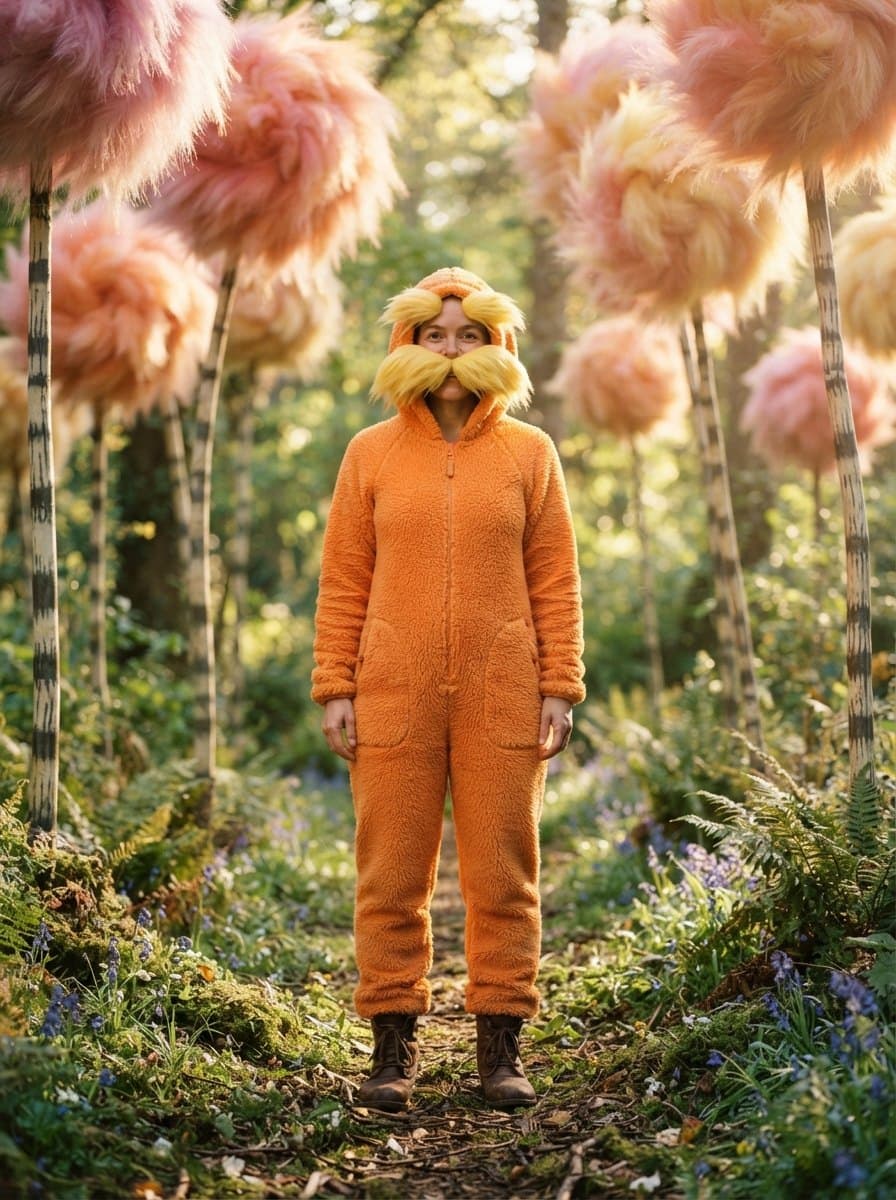
The Lorax Costume
Speak for the trees in this vibrant, cozy orange and yellow look.
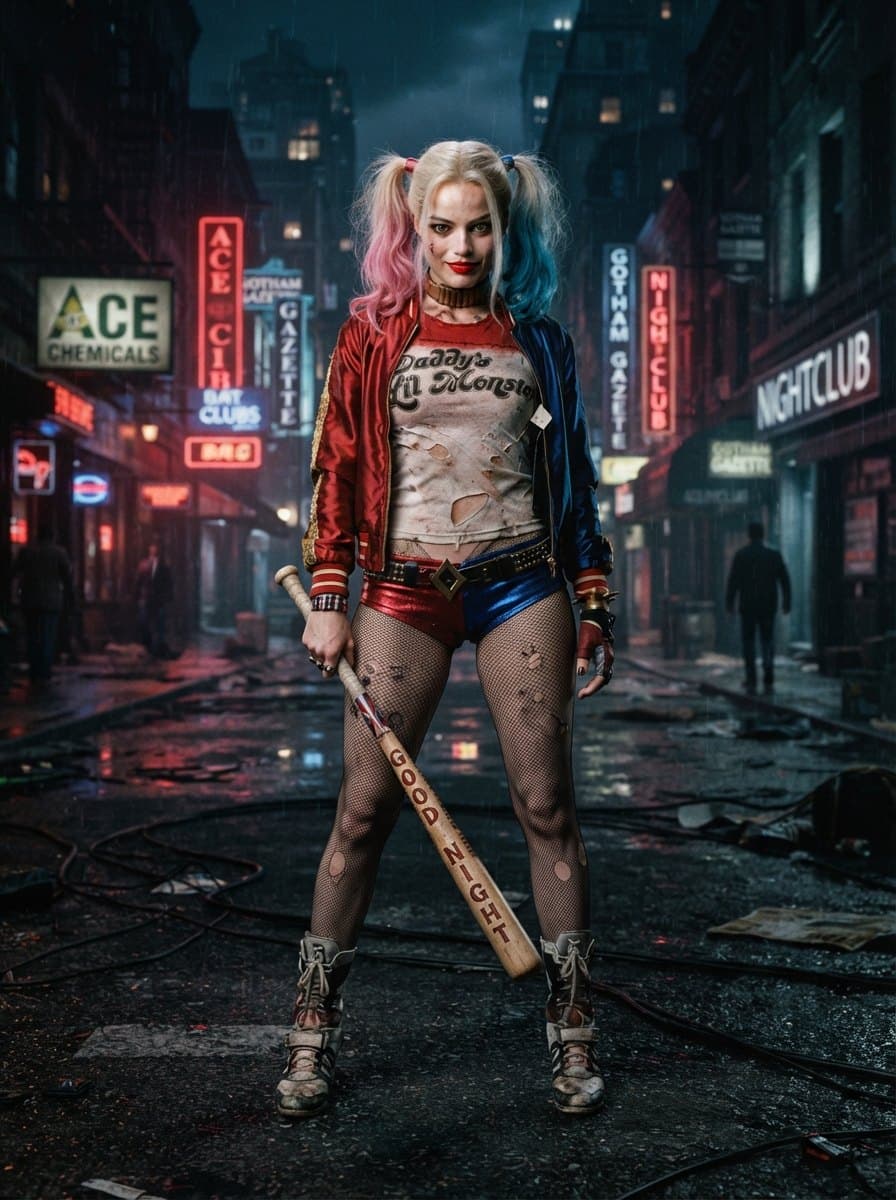
Harley Quinn Costume
Unleash your inner anti-hero with Harley's iconic red and blue look.
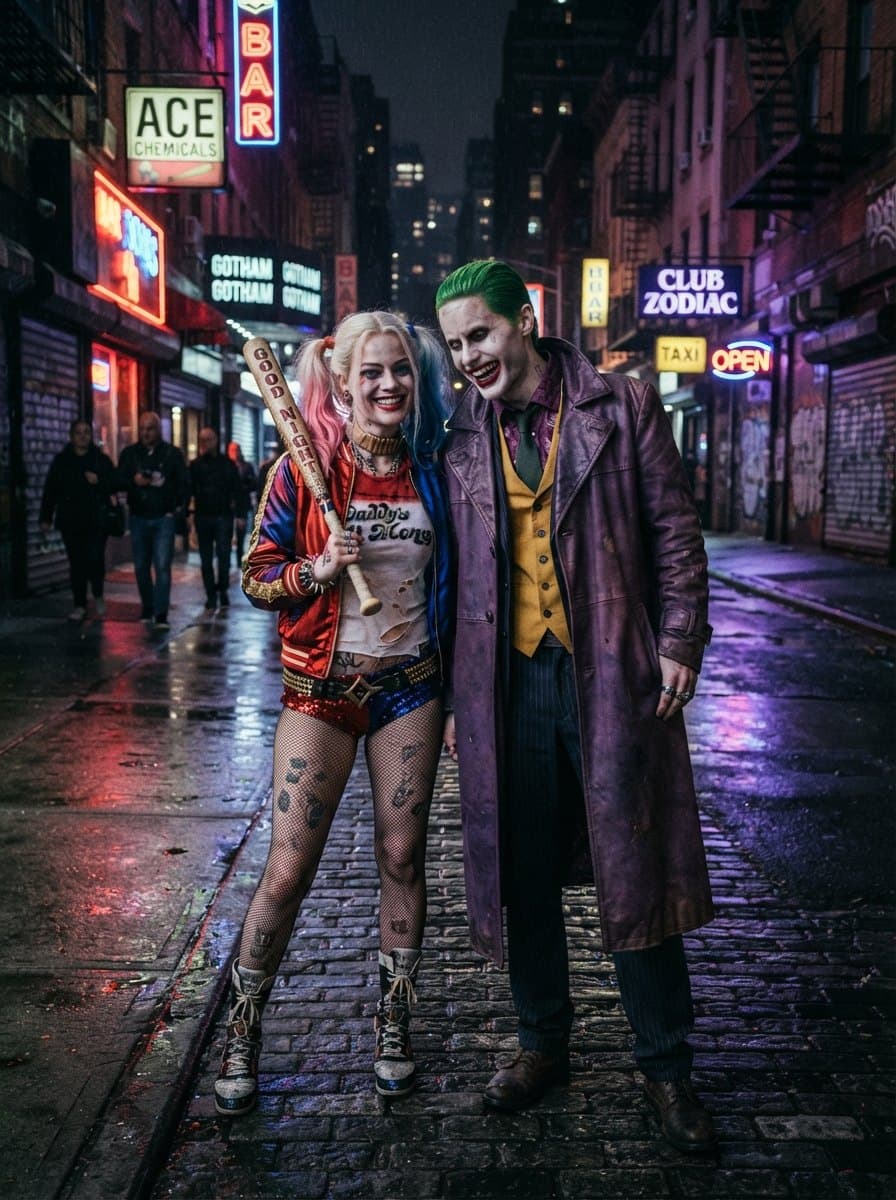
Harley Quinn and Joker Costume
Gotham's most chaotic power couple is ready to steal the show.

Minions Costume
Bello! Bring the chaotic, banana-loving fun to life.
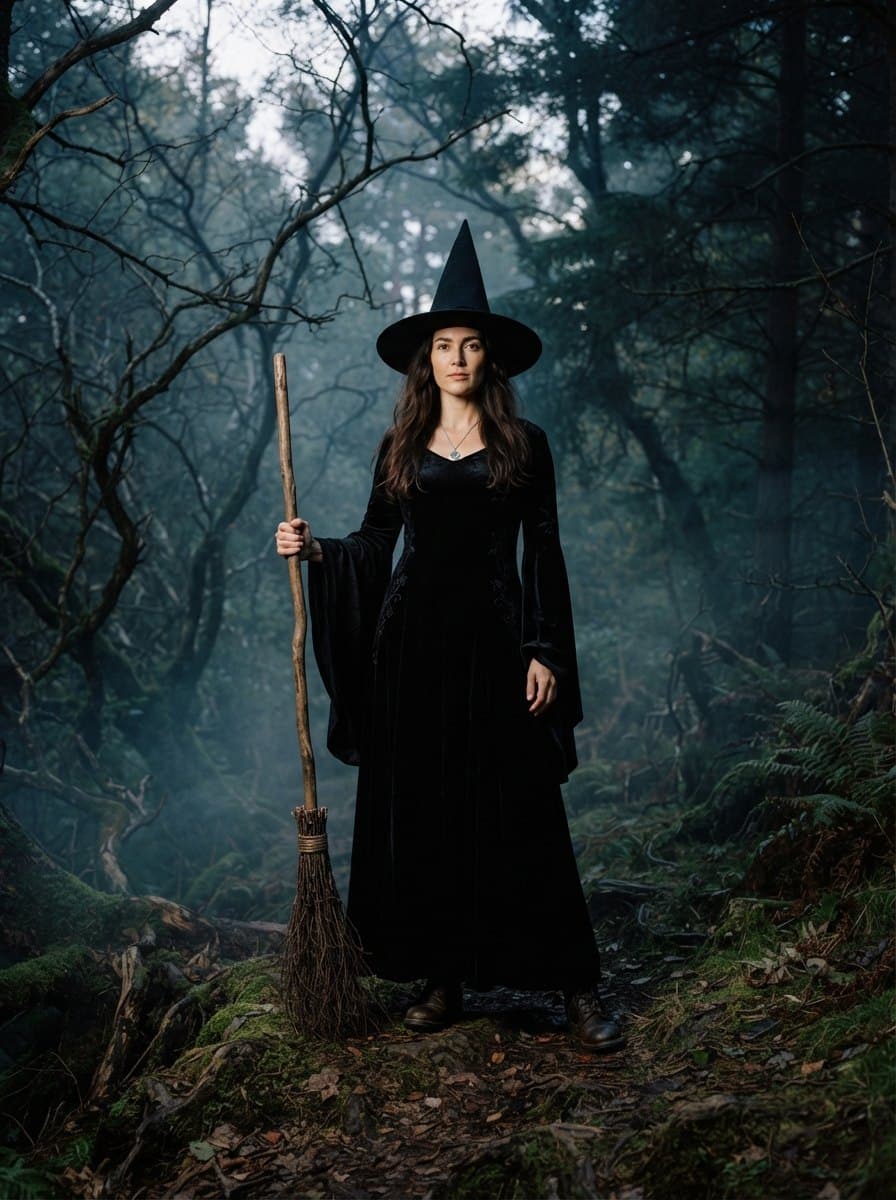
Witch Costume
Cast a spell with a timeless, enchanting classic.
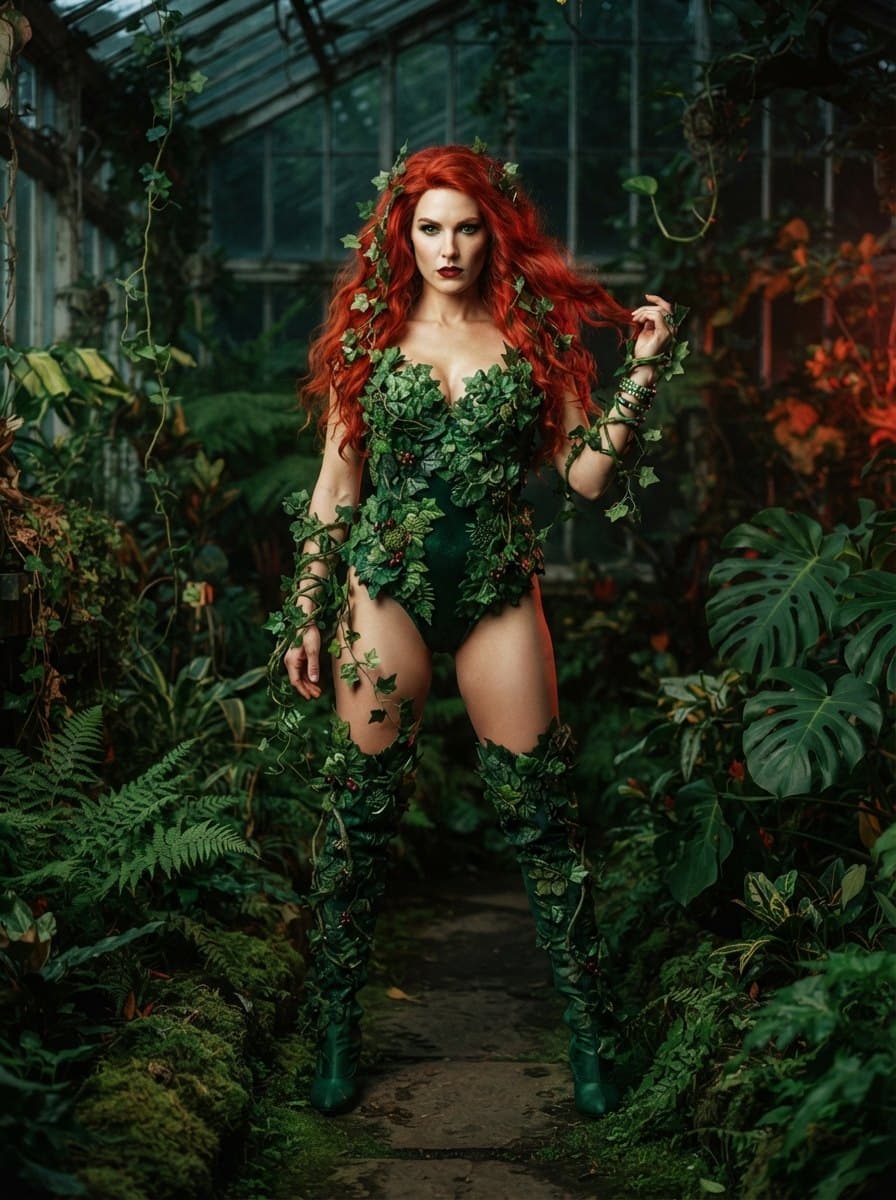
Poison Ivy Costume
Embody Gotham's seductive eco-villain with vibrant greens and ivy leaves.
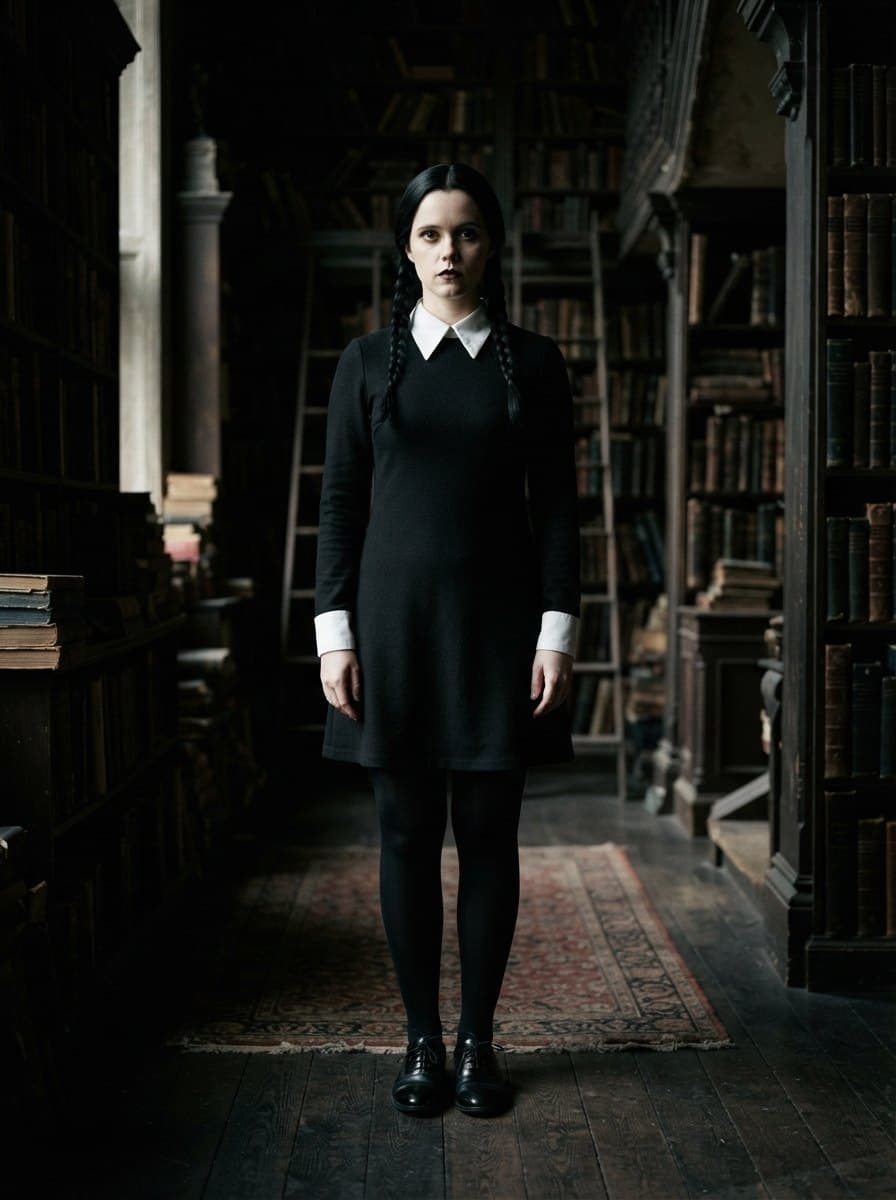
Wednesday Addams Costume
Channel your favorite gothic icon with a sharp, classic monochrome look.
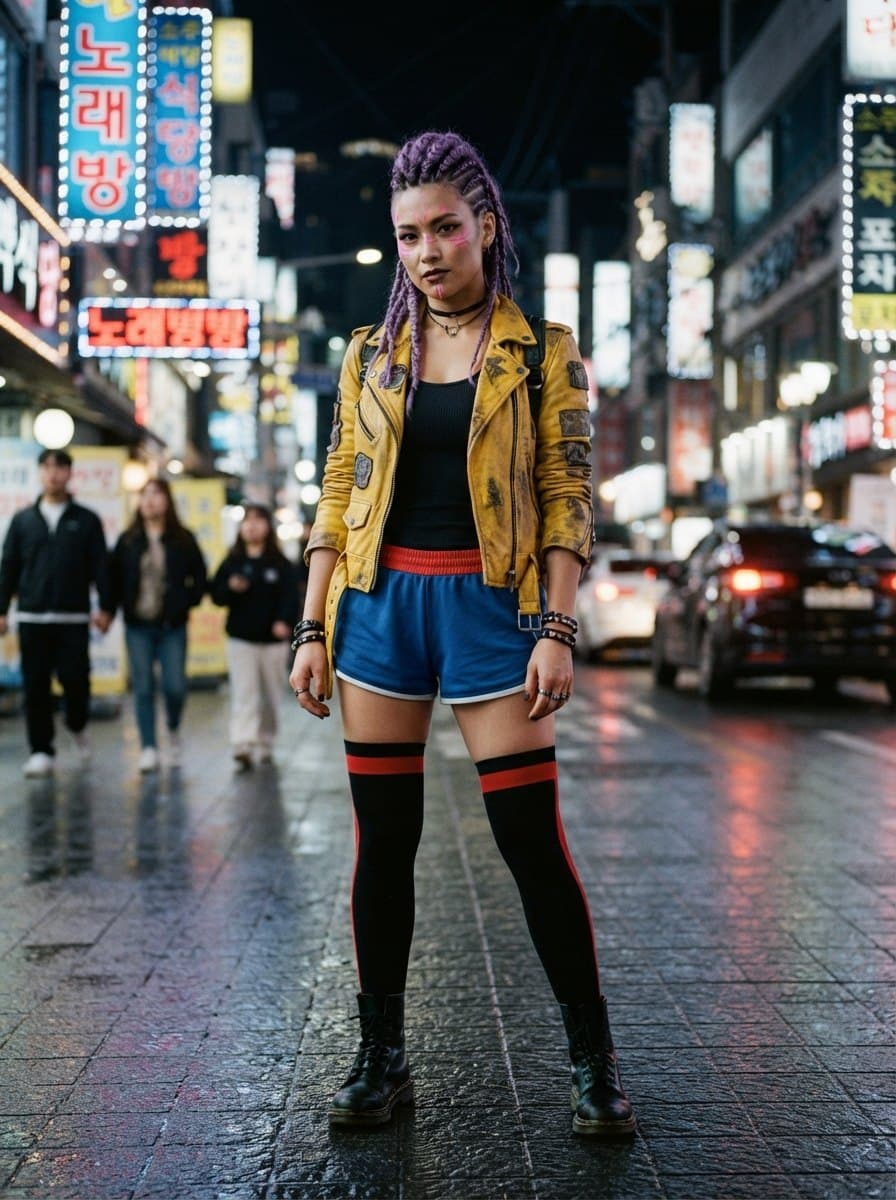
Rumi Costume
Channel the fierce leader of Huntrix with this K-pop demon hunter style.
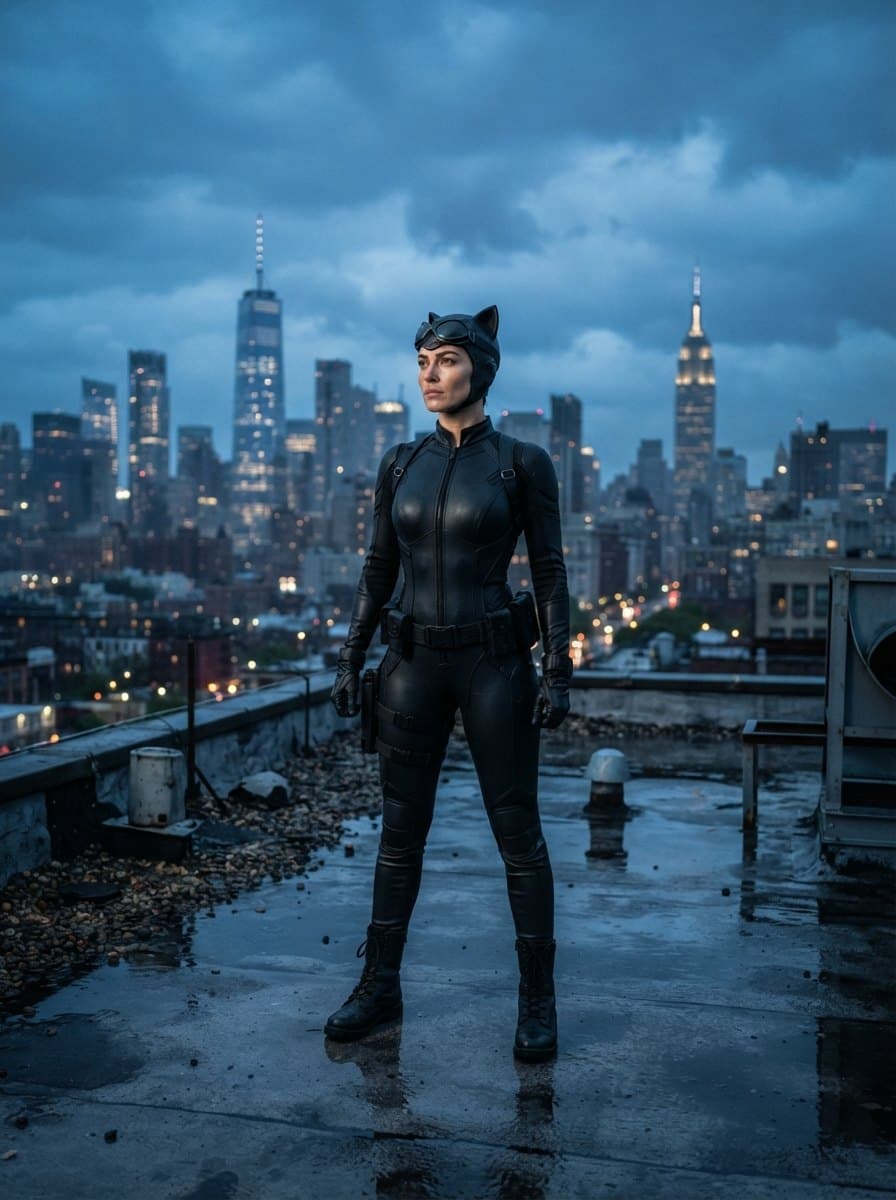
Catwoman Costume
Steal the spotlight in Gotham's sleekest, most iconic anti-hero look.

Pirate Costume
Unleash your inner swashbuckler with this classic, customizable seafaring look.
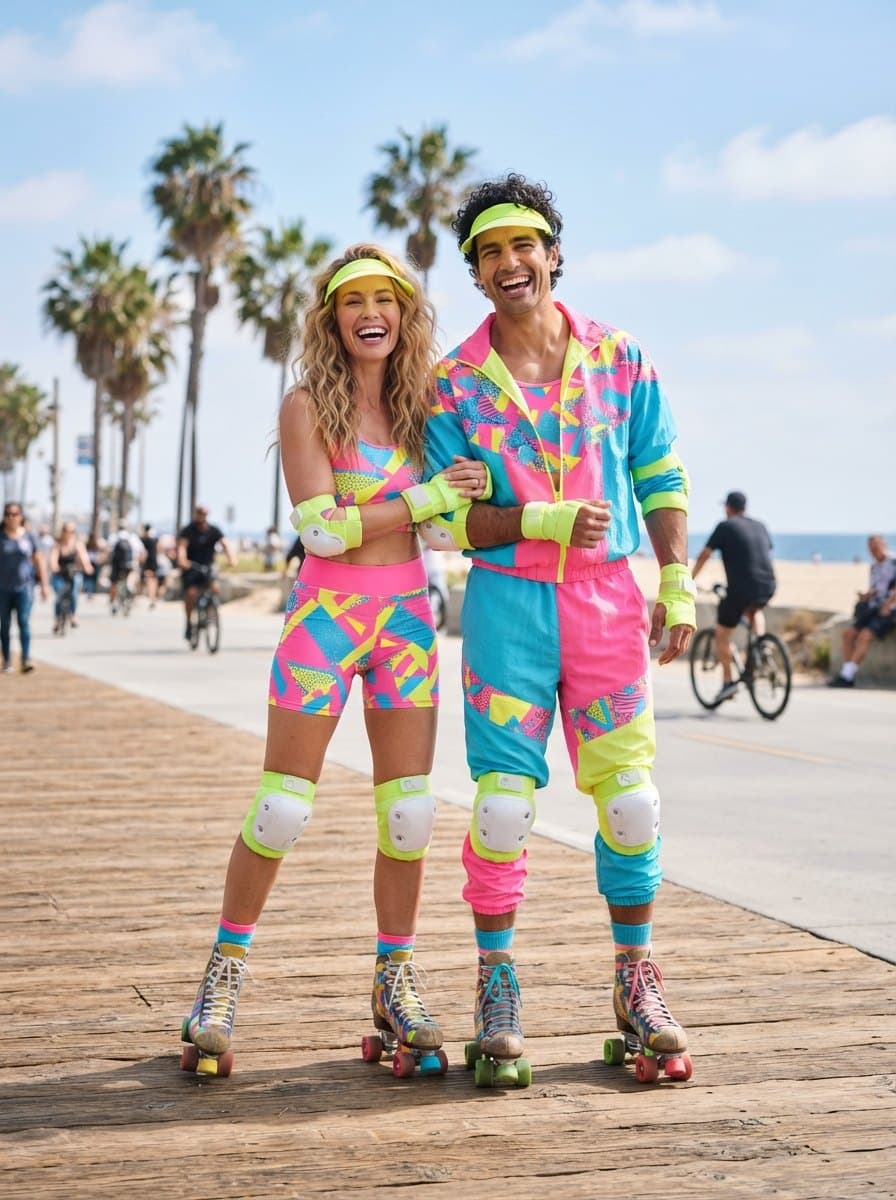
Barbie and Ken Costume
Step into a neon world as the ultimate, fashion-forward plastic duo.
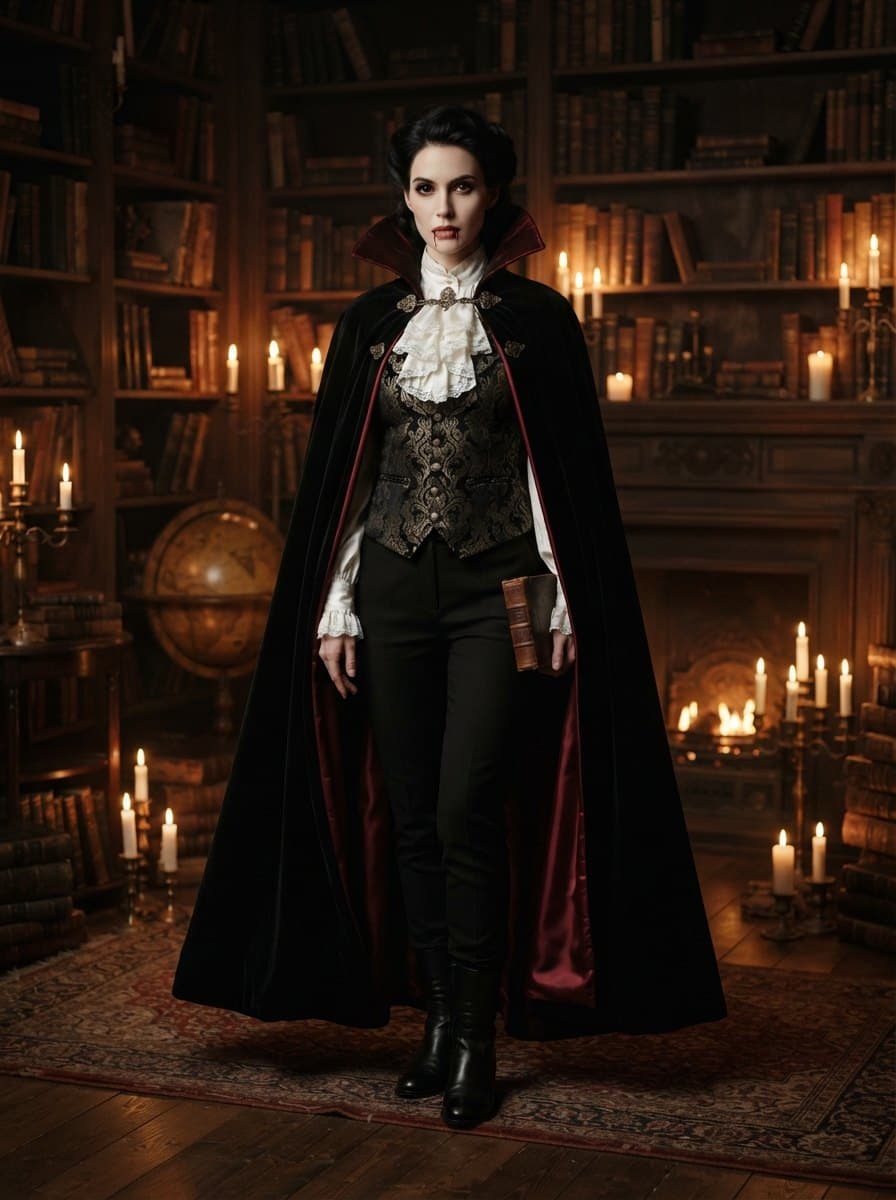
Vampire Costume
Embrace the night with a classic, timeless gothic look.
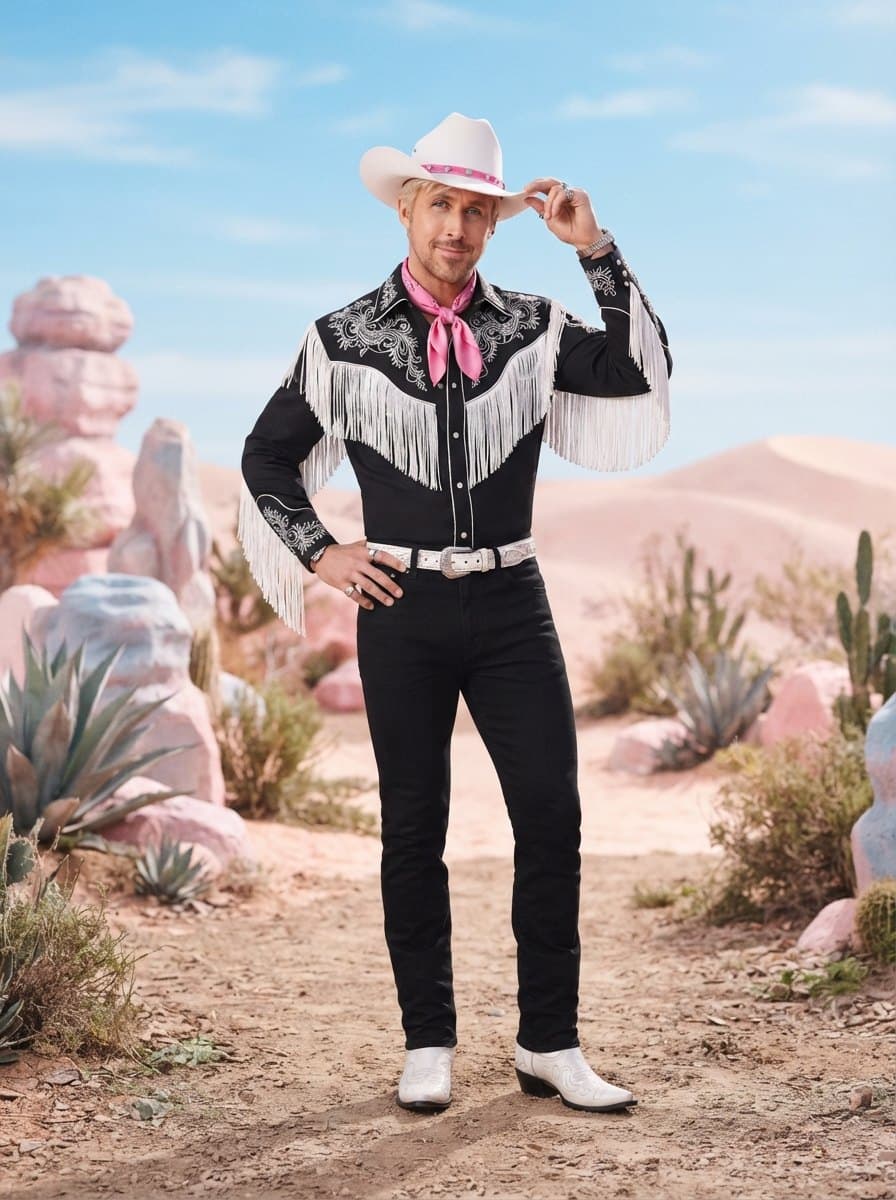
Ken Costume
Bring the ultimate Kenergy with this iconic Western look.
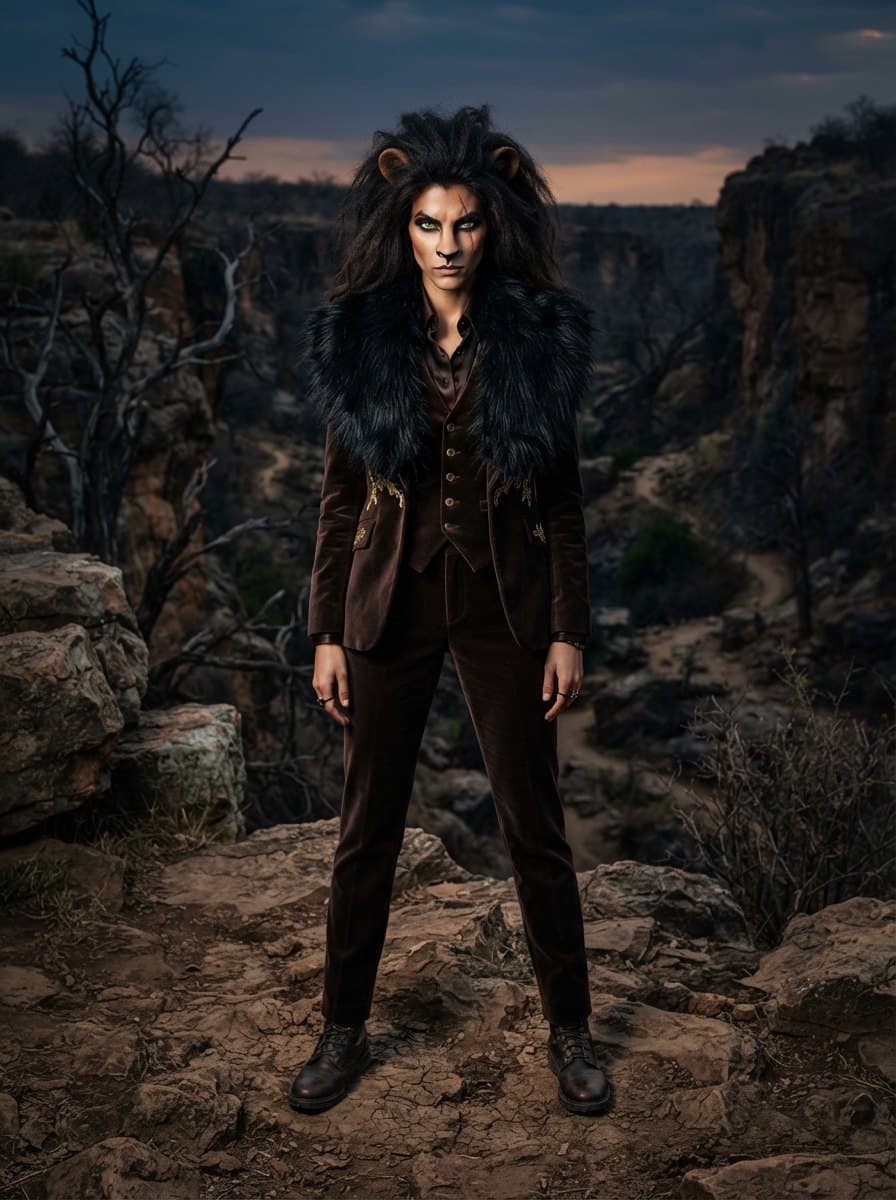
Scar Costume
Be prepared to rule the Pride Lands in villainous style.
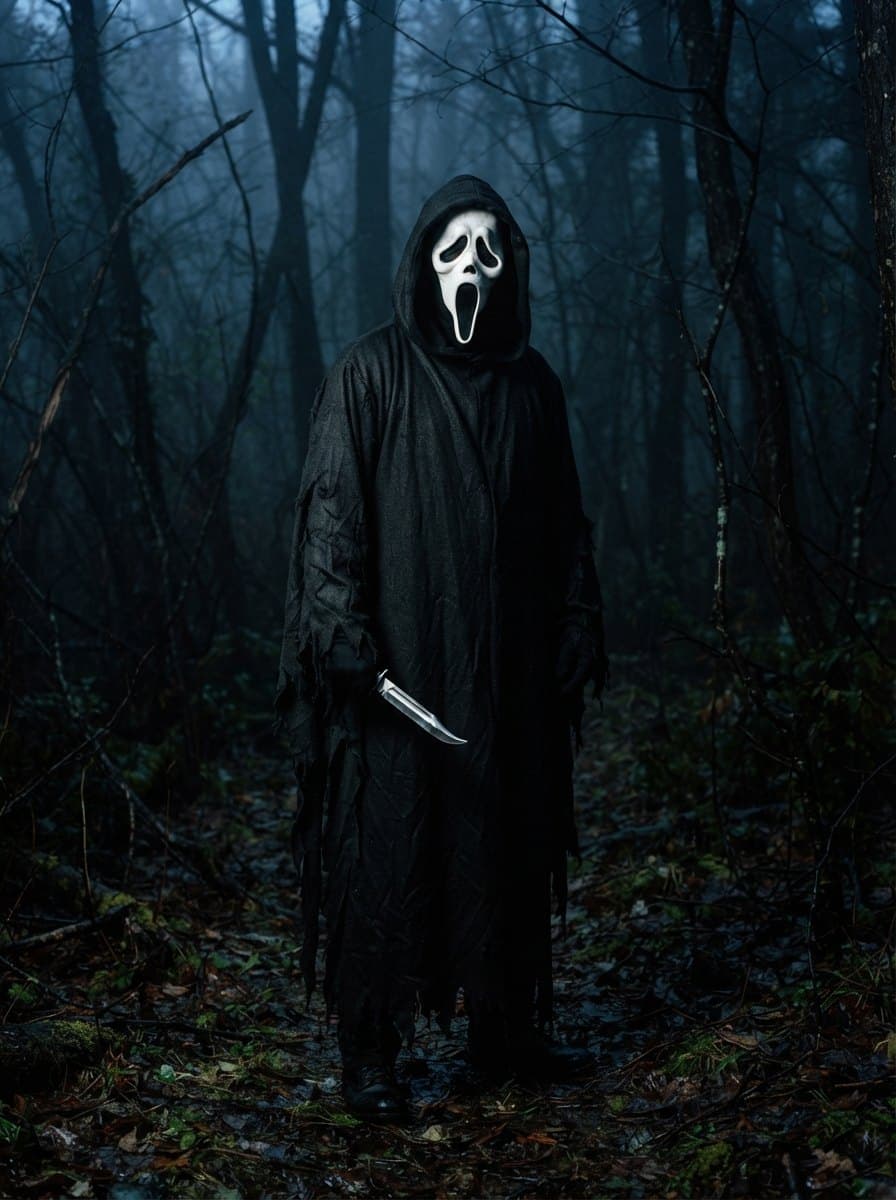
Ghostface Costume
Rule the night as the ultimate Woodsboro slasher.
Michael Myers Costume
Embody the silent, unstoppable shape of Halloween night.
Joker Costume
Unleash your inner agent of chaos in style.
The Joker Costume
Embrace the chaos with the ultimate Gotham villain look.
Spider-Man Costume
With great style comes great responsibility.
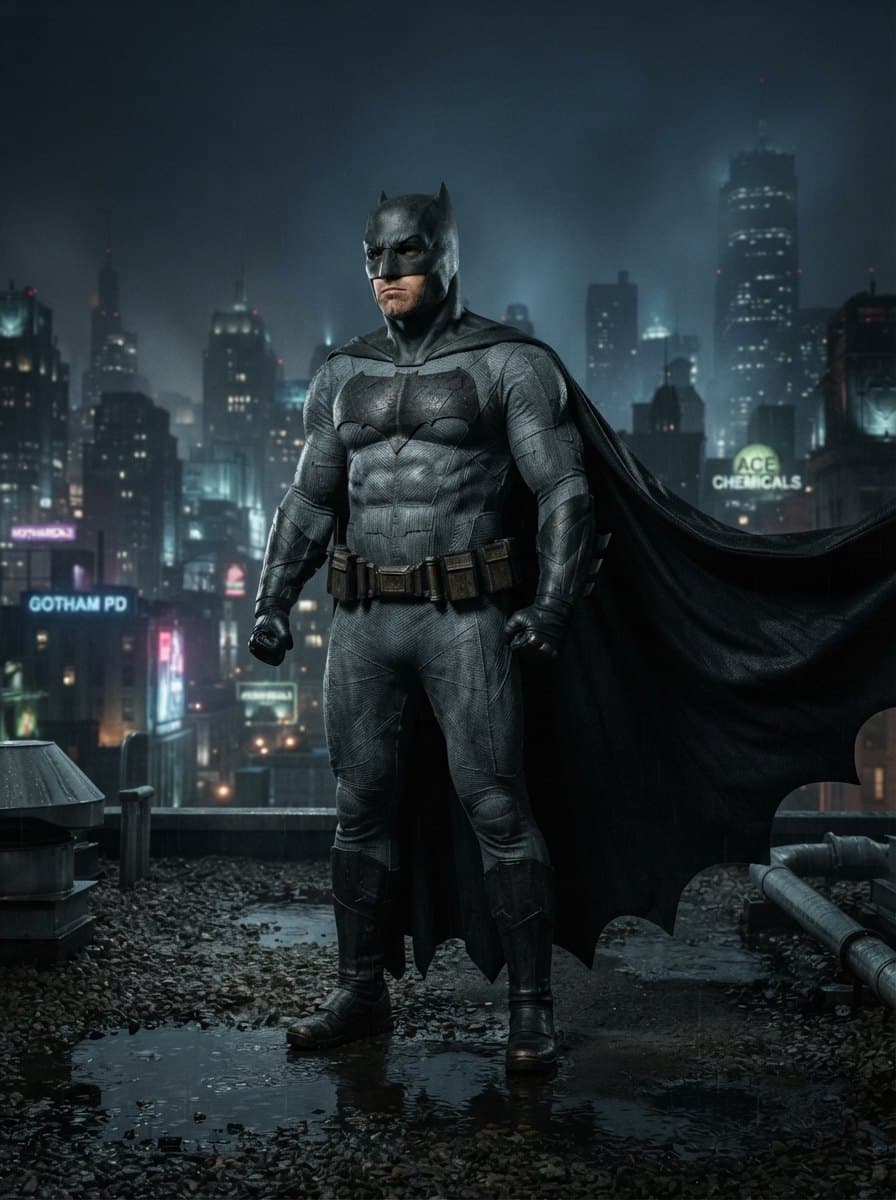
Batman Costume
Step out of the shadows as Gotham's legendary Dark Knight.
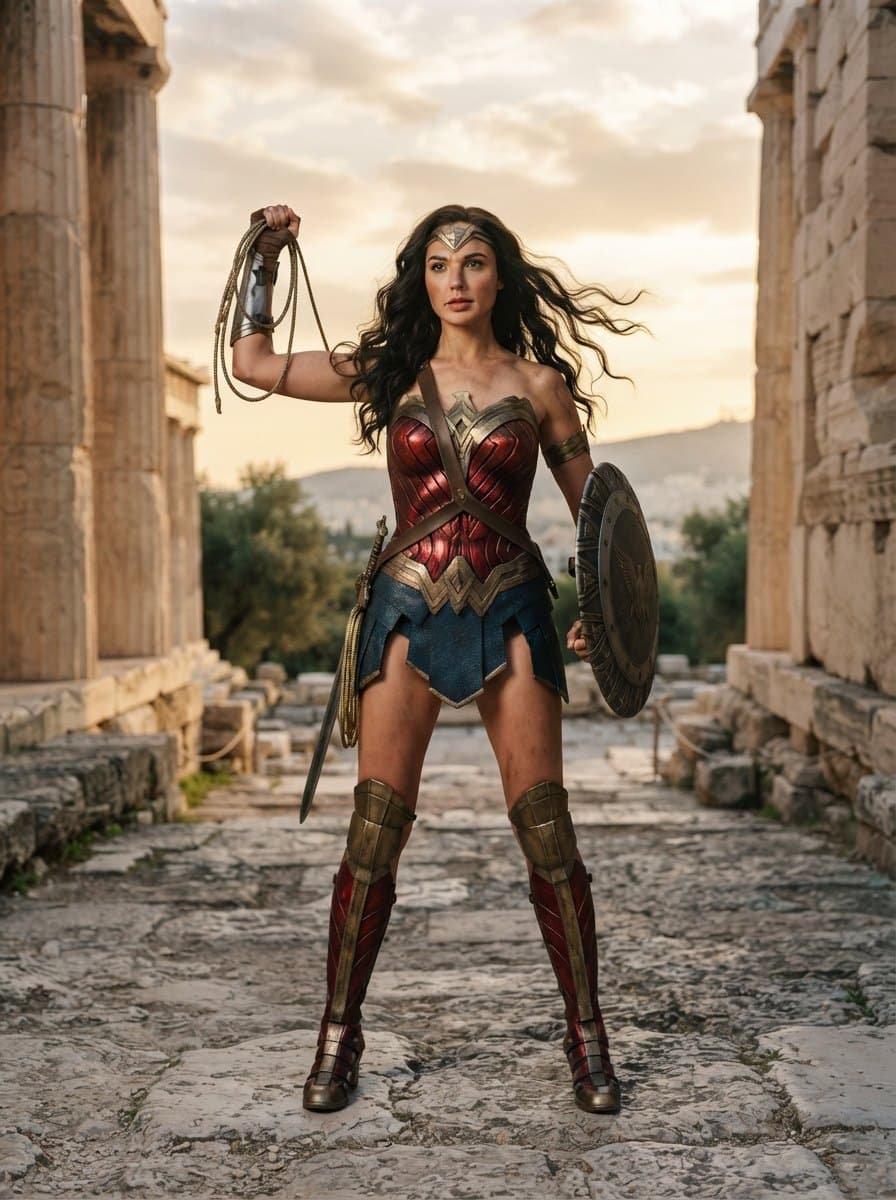
Wonder Woman Costume
Unleash your inner warrior with the ultimate Amazonian look.

Padmé Amidala Costume
Step into the Star Wars galaxy as Naboo's courageous senator.
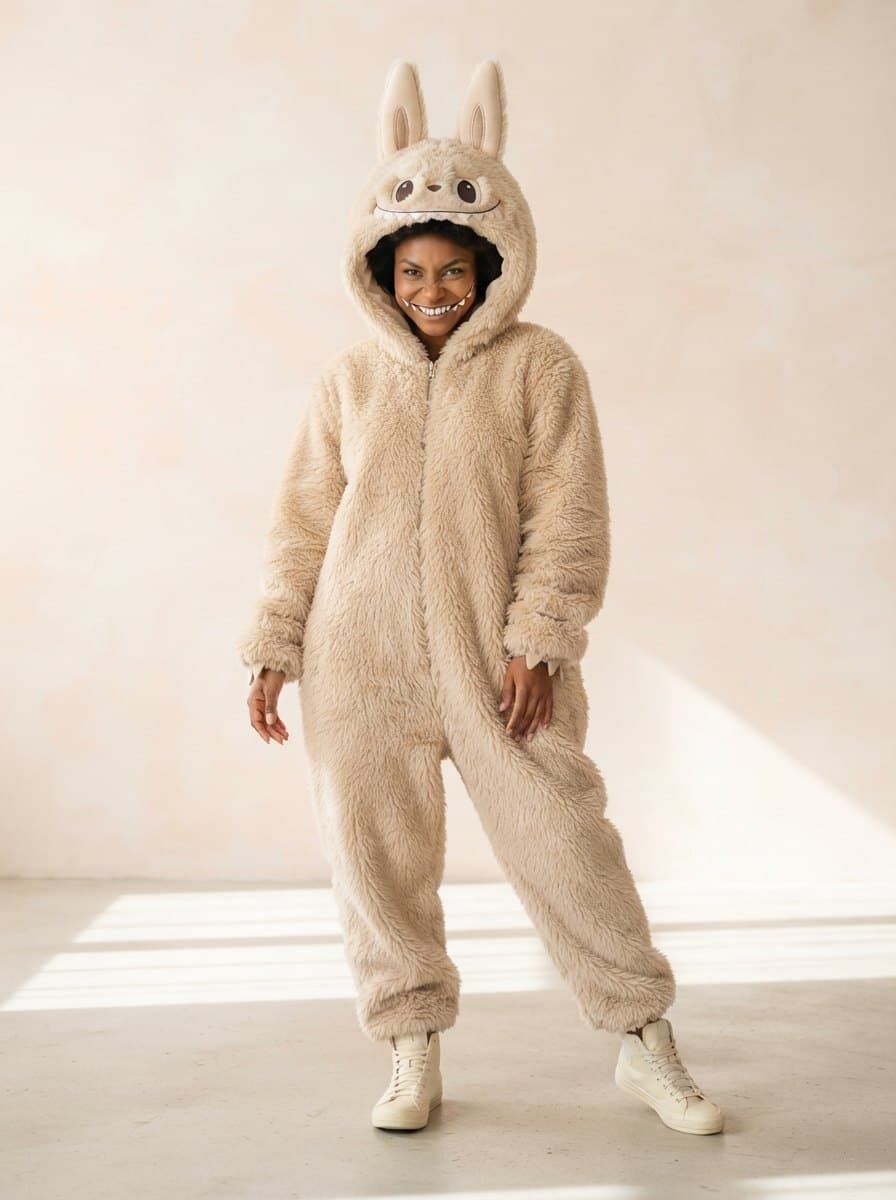
Labubu Costume
Bring Pop Mart's most mischievous, lovable monster to life.

Starfire Costume
Channel your inner Tamaranian princess with this vibrant superhero look.
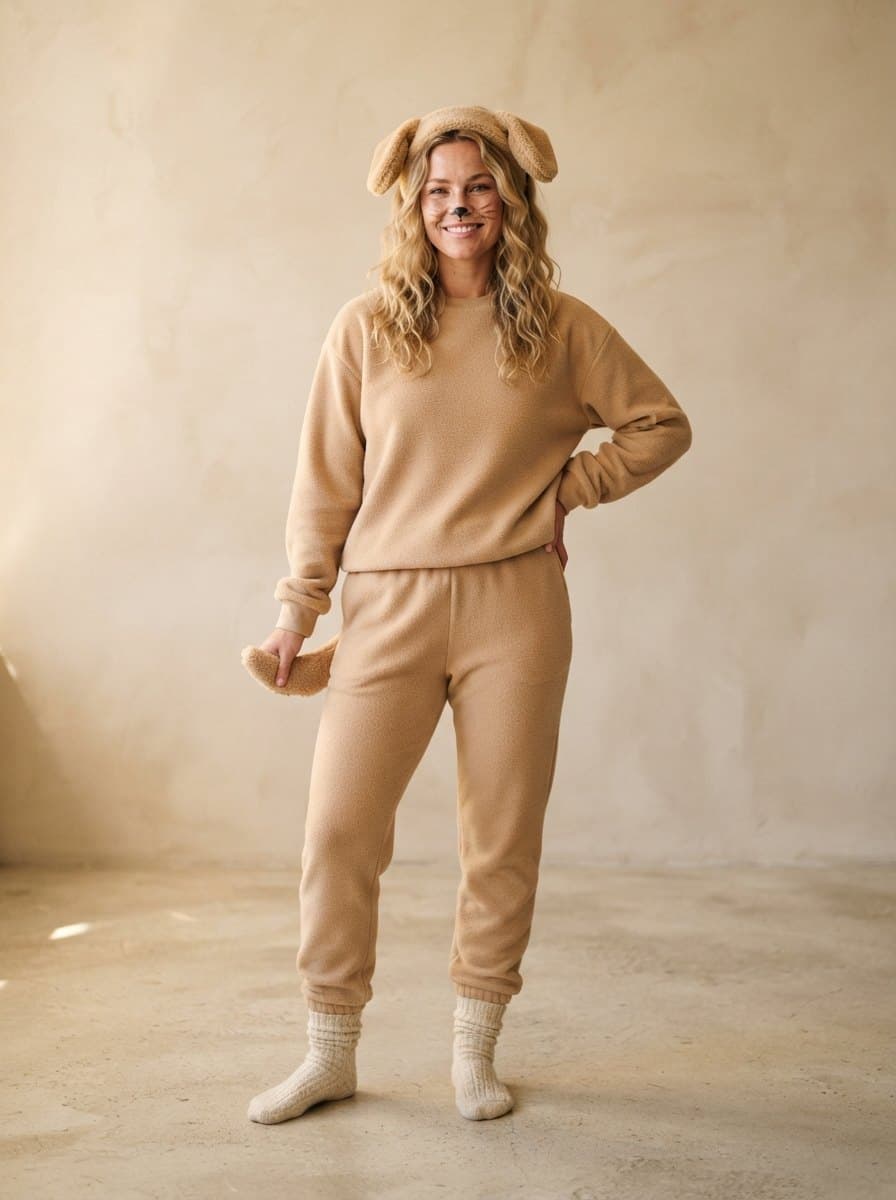
Dog Costume
Unleash your inner pup with this easy, comfortable classic.
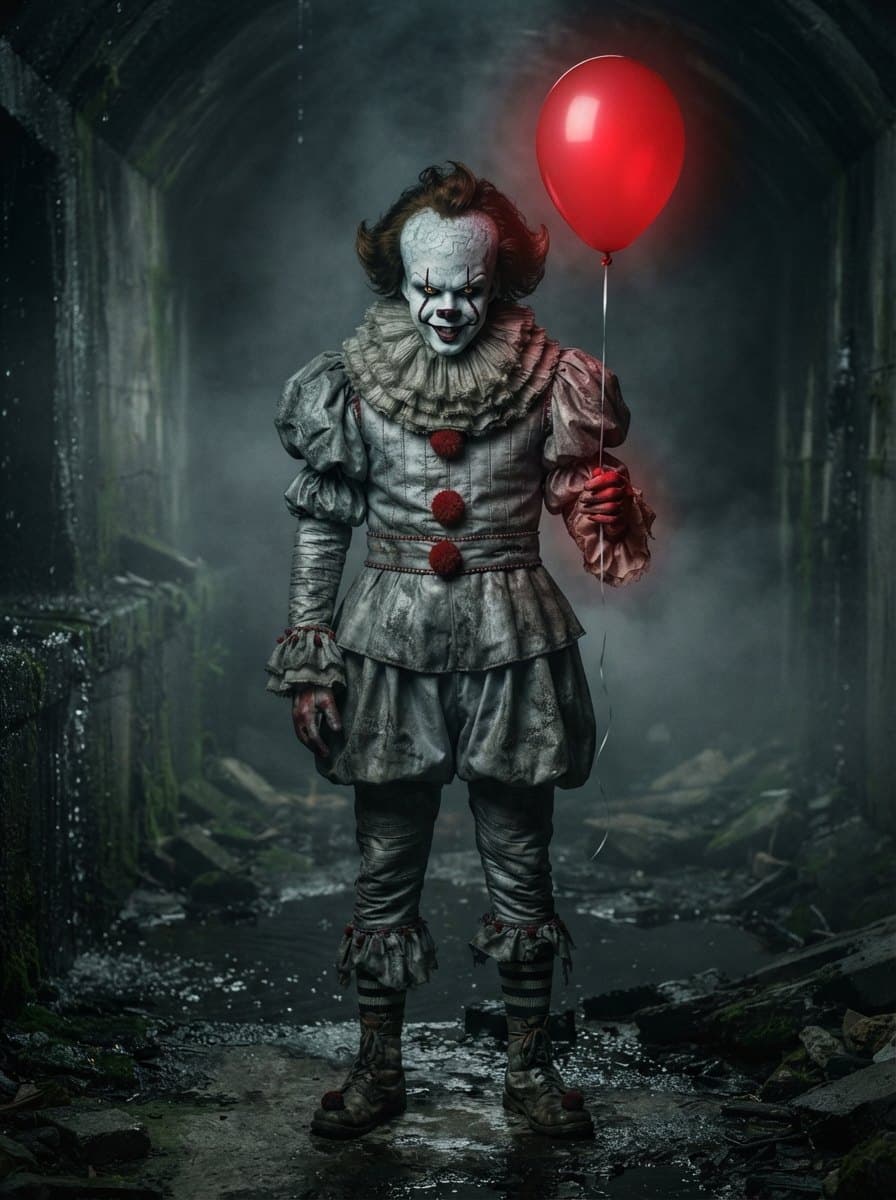
Pennywise Costume
Float down here with this screen-accurate, terrifying killer clown look.
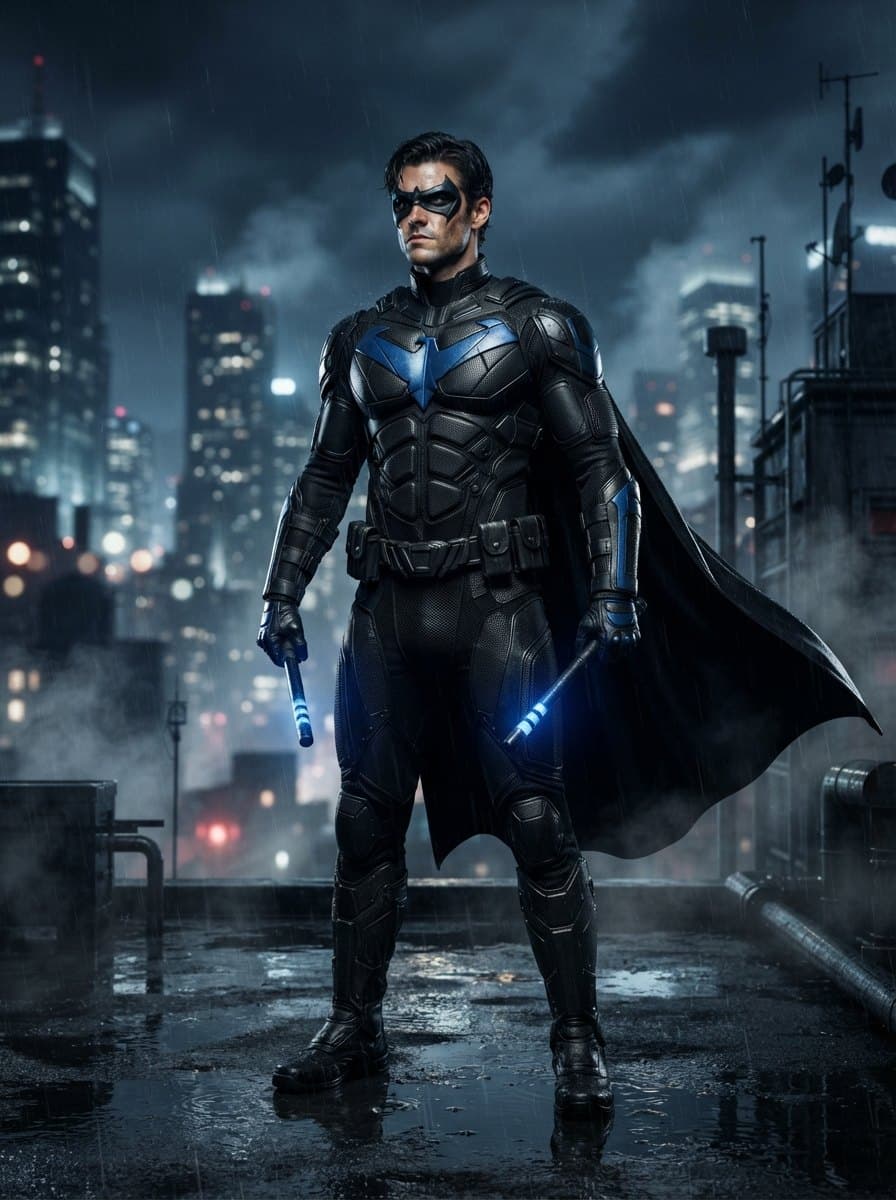
Nightwing Costume
Step out of Batman's shadow in this sleek vigilante look.
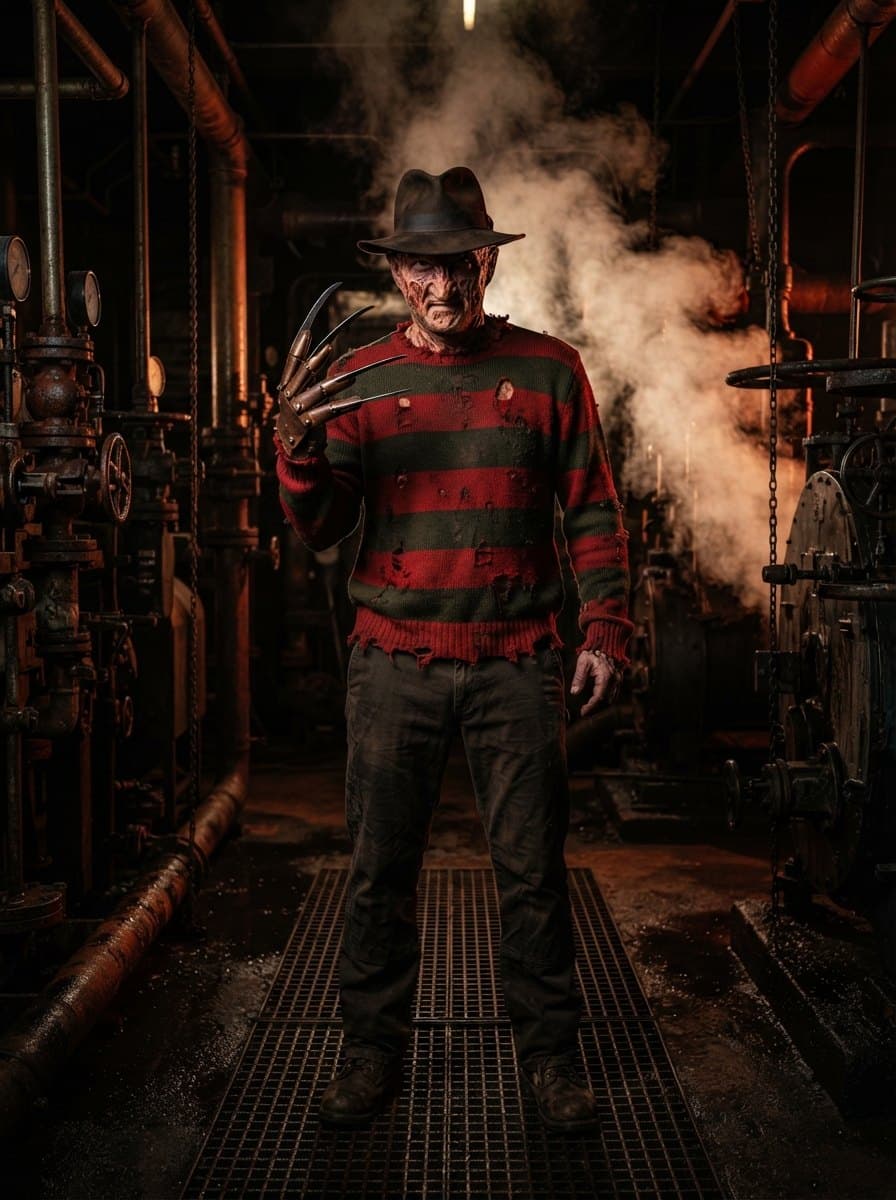
Freddy Krueger Costume
Bring the ultimate dream-stalking nightmare to life this Halloween.
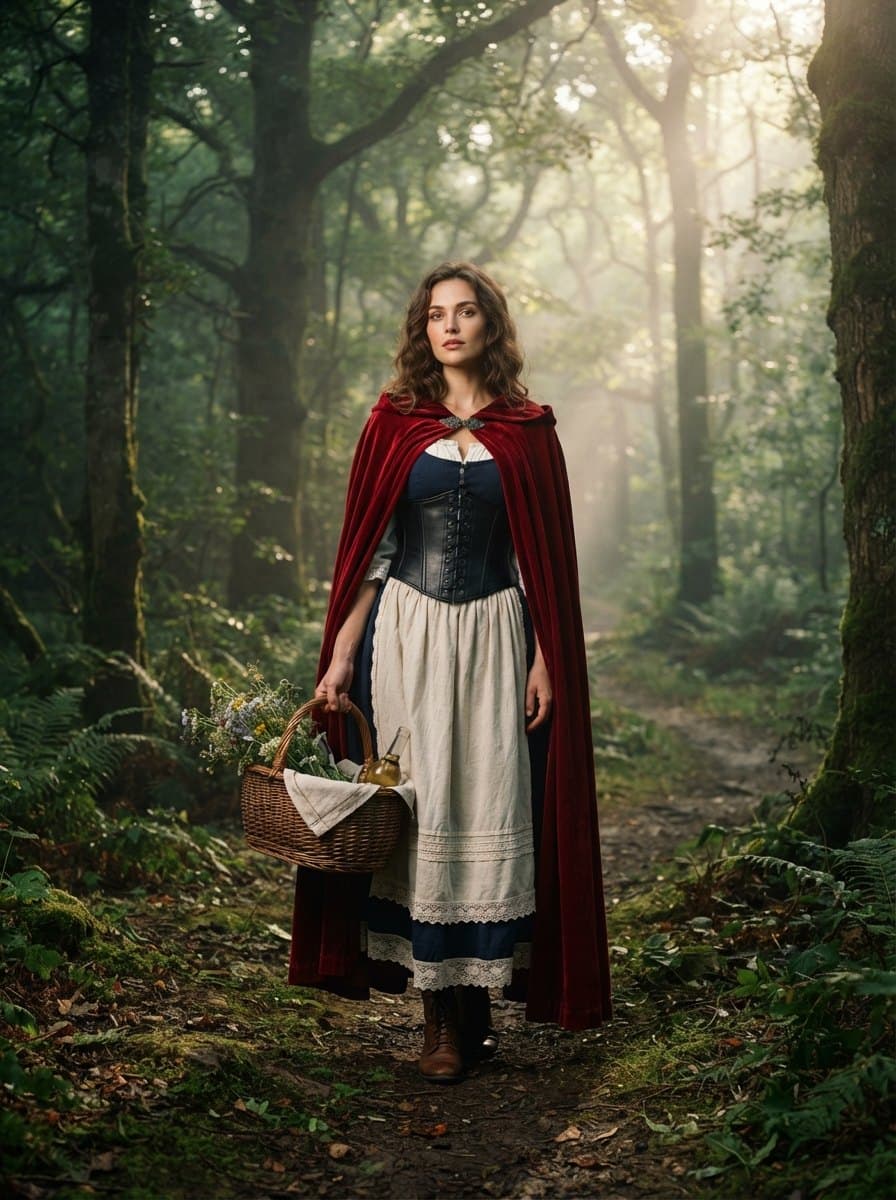
Little Red Riding Hood Costume
Journey through the woods in this timeless, enchanting fairytale look.
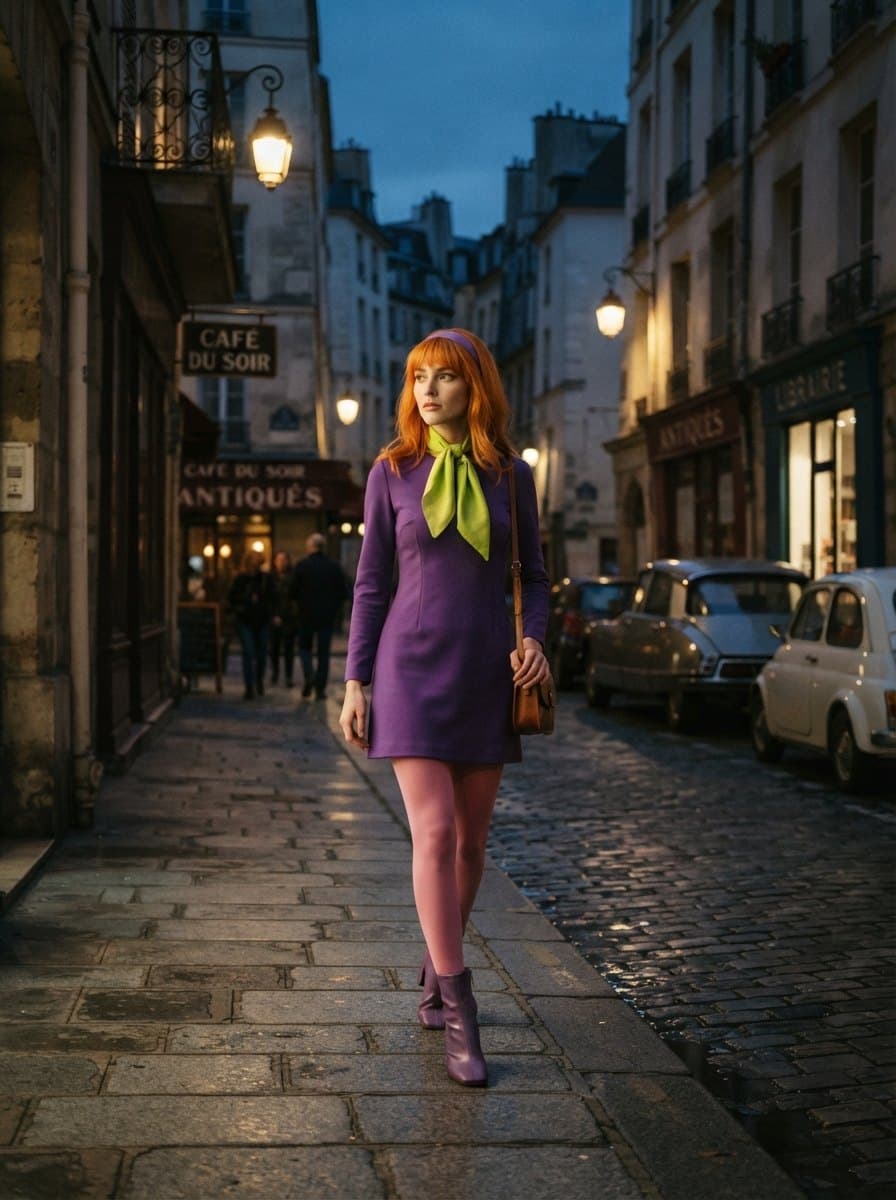
Daphne Blake Costume
Solve mysteries in style with Daphne's retro 1960s purple look.
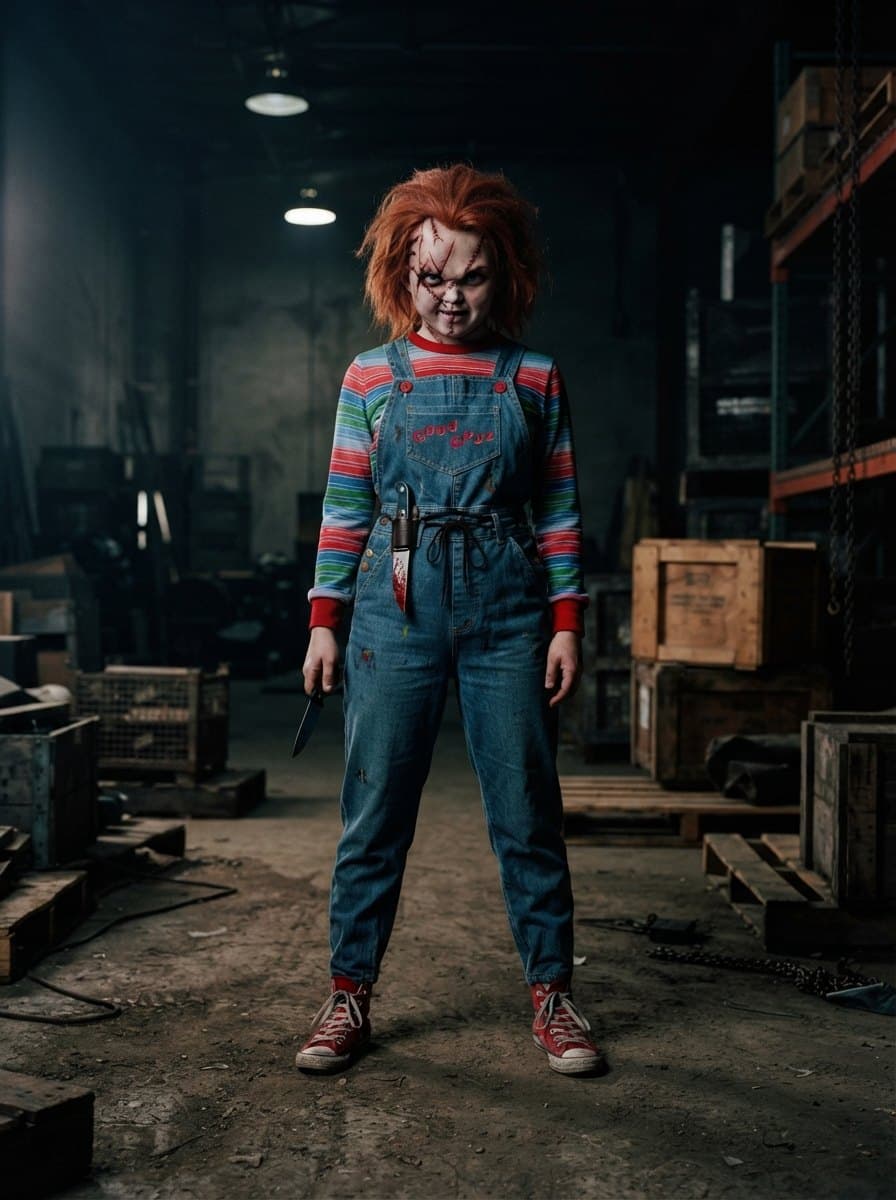
Chucky Costume
Channel your inner killer doll with Chucky's iconic striped look.
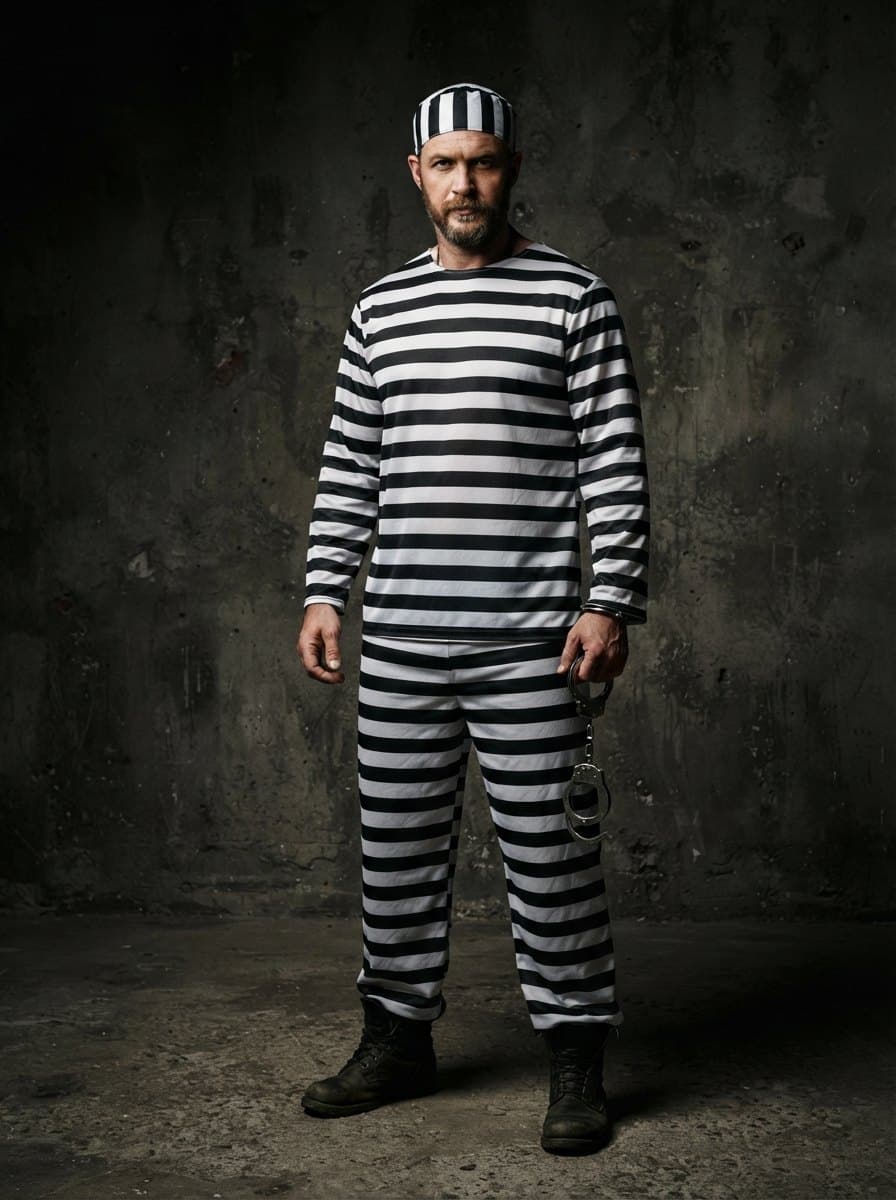
Prisoner Costume
The ultimate classic jailbird look that is incredibly easy to style.
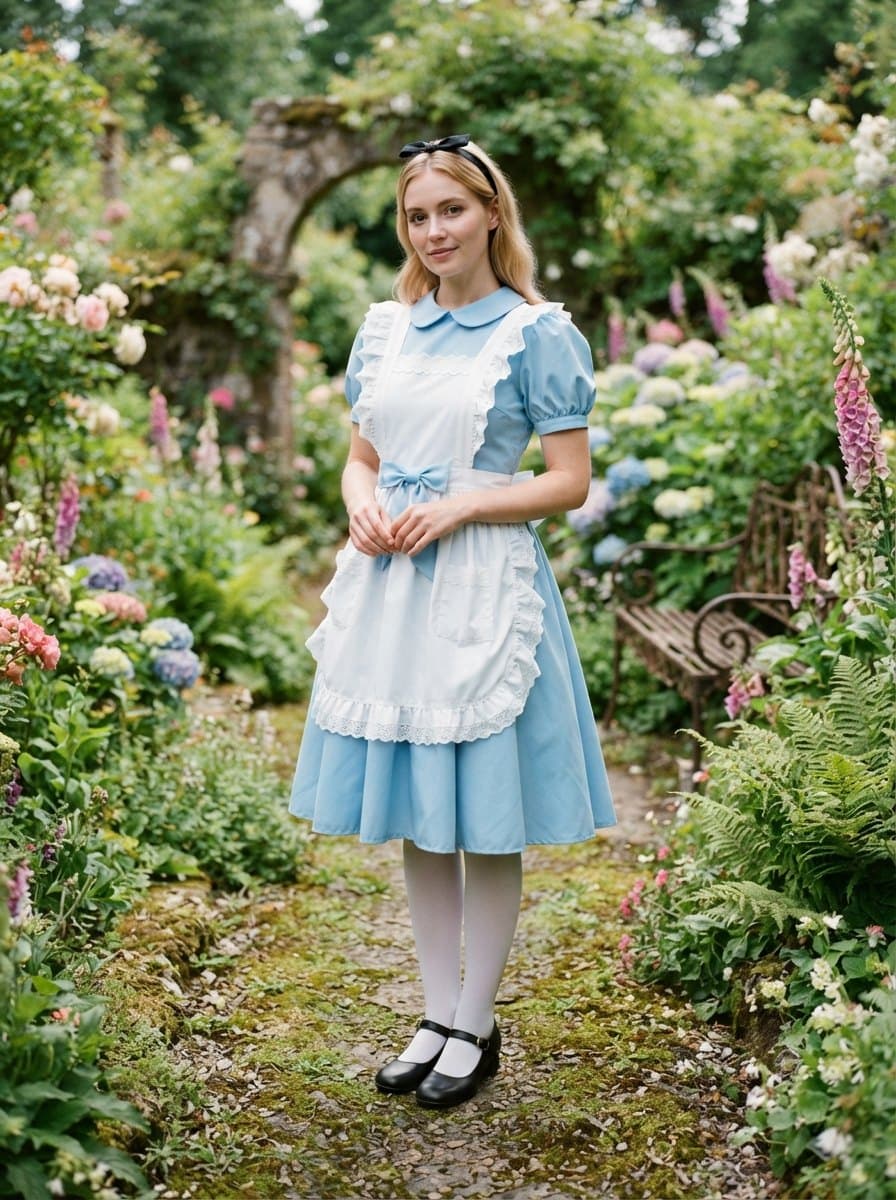
Alice Costume
Bring the magic of Wonderland to life with this iconic blue dress.
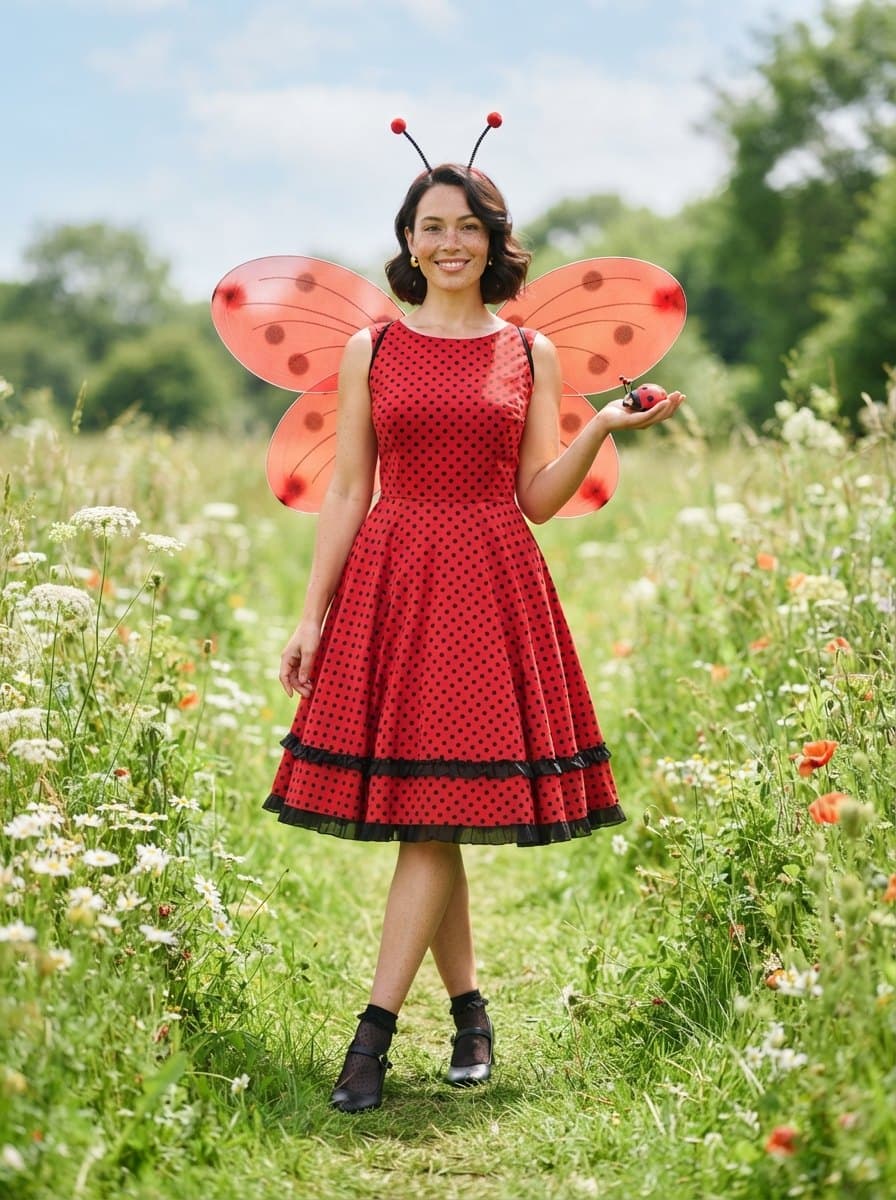
Ladybug Costume
A bright, cheerful, and easy-to-wear costume perfect for any occasion.
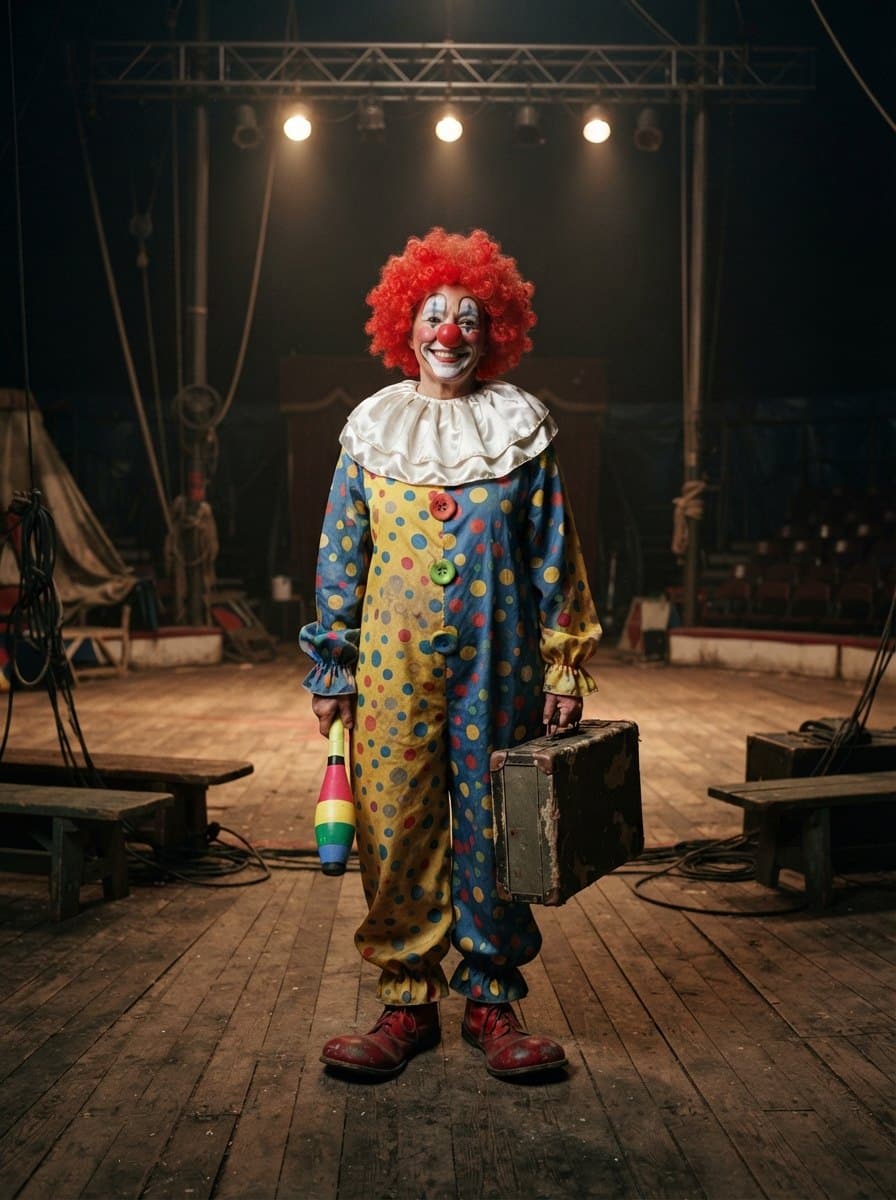
Clown Costume
Bring the circus to life with vibrant patterns and classic comedy.
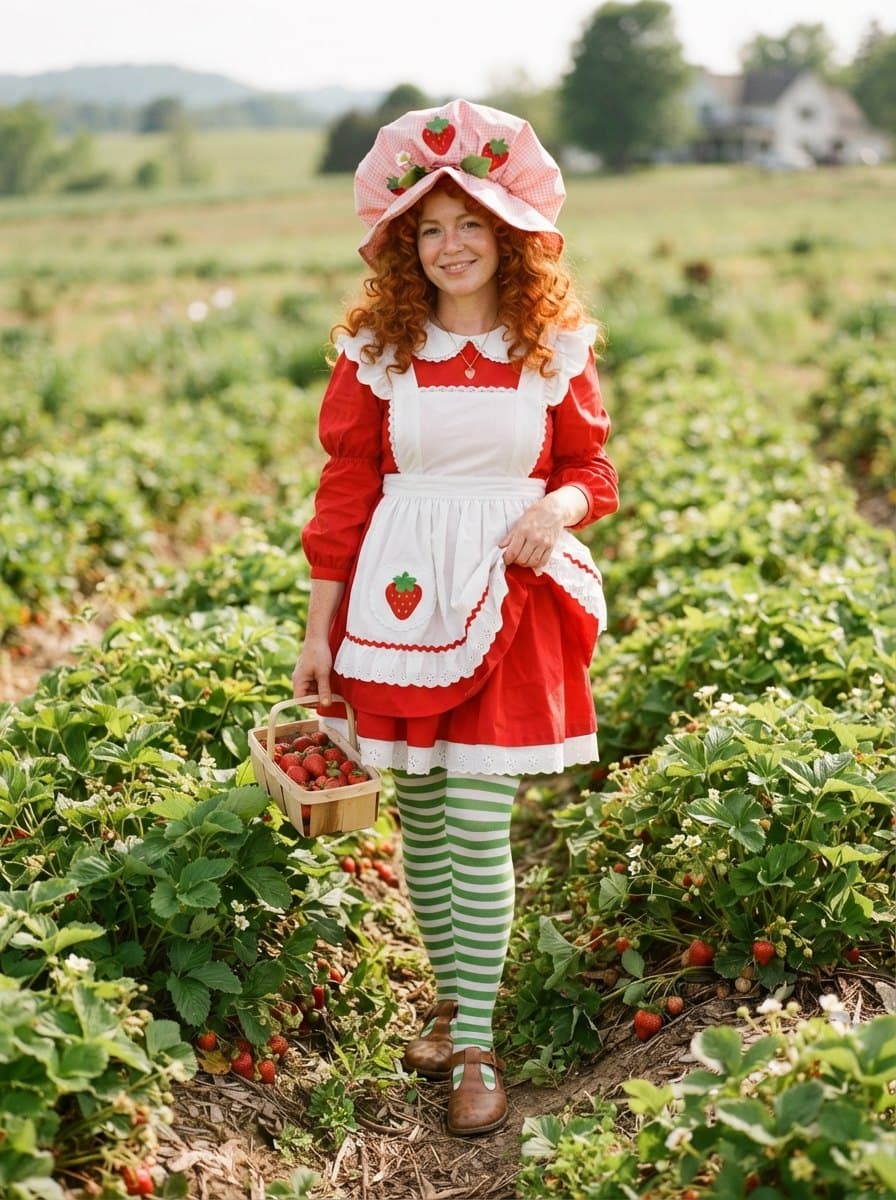
Strawberry Shortcake Costume
Bring sweet 1980s nostalgia to life with this classic berry look.

Scarecrow Costume
Bring rustic autumn charm to life with a classic scarecrow look.
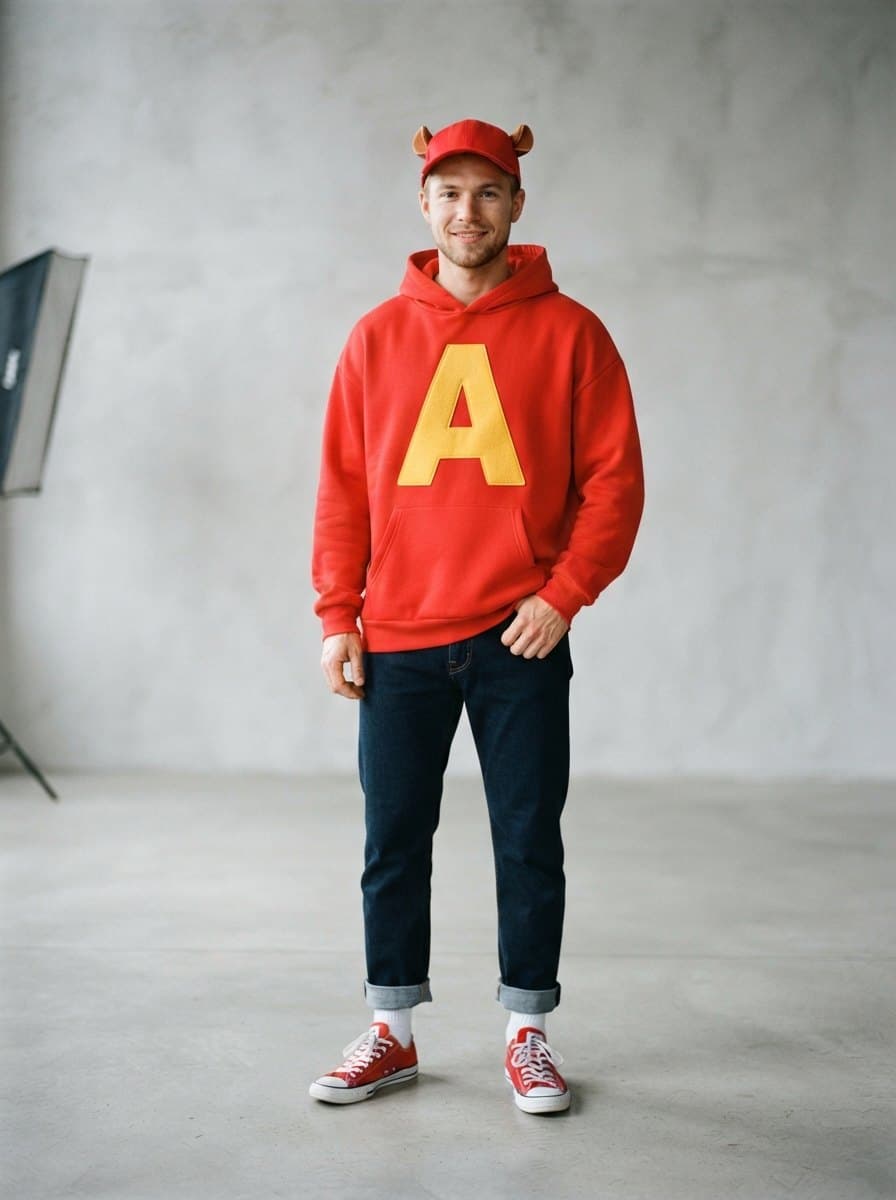
Alvin and the Chipmunks Costume
Bring the musical chipmunk trio to life with simple, colorful hoodies.
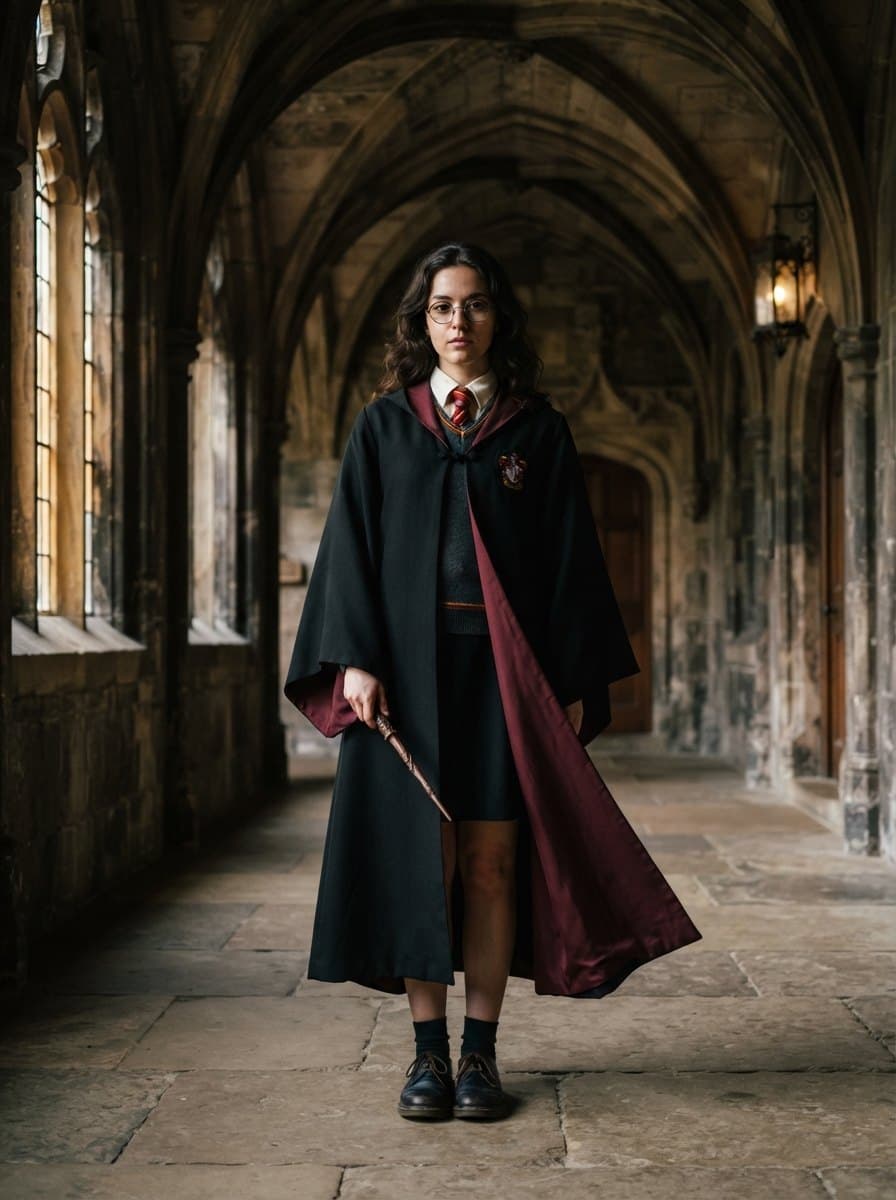
Harry Potter Costume
Step into the wizarding world with the iconic Gryffindor uniform.
What you need for a Asian Traditional Costumes costume
Traditional Robe or Dress
A high-quality Hanfu, Kimono, or Ao Dai made of silk, satin, or brocade with traditional patterns.
Sash or Obi Belt
A wide waist sash or structured belt to secure the robe and define the silhouette.
DIY: Use a wide strip of matching satin fabric tied neatly at the waist.
Undergarments
A lightweight, breathable cotton inner robe or slip to wear beneath the main garment.
DIY: Wear a plain white V-neck t-shirt and light leggings.
Traditional Footwear
Flat embroidered shoes, wooden geta sandals, or simple fabric slippers.
DIY: Plain black or white canvas flats.
Hair Accessories
Ornate hairpins, floral hair clips, or a decorative fan to complement the hairstyle.
DIY: Secure hair with polished wooden chopsticks decorated with small faux flowers.
How to put it together
- 1
Put on the lightweight white undergarments to protect the outer silk or satin layers.
- 2
Wrap the main robe (such as a Hanfu or Kimono) left side over right, ensuring the collar is neat and symmetrical.
- 3
Secure the robe at the waist using the wide sash or obi, tying it securely according to the specific garment's tradition.
- 4
Adjust the sleeves and hemline so they drape evenly and comfortably.
- 5
Slip into the traditional flat shoes or sandals.
- 6
Style your hair in a neat updo or half-up style, securing it with decorative hairpins.
- 7
Carry a matching accessory, such as a folding hand fan or a small fabric pouch.
Makeup & hair
Keep makeup elegant and classic with a smooth, even complexion, soft eyeliner, and a classic red or pink lip. Style hair in a neat bun, half-up twist, or braid, accented with traditional metallic or floral hairpins.
Asian Traditional Costumes for couples, groups, kids & more
- couples
- Pair a matching men's Tangzhuang or Hakama set with a women's Hanfu or Kimono in coordinating colors.
- group
- Coordinate a group wearing different traditional styles, such as Hanfu, Kimono, and Ao Dai, celebrating diverse Asian cultures.
- kids
- Miniature versions of Hanfu or Jinbei sets made from soft, machine-washable cotton fabrics.
- Plus size
- Look for wrap-style robes like Kimonos or Hanfu, which offer adjustable waist ties for a customizable fit.
Tips
- Always wrap robes left-over-right; wrapping right-over-left is traditionally reserved for funerals in many Asian cultures.
- Choose breathable fabrics like cotton blends or high-quality rayon if you plan to wear the outfit warm weather.
- Handle delicate embroidery and silk fabrics with care, opting for dry cleaning or gentle hand washing.
- Ensure the hemline is slightly off the ground to prevent tripping or damaging the fabric while walking.
Asian Traditional Costumes costume FAQ
- What is the traditional Chinese dress called?
- The most famous traditional Chinese garments are the Hanfu (historical clothing of the Han Chinese) and the Qipao or Cheongsam (a body-hugging dress originating in the 1920s).
- How do you wear a traditional robe respectfully?
- Research the specific garment's cultural origins, wear it correctly (such as wrapping left-over-right), and avoid mixing sacred or religious items with casual wear.
- What shoes do you wear with traditional Asian clothing?
- Flat, embroidered fabric shoes, cloth slippers, or traditional wooden sandals like Japanese geta are typically worn.
Did you know? The Hanfu has experienced a massive global revival since the early 2000s, driven by young people celebrating traditional aesthetics through social media and cultural festivals.