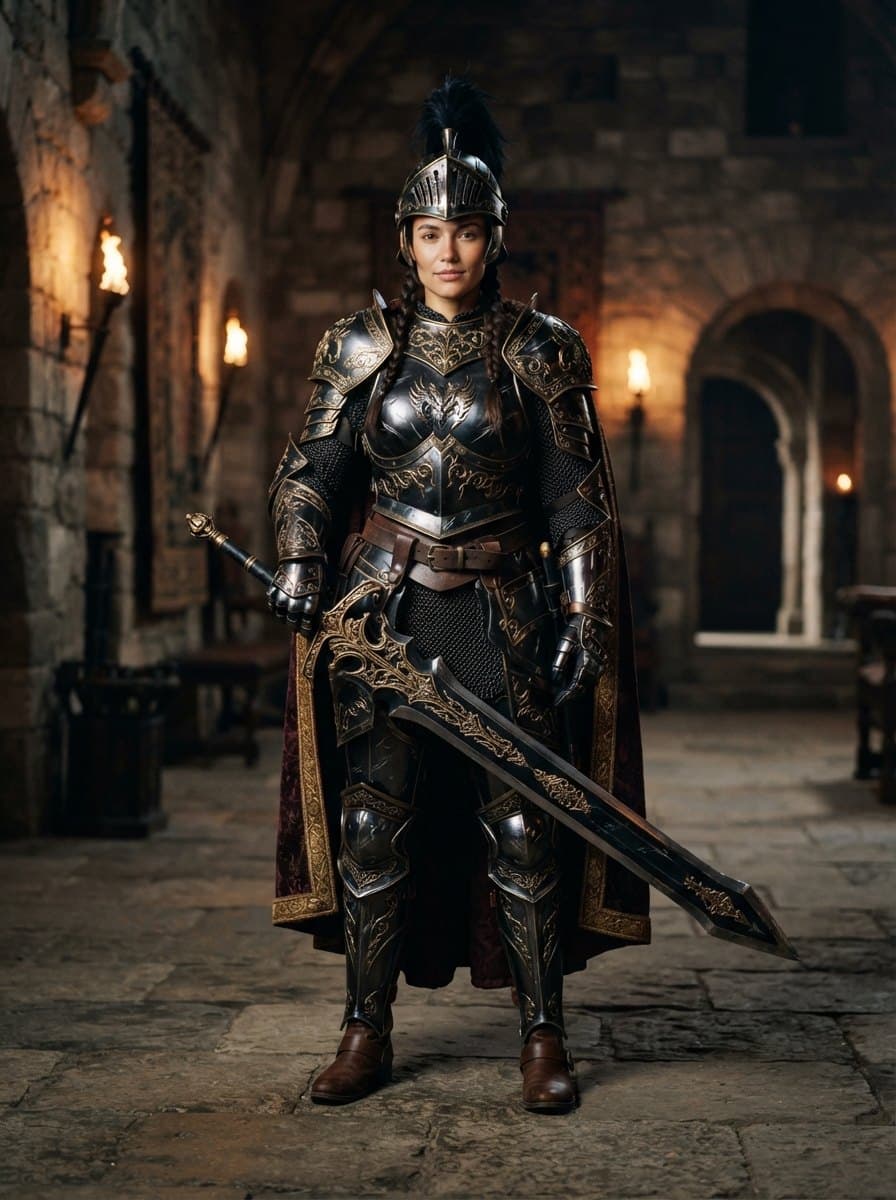
3D Printed Costumes
Bring digital designs to life with custom 3D-printed armor and props.
3D printed costumes allow makers and cosplayers to create highly accurate, custom-fit armor, helmets, and props directly from digital files. This approach is favored by DIY enthusiasts who want movie-quality realism that traditional fabric and foam cannot easily achieve. A complete look typically combines 3D-printed hard plates with a fabric undersuit and custom strapping.
- Difficulty
- Advanced
- Time
- ~480 min
- Budget
- $100–500
Try it on
See yourself as 3D Printed Costumes
One clear photo of yourself; we render you in this costume — face untouched, full body, about 20 seconds.
One render, $1. No account needed — if it fails you're not charged. Pricing.
Your photo is sent to Google's Gemini API to make the render and isn't used for training. Renders are AI-generated and labelled.
Want a different costume on this photo, or a whole group in costume? Open the Try-On Studio.
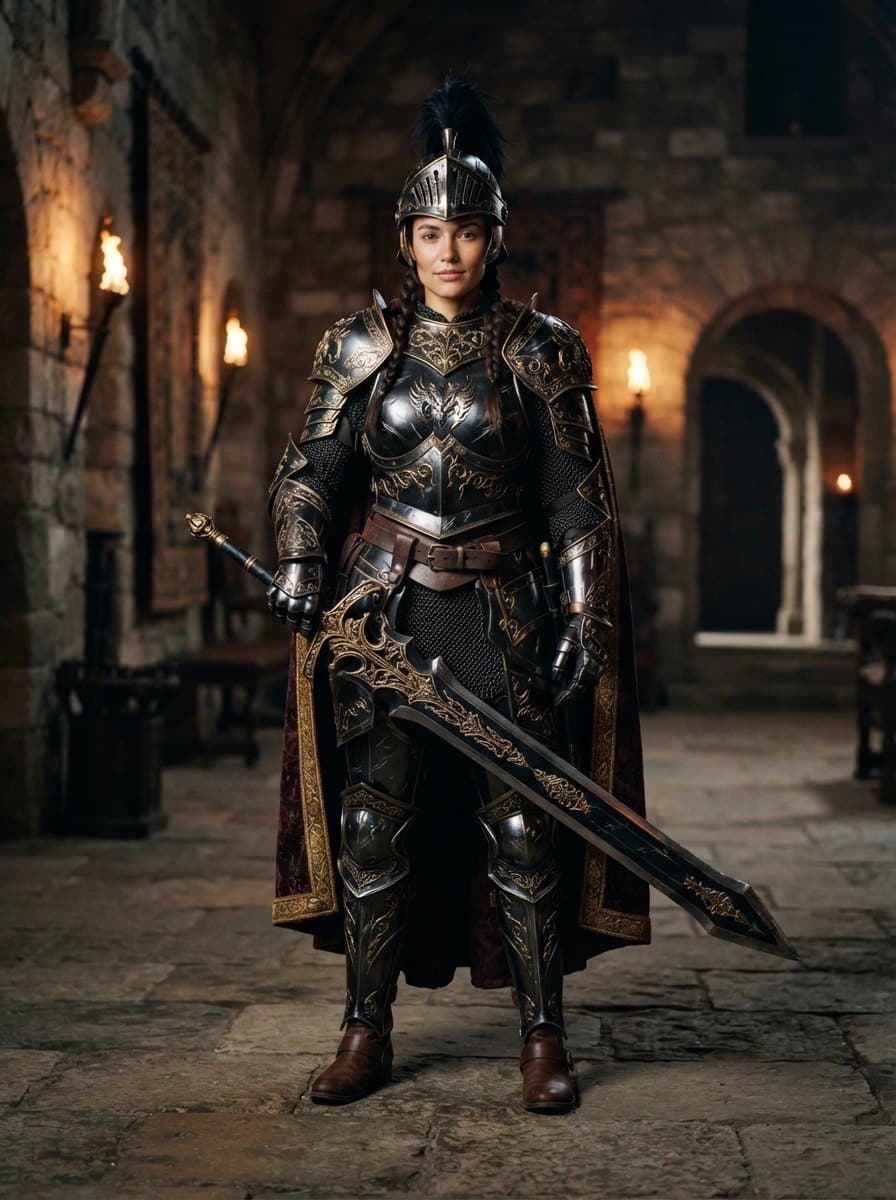
40 3D Printed costume ideas
Ranked by how many people are searching for them this season. Open any one for the full guide and to try it on.
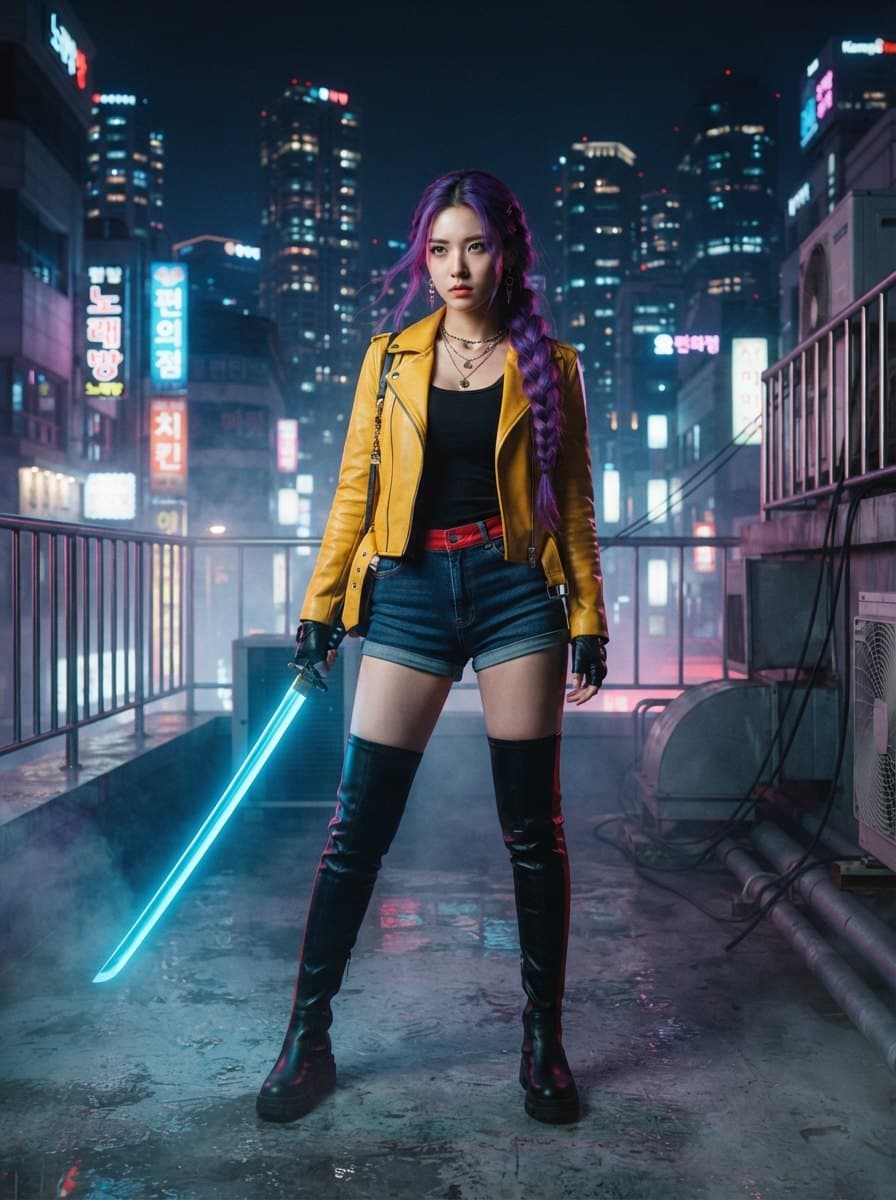
KPop Demon Hunters Costume
Unleash your inner pop star and demon hunter with Rumi's iconic look.

The Lorax Costume
Speak for the trees in this vibrant, cozy orange and yellow look.
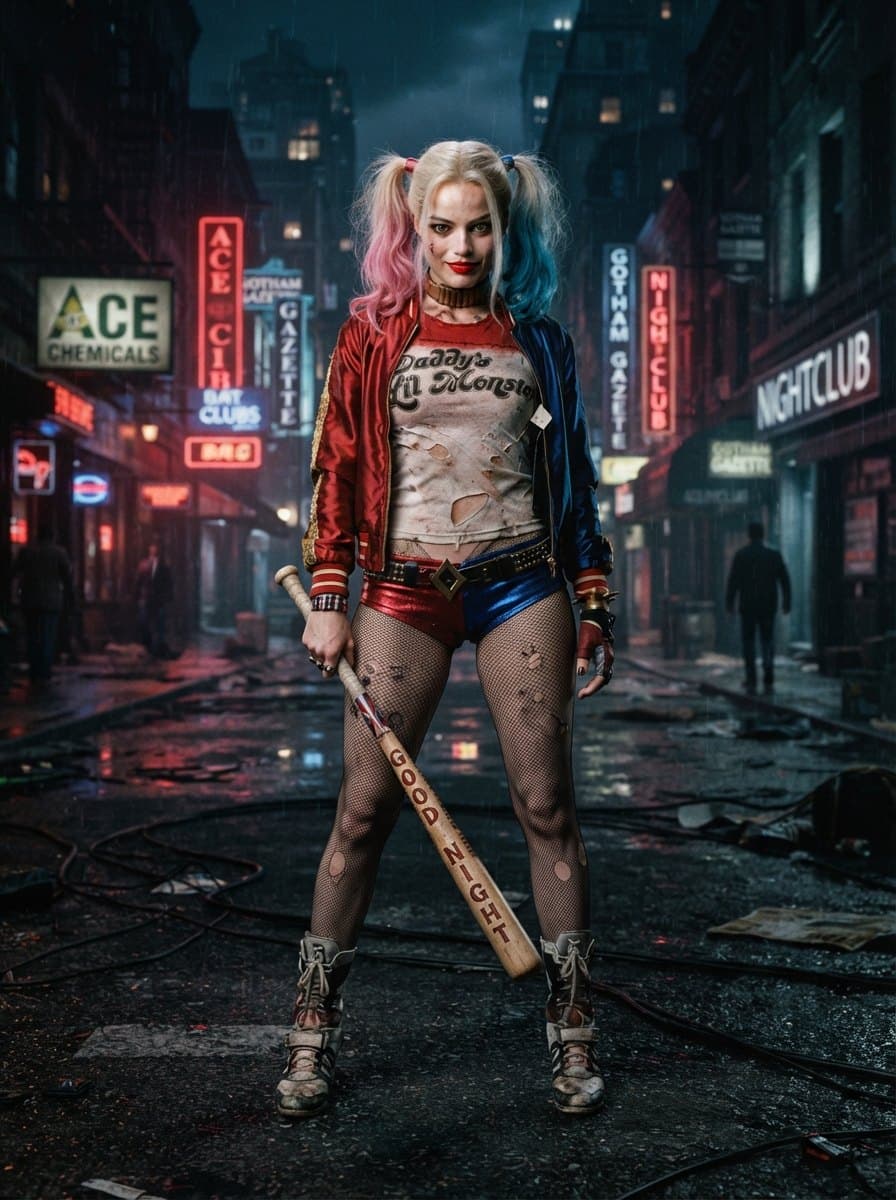
Harley Quinn Costume
Unleash your inner anti-hero with Harley's iconic red and blue look.
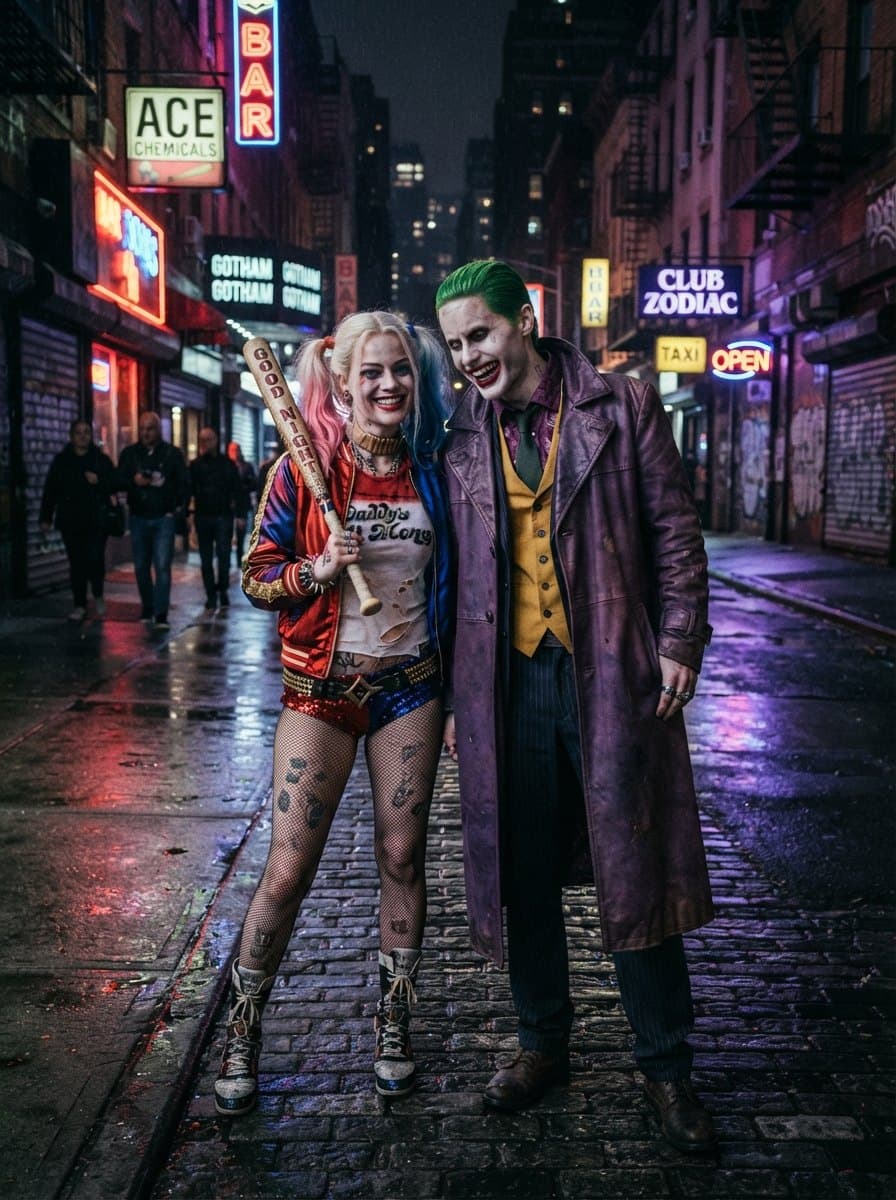
Harley Quinn and Joker Costume
Gotham's most chaotic power couple is ready to steal the show.

Minions Costume
Bello! Bring the chaotic, banana-loving fun to life.

Witch Costume
Cast a spell with a timeless, enchanting classic.

Poison Ivy Costume
Embody Gotham's seductive eco-villain with vibrant greens and ivy leaves.

Wednesday Addams Costume
Channel your favorite gothic icon with a sharp, classic monochrome look.
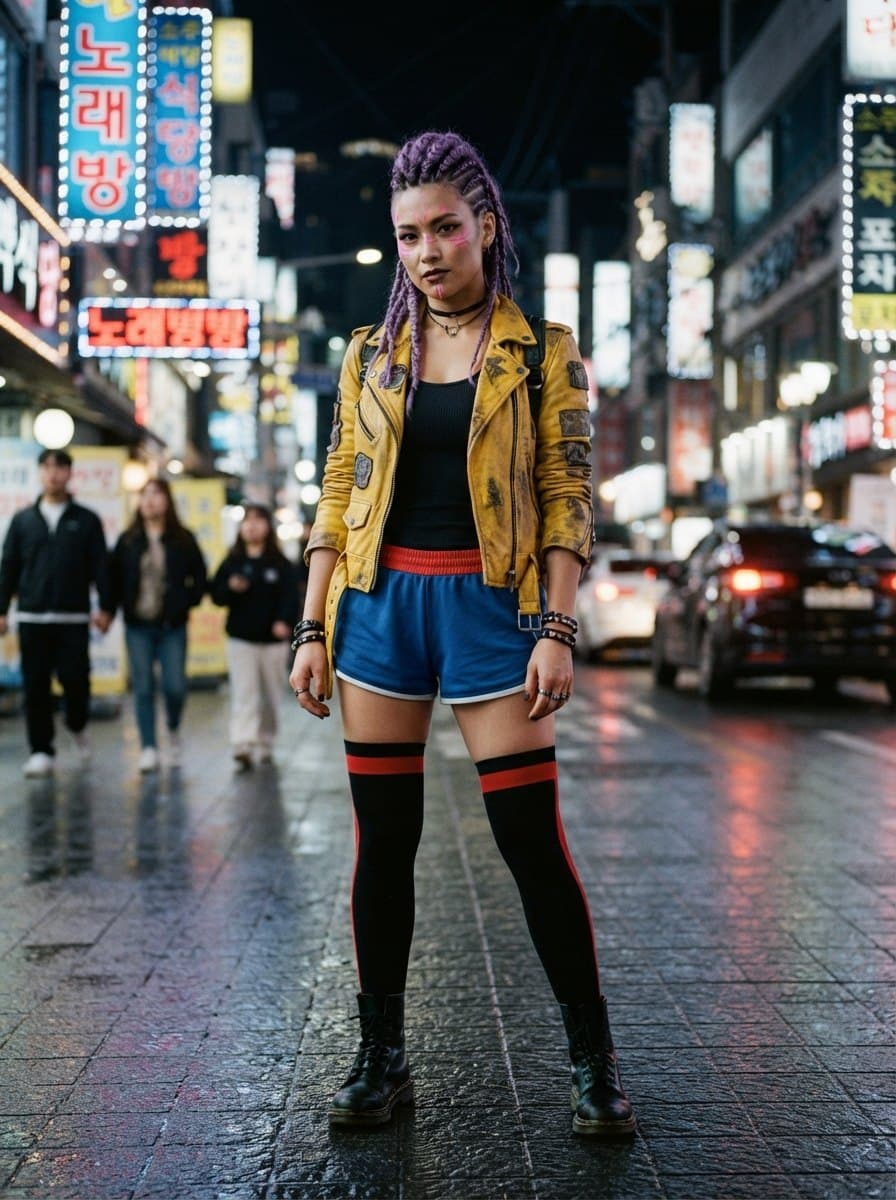
Rumi Costume
Channel the fierce leader of Huntrix with this K-pop demon hunter style.
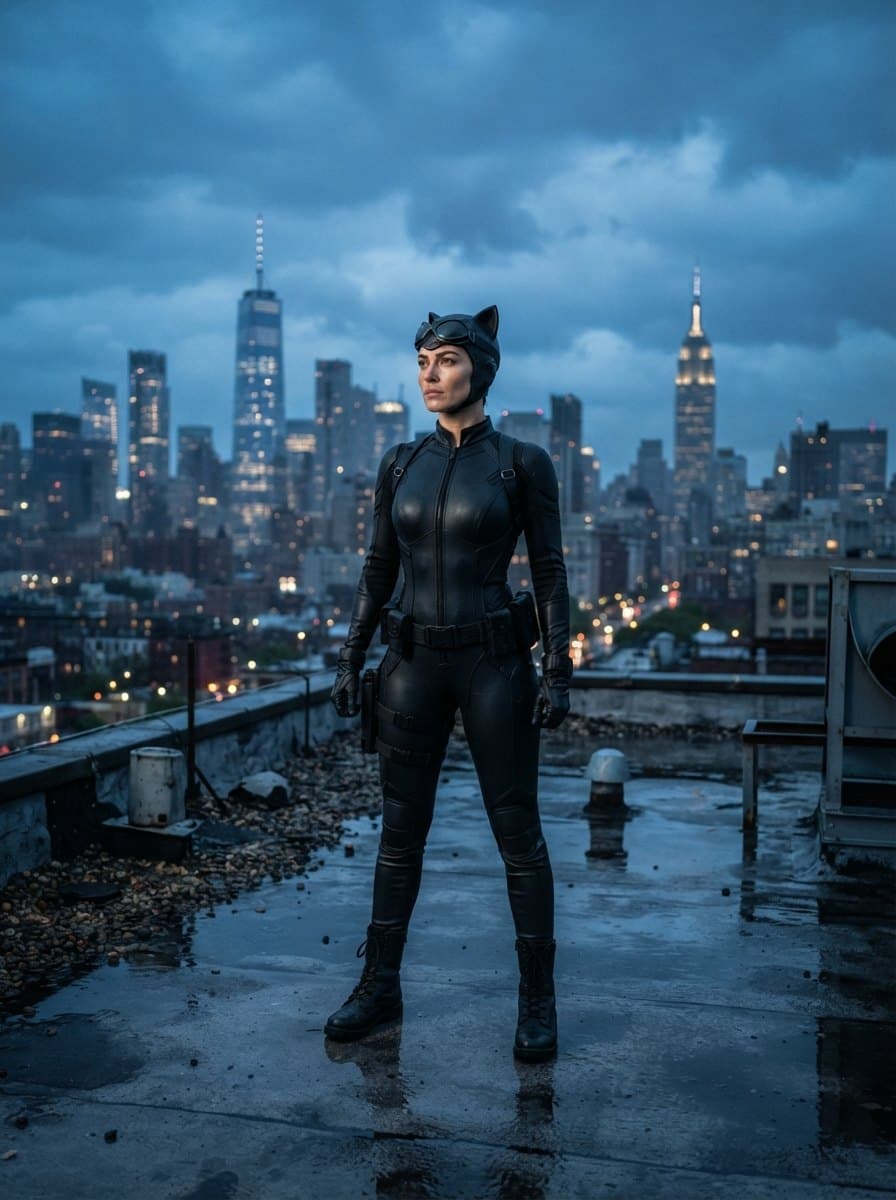
Catwoman Costume
Steal the spotlight in Gotham's sleekest, most iconic anti-hero look.

Pirate Costume
Unleash your inner swashbuckler with this classic, customizable seafaring look.
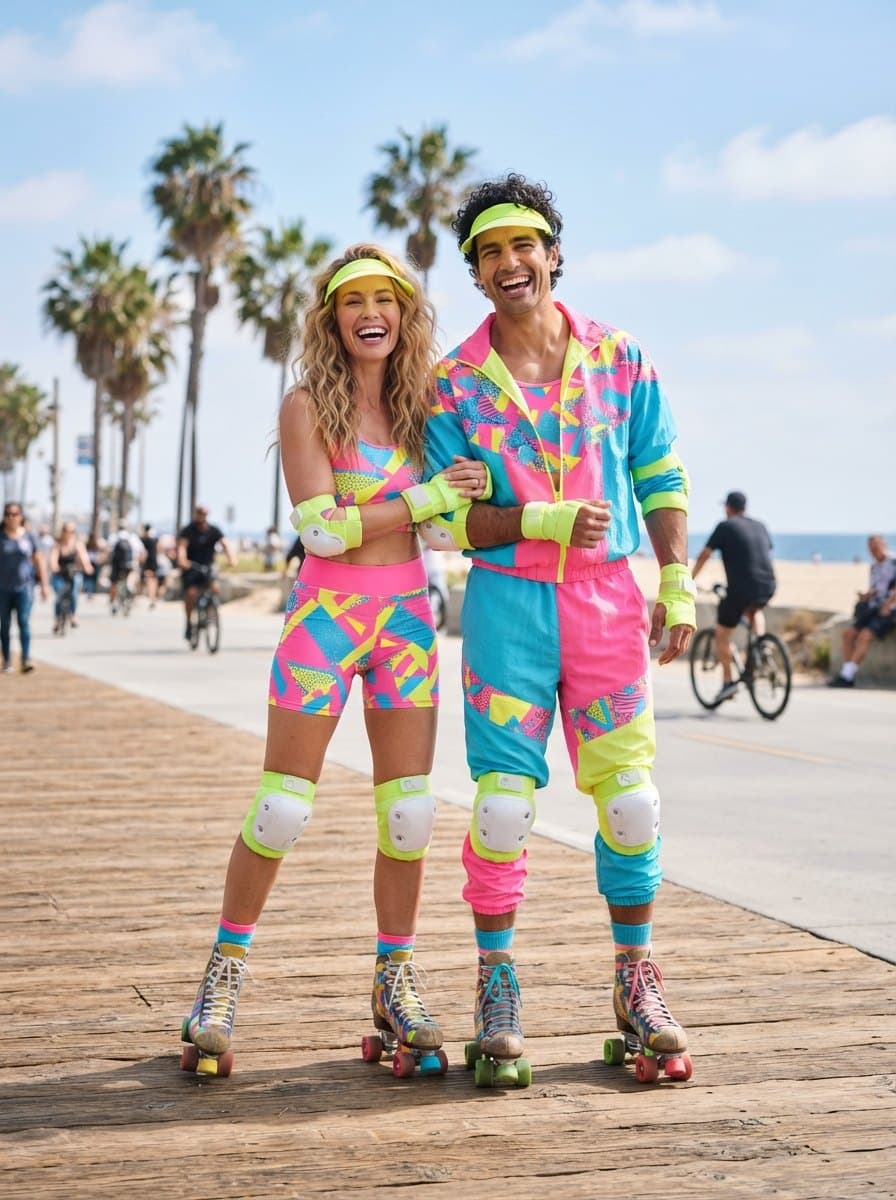
Barbie and Ken Costume
Step into a neon world as the ultimate, fashion-forward plastic duo.
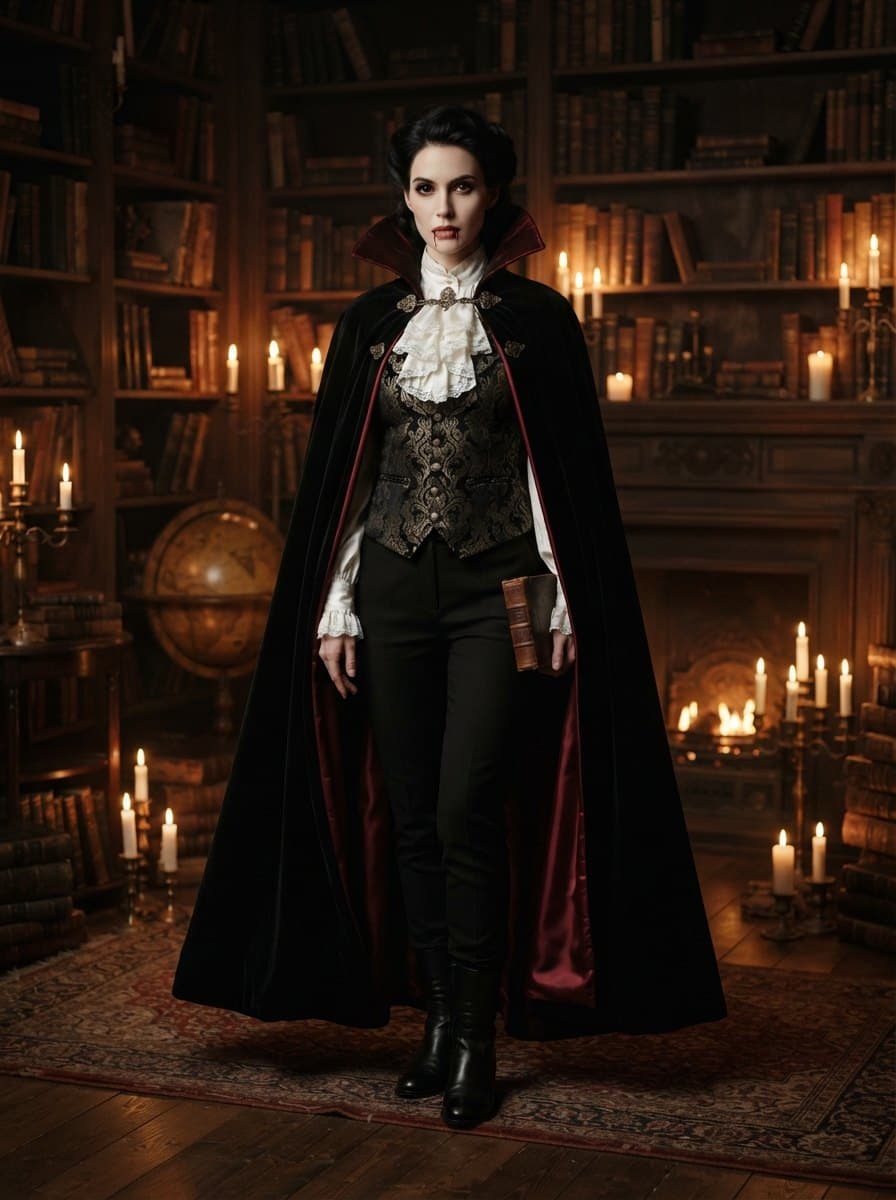
Vampire Costume
Embrace the night with a classic, timeless gothic look.
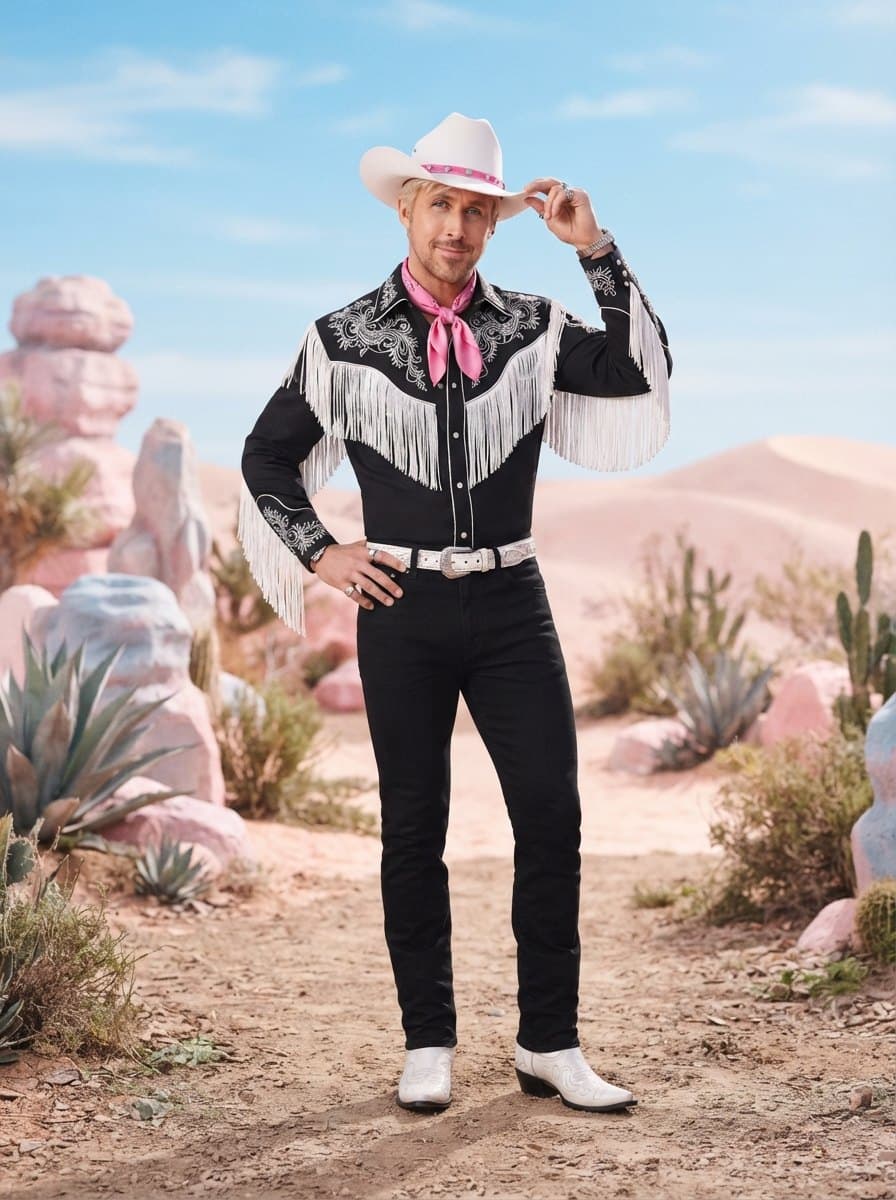
Ken Costume
Bring the ultimate Kenergy with this iconic Western look.
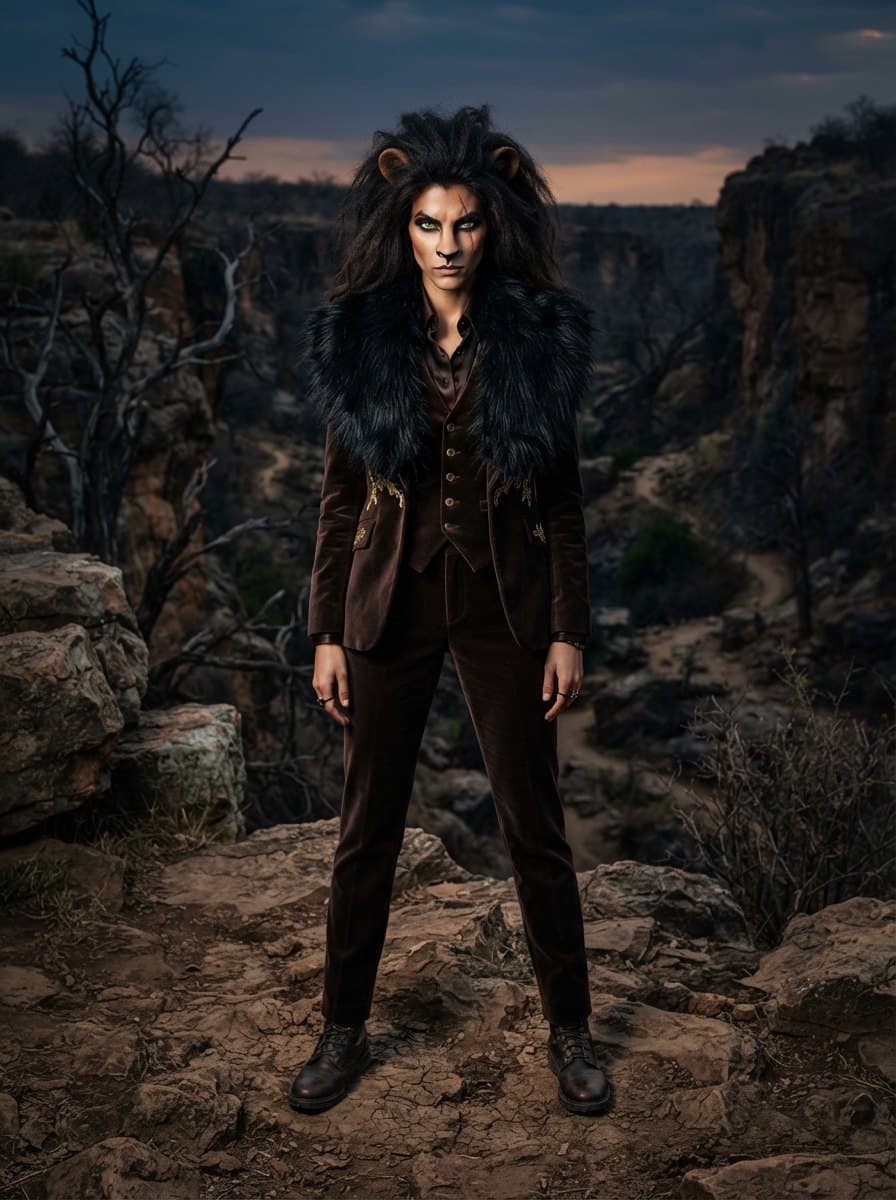
Scar Costume
Be prepared to rule the Pride Lands in villainous style.

Ghostface Costume
Rule the night as the ultimate Woodsboro slasher.
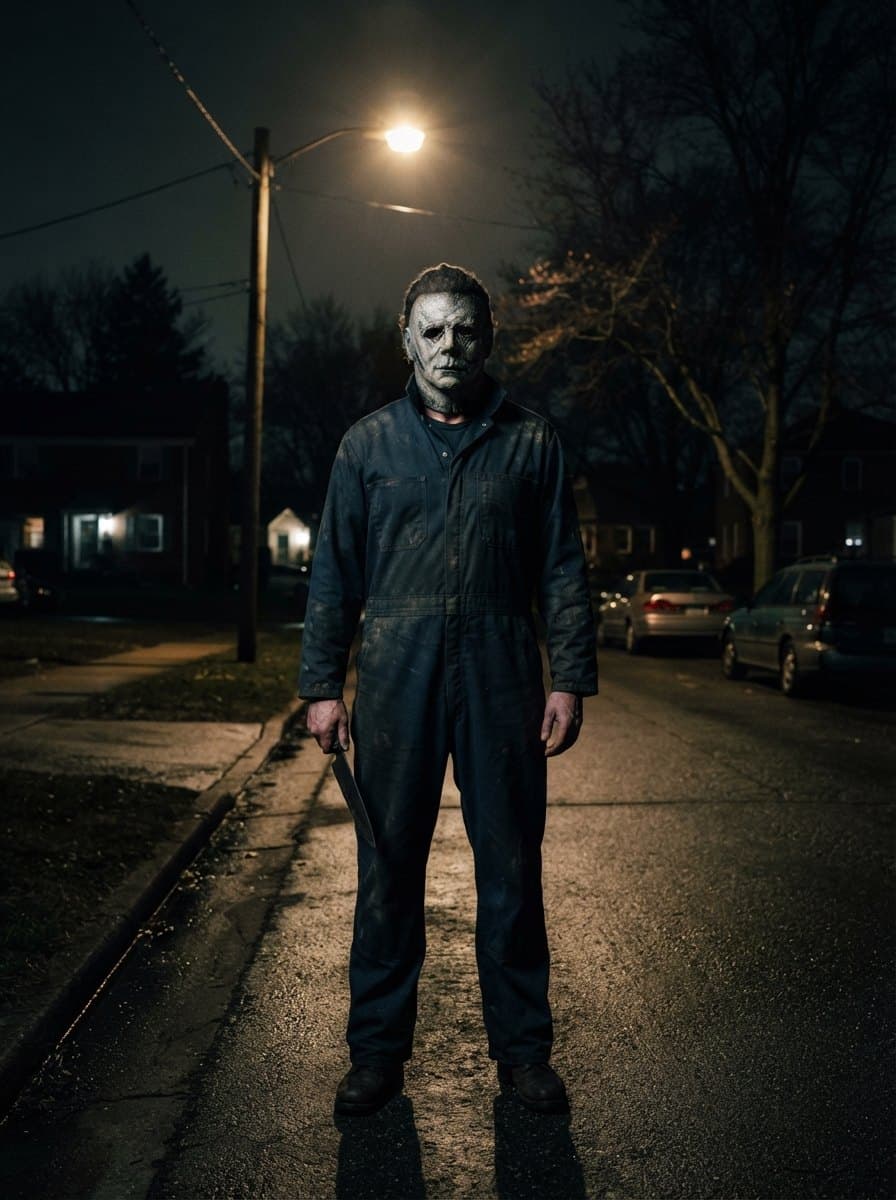
Michael Myers Costume
Embody the silent, unstoppable shape of Halloween night.
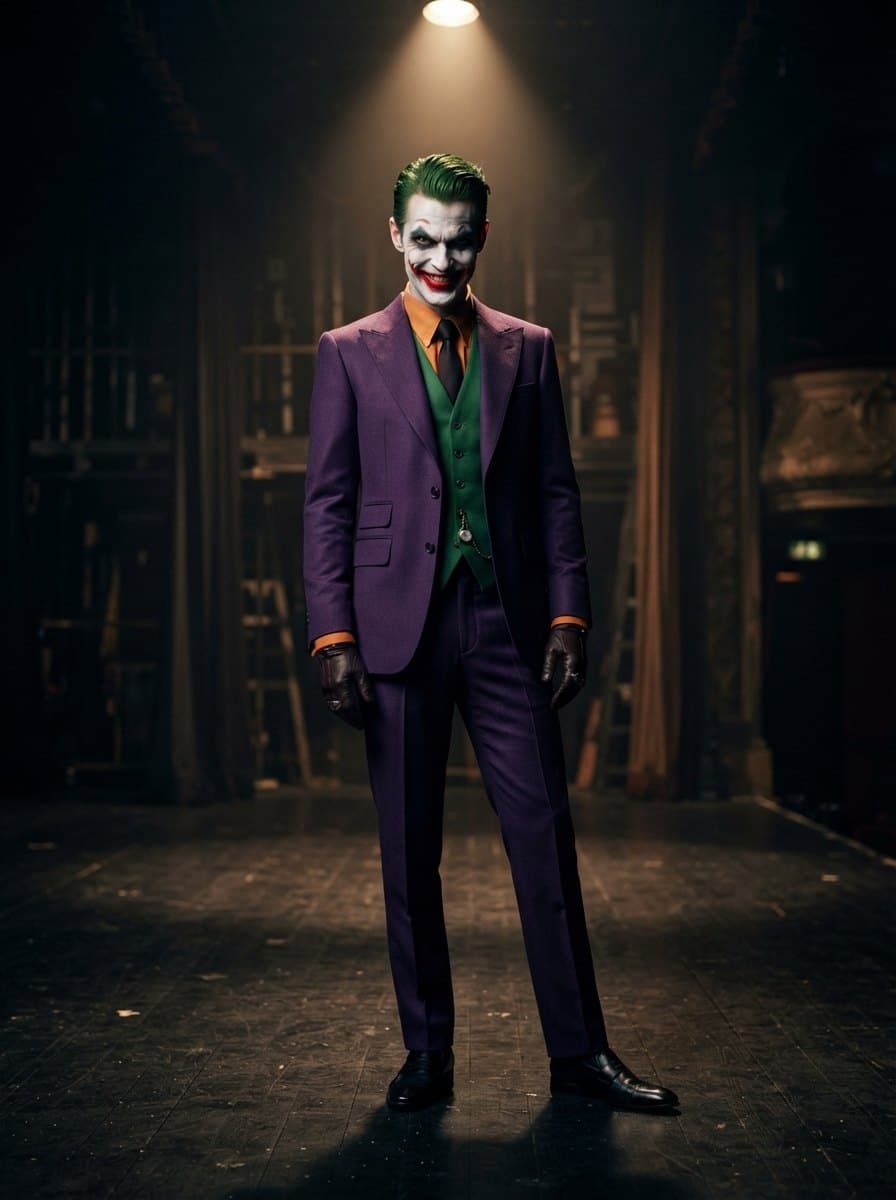
Joker Costume
Unleash your inner agent of chaos in style.
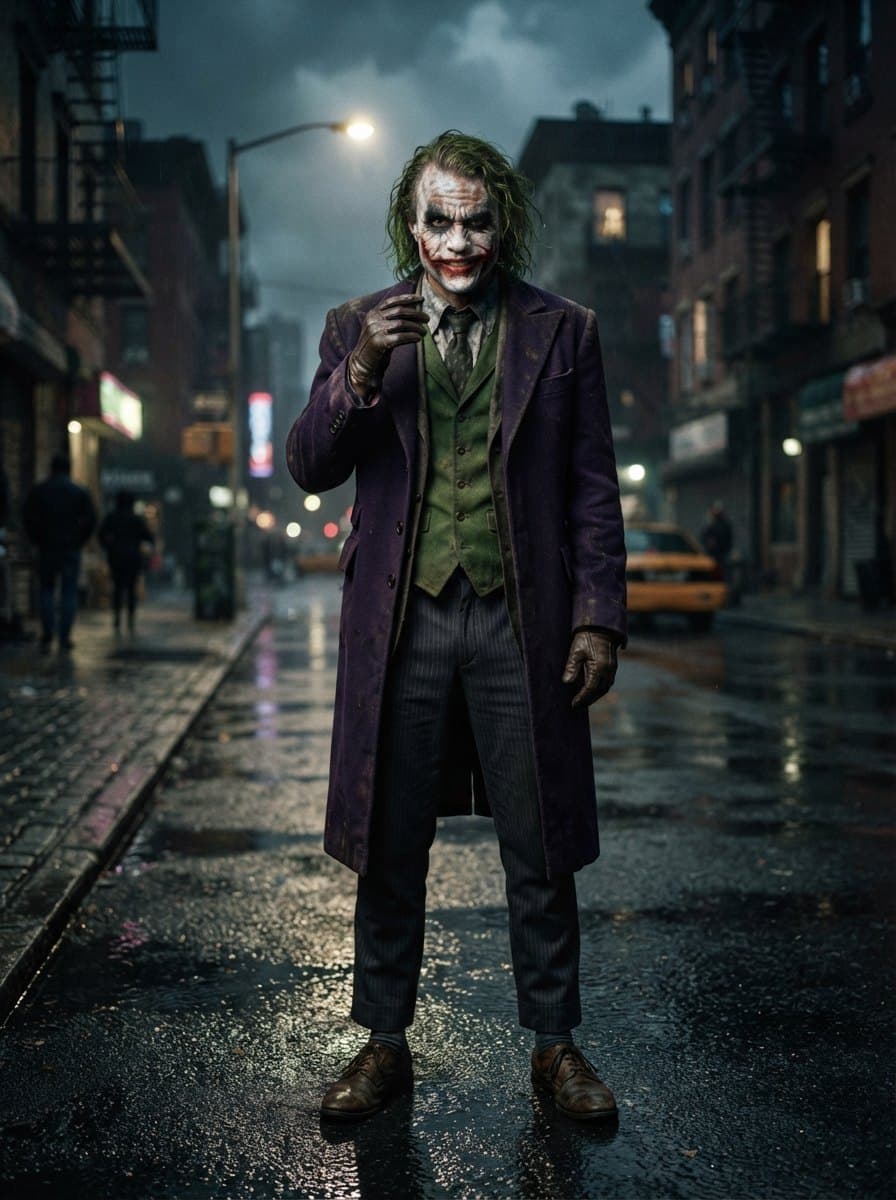
The Joker Costume
Embrace the chaos with the ultimate Gotham villain look.
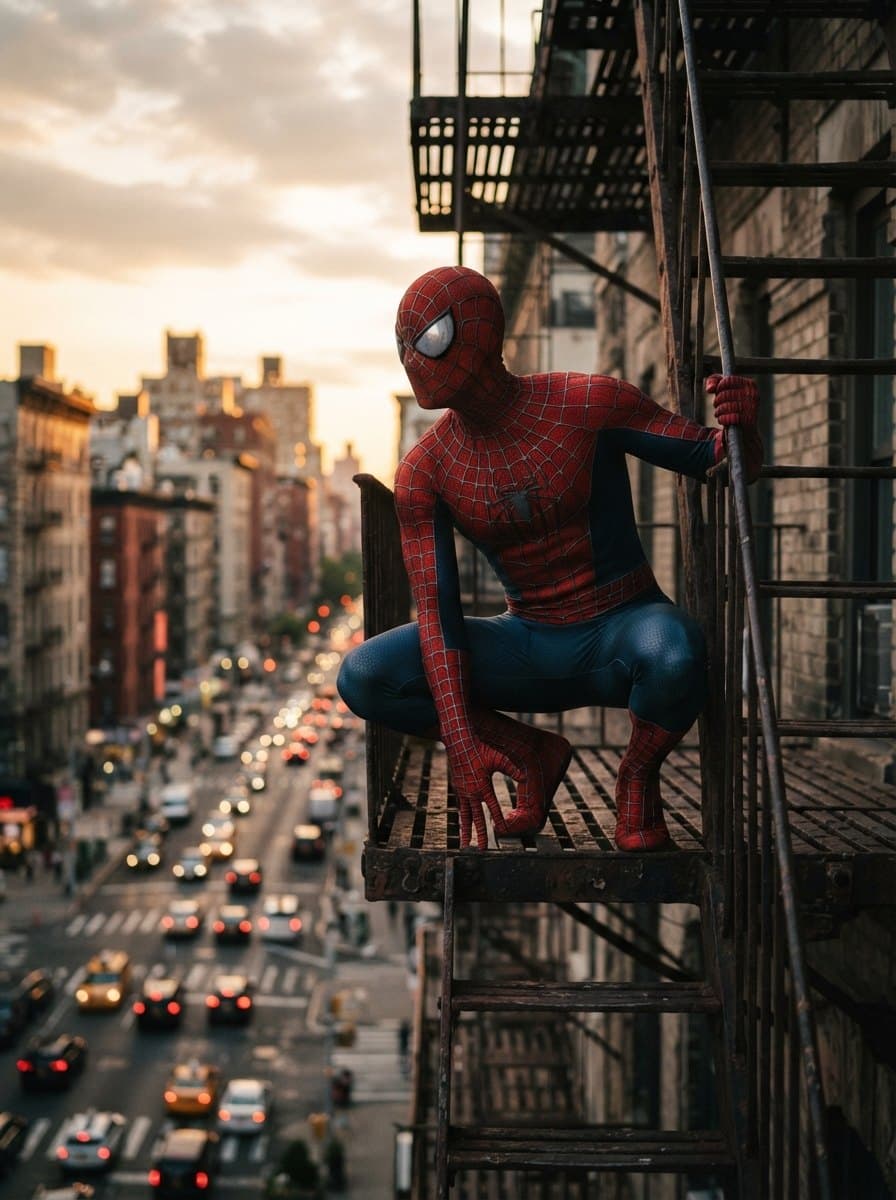
Spider-Man Costume
With great style comes great responsibility.
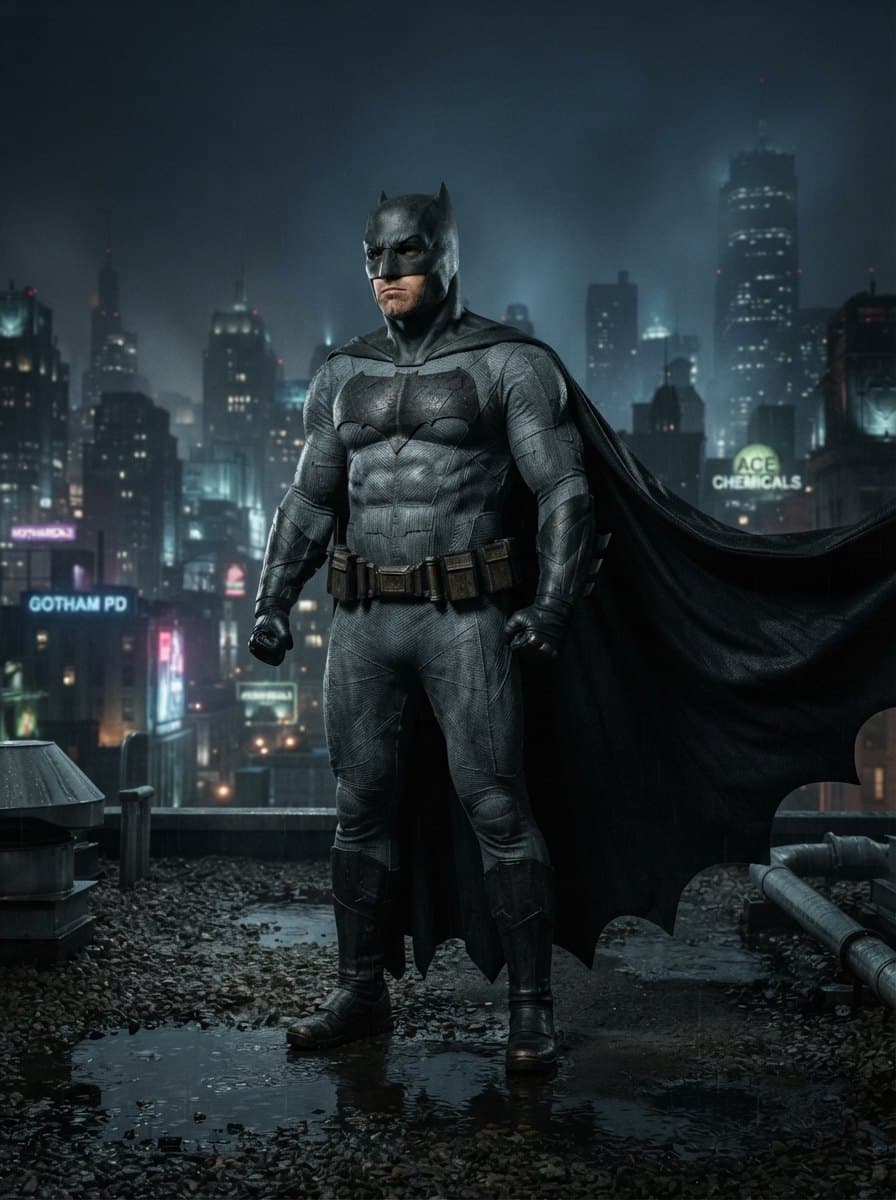
Batman Costume
Step out of the shadows as Gotham's legendary Dark Knight.
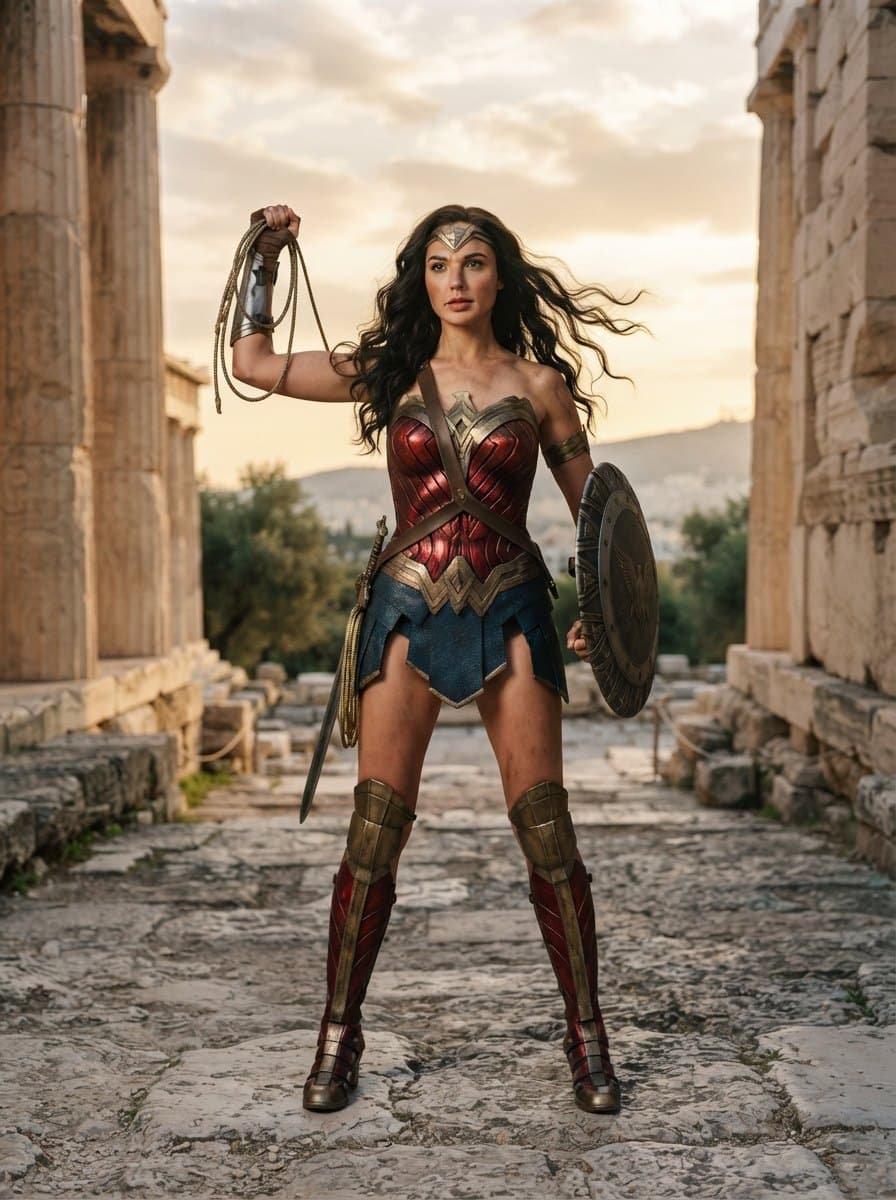
Wonder Woman Costume
Unleash your inner warrior with the ultimate Amazonian look.

Padmé Amidala Costume
Step into the Star Wars galaxy as Naboo's courageous senator.
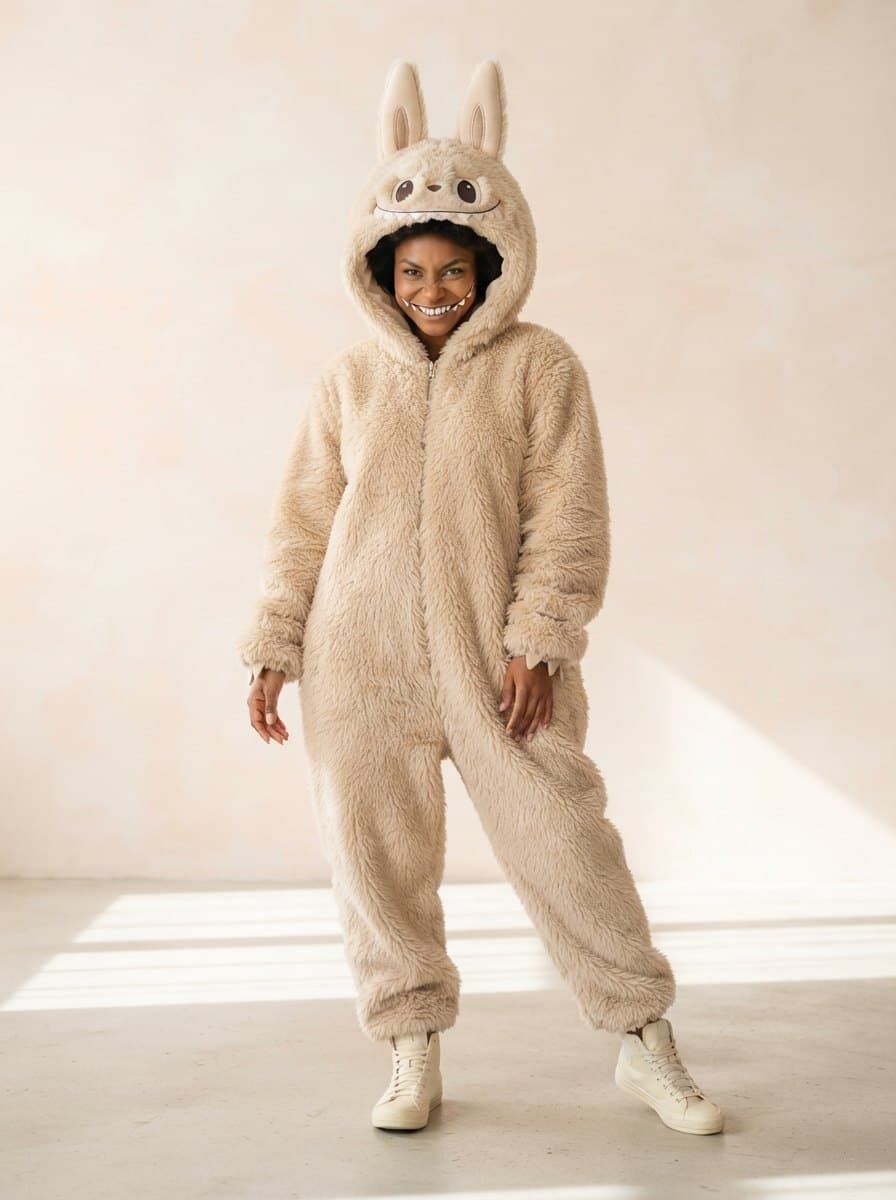
Labubu Costume
Bring Pop Mart's most mischievous, lovable monster to life.
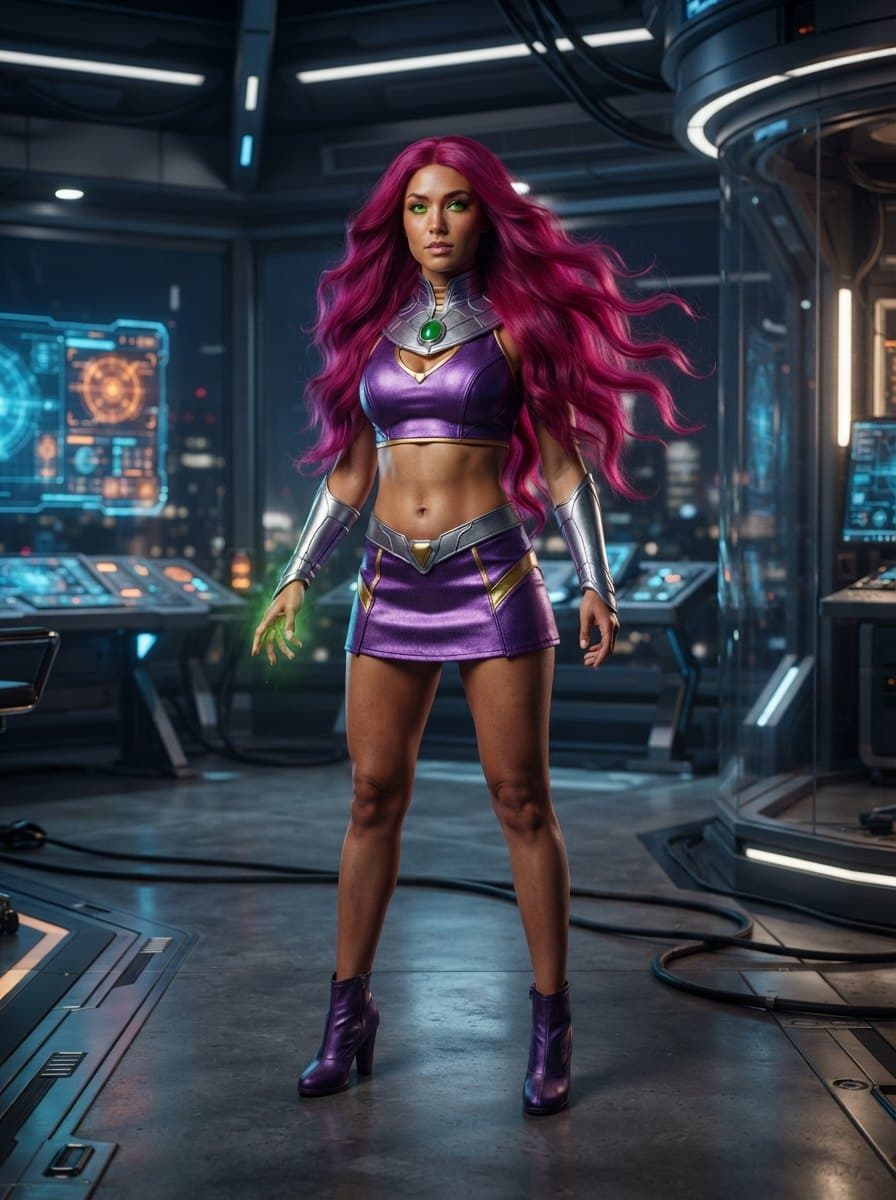
Starfire Costume
Channel your inner Tamaranian princess with this vibrant superhero look.

Dog Costume
Unleash your inner pup with this easy, comfortable classic.
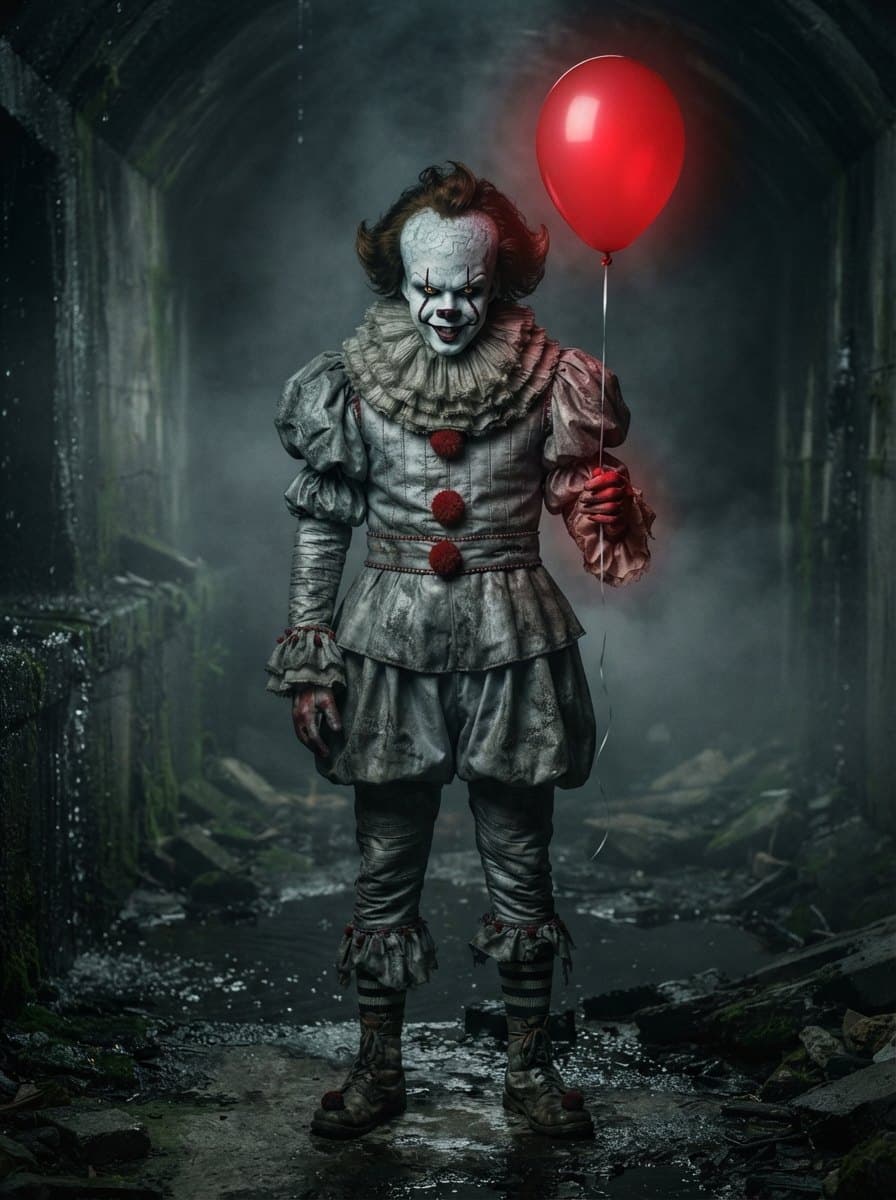
Pennywise Costume
Float down here with this screen-accurate, terrifying killer clown look.
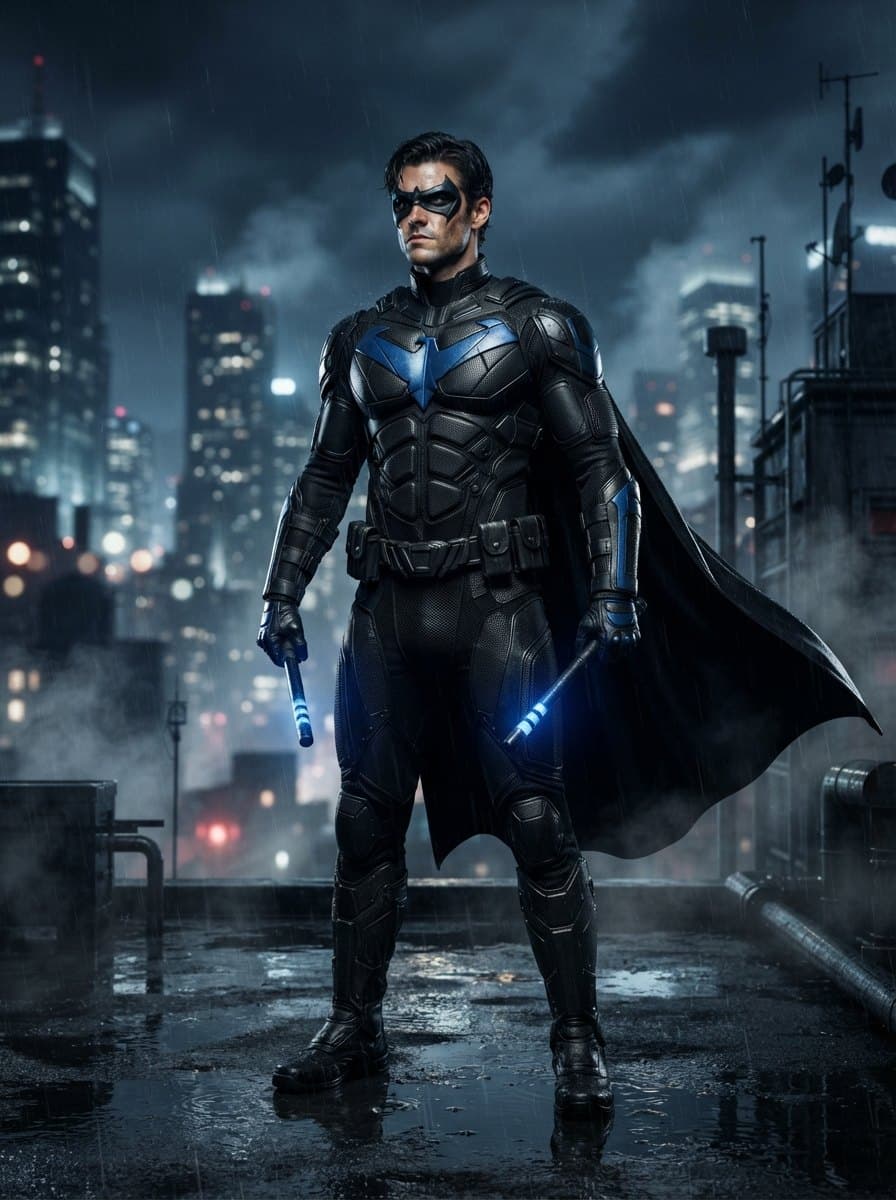
Nightwing Costume
Step out of Batman's shadow in this sleek vigilante look.
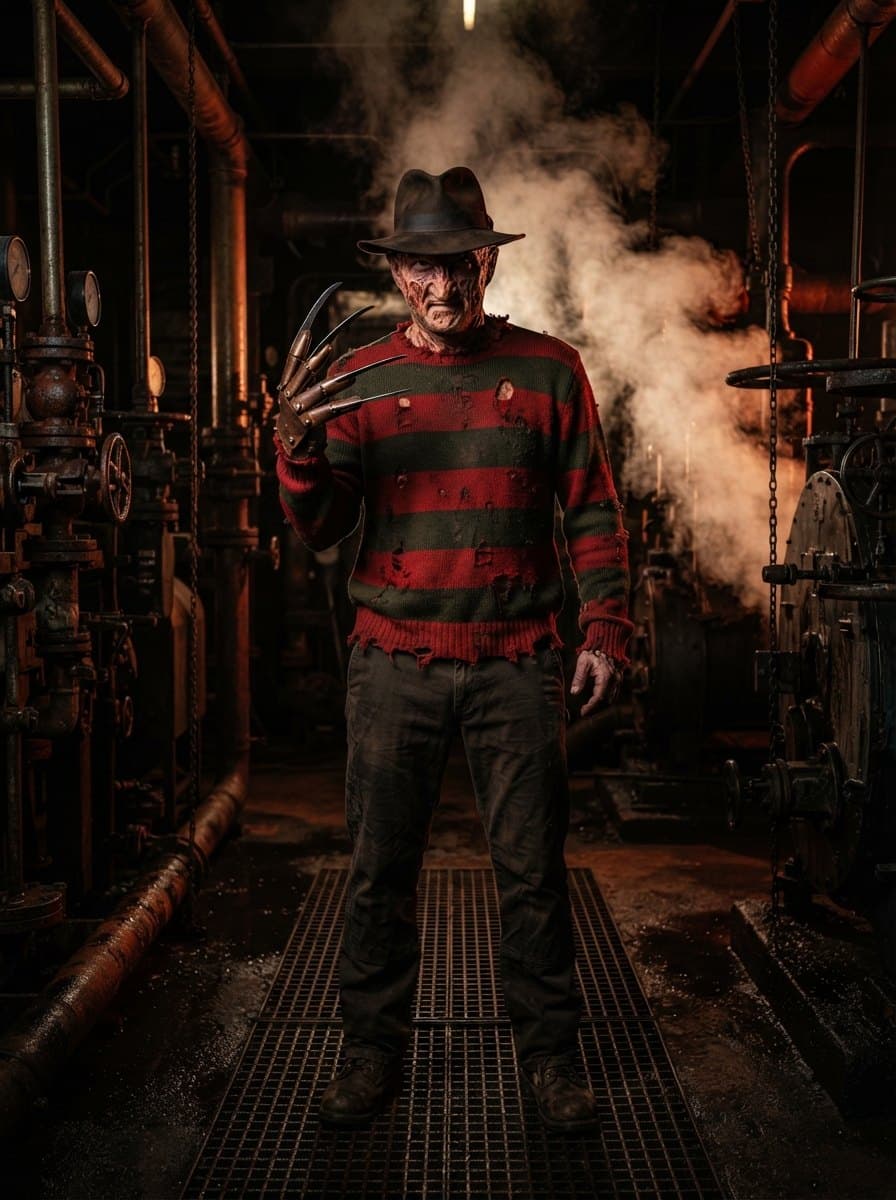
Freddy Krueger Costume
Bring the ultimate dream-stalking nightmare to life this Halloween.

Little Red Riding Hood Costume
Journey through the woods in this timeless, enchanting fairytale look.
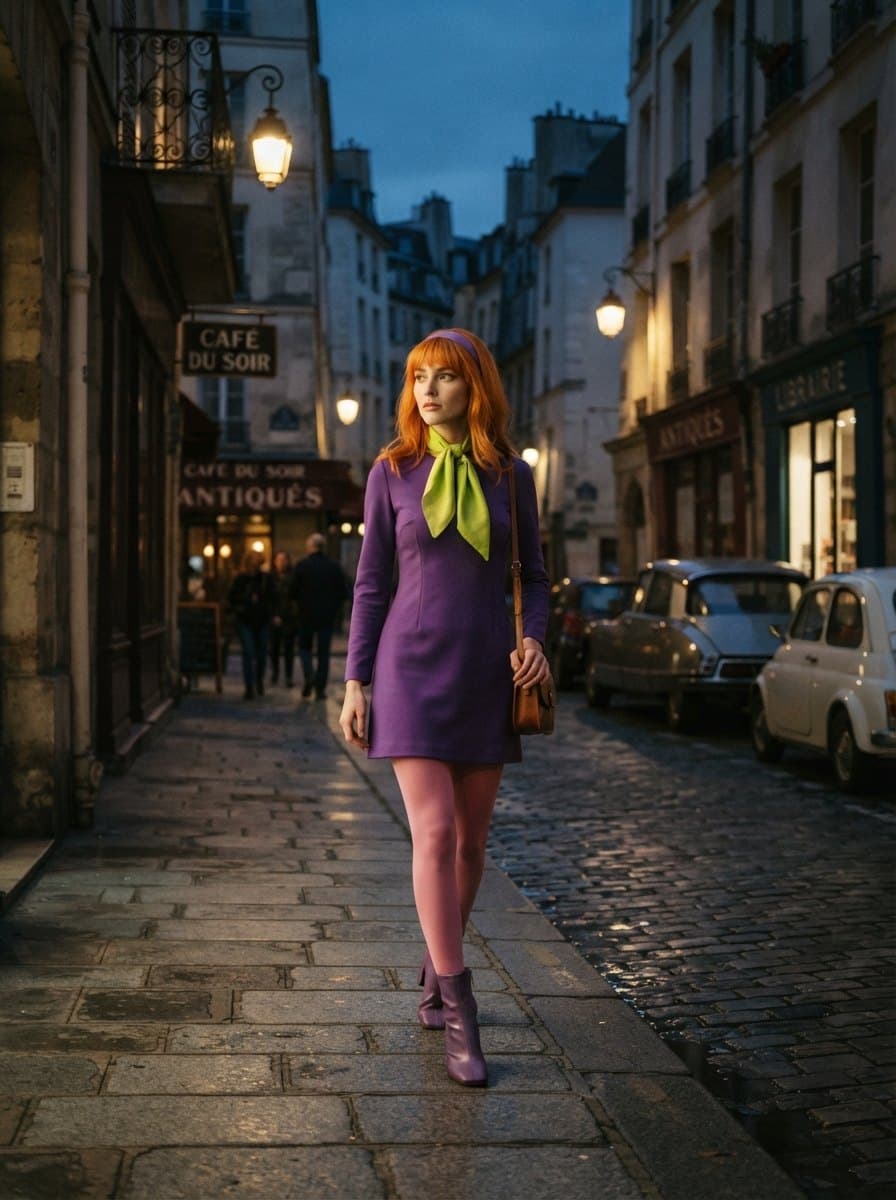
Daphne Blake Costume
Solve mysteries in style with Daphne's retro 1960s purple look.
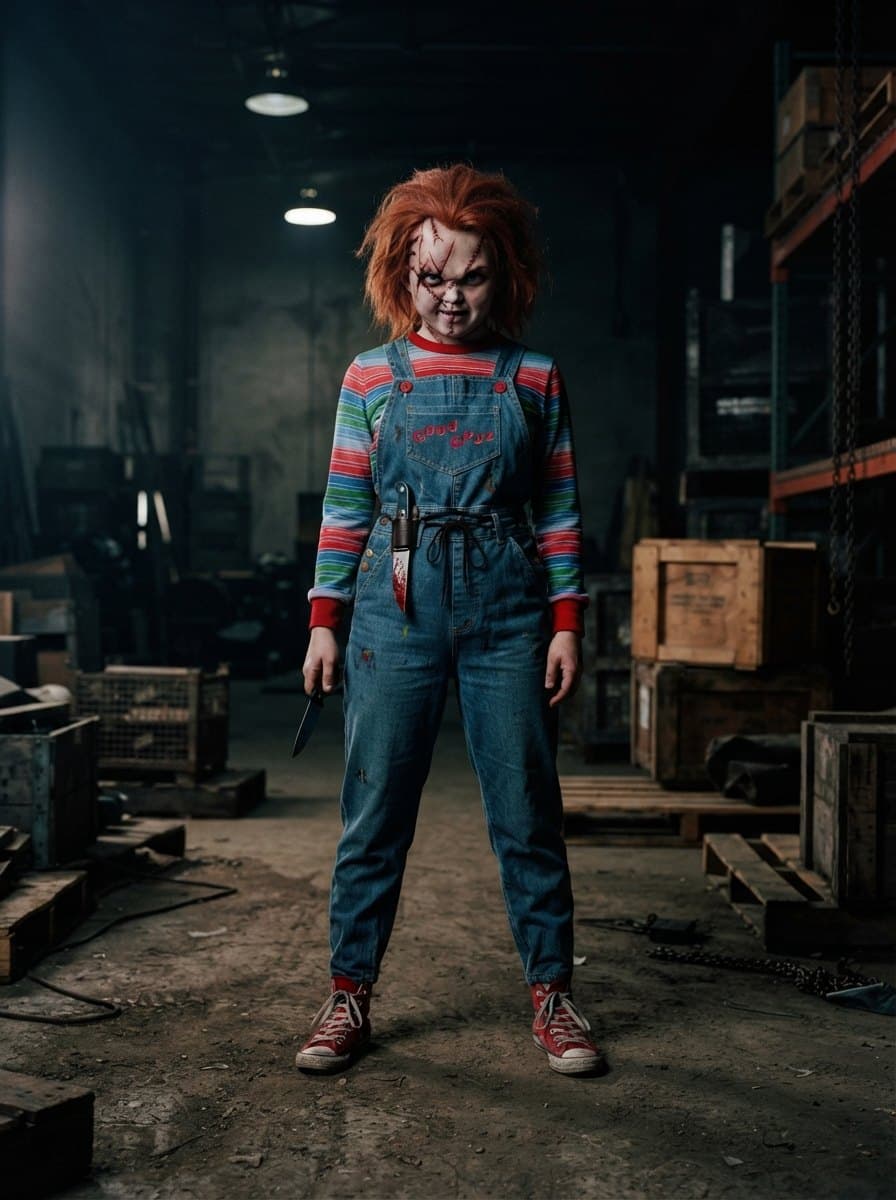
Chucky Costume
Channel your inner killer doll with Chucky's iconic striped look.
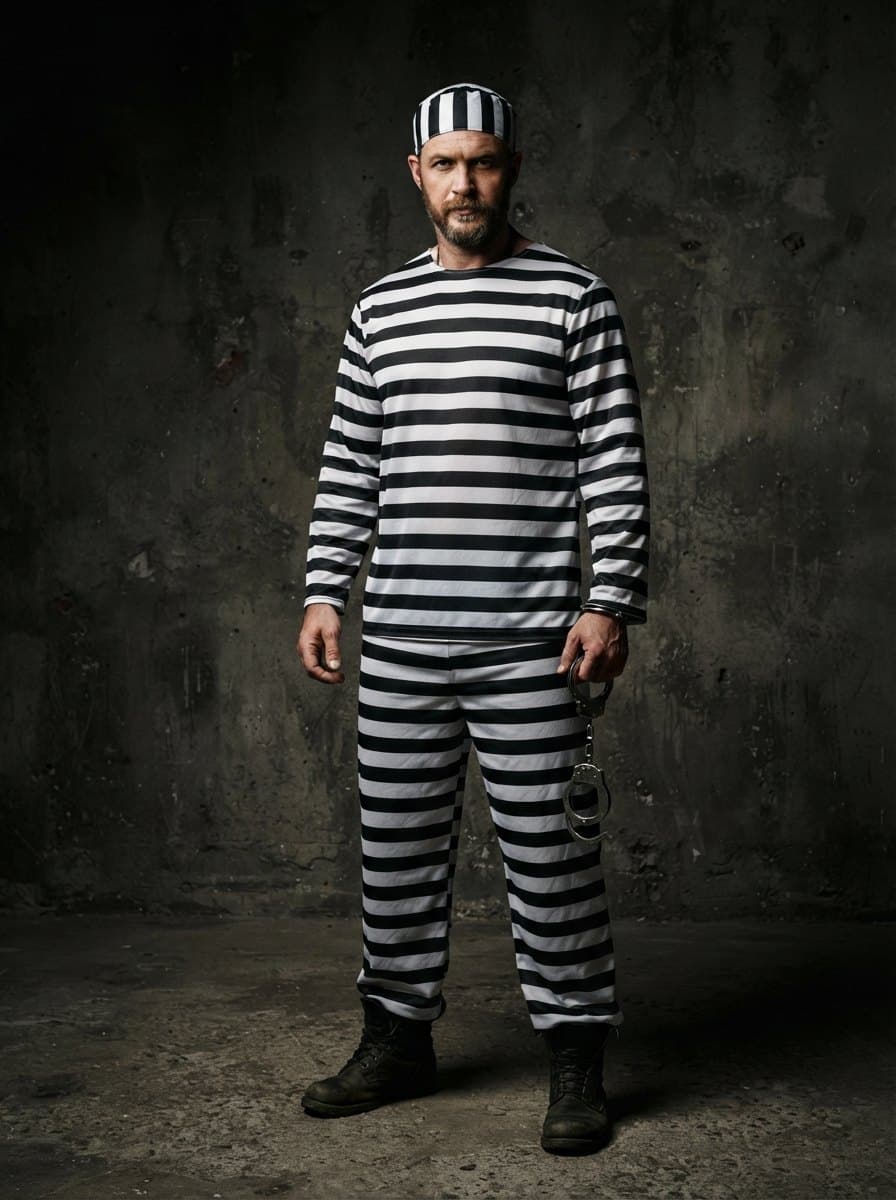
Prisoner Costume
The ultimate classic jailbird look that is incredibly easy to style.

Alice Costume
Bring the magic of Wonderland to life with this iconic blue dress.
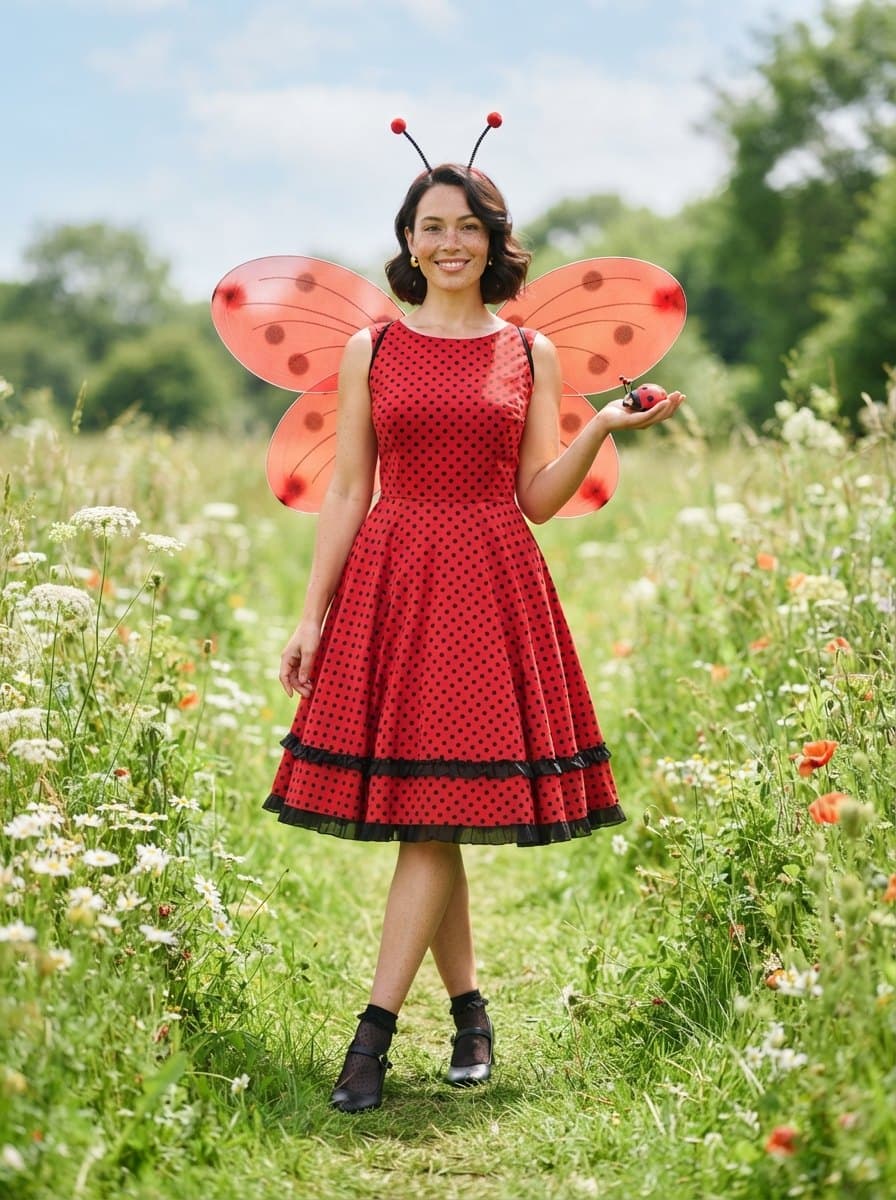
Ladybug Costume
A bright, cheerful, and easy-to-wear costume perfect for any occasion.
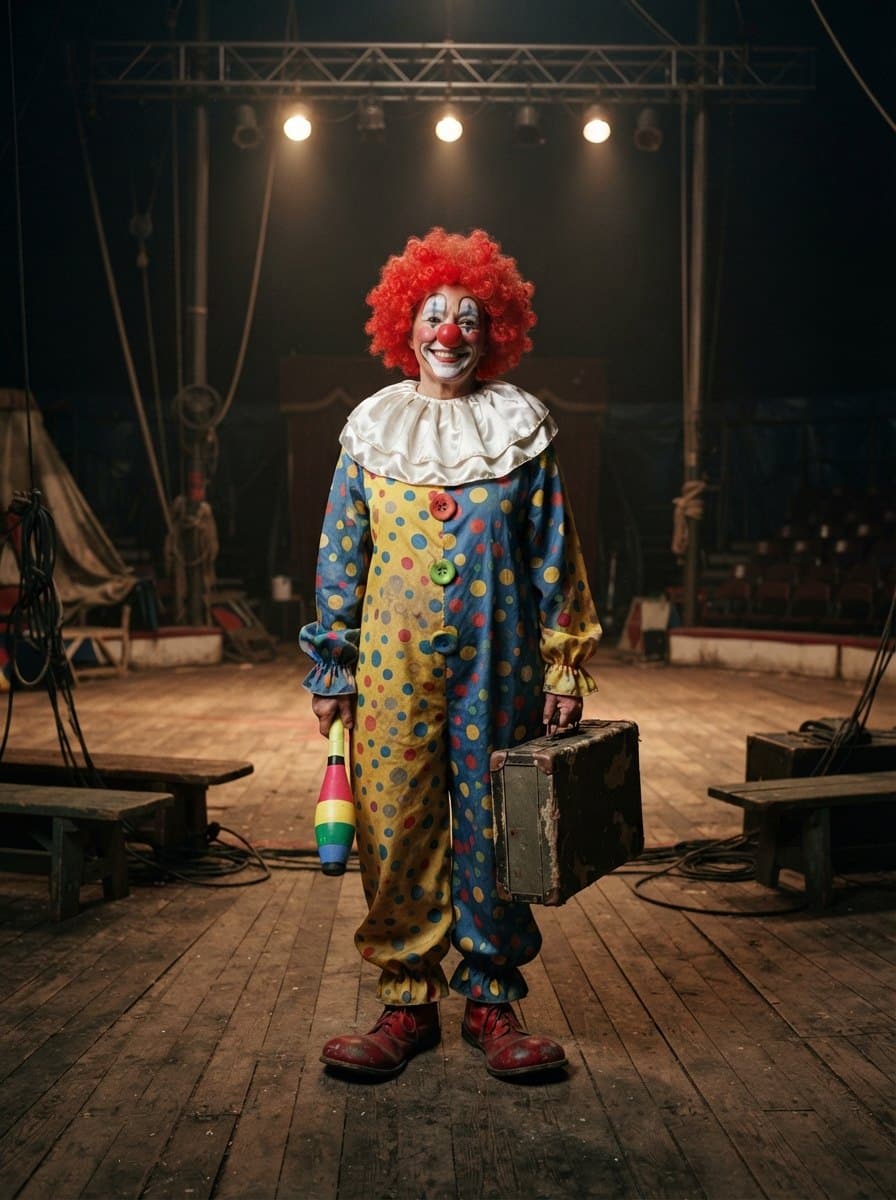
Clown Costume
Bring the circus to life with vibrant patterns and classic comedy.

Strawberry Shortcake Costume
Bring sweet 1980s nostalgia to life with this classic berry look.

Scarecrow Costume
Bring rustic autumn charm to life with a classic scarecrow look.
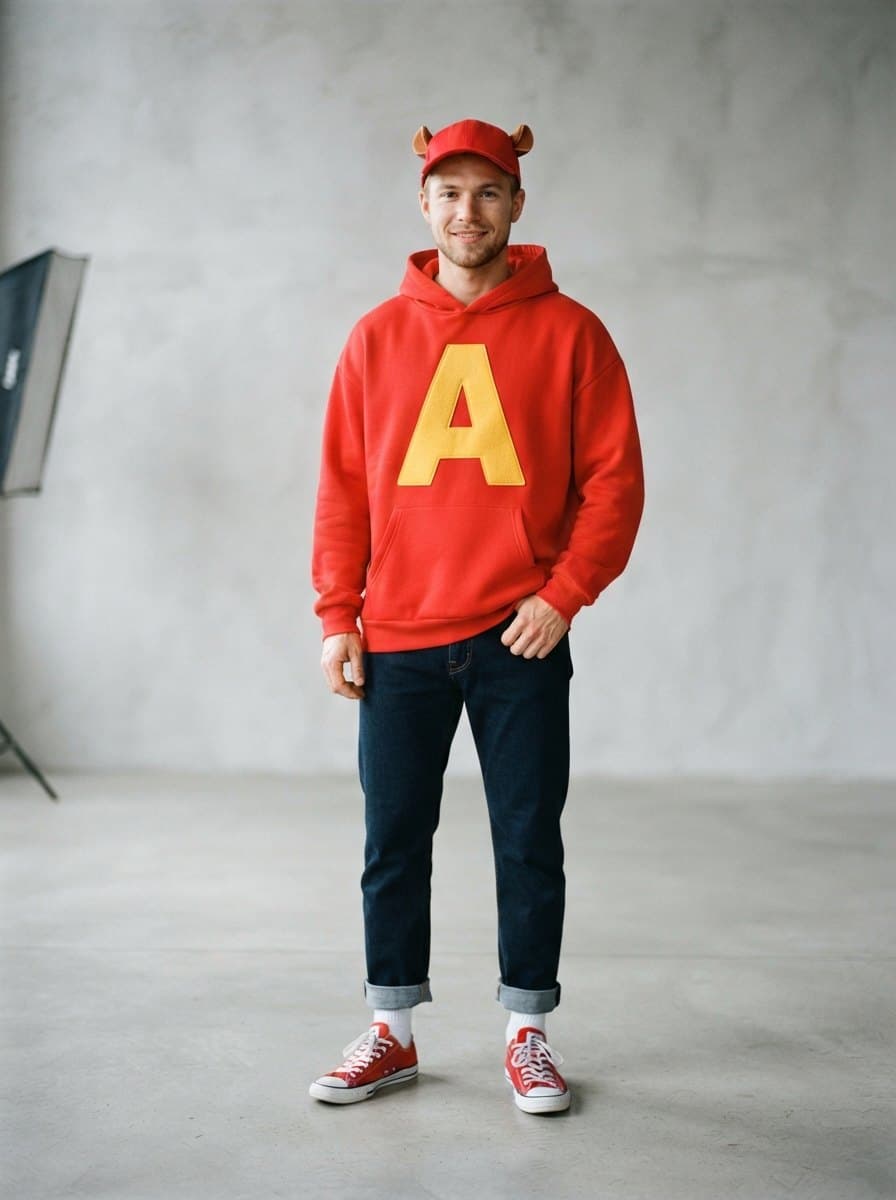
Alvin and the Chipmunks Costume
Bring the musical chipmunk trio to life with simple, colorful hoodies.
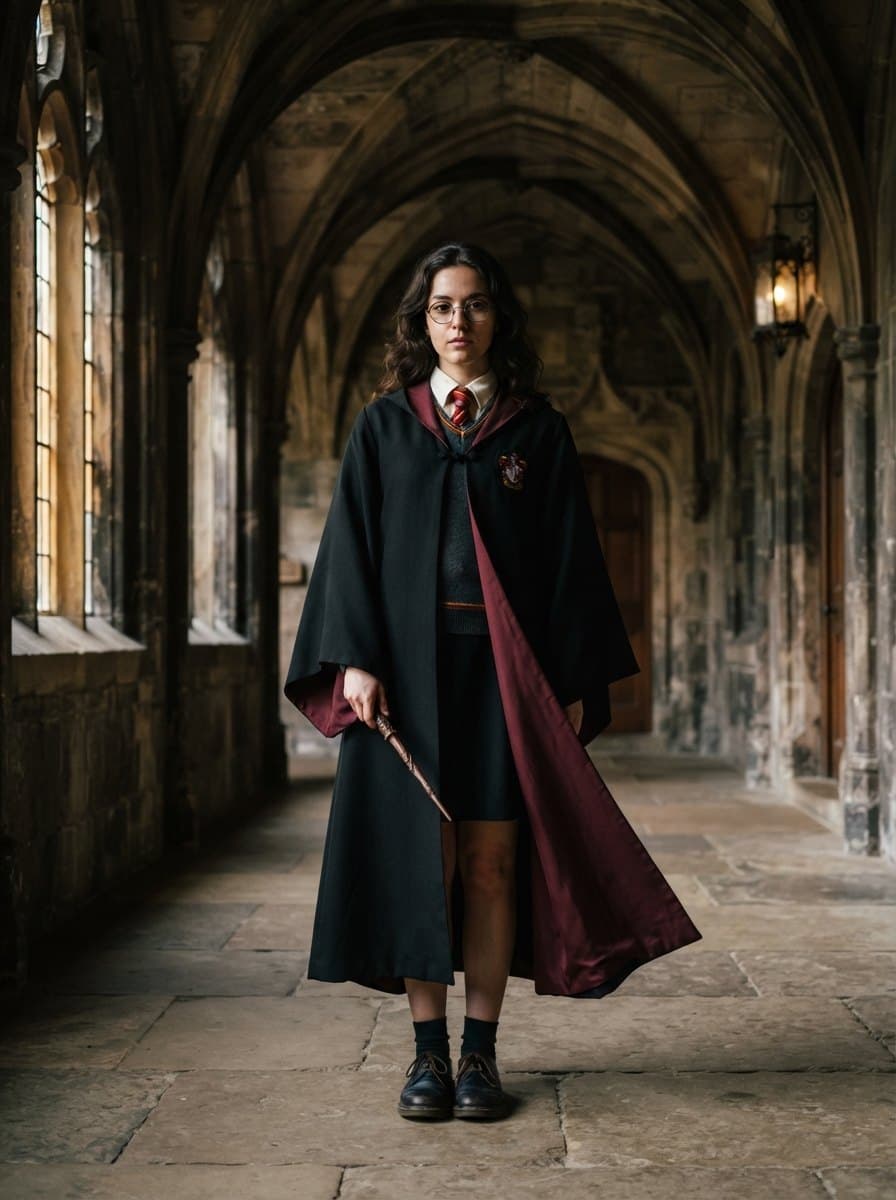
Harry Potter Costume
Step into the wizarding world with the iconic Gryffindor uniform.
What you need for a 3D Printed Costumes costume
3D Printer Filament (PLA or PETG)
The primary building material, usually purchased in 1kg spools in neutral colors like gray or black.
Digital STL Files
The 3D models of the armor or helmet pieces, sourced from online creator marketplaces.
DIY: Design your own files using free CAD software.
High-Build Spray Primer
A thick primer used to fill in 3D print layer lines before painting.
Acrylic Paints and Metallic Waxes
Used to give the plastic pieces a realistic metallic, weathered, or battle-damaged finish.
Fabric Undersuit
A solid black or color-matched bodysuit to wear underneath the armor plates.
Elastic Straps and Buckles
Used to secure the printed armor plates to your body and limbs.
How to put it together
- 1
Download or design your 3D models (STL files) and scale them to fit your body measurements using slicing software.
- 2
Print the costume pieces on your 3D printer, orienting parts to minimize support material.
- 3
Sand the printed parts thoroughly, starting with coarse sandpaper and moving to fine grit to remove layer lines.
- 4
Apply multiple coats of filler primer, sanding between coats until the surface is completely smooth.
- 5
Paint the pieces with base colors, then add shadows, highlights, and metallic weathering using acrylics or wax.
- 6
Attach elastic straps, foam padding, and buckles to the inside of the armor pieces for a secure, comfortable fit.
- 7
Put on your fabric undersuit, then buckle and strap the 3D-printed armor pieces over it.
Makeup & hair
Keep hair secured back or under a wig cap if wearing a 3D-printed helmet. Use theatrical makeup around the eyes if your helmet has open eye slots.
Tips
- Always measure your body carefully and print small test rings (slices of the armor) to check the fit before printing full pieces.
- Use low-density foam padding inside helmets and armor plates to prevent chafing and keep the pieces positioned correctly.
- For hot conventions, install small 5V USB fans inside 3D-printed helmets to prevent visor fogging and keep cool.
3D Printed Costumes costume FAQ
- What is the best material for 3D printing costumes?
- PLA is the easiest to print and sand, making it perfect for beginners. PETG or ABS offers more durability and heat resistance for outdoor wear.
- How do you hide the layer lines on a 3D printed costume?
- Use a combination of sanding, applying spray filler primer, and spot putty for deep gaps, repeating the process until the surface is smooth.
- How do you attach 3D printed armor to your body?
- Glue nylon or elastic straps to the inside of the armor using epoxy or hot glue, then secure them around your limbs with plastic buckles or hook-and-loop fasteners.
Did you know? The film industry frequently uses 3D printing to create hero suits and props for blockbusters, allowing costume designers to achieve intricate geometric details that are impossible to hand-carve.